


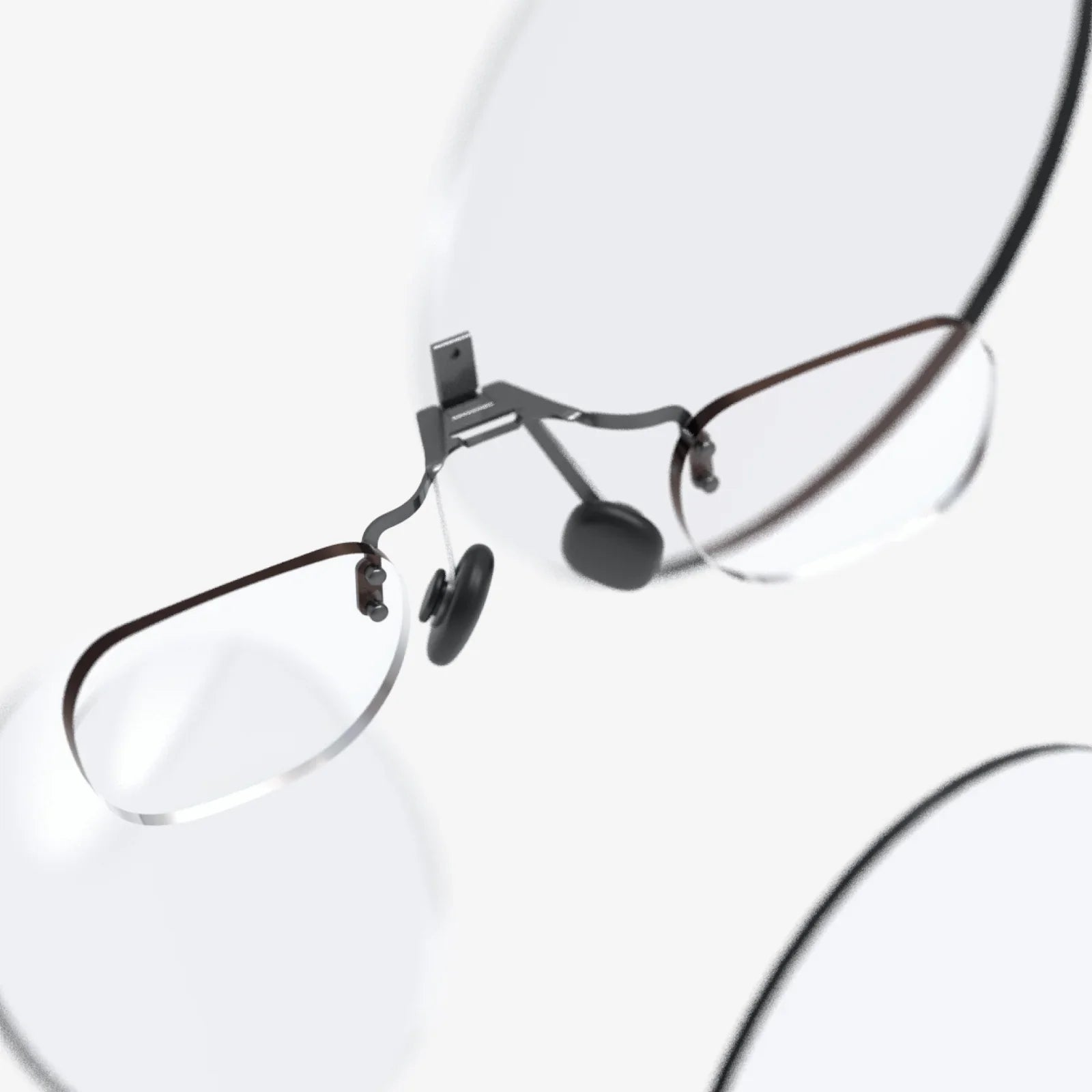
Every blink you take in front of a glowing screen is a tiny bet on your eyesight, and for many people that bet is starting to look risky. Screen eyewear has gone from a niche accessory to a daily essential for office workers, students, and gamers who feel the toll of digital life with every headache, dry eye, and late-night scroll. If you spend hours staring at a phone, laptop, or TV, understanding what screen eyewear can do for you might be the most important upgrade you make this year.
We live in a world where working, learning, relaxing, and socializing all happen through screens. That constant exposure can leave your eyes exhausted and your sleep disrupted, even if your vision is technically “perfect.” Screen eyewear steps in as a quiet, powerful ally: it can ease digital eye strain, support better focus, and help protect your long-term visual comfort. Whether you are skeptical or already curious, this guide will walk you through everything you need to know before you decide if it belongs in your daily routine.
What Is Screen Eyewear?
Screen eyewear is a category of glasses specifically designed for use with digital devices such as computers, tablets, smartphones, and televisions. Unlike traditional eyewear that focuses mainly on correcting refractive errors like nearsightedness or farsightedness, screen eyewear targets the unique visual demands created by prolonged screen use.
These glasses typically incorporate one or more of the following features:
- Special lens coatings that reduce glare from screens and overhead lighting.
- Filters that selectively reduce portions of blue light emitted by digital displays.
- Optimized focusing power for intermediate distances, where screens usually sit.
- Anti-reflective layers that improve clarity and reduce distracting reflections.
Screen eyewear can be non-prescription, for people with otherwise clear vision, or prescription, tailored for those who already need correction. In both cases, the goal is the same: make screen time more comfortable and less taxing on the eyes.
Why Screens Are So Hard on Your Eyes
Before understanding how screen eyewear helps, it is crucial to know why screens can be so uncomfortable in the first place. The problem is not just brightness; it is a combination of visual, environmental, and behavioral factors.
Digital Eye Strain (Computer Vision Syndrome)
Digital eye strain, often called computer vision syndrome, is a cluster of symptoms that arise after extended screen use. It can affect anyone, regardless of age or existing eye conditions. Common symptoms include:
- Dry, irritated, or burning eyes
- Blurred or fluctuating vision
- Headaches and a feeling of eye pressure
- Neck, shoulder, or back pain from poor posture
- Difficulty focusing when switching between near and far objects
Several factors contribute to these symptoms:
- Reduced blinking: People blink less often when looking at screens, which dries out the eye surface.
- Close working distance: Holding devices too close makes eye muscles work harder to focus.
- Poor contrast and glare: Bright screens, reflections, and harsh lighting strain the visual system.
- Uncorrected vision problems: Even minor focusing issues can become exhausting over long hours.
The Role of Blue Light
Screens emit a significant amount of visible blue light, a short-wavelength, high-energy part of the spectrum. Blue light is not inherently harmful; in fact, it plays a role in regulating circadian rhythms and alertness. However, exposure at the wrong time of day and in excessive amounts can contribute to discomfort and sleep disruption.
Potential issues linked with blue light from screens include:
- Sleep disruption: Evening exposure can suppress melatonin, making it harder to fall asleep.
- Increased glare: Blue light scatters more easily, which can reduce visual contrast and clarity.
- Perceived eye strain: Some users report reduced comfort after long hours of blue-heavy screen use.
While research continues to evolve on long-term effects, many people find that reducing blue light exposure—especially at night—makes screen time more comfortable and sleep more restful.
How Screen Eyewear Works
Screen eyewear addresses several of the factors that make digital viewing difficult. It does this through a combination of lens design, coatings, and sometimes subtle prescription adjustments.
Blue Light Filtering
One of the most talked-about features of screen eyewear is blue light filtering. These lenses are designed to reduce the amount of blue light reaching your eyes from digital screens and other artificial light sources.
Blue light filtering can be implemented in different ways:
- Surface coatings: A thin layer applied to the lens that reflects or absorbs specific blue wavelengths.
- Lens material: The lens itself is made from a material that selectively reduces blue light.
- Tinting: Some lenses have a slight yellow or amber tint, which can enhance contrast and comfort.
The goal is not usually to block all blue light but to reduce the intensity of specific ranges that may contribute to eye strain and sleep disruption, especially in the evening.
Anti-Reflective and Anti-Glare Coatings
Reflections from screens, room lighting, and windows can bounce off lenses and create visual noise. Screen eyewear often includes anti-reflective coatings that:
- Reduce reflections on the front and back surfaces of the lens
- Improve clarity, especially in dim or mixed lighting
- Make it easier to maintain focus during long sessions
This can be particularly helpful in open offices, classrooms, or home setups with multiple light sources.
Optimized Focusing for Screen Distance
Most screens are used at an intermediate distance—farther than reading distance but closer than driving distance. Traditional single-vision or distance-focused lenses are not always optimized for this range. Screen eyewear can be tailored to:
- Provide sharper focus at typical monitor distance
- Reduce the effort needed for continuous near and intermediate tasks
- Support smoother transitions when shifting gaze between keyboard, screen, and documents
For people with presbyopia (age-related difficulty focusing up close), specialized designs can prioritize the intermediate zone, making computer work more comfortable without constant head tilting or switching glasses.
Improved Contrast and Color Comfort
Some screen eyewear lenses subtly adjust the color balance of the light entering your eyes. By reducing harsh blue tones and enhancing contrast, they can make text and fine details easier to see, especially against bright or cluttered backgrounds.
This can be particularly beneficial for:
- Reading small text or detailed graphics
- Working in design, editing, or coding environments
- Gaming sessions that require fast visual processing
Who Benefits Most from Screen Eyewear?
Screen eyewear is not just for people with existing vision problems. It can be useful for anyone who spends significant time on digital devices. Certain groups, however, may benefit even more.
Office Workers and Remote Professionals
People who spend 6–10 hours a day on computers are prime candidates. Common scenarios include:
- Long video meetings followed by document editing
- Working in open-plan offices with mixed lighting
- Switching between multiple screens and devices
For these users, screen eyewear can help reduce fatigue, support sustained focus, and make end-of-day headaches less frequent.
Students and Lifelong Learners
Students at every level now rely on screens for lectures, research, assignments, and communication. Extended screen use, often in less-than-ideal lighting and posture, can quickly lead to discomfort.
Screen eyewear can support:
- Long study sessions with fewer breaks due to eye strain
- Better comfort during online classes and digital exams
- Healthier evening habits when studying late into the night
Gamers and Content Creators
Gamers, streamers, and creative professionals often spend hours in visually intense environments. Fast motion, high contrast, small interface elements, and late-night sessions can all push the visual system hard.
For these users, screen eyewear can offer:
- Enhanced comfort during long sessions
- Reduced glare and better visibility in dark scenes
- Less visual fatigue, which can support better performance and reaction times
People Sensitive to Light or Prone to Headaches
Individuals who are sensitive to bright light or prone to tension headaches and migraines may find that screen eyewear helps reduce triggers associated with digital displays. While it is not a cure, reducing brightness, glare, and blue light can lessen visual stress, which may be one piece of a broader management strategy.
Older Adults and People with Mild Vision Issues
As we age, the eye’s ability to focus up close decreases, and glare can become more bothersome. Even without a major prescription, older adults who use screens regularly may notice:
- More frequent eye fatigue
- Difficulty reading small text on screens
- Increased sensitivity to reflections and bright backgrounds
Screen eyewear designed for intermediate distance and glare reduction can make digital tasks more comfortable and enjoyable.
Key Features to Look for in Screen Eyewear
Not all screen eyewear is created equal. When choosing a pair, consider the features that will matter most for your specific habits and environment.
Level and Type of Blue Light Filtering
Blue light filters vary in strength and appearance. When evaluating this feature, think about:
- Strength: Light filtering for daytime use versus stronger filtering for evening and night.
- Color tint: Clear or nearly clear lenses are subtle; more tinted lenses may offer stronger filtering but change color perception.
- Use case: Heavy night-time use, creative color work, or general daytime office tasks.
If you work with color-critical tasks, you may prefer a more neutral lens for daytime and a stronger filter only at night.
Anti-Reflective Coating Quality
A good anti-reflective coating can make a dramatic difference in comfort. Look for lenses that:
- Minimize reflections from both front and back surfaces
- Are easy to clean and resist smudging
- Do not create distracting color fringes or distortions
High-quality coatings are often less noticeable visually but more noticeable in day-to-day comfort.
Lens Design for Your Working Distance
Think about how far away your screens usually are:
- Laptop users: Often around 40–60 cm from the eyes.
- Desktop monitors: Commonly 50–70 cm or more.
- Multiple monitors: Varying distances and angles.
For people who already wear glasses, specialized lens designs can prioritize this intermediate zone. Discussing your typical setup with an eye care professional can help ensure your screen eyewear is tailored to your real-world use, not just a generic distance or reading prescription.
Frame Fit and Comfort
Even the best lenses will not help if the frames are uncomfortable. Pay attention to:
- Weight: Lighter frames reduce pressure on the nose and ears during long sessions.
- Nose pads and temples: Soft, well-fitting components prevent slipping and sore spots.
- Size and coverage: Lenses that adequately cover your field of view without forcing you to tilt your head.
If you wear a headset, headphones, or a cap while working or gaming, consider how the frame interacts with these accessories.
How to Use Screen Eyewear Effectively
Buying screen eyewear is only half the solution. How you use it—and how you manage your overall screen habits—determines how much benefit you actually get.
Wear It Consistently During Screen Time
For most people, screen eyewear should be worn whenever they are using digital devices for more than a few minutes. Consistency helps:
- Reduce cumulative strain throughout the day
- Support better evening comfort and sleep patterns
- Train your visual system to work in a more relaxed state during digital tasks
If you only wear your screen eyewear sporadically, you may miss out on the full benefits.
Combine Screen Eyewear with Smart Habits
Screen eyewear works best as part of a broader strategy to protect your eyes. Consider adopting these habits:
- Follow the 20-20-20 rule: Every 20 minutes, look at something 20 feet away for at least 20 seconds.
- Blink more often: Make a conscious effort to blink fully, especially when concentrating.
- Adjust screen brightness: Match it to the ambient light level to avoid harsh contrast.
- Optimize text size: Increase font size so you are not squinting or leaning forward.
- Maintain good posture: Keep the top of your monitor at or slightly below eye level.
These small changes, combined with screen eyewear, can significantly reduce eye fatigue.
Use Night Modes and Ambient Light Wisely
Many devices now offer “night mode” or “warm display” settings that reduce blue light and shift color temperature. These can work alongside screen eyewear to make evening viewing more comfortable.
At the same time, pay attention to your environment:
- Avoid working in a completely dark room with a bright screen.
- Use soft, indirect lighting to reduce contrast between the screen and surroundings.
- Position screens to minimize reflections from windows and overhead lights.
Common Myths and Misunderstandings About Screen Eyewear
Because screen eyewear has become so popular, it is surrounded by both valid claims and exaggerated promises. Understanding the difference helps you set realistic expectations.
Myth 1: Screen Eyewear Instantly Fixes All Eye Problems
Screen eyewear can significantly improve comfort, but it is not a cure-all. It does not replace the need for regular eye exams, proper prescriptions, or good ergonomics. If you have underlying eye conditions, you still need professional care.
Myth 2: More Blue Light Blocking Is Always Better
Blocking all blue light is neither necessary nor practical for most people. Blue light plays a role in maintaining alertness and a healthy sleep-wake cycle. The goal is to reduce excessive exposure, especially at night, not to eliminate it completely.
Myth 3: Only People with Poor Vision Need Screen Eyewear
Digital eye strain can affect people with perfect distance vision. Screen eyewear can be non-prescription and still provide benefits like reduced glare, improved contrast, and more comfortable color balance.
Myth 4: Screen Eyewear Is Just a Fashion Trend
While style plays a role in any accessory, screen eyewear is grounded in real optical principles. Properly designed lenses and coatings can measurably reduce glare and visual effort. The key is choosing functional features, not just an attractive frame.
When to Talk to an Eye Care Professional
If you are considering screen eyewear, it is wise to involve an eye care professional, especially if you experience significant discomfort. Seek professional advice if you notice:
- Persistent headaches or eye pain during or after screen use
- Frequent blurred vision, double vision, or difficulty focusing
- Red, irritated, or excessively dry eyes
- Sudden changes in vision or visual disturbances
A comprehensive eye exam can identify underlying issues such as uncorrected refractive errors, binocular vision problems, or dry eye disease. With that information, screen eyewear can be tailored to your specific needs rather than chosen at random.
Practical Tips for Getting the Most from Screen Eyewear
To maximize the value of your investment, keep these practical tips in mind once you start using screen eyewear.
Give Your Eyes Time to Adjust
When you first start wearing screen eyewear, your eyes and brain may need a brief adjustment period. You might notice:
- Slight changes in color perception due to blue light filtering
- A different sense of depth or clarity at your usual working distance
- Initial awareness of the lenses that fades over time
Most people adapt within a few days of regular use. If discomfort persists, consult your eye care provider to check fit and prescription.
Keep Lenses Clean and Scratch-Free
Dust, fingerprints, and scratches can all increase glare and reduce clarity, undermining the benefits of screen eyewear. To maintain your lenses:
- Use a microfiber cloth and appropriate cleaning solution
- Avoid paper towels or clothing, which can scratch lenses
- Store glasses in a protective case when not in use
Match Your Eyewear to Your Daily Routine
Consider having different options if your day varies widely:
- A primary pair optimized for your main work setup
- A secondary pair with stronger blue light filtering for late-night use
- Portable, lightweight frames for travel or on-the-go device use
Customizing your approach allows you to maintain both comfort and visual accuracy across different tasks and environments.
The Future of Screen Eyewear
As digital devices continue to evolve, so does the technology behind screen eyewear. Emerging trends include:
- Adaptive lenses: Lenses that adjust tint or filtering based on ambient light or screen conditions.
- Integration with smart devices: Eyewear that tracks usage, posture, or blink rate to help you maintain healthy habits.
- Enhanced coatings: New materials that combine blue light filtering, anti-glare, and scratch resistance more effectively.
These innovations aim to make screen eyewear not just a passive accessory but an active partner in managing digital life.
Why Screen Eyewear Matters More Than Ever
Your eyes are doing more work today than at any other time in history, sprinting through emails, messages, documents, and entertainment without much rest. Screen eyewear offers a practical, science-backed way to lighten that load, helping you stay focused longer, feel less drained at the end of the day, and protect your comfort in the years ahead.
If you are tired of rubbing your eyes after every meeting, fighting headaches after long study sessions, or lying awake at night after late screen time, it may be time to treat your vision with the same care you give your devices. Screen eyewear is not about following a trend; it is about giving your eyes the support they deserve in a world that expects them to be always on. The next time you open your laptop or unlock your phone, consider whether your eyes are truly ready—and whether a pair of well-chosen screen glasses could be the quiet upgrade that changes how you work, play, and rest every single day.
共有:
virtual goggles And The Next Frontier Of Immersive Experiences
High Tech Glasses And The Future Of Augmented Vision