


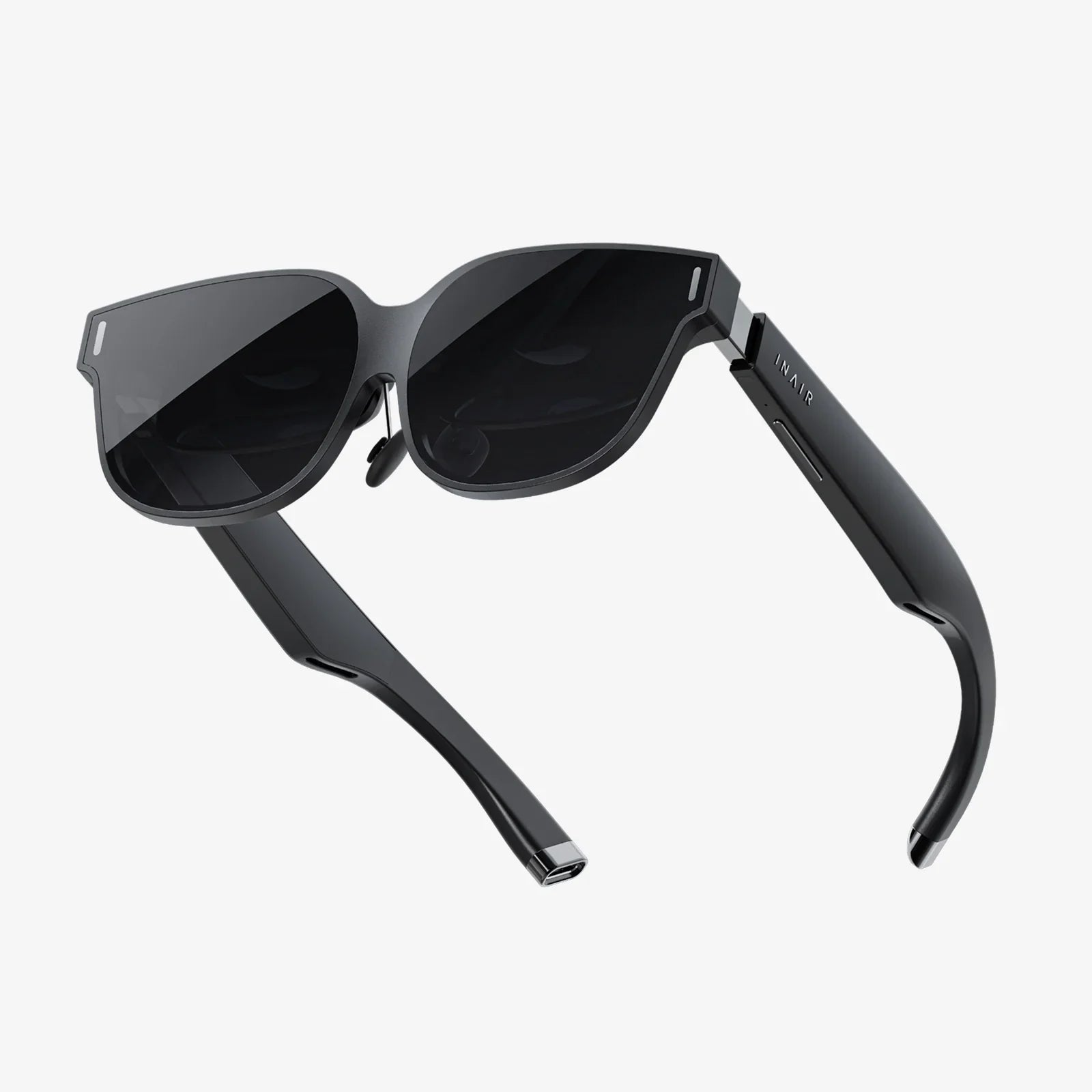
Imagine waking up, putting on a pair of smart eyeglass frames, and instantly seeing your calendar, the weather, and your morning messages floating neatly in your field of view. No phone in your hand, no laptop on your desk, just a subtle layer of digital information woven into the real world. That is the promise of smart eyeglass technology, and it is much closer to everyday reality than most people think.
As screens get smaller and our lives get busier, smart eyeglass devices are emerging as the next major shift in personal computing. They are not just a futuristic gimmick; they are a new way to see, understand, and interact with the world. If you want to know how these glasses work, what they can actually do, and whether they might be worth adopting, this deep dive will give you a clear, practical picture.
What Is a Smart Eyeglass?
A smart eyeglass is a wearable device that looks like regular eyewear but adds digital capabilities. It can display information in your field of view, connect to the internet, run apps, capture photos or video, and interact with your other devices. Think of it as a lightweight, head-mounted computer disguised as ordinary glasses.
Most smart eyeglass designs share several core elements:
- Frames and lenses: Designed to resemble traditional glasses, sometimes with prescription or tinted lenses.
- Display system: A tiny projector, micro-display, or waveguide that overlays digital content onto one or both lenses.
- Sensors: Cameras, microphones, motion sensors, and sometimes eye-tracking to understand your environment and inputs.
- Processor and storage: A small computing unit embedded in the frame to run software and store data.
- Connectivity: Wireless links such as Wi-Fi and Bluetooth to connect with phones, networks, and other devices.
- Power source: A compact battery, usually integrated into the arms of the glasses.
Underneath the stylish exterior, a smart eyeglass is essentially a wearable computer focused on delivering information in the most natural place possible: directly where you are already looking.
How Smart Eyeglass Displays Actually Work
At the heart of a smart eyeglass is the display technology that merges digital images with the real world. There are several approaches, each with different strengths and trade-offs.
Waveguide and Transparent Displays
Many smart eyeglass systems use a transparent display based on waveguide optics. A small projector or micro-display emits light into a transparent lens element. This light is guided through the lens and then directed toward the user’s eye, creating the illusion of floating images in front of the real world.
This approach allows the lenses to remain see-through while still showing text, icons, or 3D graphics. It is ideal for augmented reality experiences where digital content is layered on top of physical surroundings.
Monocular vs. Binocular Displays
Smart eyeglass devices typically use one of two display configurations:
- Monocular: A display in front of one eye only. This is often used for simple notifications, navigation, or work-related data.
- Binocular: Displays in front of both eyes, enabling more immersive augmented reality and 3D visualization.
Monocular designs can be lighter and more discreet, while binocular systems are better for rich, immersive applications like training simulations or complex visualization.
Field of View and Image Quality
Two technical factors significantly shape the user experience:
- Field of view: How much of your visual field is covered by the digital image. A narrow field of view shows a small “window” of content, while a wide field feels more immersive.
- Resolution and brightness: Higher resolution makes text and details easier to read, while adequate brightness is essential for visibility in outdoor or brightly lit environments.
Current smart eyeglass products often prioritize comfort, battery life, and subtle design over maximum field of view, but each new generation is pushing the limits of image quality and immersion.
Core Features You Can Expect in a Smart Eyeglass
While different models vary, most smart eyeglass devices share a common set of features aimed at making daily life more convenient and connected.
1. Hands-Free Notifications and Information
Smart eyeglass devices can show notifications from your phone or computer directly in your field of view. Examples include:
- Incoming calls, messages, and emails
- Calendar reminders and meeting alerts
- Navigation directions while walking, cycling, or driving
- Real-time translation or transcription
Because the information appears near your line of sight, you can stay informed without constantly reaching for a phone or glancing down at a watch.
2. Voice and Gesture Control
Most smart eyeglass interfaces rely on voice commands, subtle touch gestures on the frame, or hand movements detected by sensors. This allows you to:
- Launch apps or functions by speaking
- Scroll through notifications with a swipe on the frame
- Capture photos or video hands-free
- Interact with virtual buttons or menus in your view
The goal is to minimize friction and make interaction feel natural, especially when your hands are busy or you are on the move.
3. Cameras and Live Capture
Integrated cameras enable a range of capabilities:
- Point-of-view photo and video capture
- Live streaming for remote collaboration or social sharing
- Object recognition and contextual information overlays
- Barcode or QR code scanning for logistics and retail
Because the camera sees what you see, smart eyeglass devices are especially powerful for training, remote assistance, and documentation in professional settings.
4. Health and Activity Tracking
Some smart eyeglass designs include sensors that can track aspects of your activity or health, such as:
- Step count and movement patterns
- Head posture and ergonomics
- Eye strain indicators based on usage patterns
- Exposure to bright light or screen time
By leveraging the natural position of glasses on the face, these devices can gather unique data that other wearables may miss.
5. Integration With Existing Devices and Services
Smart eyeglass devices rarely operate in isolation. They typically sync with smartphones, laptops, and cloud services to:
- Mirror notifications and messages
- Access calendars, contacts, and files
- Control smart home devices
- Run specialized apps for navigation, fitness, or productivity
This integration allows the glasses to act as a convenient, always-available interface to your digital life.
Everyday Use Cases for Smart Eyeglass Devices
It is easy to see smart eyeglass technology as futuristic or niche, but many practical use cases are already emerging across daily life.
Smart Eyeglass in Daily Personal Life
For personal use, smart eyeglass devices can simplify routine tasks and reduce digital friction:
- Commuting: Turn-by-turn directions appear at the edge of your vision while you walk or cycle, without needing to hold a phone.
- Shopping: Shopping lists, price comparisons, or dietary notes can appear as you browse shelves.
- Fitness: Live metrics such as pace, distance, or heart rate (when linked to other sensors) can be displayed during runs or workouts.
- Travel: Real-time translation of signs or speech and instant access to itinerary details can make navigating foreign cities easier.
By keeping information accessible but unobtrusive, smart eyeglass devices can reduce the need to constantly check a phone, which may improve focus and reduce digital fatigue.
Smart Eyeglass at Work
Workplace adoption is one of the most promising areas for smart eyeglass technology. Some key professional use cases include:
- Field service and maintenance: Technicians can see step-by-step instructions, diagrams, or safety alerts while keeping their hands free to work.
- Remote assistance: Experts can see what a worker sees through the glasses and guide them in real time, reducing travel and speeding up problem resolution.
- Logistics and warehousing: Workers can receive picking lists, bin locations, and scanning prompts directly in their field of view.
- Healthcare: Clinicians may access patient data, checklists, or imaging without looking away from the patient.
- Manufacturing and quality control: Visual overlays can highlight parts, show assembly order, or flag potential defects.
In all these scenarios, the combination of hands-free operation and contextual information can significantly boost efficiency, accuracy, and safety.
Smart Eyeglass for Learning and Training
Smart eyeglass devices are also transforming how people learn:
- On-the-job training: New employees can follow visual cues and instructions without constantly referring to manuals or supervisors.
- Simulations: Augmented overlays can turn real environments into interactive training spaces.
- Education: Students can see 3D models, translations, or supplementary information layered over physical textbooks or lab equipment.
This blend of digital and physical learning can make complex concepts easier to grasp and skills faster to acquire.
Smart Eyeglass in Entertainment and Social Life
Entertainment and social experiences are also evolving with smart eyeglass technology:
- Immersive storytelling: Interactive narratives can unfold around you, with characters or clues appearing in your real environment.
- Gaming: Augmented reality games can overlay challenges, collectibles, or opponents onto your surroundings.
- Social sharing: Capture and share what you see without pulling out a phone, or receive subtle social prompts and reminders.
As content creators design experiences specifically for smart eyeglass platforms, new forms of entertainment will likely emerge that cannot be replicated on traditional screens.
Key Benefits of Using a Smart Eyeglass
Beyond novelty, smart eyeglass devices offer several tangible advantages that explain why interest in this technology keeps growing.
1. Reduced Screen Dependence
Constantly checking phones and computers can fragment attention and increase stress. Smart eyeglass devices offer a way to stay connected while reducing the need to hold or stare at a separate screen. Information appears when needed and can fade away when not.
2. Hands-Free Convenience
Because the display is mounted on your face and controlled by voice, gesture, or subtle touch, your hands remain free for other tasks. This is particularly valuable in situations where safety, hygiene, or productivity matter, such as in healthcare, construction, or busy daily routines.
3. Context-Aware Information
Smart eyeglass systems can leverage cameras, location data, and sensors to understand context and deliver relevant information at the right moment. For example:
- Showing translation when foreign text is detected
- Prompting safety checks in specific locations
- Displaying instructions when a particular machine is in view
This context-aware approach can be far more efficient than manually searching for information on a phone or computer.
4. Enhanced Accessibility
For users with certain disabilities or limitations, smart eyeglass devices can provide valuable support:
- Real-time captions for spoken conversations
- Visual alerts for sounds like alarms or doorbells
- Magnification or contrast enhancement for low vision
- Guidance cues for navigation
By integrating assistive features into everyday eyewear, smart eyeglass technology can help make the world more accessible and inclusive.
5. New Ways to Collaborate
Smart eyeglass devices enable new forms of collaboration by allowing others to see your perspective in real time. Whether you are troubleshooting machinery with a remote expert or sharing a live experience with friends, this first-person view can make communication more direct and effective.
Challenges and Concerns Around Smart Eyeglass Adoption
Despite the potential, smart eyeglass technology faces several challenges that both developers and users must take seriously.
Privacy and Surveillance
One of the biggest concerns is privacy. A smart eyeglass with a camera and microphone can potentially record people without their knowledge. This raises questions such as:
- How visible should recording indicators be?
- When and where is it appropriate to wear smart eyeglass devices?
- How is recorded data stored, encrypted, and shared?
Responsible use, clear social norms, and strong privacy controls are essential to avoid misuse and public backlash.
Security and Data Protection
Like any connected device, a smart eyeglass can be a target for hacking or unauthorized access. Risks include:
- Interception of live video or audio
- Unauthorized access to notifications or personal data
- Manipulation of displayed information
Robust security practices, regular updates, and user awareness are crucial to protect sensitive information and maintain trust in the technology.
Comfort, Design, and Social Acceptance
For a smart eyeglass to become truly mainstream, it must be comfortable, stylish, and socially acceptable. Challenges include:
- Weight distribution and long-term comfort on the nose and ears
- Battery life without bulky components
- Subtle design that does not make users feel self-conscious
As materials and miniaturization improve, smart eyeglass devices are becoming lighter and more fashionable, but design remains a key factor in adoption.
Visual Fatigue and Cognitive Load
Overlaying digital content in the real world can strain the eyes and the brain if not done carefully. Potential issues include:
- Eye fatigue from focusing on virtual images at certain distances
- Distraction from excessive or poorly timed notifications
- Motion discomfort if virtual elements do not align smoothly with head movements
Thoughtful interface design, customizable settings, and usage guidelines can help minimize these effects and keep the experience comfortable.
How to Choose the Right Smart Eyeglass for Your Needs
If you are considering adopting a smart eyeglass device, it helps to approach the decision with clear priorities. Here are key factors to evaluate.
1. Primary Purpose and Use Cases
Start by defining what you want the smart eyeglass to do:
- Are you looking for a productivity tool for work?
- Do you want navigation, notifications, and daily convenience?
- Is your focus on fitness, health, or accessibility?
- Are you interested in gaming or immersive entertainment?
Different devices emphasize different strengths. Clarifying your main use cases will help narrow down your options.
2. Display Type and Experience
Consider the kind of visual experience you want:
- Monocular vs. binocular display
- Field of view and immersion level
- Brightness for indoor vs. outdoor use
- Support for prescription lenses if needed
If possible, try a demo or sample experience to see how comfortable and natural the display feels for your eyes.
3. Comfort, Fit, and Style
Since a smart eyeglass sits on your face, comfort and appearance matter just as much as technical specifications. Pay attention to:
- Weight and weight distribution
- Adjustability of nose pads and arms
- Frame design and how it suits your face shape
- Compatibility with your personal style and environment
A device that feels awkward or looks out of place is less likely to be used consistently.
4. Battery Life and Charging
Battery life can vary widely depending on display brightness, camera usage, and processing demands. Consider:
- Typical hours of operation on a full charge
- Charging time and connector type
- Availability of portable charging cases or accessories
Think about your daily routine and whether the device can realistically keep up without constant recharging.
5. Software Ecosystem and Compatibility
The value of a smart eyeglass is heavily influenced by its software and integrations. Look at:
- Compatibility with your smartphone or computer platform
- Available apps and services that support your use cases
- Update frequency and long-term software support
An active ecosystem with regular improvements can significantly extend the usefulness of the device.
6. Privacy, Security, and Controls
Finally, examine how the device handles privacy and security:
- Clear indicators when the camera or microphone is active
- Options to disable or restrict certain sensors
- Data encryption and account protection features
- Transparency about data collection and usage
Choosing a device that aligns with your privacy expectations will make you more comfortable wearing it in public and social settings.
Future Trends Shaping Smart Eyeglass Technology
The smart eyeglass landscape is evolving rapidly, with several emerging trends likely to influence the next generation of devices.
Smaller, Lighter, and More Stylish Designs
Advances in micro-displays, battery technology, and materials are allowing manufacturers to build thinner, lighter frames that look increasingly like regular glasses. Over time, the goal is for smart eyeglass devices to become almost indistinguishable from traditional eyewear at a glance.
Improved Augmented Reality Capabilities
As processing power and display quality improve, smart eyeglass devices will support more sophisticated augmented reality features, such as:
- More accurate mapping of physical spaces
- Realistic 3D objects anchored to real-world surfaces
- Multi-user shared augmented experiences
This will open up new possibilities in areas like collaborative design, interactive education, and location-based entertainment.
AI-Driven Contextual Assistance
Artificial intelligence will play an increasingly central role in smart eyeglass functionality. Future devices may:
- Automatically highlight relevant information based on what you are looking at
- Summarize notifications and messages into concise, timely prompts
- Provide proactive guidance for tasks, navigation, or learning
By understanding context more deeply, smart eyeglass systems can become more helpful while remaining unobtrusive.
Deeper Integration With Health and Wellness
As sensor technology advances, smart eyeglass devices may gain more health-focused capabilities, such as:
- Monitoring eye strain and suggesting breaks
- Tracking posture and head position to reduce neck and back issues
- Integrating with other health wearables for more complete insights
This could turn everyday eyewear into a subtle but powerful health companion.
Practical Tips for Getting Started With a Smart Eyeglass
If you decide to experiment with smart eyeglass technology, a thoughtful approach can help you get the most out of the experience.
Set Clear Boundaries and Expectations
Before wearing a smart eyeglass regularly, decide how and when you want to use it. For example:
- Limit usage to specific tasks such as navigation or workouts
- Disable the camera in certain environments
- Turn off non-essential notifications to avoid overload
Clear boundaries will help you enjoy the benefits without feeling constantly “on.”
Customize Notifications and Layout
Take time to fine-tune what appears in your field of view:
- Prioritize critical alerts such as calls from key contacts or important meetings
- Reduce or disable low-value notifications
- Adjust brightness, font size, and display position for comfort
Thoughtful customization can dramatically improve usability and reduce distraction.
Practice Safe and Respectful Use
Smart eyeglass devices should be used with awareness of surroundings and social norms:
- Avoid interacting with complex interfaces while driving or in hazardous environments
- Respect privacy by informing people if you are recording
- Follow workplace policies and local regulations on wearable devices
Responsible use will help build trust and acceptance around the technology.
Give Yourself Time to Adjust
Using a smart eyeglass can feel unusual at first. Allow a gradual adaptation period:
- Start with short sessions and simple use cases
- Notice any eye strain or discomfort and adjust settings accordingly
- Experiment with different apps and features to discover what truly adds value
Over time, the combination of physical comfort and digital convenience can become surprisingly natural.
Smart eyeglass technology is moving from science fiction to everyday reality, and early adopters are already discovering how it can reshape the way they work, learn, and live. Whether you are drawn by the idea of hands-free navigation, real-time translation, workplace efficiency, or simply spending less time staring down at a phone, there is likely a smart eyeglass experience that fits your needs. As designs become more stylish, software becomes smarter, and privacy protections mature, these devices are poised to become the next screen that quietly replaces many of the others in your life. If you are curious, now is an ideal time to start exploring what it feels like to see your world through a smarter lens.
共有:
Virtual Offices: The Modern Blueprint For Flexible, Smart Workspaces
Smart Glasses And The Next Wave Of Everyday Augmented Reality