


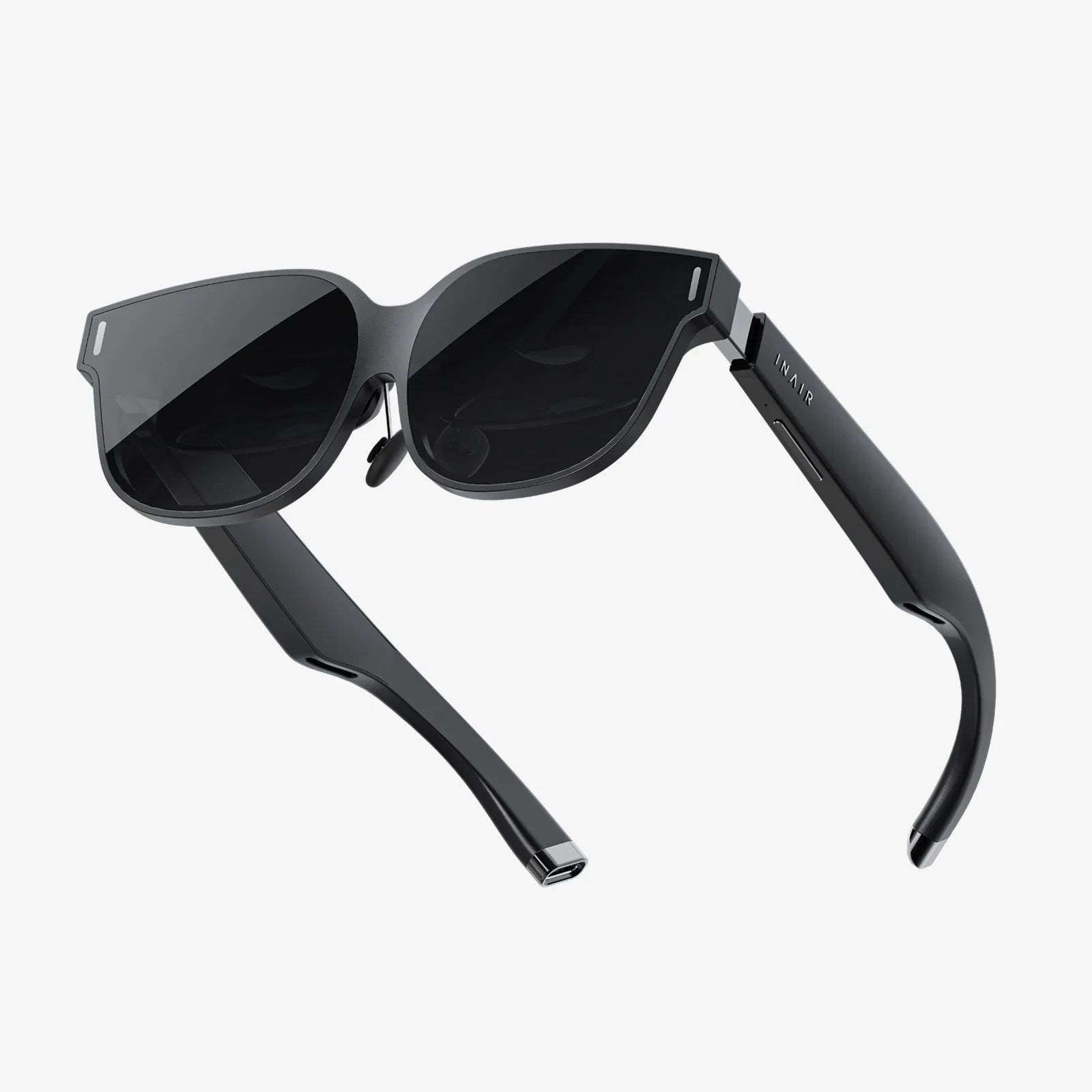
- by wangfred
smartglass windows for modern homes and offices
- by wangfred
smartglass windows are quietly reshaping how people think about comfort, privacy, and style in both homes and offices, and if you have ever wished your glass could adapt to light, heat, or curious neighbors at the touch of a button, you are exactly the kind of person this technology is built for.
At their core, smartglass windows are panes of glass that can change their properties on demand or automatically. They can switch from clear to frosted, darken to reduce glare, help regulate indoor temperature, and even integrate with automation systems. Instead of treating windows as fixed, passive surfaces, smartglass transforms them into active elements of your building that respond to you and the environment.
smartglass windows are glazing systems that can alter their appearance or performance when stimulated by electricity, light, or heat. This adaptability allows them to control privacy, daylight, and solar heat gain without mechanical blinds or shades.
While there are several underlying technologies, they all revolve around the same idea: a special layer inside the glass changes its behavior when triggered. Understanding the main types helps you make better choices for your project.
Different smartglass windows rely on different scientific principles, but they all aim to give you control over transparency and light.
Electrochromic smartglass darkens or lightens when a low electrical voltage is applied. Ions move within thin layers inside the glass, changing how much light and heat can pass through. It is particularly useful for:
Electrochromic glass typically changes tint gradually over several minutes, which can be ideal for comfort but is not instant.
SPD smartglass contains microscopic particles suspended in a liquid or film. When no voltage is applied, the particles are randomly oriented and block light, making the glass appear dark or opaque. When voltage is applied, the particles align, allowing light to pass through.
This technology is known for fast switching speeds and is often chosen when quick response and variable shading are priorities. It can shift from very dark to clear in seconds, making it well suited for spaces that need dynamic light control.
PDLC smartglass uses droplets of liquid crystal embedded in a polymer layer. Without electricity, the droplets scatter light, creating a frosted or translucent appearance that preserves privacy while still letting in diffuse light. When powered, the liquid crystals align, turning the glass transparent.
PDLC is especially popular for interior partitions, bathroom windows, meeting rooms, and any area where instant privacy is important. Switching is usually very fast, often within a fraction of a second.
These types of smartglass respond automatically to temperature or light levels rather than electrical control.
Because they do not need wiring or power, they can be simpler to install, but they offer less precise control than electrically switched smartglass windows.
smartglass windows offer a combination of functional and aesthetic advantages that standard glazing cannot match. For many homeowners, architects, and facility managers, these benefits are the main reasons to invest in the technology.
One of the most compelling advantages is instant privacy. With PDLC or similar technologies, you can switch from clear to frosted glass with a wall switch, remote, or automation system.
Use cases include:
Because the glass scatters light when opaque, rooms do not feel like dark boxes even when privacy is activated.
smartglass windows can play a significant role in reducing energy consumption and improving indoor comfort. By modulating how much solar heat and visible light enter the building, they help:
In commercial buildings with large glass facades, the ability to automatically tint windows based on sun position and heat can translate into noticeable savings on air conditioning and lighting.
Traditional blinds, shades, and curtains can clutter the look of a space and collect dust. smartglass windows keep the lines clean and minimal. The shading or privacy function is built into the glass itself, allowing architects and interior designers to emphasize openness and transparency without sacrificing control.
Design advantages include:
In modern and minimalist interiors, this simplicity is often a key selling point.
Because many smartglass windows are electrically controlled, they integrate naturally with automation systems. You can connect them to:
This integration allows you to create scenes and schedules. For example, windows can gradually tint as the sun moves across the sky, or interior partitions can turn opaque automatically when a meeting starts.
smartglass windows make it easier to rely on daylight instead of artificial lighting. By reducing glare and controlling privacy without blocking light, they encourage more frequent use of natural illumination.
This can have several positive effects:
In workplaces, better daylighting has been associated with increased productivity and comfort.
While smartglass can be used almost anywhere glass is used, certain applications highlight its strengths more clearly than others. Thinking through your own spaces in these categories can help you identify opportunities.
In homes, smartglass windows can solve common problems while adding a sense of luxury and convenience.
Bathrooms often struggle with the trade-off between privacy and daylight. Frosted glass provides privacy but permanently blocks views. smartglass windows allow homeowners to enjoy clear glass when privacy is not a concern and switch to frosted at the press of a button.
They are particularly useful for:
The ability to quickly switch states also makes it easier to adapt the space for guests.
Large windows in bedrooms and living rooms create bright, inviting spaces but can raise concerns about privacy and heat gain. smartglass windows can help by:
For homes in dense urban environments or close to neighboring properties, this flexibility can improve comfort without resorting to heavy curtains.
As more people work from home, managing glare on screens and creating quiet, focused spaces is increasingly important. smartglass windows and partitions can turn a bright, open area into a private office or media room when needed.
Benefits include:
This adaptability supports multi-purpose rooms, which is valuable in smaller homes or apartments.
In commercial settings, smartglass windows often deliver both functional and symbolic value. They signal modernity and innovation while addressing real operational challenges.
Glass-walled meeting rooms are popular for transparency and openness, but they can compromise privacy. smartglass partitions allow spaces to be visually open when not in use and instantly private during meetings.
Typical uses include:
This approach maintains a sense of openness in the office while giving occupants more control.
Open-plan offices benefit from natural light and collaboration, but they also face issues with noise and visual distractions. smartglass partitions can help define zones without making the space feel chopped up.
For example:
By adjusting transparency, organizations can fine-tune how open or private different areas feel throughout the day.
Hospitals, clinics, hotels, and wellness facilities can use smartglass windows to balance privacy, hygiene, and comfort.
Examples include:
Because smartglass is easier to clean than fabric curtains and blinds, it can support hygiene and maintenance goals as well.
Before committing to smartglass windows, it is important to think beyond the technology itself and consider how they fit into the broader design and performance requirements of your project.
The best type of smartglass depends on your priorities. Some key questions to ask include:
For instance, PDLC is typically preferred for interior partitions where privacy is the priority, whereas electrochromic glass may be chosen for exterior windows where dynamic solar control is critical.
Electrically switchable smartglass windows require careful planning for wiring and controls. Consider:
In renovation projects, retrofitting wiring can be more complex, so early coordination with electricians and integrators is essential.
Like any glazing, smartglass windows should be evaluated based on performance metrics such as:
Reviewing these values helps ensure the smartglass contributes to comfort and energy goals rather than just serving as a visual feature.
smartglass windows contain electronic and chemical components that must withstand everyday use, cleaning, and environmental conditions. When planning a project, it is wise to understand:
Proper installation and handling are critical to avoid damaging the smart layers, especially at edges and connection points.
smartglass windows typically cost more upfront than standard glazing, but they can create value in ways that extend beyond direct energy savings.
The installed cost depends on factors such as:
Because pricing can vary widely, it is usually necessary to obtain project-specific quotes for accurate budgeting.
Potential savings come from several sources:
In commercial environments, there may also be indirect financial benefits from improved employee comfort and productivity.
Some of the most compelling advantages of smartglass windows are harder to quantify but still significant:
These factors can influence property value, tenant satisfaction, and brand perception, particularly in high-profile residential and commercial projects.
When you move from concept to implementation, a few practical steps can make the process smoother and help you achieve better results.
Before choosing products or technologies, define what you want smartglass windows to accomplish. Common goals include:
Clear priorities help guide decisions about technology type, control strategies, and budget allocation.
smartglass windows touch multiple disciplines: architecture, interior design, electrical, mechanical, and automation. Early coordination helps avoid conflicts and surprises.
Key discussions should cover:
Mock-ups or sample installations can also be helpful for evaluating appearance and performance in real conditions.
Even the most advanced smartglass windows are only valuable if people know how to use them. For larger projects, it is wise to consider:
In homes, this may mean integrating smartglass controls with familiar interfaces. In offices, it might involve brief orientations for employees or tenants.
The field of smartglass is evolving quickly, and the capabilities available today are likely to expand in the coming years. Keeping an eye on emerging trends can help you plan for longevity and adaptability.
Research and development are focused on improving switching speeds, expanding the range of tints, and offering more neutral color tones. As technology matures, smartglass windows are expected to provide:
This will make them even more attractive for demanding architectural applications.
As buildings become smarter, smartglass windows will increasingly be part of integrated systems that coordinate lighting, shading, heating, cooling, and occupancy.
Future scenarios may include:
This level of integration can further enhance energy performance and occupant comfort.
Developers are exploring ways to combine smartglass behavior with other features, such as:
These multifunctional solutions could turn smartglass windows into platforms for communication, branding, and enhanced safety, not just privacy and shading.
Choosing smartglass windows is ultimately about aligning technology with your needs, budget, and vision for the space. For some projects, they will be a transformative feature that elevates comfort, efficiency, and design. For others, they may be an aspirational upgrade to consider in future phases.
If you find yourself constantly fighting glare, drawing blinds for privacy, or wishing your windows could do more than simply stay clear, smartglass offers a way to turn glass into an active partner in how you live and work. By understanding the different technologies, evaluating the benefits and trade-offs, and planning carefully with your project team, you can decide whether this evolving technology deserves a place in your next renovation or new build.
The most compelling aspect of smartglass windows is not just their ability to switch from clear to opaque, but the way they invite you to rethink what a window can be: not a fixed opening in a wall, but a responsive surface that adapts with you, your schedule, and your environment, making every room more intelligent, more comfortable, and more uniquely your own.
Share:
mr glass unbreakable: The Hidden Science of Shatter-Proof Glass
Gaming Glasses: The Complete 2025 Guide to Safer, Sharper Play