


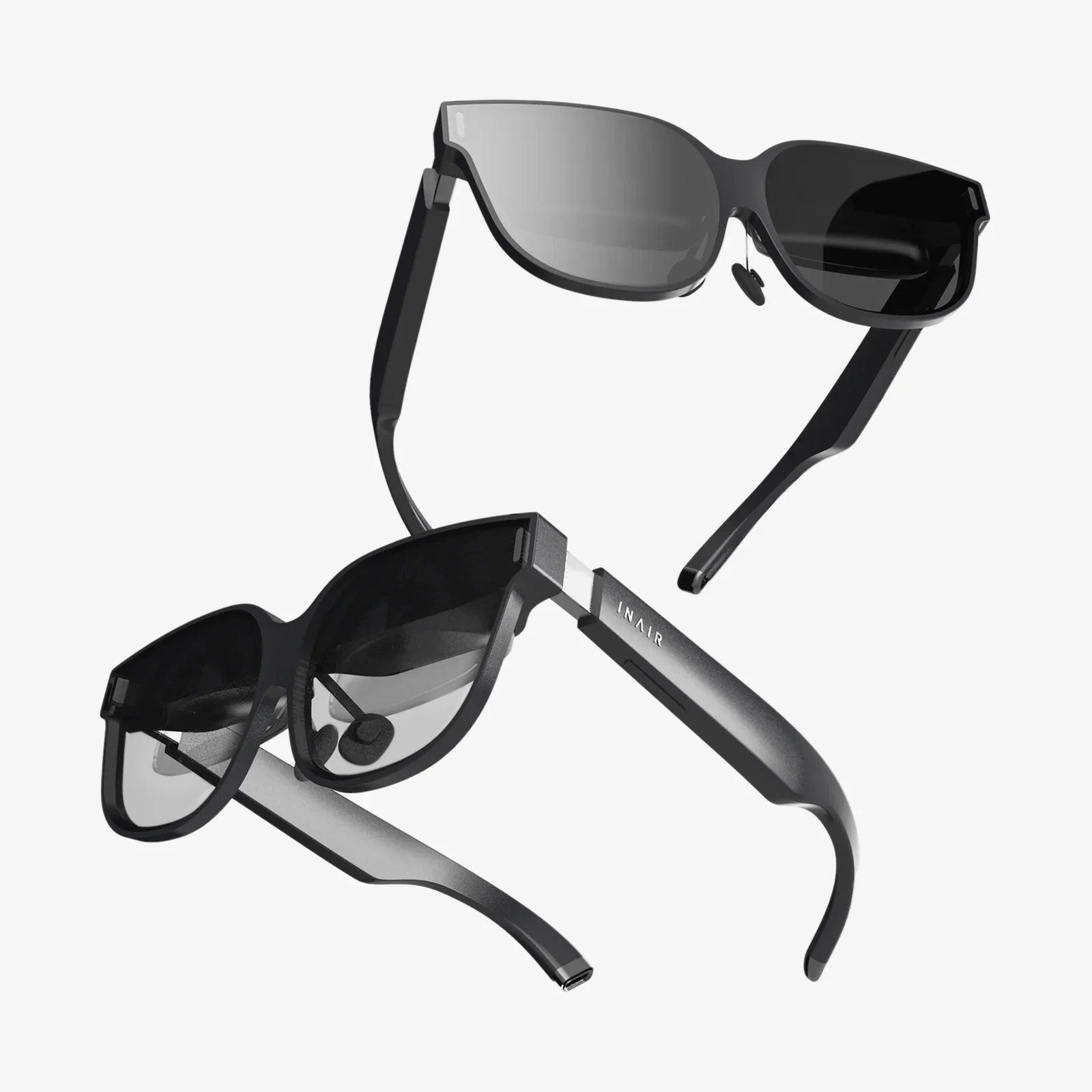
Snap Spectacles are quietly redefining how we see, capture, and augment the world, and most people still underestimate what that really means. These glasses are not just another gadget; they are a glimpse into a future where digital layers blend so smoothly with reality that you barely notice the transition. If you have ever wished you could share exactly what you see, in the moment you see it, or interact with virtual objects that feel anchored in your physical space, then understanding the potential of Snap Spectacles is essential.
What Are Snap Spectacles, Really?
At first glance, Snap Spectacles look like a stylish pair of glasses with built‑in cameras. But beneath that simple description lies a powerful concept: wearable augmented reality and hands‑free capture integrated into something you can wear all day. Instead of pulling out a phone, framing a shot, and breaking eye contact with your environment, you just tap your glasses and keep living the moment.
Over successive generations, the idea has evolved from simple video‑recording eyewear into more advanced glasses with displays, sensors, and AR capabilities. The goal is not just to record what you see, but to enhance it with digital information, effects, and experiences that feel natural and intuitive.
Why Snap Spectacles Matter In The Wearable Tech Landscape
Wearable technology has long promised to integrate digital tools seamlessly into daily life. Fitness trackers count steps, smartwatches mirror phone notifications, and wireless earbuds keep audio always within reach. Snap Spectacles add a new dimension: visual augmentation and effortless storytelling.
They matter for several reasons:
- Hands‑free creativity: You can capture photos and videos without holding a device, ideal for activities where your hands are busy.
- First‑person perspective: Viewers see the world exactly from your point of view, creating more immersive content.
- AR experimentation: Newer versions with displays and sensors allow developers and creators to test how digital objects can overlay the real world.
- Social storytelling: Instead of staged photos, you get authentic, in‑the‑moment clips that reflect real experiences.
These glasses sit at the intersection of social media, augmented reality, and wearable fashion, making them a key player in how the next decade of personal tech might unfold.
The Evolution Of Snap Spectacles
The story of Snap Spectacles is one of experimentation and iteration. Early models were focused almost entirely on recording short circular videos that could be posted to social platforms. They were playful, colorful, and designed for casual use at the beach, on a road trip, or at a party.
As the concept matured, the focus expanded beyond simple video capture:
- Improved cameras: Higher image quality, better low‑light performance, and more natural colors.
- Water‑resistant designs: Allowing more freedom to capture life without worrying about splashes.
- Photo support: Not just video; still images became part of the experience.
- AR‑capable models: Some versions introduced displays and advanced sensors to enable augmented reality overlays.
With each generation, the glasses moved closer to the vision of everyday AR eyewear: stylish frames that let you see digital content anchored in the physical world, without feeling like you are wearing a computer on your face.
How Snap Spectacles Work: Core Features And Technology
Under the hood, Snap Spectacles rely on a combination of cameras, microphones, processors, wireless connectivity, and sometimes displays or waveguides in the lenses. While exact specifications vary by model, the core ideas remain consistent.
Camera And Audio Capture
The cameras are positioned near the lenses, roughly aligned with your eyes. This placement allows the footage to feel natural and true to your perspective. When you tap a button on the frame, the glasses record a short clip or snap a photo. Built‑in microphones capture ambient sound, preserving the atmosphere of the moment.
Wireless Syncing
After recording, the content syncs wirelessly to your phone. From there, you can edit, add filters or AR effects, and share. This flow keeps the glasses simple and lightweight while leveraging the processing power and storage of your smartphone.
Augmented Reality Displays
In AR‑enabled versions, the lenses act as transparent displays. Tiny projectors or waveguides direct light into your eyes in a way that makes digital objects seem like they are floating in front of you, anchored to the real environment. Sensors such as accelerometers, gyroscopes, and sometimes depth‑sensing cameras help the system understand the world’s geometry and your head movements.
Snap Spectacles As A Tool For Creators
For content creators, Snap Spectacles unlock a unique style of storytelling. Instead of setting up shots, you simply live the moment and let the glasses capture it. This leads to more authentic, dynamic footage that feels like a memory rather than a staged scene.
Immersive First‑Person Storytelling
Imagine a day in the life vlog filmed entirely from your perspective: walking through a bustling city, cooking dinner, biking along a trail. The viewer sees what you see, hears what you hear, and feels more present in your world. This creates a powerful sense of connection that is hard to replicate with traditional camera setups.
Capturing Action Without Distraction
Activities like skateboarding, hiking, dancing, or playing an instrument are easier to film hands‑free. You do not need to mount a camera to your body or hold a phone; the glasses follow your natural line of sight. This is especially valuable for creators who want to stay in the flow of their activity without constantly thinking about framing shots.
Experimenting With AR Effects
For those working with augmented reality, Snap Spectacles can act as a testing ground for interactive lenses and filters that respond to the environment. Developers can see how virtual objects appear in real spaces, how they move as the wearer turns their head, and how intuitive the interactions feel.
Everyday Use Cases: How People Can Use Snap Spectacles
Beyond professional creators, ordinary users can find many practical and fun uses for Snap Spectacles. These glasses are built to integrate into daily life, not just special events.
Travel And Exploration
While exploring a new city or hiking through nature, you can capture the experience without constantly pulling out a phone. The resulting clips feel like memories from your own eyes, making them ideal for personal archives or travel diaries.
Family Moments And Events
Parents can record their child’s first steps, school performances, or family gatherings while still being fully present. Instead of watching through a screen, they participate in the moment and let the glasses quietly record.
Sports And Fitness
Jogging, cycling, or training sessions can be documented effortlessly. You can analyze your form, share your progress, or simply relive the experience later. For group activities, the first‑person perspective adds a sense of immersion that traditional footage often lacks.
Creative Hobbies
Artists, chefs, makers, and hobbyists can show their process from their own viewpoint. Viewers see the canvas, cutting board, workbench, or instrument as if they were the ones creating. This makes tutorials and behind‑the‑scenes content more engaging and instructive.
Augmented Reality And The Future Of Snap Spectacles
The most exciting aspect of Snap Spectacles is their role in the broader evolution of augmented reality. AR is shifting from something we experience through phone screens to something woven directly into our field of view.
From Filters To Spatial Experiences
Many people associate AR with playful filters and face effects, but the technology is capable of much more. With AR glasses, digital content can be spatially aware, meaning it understands surfaces, depth, and movement. You might see virtual art hanging on a real wall, navigation arrows on the sidewalk, or floating notes hovering near objects.
Social AR And Shared Spaces
Snap Spectacles can help enable social AR experiences where multiple people see the same virtual content in the same physical location. Imagine friends viewing a shared digital mural on a building, or collaborating on an interactive game anchored to a park bench. This blend of digital and physical social spaces opens new creative and communal possibilities.
Contextual Information In Real Time
As AR matures, Snap Spectacles could provide contextual information about what you are seeing: translations of signs, overlays of event details, or subtle prompts that help you navigate unfamiliar environments. The key is to deliver useful information without overwhelming the wearer or breaking immersion.
Design, Comfort, And Fashion Considerations
One of the biggest challenges for any smart glasses is making them something people actually want to wear. Snap Spectacles have placed considerable emphasis on design, aiming for frames that resemble regular eyewear more than futuristic headsets.
Style And Personal Expression
Different frame shapes, colors, and lens tints allow users to choose a style that fits their personality. This matters because glasses are a visible part of your identity. If they look too bulky or tech‑heavy, people may feel self‑conscious wearing them in public.
Comfort For All‑Day Wear
Weight distribution, nose pads, and temple design are crucial for comfort. The goal is to make the glasses feel no more intrusive than a standard pair of prescription or sunglasses. If they pinch, slip, or feel heavy, adoption suffers.
Subtle Indicators
When recording, small lights or indicators let others know the camera is active. This transparency is not only a privacy measure but also a design element that communicates the device’s function without shouting it.
Privacy And Ethical Considerations
Any wearable camera raises important questions about privacy, and Snap Spectacles are no exception. Responsible use is essential for building trust and ensuring that the technology enhances life rather than causing discomfort.
Visible Recording Indicators
Most versions of Snap Spectacles include visible lights that turn on when recording starts. This gives people around you a clear signal that they may be on camera, which is crucial in social situations, workplaces, or public spaces.
Respecting Boundaries
Users should be mindful of where and when they record. Sensitive locations, private conversations, and areas with posted restrictions deserve extra care. Asking permission before recording others closely is not just polite; it is a way to normalize respectful norms around wearable cameras.
Data Security
Like any connected device, Snap Spectacles rely on wireless transfer and digital storage. Users should take basic precautions such as securing their phones, using strong passwords, and being aware of where their content is stored and shared. Understanding app settings and permissions helps maintain control over personal data.
Comparing Snap Spectacles To Traditional Cameras And Phones
To understand the unique value of Snap Spectacles, it helps to compare them with tools most people already use: smartphones and dedicated cameras.
Advantages Over Smartphones
- Hands‑free operation: You can keep both hands free for activities, which is crucial for sports, cooking, or creative work.
- Natural perspective: Footage aligns with your gaze, making it feel more immersive and less staged.
- Less disruption: You stay engaged in the moment instead of constantly pulling out a phone.
Differences From Action Cameras
- Everyday wearability: Glasses are more socially acceptable for daily use than head‑mounted action cameras.
- Casual, social focus: Snap Spectacles prioritize quick, shareable clips over long‑form, highly edited footage.
- AR potential: While some action cameras experiment with overlays, smart glasses are better positioned for true AR experiences.
Snap Spectacles do not replace professional cameras or phones; instead, they add a new layer to the toolkit, ideal for spontaneous, first‑person moments and experimental AR.
Challenges And Limitations Of Snap Spectacles
Despite their promise, Snap Spectacles face several challenges that shape how quickly and widely they can be adopted.
Battery Life And Performance
Fitting cameras, processors, and wireless radios into a lightweight frame inevitably limits battery capacity. Users may find that heavy recording drains the battery faster than expected, especially with AR features active. Balancing performance, heat, and battery life is an ongoing engineering puzzle.
Display Brightness And Clarity
For AR‑enabled models, making digital overlays visible in bright sunlight while keeping them subtle indoors is difficult. Displays must be bright, clear, and comfortable for prolonged viewing. If the visuals are too dim or washed out, the experience suffers.
Social Acceptance
Some people remain wary of wearable cameras, fearing constant surveillance or unwanted recording. Building social norms, clear indicators, and responsible use practices will be key to broader acceptance. Over time, as more people become familiar with the technology, this discomfort may fade, but it is a real hurdle.
Cost And Accessibility
Advanced smart glasses are more complex and expensive than basic eyewear or simple accessories. For many users, they are still a luxury or experimental purchase rather than an everyday essential. As components become cheaper and more efficient, future versions may become more accessible.
Opportunities For Developers And AR Designers
Snap Spectacles are not just for end users; they are also a playground for developers and AR designers who want to shape the future of immersive computing.
Creating Spatial Lenses And Experiences
Developers can build AR experiences that respond to head movement, location, and environmental cues. This might include interactive games anchored to physical spaces, educational overlays that explain objects in view, or creative tools that let users paint in 3D space.
Prototyping Everyday AR Workflows
Designers can experiment with how people might use AR in daily tasks: checking to‑do lists in their field of view, seeing subtle navigation hints, or receiving contextual reminders. By observing real‑world use, they can refine interfaces to be less distracting and more helpful.
Exploring New Interaction Models
Snap Spectacles encourage rethinking how we interact with digital content. Instead of tapping screens, users might rely on gestures, voice commands, or gaze. Developers can explore which combinations feel most natural and least intrusive for different scenarios.
Potential Professional And Enterprise Uses
While Snap Spectacles are often seen as consumer‑oriented, the underlying concept has clear potential in professional and enterprise contexts.
Remote Collaboration And Training
Workers wearing smart glasses can share what they see with remote experts, who guide them through repairs, inspections, or installations. The first‑person view reduces misunderstandings and speeds up problem‑solving.
Field Documentation
Inspectors, surveyors, and technicians can record visual documentation hands‑free, creating accurate records of site conditions, equipment states, or safety checks. This can improve compliance and reduce paperwork.
Creative Industries
Directors, choreographers, and designers can use first‑person recordings to review rehearsals, stage layouts, or design iterations from the perspective of participants. AR overlays can help visualize changes or annotate scenes.
How To Decide If Snap Spectacles Are Right For You
Not everyone needs smart glasses, but for some people, they can be transformative. Deciding whether Snap Spectacles fit your life comes down to a few key questions.
- Do you create or share visual content regularly? If you enjoy documenting your life, hobbies, or work, the first‑person perspective can add a fresh dimension.
- Do you value staying in the moment? If you dislike constantly reaching for your phone but still want to capture memories, hands‑free recording may appeal to you.
- Are you curious about AR? If you want to explore the future of augmented reality and see how digital content can blend with your surroundings, AR‑capable models offer a unique window into that world.
- Are you comfortable with wearable cameras? You should be ready to handle conversations about privacy and use the glasses respectfully.
By weighing these factors, you can decide whether Snap Spectacles align with your lifestyle, creative goals, and comfort level.
The Road Ahead For Snap Spectacles And AR Glasses
Snap Spectacles represent an important step toward a future where glasses do more than correct vision or block sunlight. They hint at a world where digital content is ever‑present yet unobtrusive, where capturing memories is as natural as blinking, and where information quietly appears when you need it.
Future iterations will likely bring lighter frames, longer battery life, sharper displays, and more intuitive interfaces. As the broader AR ecosystem matures, these glasses could become hubs for navigation, communication, entertainment, and productivity, all while preserving the simple act of looking at the world.
For now, Snap Spectacles offer an early taste of that future. They let you share life from your own eyes, experiment with augmented reality, and rethink what it means to wear technology on your face. If you are curious about where visual computing is headed, paying attention to the evolution of these glasses might be one of the most rewarding tech decisions you make in the coming years.
共有:
try on glasses virtually to Find Frames That Truly Fit You
try on glasses virtually to Find Frames That Truly Fit You