


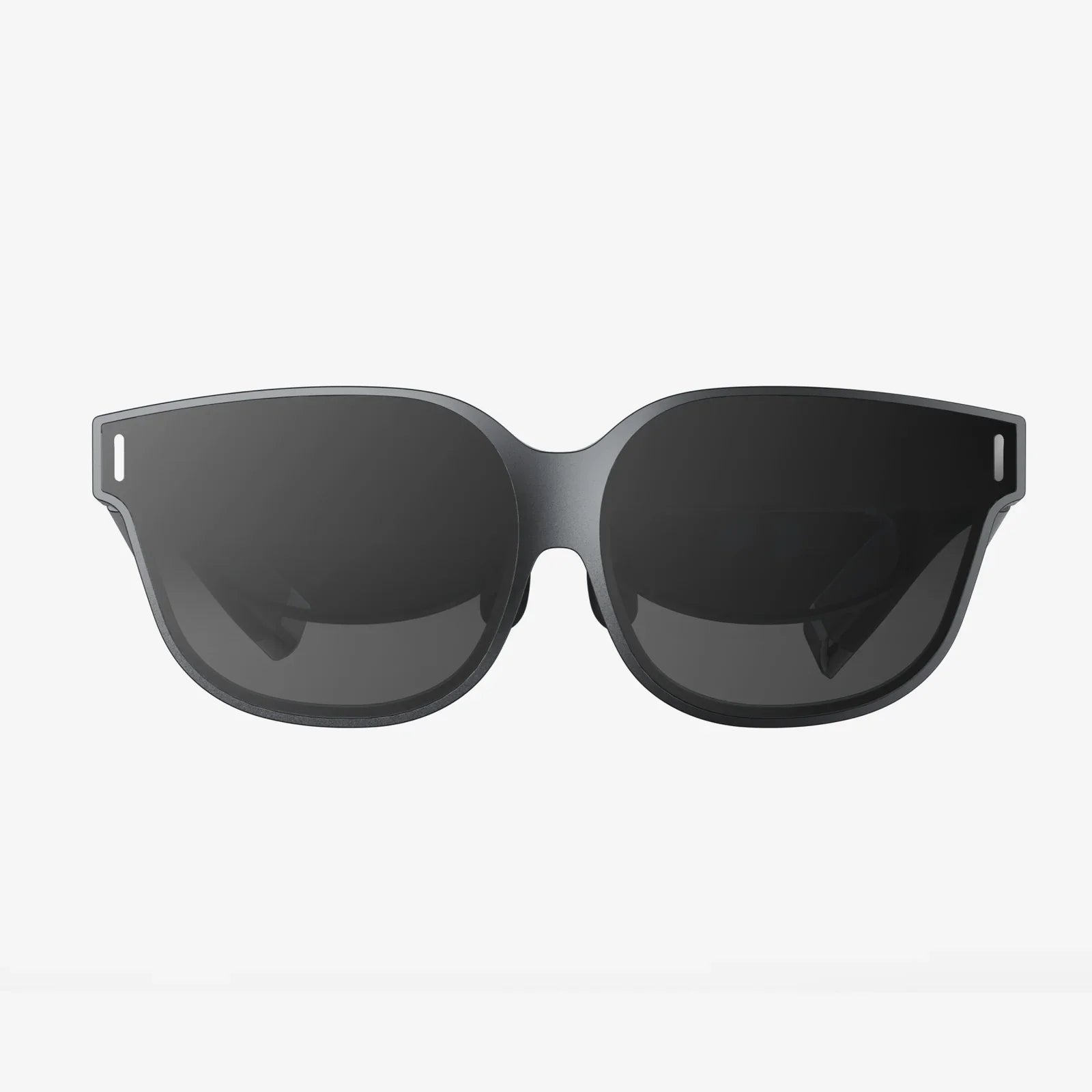
- by wangfred
Valve Is Reportedly Announcing Its New VR Headset Soon: What You Need To Know
- by wangfred
Valve is reportedly announcing its new VR headset soon, and that single rumor is already sending shockwaves through the gaming community. Whenever this company moves in virtual reality, expectations skyrocket: deeper immersion, smarter hardware, and bold decisions that tend to push the whole industry forward. If you have ever wondered when VR would get its next big leap, this might be the moment you have been waiting for.
As speculation grows, so do the questions. Will this new device be tethered to a powerful PC, or will it run games on its own? Will it focus on hardcore simulation fans, or try to win over everyday players who want easy, wireless VR? And most importantly, how could this headset redefine what we expect from virtual worlds over the next five years?
The fact that Valve is reportedly announcing its new VR headset soon could not come at a more critical time for the industry. Virtual reality has slowly moved from niche experiment to mainstream curiosity, but it still has not fully broken through to become a must-have device in every gamer’s setup. Many people are interested, but hesitant: the cost, the complexity, and the question of long-term support often hold them back.
That is where Valve’s reputation changes the equation. This is a company known for long-term platform support, deep integration with PC gaming, and a track record of turning bold hardware bets into influential ecosystems. When such a player is rumored to be preparing a new headset, it signals that VR is not just surviving; it is evolving.
On top of that, the timing lines up with several industry trends:
All of this creates the perfect storm for a flagship device that could redefine expectations across the VR landscape.
While nothing is officially confirmed, the ongoing conversation around this hardware points to a headset that aims to blend the strengths of PC VR with the convenience of standalone headsets. The phrase “next-generation VR” gets thrown around a lot, but in this context it likely means a few key things:
Some rumors suggest that Valve is experimenting with onboard processing, which would allow the headset to run certain experiences without a PC. Others point to a strong focus on PC integration, ensuring that high-end VR titles can run at full fidelity using desktop GPUs. The most likely scenario is a hybrid approach: a headset that can do some things on its own, but really shines when paired with a powerful PC.
Any time a new VR headset is on the horizon, display technology takes center stage. If Valve is preparing a major new device, it will almost certainly push forward in several display-related areas:
One of the biggest barriers to immersion has always been the “screen door effect” and visible pixelation. Modern headsets have already reduced this significantly, but there is still room for improvement. A new Valve headset would likely feature:
Comfort in VR depends heavily on smooth motion. Low refresh rates or inconsistent frame delivery can cause discomfort or motion sickness. A new flagship headset would likely aim for:
These improvements may not sound flashy on paper, but in practice they make VR worlds feel more solid, more stable, and far easier to inhabit for long stretches of time.
Visuals are only half the equation. The other half is how you move and interact inside virtual space. The rumors around this new headset suggest a continued evolution in tracking and input.
Earlier PC VR systems often relied on external sensors or base stations placed around the room to track movement. While extremely accurate, they added complexity and limited portability. The industry trend has clearly shifted toward inside-out tracking, where cameras on the headset itself track your position and controllers.
If Valve is following this trend, the new device could offer:
Hand presence is critical to immersion. When your virtual hands feel like extensions of your real ones, everything in VR becomes more believable. Valve has already shown that it cares deeply about natural hand interaction, so a new headset could push this even further.
Potential controller improvements might include:
There is also the possibility of more robust hand-tracking without controllers, using the headset’s onboard cameras. While this technology is still evolving, it is particularly compelling for social VR, creative tools, and casual experiences where holding controllers is not always ideal.
One of the biggest questions surrounding the rumor that Valve is reportedly announcing its new VR headset soon is whether the device will be primarily standalone, primarily PC-based, or a true hybrid.
Standalone VR has one major selling point: convenience. You put the headset on, pick up the controllers, and you are in. No cables, no PC configuration, no worrying about GPU drivers. That ease of use has helped standalone headsets reach audiences that traditional PC VR never could.
If Valve chooses to include onboard processing, potential benefits might include:
On the other hand, PC VR still delivers the highest-fidelity experiences. High-end GPUs can render detailed worlds with advanced lighting, large draw distances, and complex physics. For simulation fans, modders, and competitive players, PC VR remains the gold standard.
A new Valve headset that leans into PC VR could offer:
The most exciting possibility is a hybrid design: a headset capable of running lighter experiences on its own, while also connecting to a PC (wired or wirelessly) for high-end games. This would give users flexibility without forcing them to choose one ecosystem over another.
Such a device could support:
If Valve executes this correctly, it could create a headset that appeals both to enthusiasts who already own powerful PCs and to newcomers who want something that just works out of the box.
Hardware specs get the headlines, but comfort determines whether people actually use VR regularly. A headset can have the best display in the world, but if it feels heavy, unbalanced, or awkward, it will end up gathering dust on a shelf.
With a new generation device, you can reasonably expect improvements in:
Valve has historically paid attention to these details, and a new headset would likely introduce refinements based on years of feedback from gamers, developers, and VR arcades.
The rumor that Valve is reportedly announcing its new VR headset soon is not just about hardware; it is about how that hardware might reshape the VR gaming landscape over the next decade.
When a major platform holder launches a new device, it usually comes with flagship software: games or experiences designed to show what the hardware can really do. In VR, that often means:
A new Valve headset, combined with its existing game platform, could encourage developers to invest in more ambitious VR projects. Knowing that a powerful, well-supported device is entering the market gives studios confidence that their work will find an audience.
VR is inherently social. Even simple cooperative games feel different when you can look someone in the eye, read their body language, and share a virtual space together. If Valve’s new headset emphasizes ease of use and reliable networking, it could spark a wave of new social experiences.
Imagine:
By tying these experiences into an established PC gaming ecosystem, Valve could help blur the line between traditional gaming and VR social spaces.
Whenever a major new headset appears, developers have to decide how much to invest in supporting it. The rumor that Valve is reportedly announcing its new VR headset soon is particularly important for studios that already build PC games or have experimented with VR in the past.
Key implications for developers include:
If Valve provides strong documentation, robust support, and clear performance targets for its new headset, it could lower the barrier to entry for smaller studios and independent developers.
Competitive gaming in VR is still relatively young, but it has enormous potential. Fast reaction times, precise aiming, and spatial awareness all take on new dimensions when your entire body is part of the control scheme.
A new Valve headset could accelerate VR esports in several ways:
If the new device integrates tightly with existing PC-based competitive ecosystems, you could see more VR tournaments, spectator tools, and broadcast-friendly features emerge over time.
While gaming will likely be the main focus for many people watching this announcement, the implications go far beyond entertainment. A powerful, flexible VR headset from a major PC platform holder could accelerate adoption in other fields as well.
Virtual reality can turn remote meetings into shared spaces where participants can manipulate data, visualize complex structures, or brainstorm on virtual whiteboards. A new Valve headset with strong PC integration could make it easier for teams to:
Artists and designers have already started using VR for sculpting, painting, and animation. High-fidelity tracking and precise controllers turn the virtual space around you into a limitless studio.
A next-generation headset could support:
From medical simulations to historical recreations, VR can turn learning into a deeply interactive experience. A powerful, widely adopted headset could help:
Valve’s strength in PC ecosystems could make it easier to deploy these experiences using existing infrastructure and tools.
When the day finally comes and the rumors are confirmed or denied, gamers should pay close attention to a few key details. If Valve is reportedly announcing its new VR headset soon, the real story will be written in the specs, the pricing, and the software lineup.
Some of the most important technical details to watch include:
Price will heavily influence how quickly the new headset is adopted. Gamers should look at:
Even a high price can feel justified if the device delivers long-term value, strong support, and a library of must-play titles.
The hardware is only as compelling as the experiences it enables. When the announcement arrives, pay close attention to:
A clear roadmap can reassure early adopters that the device will not be abandoned after its initial launch window.
The reason the phrase “Valve is reportedly announcing its new VR headset soon” keeps resurfacing is not just curiosity—it is hope. Many players, developers, and enthusiasts see this as a potential turning point. VR has proven that it can deliver unforgettable experiences, but it has not yet become as universal as consoles or traditional PC gaming.
A bold, well-designed headset from a company with deep roots in PC gaming could change that trajectory. It could make VR more accessible without sacrificing depth, more powerful without becoming impossible to set up, and more social without feeling gimmicky. It might even inspire a new generation of developers to take risks and build experiences that can only exist in virtual reality.
If you have been waiting for a sign that VR’s next big leap is on the way, this rumor might be the spark you were looking for. When the official details finally drop, expect the entire gaming world to stop, watch, and decide whether this is the headset that will finally bring virtual reality from the edge of the mainstream straight into the center of everyday play.