


- by wangfred
Virtual Movie Theater Glasses And The Future Of Immersive Cinema At Home
- by wangfred
Imagine stepping into a private cinema where every seat is the best seat, the screen stretches beyond your natural field of view, and outside distractions simply melt away. That is the promise of virtual movie theater glasses, a new wave of wearable displays that aim to turn your living room, your airplane seat, or even your bed into a full-scale theater. If you have ever wished your favorite movies could feel bigger, closer, and more personal without filling your home with bulky equipment, this technology is quietly rewriting what home cinema can be.
Virtual movie theater glasses are not just another gadget; they are part of a broader shift in how we consume media. As streaming replaces physical discs and portable screens replace stationary TVs, these glasses offer something surprisingly traditional: the feeling of sitting in a real theater. The difference is that the theater now travels with you. To understand whether they are worth your attention, it helps to look at how they work, the experience they offer, and the trade-offs you should consider before diving in.
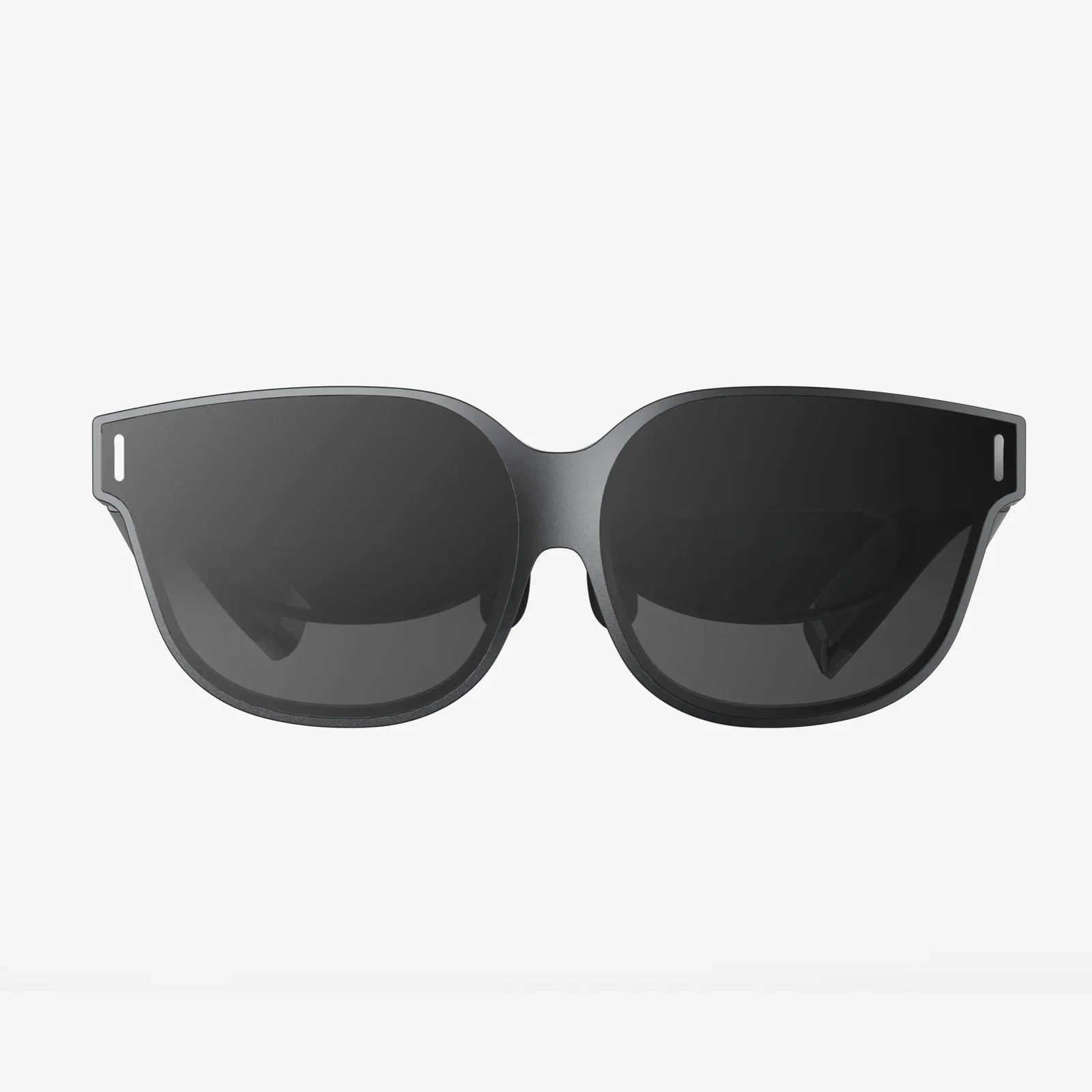
At their core, virtual movie theater glasses are wearable displays that simulate a large cinema screen in front of your eyes. Unlike conventional VR headsets that aim to immerse you in fully interactive 3D worlds, these glasses focus primarily on video viewing: movies, shows, and sometimes games, presented on a virtual screen that appears to float at a comfortable distance.
They typically look like slightly bulky sunglasses or compact visors. Inside, tiny displays and lenses project an image that your eyes perceive as much larger than the physical device. The goal is to recreate the experience of sitting several rows back in a movie theater, with a big screen filling a large portion of your vision while the surrounding environment fades into the background.
Some models connect directly to phones, laptops, game consoles, or streaming sticks, while others have built-in processors and app stores. What unites them is the intention: deliver a cinematic experience without needing a giant TV, projector, or dedicated theater room.
To appreciate what these devices can do, it helps to break their technology into a few key components:
Most virtual movie theater glasses use one of two main display approaches:
The resolution of each eye’s display determines how sharp the virtual screen appears. Higher resolution means less visible pixelation and a more convincing illusion of a large, distant screen.
Lenses sit between your eyes and the displays, shaping the light so that your brain perceives a virtual image floating some distance away. The field of view (FOV) describes how much of your vision the image occupies. A larger FOV feels more immersive, closer to a real theater, while a smaller FOV can feel more like watching a large TV.
Well-designed optics minimize distortion and blurriness around the edges of the image. Some glasses also allow you to adjust focus or diopter settings so that people with mild vision issues can use them without prescription lenses.
While not always as advanced as full VR headsets, many virtual movie theater glasses include basic sensors to track head orientation. This allows the virtual screen to remain stable in front of you even as you move slightly, and in some cases to place you inside a virtual environment such as:
These environments are mostly cosmetic, but they add to the sense of presence, making your movie night feel more like a destination.
Audio is a huge part of the cinema experience, and virtual movie theater glasses handle it in different ways:
For a truly theater-like experience, good audio is as important as a sharp, bright picture, so it is worth considering how you will handle sound when evaluating these glasses.
The appeal of virtual movie theater glasses lies in the combination of immersion, privacy, and convenience. Several trends are converging to make them especially compelling right now.
Streaming services have made it possible to watch almost anything, anywhere. Yet most portable screens are small, and watching a feature-length film on a phone or tablet can feel underwhelming. These glasses solve that by letting you enjoy a large-screen experience without sacrificing portability.
Whether you are on a long flight, staying in a hotel, or simply sharing a small apartment, virtual movie theater glasses let you carry a giant screen in a compact form factor.
Not everyone has room for a huge TV or a projector with a dedicated screen. Even if you do, the cost and setup can be significant. Glasses offer:
This makes them particularly attractive for renters, students, or anyone who prefers a minimalist living space.
Sometimes you want to watch something without broadcasting it to everyone around you. Virtual movie theater glasses provide a private screen that others cannot easily see. This is useful when:
Combined with headphones, they create a personal bubble of entertainment, even in crowded environments.
Understanding specs is helpful, but what most people care about is how it actually feels to watch a movie this way.
Manufacturers often describe the virtual screen in terms of equivalent TV size and viewing distance, such as “a 120-inch screen viewed from 10 feet away.” While these numbers are approximations, they can be surprisingly accurate. The image often fills a substantial portion of your vision, especially in darker environments.
The result is a sense of scale: landscapes feel vast, action scenes feel more intense, and even quiet dramas can feel more intimate because the screen dominates your visual attention.
Comfort is a critical factor. Virtual movie theater glasses are lighter than many full VR headsets, but they still rest on your nose and ears. Comfort depends on:
For feature-length films or binge-watching, small comfort issues become noticeable. Trying on similar devices or reading detailed user impressions can help you anticipate how they might feel for you personally.
Because the image is close to your eyes, concern about eye strain is natural. Modern optics aim to position the virtual screen at a comfortable focal distance, but factors like brightness, contrast, and your own vision still matter.
To minimize fatigue:
Many users find that after a brief adjustment period, watching through virtual movie theater glasses feels surprisingly natural, especially for content that does not require constant head movement.
One of the most striking aspects is the sense of presence: you are not just looking at a screen; you feel as though you are in front of a massive display in a darkened room. When the virtual environment around the screen is dim or black, your brain quickly tunes out the real world. This can make familiar films feel fresh again, as your focus narrows to the cinematic experience.
These devices are versatile, but certain scenarios highlight their strengths particularly well.
Long flights, train rides, and bus trips are prime opportunities. Instead of squinting at the seat-back screen or your phone, you can enjoy a theater-like image while the real world blurs into the background.
Because the screen is virtual, you do not need to worry about ambient light reflections the way you might with a tablet. You can also avoid disturbing neighbors with bright screens or loud audio if you use headphones.
In compact living situations, every square foot matters. Virtual movie theater glasses let you enjoy a cinematic experience without dedicating a wall to a TV or finding room for a projector and screen.
They also solve conflicts over what to watch: one person can use the main TV while another retreats into a personal theater with the glasses, both enjoying full-screen experiences without compromise.
For people who like to watch movies late at night, these glasses are a quiet, low-light solution. You can keep the room dark, avoid waking others, and still feel fully immersed. The lack of ambient light from a big screen can also be kinder to sleep schedules for anyone sharing the room.
Although primarily aimed at movie watching, many virtual movie theater glasses can also connect to game consoles or PCs. Playing games on a huge virtual screen can be exhilarating, especially for titles with rich visuals.
However, fast-paced games that require precise motion or reading small text may reveal limitations in resolution or latency. For slower-paced or cinematic games, the experience can be particularly impressive.
If you are thinking about trying virtual movie theater glasses, several technical and practical factors should guide your decision.
Higher resolution is generally better, but it is not the only factor. Look at:
If possible, compare sample footage or user-captured images to get a sense of real-world performance rather than relying solely on marketing numbers.
A larger field of view usually translates to a more immersive experience, but extreme FOV can sometimes introduce distortion. Consider whether you prefer a “giant TV” feel or a “cinema wall” feel, and look for devices that align with that preference.
Remember that perceived screen size can vary based on how the device fits your face, so individual experiences may differ from advertised numbers.
Comfort can make or break your experience. Pay attention to:
Users with smaller or larger heads, or those with certain nose shapes, may find some designs more comfortable than others. Reviews that mention wearing the glasses for full movie runtimes are particularly informative.
Virtual movie theater glasses typically connect via:
Check compatibility with your primary devices: smartphones, laptops, tablets, consoles, or media sticks. Some phones can power the glasses directly, while others may require adapters or hubs.
Some glasses draw power from the connected device, while others have internal batteries. Consider:
For travel, reliable battery performance can be the difference between a great flight and a half-finished movie.
Even the best hardware can be undermined by clumsy software. Look for:
If you prefer to plug into an existing device and use familiar apps, prioritize glasses that act as an external display rather than requiring you to learn a new ecosystem.
Virtual movie theater glasses are exciting, but they are not perfect. Understanding their limitations helps set realistic expectations.
Even with adjustable components, not every face shape will find every device comfortable. Some users report nose pressure, temple fatigue, or discomfort after extended use. This is one reason why return policies and in-person demos, where available, are valuable.
Although less common than with fully interactive VR, some people experience mild motion sickness or discomfort, especially if the virtual screen moves unexpectedly or if there is noticeable latency. Keeping head movement minimal during viewing and ensuring proper fit can mitigate these issues.
Wearing glasses that block much of your view can be isolating. While this is part of the appeal for private viewing, it can also make shared experiences harder. Some devices allow multiple users to watch the same content on their own glasses, but this is still different from gathering around a single screen and reacting together.
Virtual movie theater glasses often cost more than mid-range TVs and sometimes approach the price of large premium displays. The value calculation depends on how much you prioritize portability, privacy, and immersion versus traditional shared viewing.
For some, the ability to have a personal cinema anywhere justifies the price. For others, a conventional TV or projector remains the more practical choice.
To decide if these glasses are right for you, it helps to compare them to alternatives you might already be considering.
Advantages of the glasses:
Advantages of TVs:
Many people may ultimately choose to own both, using the glasses as a supplement rather than a replacement.
Advantages of the glasses:
Advantages of projectors:
Projectors shine when you want a communal event, while virtual movie theater glasses excel when you want a personal, flexible cinema.
Advantages of the glasses:
Advantages of VR headsets:
If your main interest is watching movies and shows, virtual movie theater glasses may offer a more streamlined and comfortable experience than general-purpose VR devices.
The technology behind virtual movie theater glasses is evolving rapidly. Several trends hint at where this category is heading.
As micro-display technology advances, expect sharper images with fewer visible pixels and improved color reproduction. Better lenses can reduce distortion, expand the sweet spot where the image is sharp, and make the virtual screen feel even more natural.
Future models are likely to be lighter, slimmer, and more stylish, making them closer to everyday eyewear. Better weight distribution and flexible materials may allow more people to wear them comfortably for extended periods.
We can anticipate tighter integration with major streaming platforms, including dedicated apps, voice control, and seamless handoff from other devices. This will make it easier to start watching on one screen and continue on your glasses without friction.
One particularly intriguing possibility is shared virtual theaters, where multiple users wearing their own glasses can watch the same movie in a synchronized virtual cinema. This could bring back a sense of communal viewing even when people are physically apart, blending the intimacy of personal screens with the social aspect of traditional theaters.
Before investing, consider a few practical questions:
Trying a demo, if available, or buying from a retailer with a reasonable return policy can reduce the risk of discovering later that the fit or experience is not right for you.
If you decide to adopt virtual movie theater glasses, a few habits can help you get the most out of them.
Even though the screen is virtual, your real-world environment still matters. For maximum immersion:
These small adjustments can transform a good experience into a truly cinematic one.
Pair the glasses with audio gear that suits your preferences. Some people prefer lightweight earbuds for travel; others opt for over-ear headphones at home. Experiment with spatial audio settings and equalizer options to match the type of content you watch.
Pay attention to how your face and eyes feel during longer sessions. If you notice discomfort:
Your body may need a brief adaptation period, especially if you are used to traditional screens.
While big-budget films are the obvious choice, try documentaries, concerts, and even live events. Some content that feels ordinary on a small screen can become surprisingly engaging on a large virtual display.
Gaming, virtual tours, and immersive video experiences can also showcase the strengths of these glasses, giving you more value from your investment.
Virtual movie theater glasses are quietly redefining what it means to “go to the movies.” Instead of planning a trip, buying tickets, and finding the right seat, you can slip on a pair of glasses and be transported to a private cinema in seconds. For some, they will be a convenient accessory; for others, they may become the primary way to experience films, shows, and games. If you are drawn to the idea of carrying a giant screen in your pocket, this emerging category is worth serious consideration. The next time you press play, your favorite stories might not just appear on a screen; they could surround you in a personal theater that exists wherever you are.