


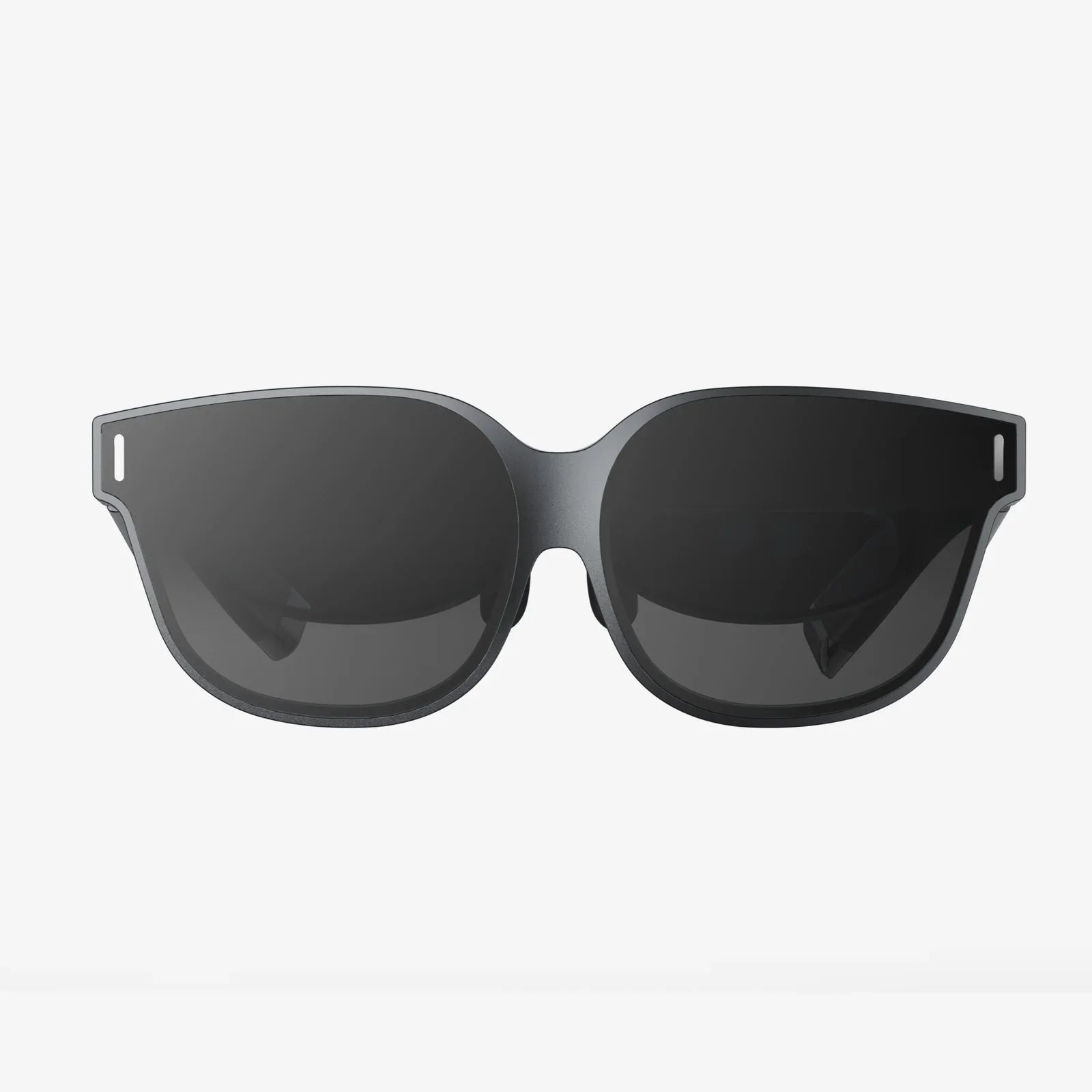
Virtual Reality is no longer a futuristic fantasy reserved for science fiction; it is rapidly becoming the new frontier of how people play, learn, work, and connect. Imagine stepping into a digital world so convincing that your brain treats it as real, where you can walk through ancient cities, collaborate in a virtual office, or practice complex surgeries without risking a single life. That is the promise of Virtual Reality, and it is unfolding faster than most people realize. If you want to understand where technology, careers, entertainment, and society are heading, it is time to look closely at the expanding universe of Virtual Reality.
At its core, Virtual Reality (VR) is a computer-generated environment that immerses users in a three-dimensional world, usually through a head-mounted display and motion-tracking equipment. Unlike traditional screens, VR fills your field of view, responds to your movements, and creates the sensation of presence, as though you are physically inside a digital space. This shift from watching content to entering it is what makes VR such a powerful and disruptive technology.
What Exactly Is Virtual Reality?
Virtual Reality is a simulated environment designed to trick your senses into perceiving a digital world as if it were real. The main goal is immersion: making you feel present in a space that does not physically exist around you. To achieve this, VR systems combine visual, auditory, and sometimes haptic (touch-based) feedback, synchronized with your body movements.
Typical VR setups include:
- Head-mounted display (HMD): A headset with screens and lenses positioned close to your eyes, showing slightly different images to each eye to create a 3D effect.
- Motion tracking: Sensors that track the position and orientation of your head and sometimes your hands, body, or entire room, allowing the digital world to adjust as you move.
- Controllers or hand tracking: Devices or camera-based systems that let you interact with objects, press buttons, grab tools, or gesture naturally in the virtual world.
- Audio system: Spatial or 3D audio that makes sounds appear to come from specific directions, reinforcing the illusion of presence.
- Optional haptic devices: Gloves, vests, or other wearables that provide vibration or pressure feedback when you touch or interact with virtual objects.
The result is a highly convincing environment that can range from realistic simulations of the physical world to entirely fantastical realms that defy the laws of physics.
How Virtual Reality Works: The Technology Behind the Illusion
To understand why Virtual Reality feels so immersive, it helps to look at the key technological components that make it work.
1. Displays and Optics
VR headsets use high-resolution displays placed just inches from your eyes. Lenses between the display and your eyes reshape the image so it fills your field of view and appears at a comfortable focal distance. Each eye sees a slightly different image, creating stereoscopic 3D depth perception.
Key display characteristics that affect immersion include:
- Resolution: Higher resolution reduces the “screen-door effect,” where individual pixels become visible.
- Field of view (FOV): A wider FOV makes the virtual world feel more natural and less like looking through binoculars.
- Refresh rate: Higher refresh rates (for example, 90Hz or more) reduce flicker and motion blur, making movement smoother and more comfortable.
2. Motion and Positional Tracking
For VR to feel believable, the system must track your movements and update the scene almost instantly. This includes tracking:
- Head rotation: Turning your head left, right, up, or down.
- Head position: Leaning, crouching, or moving around the room.
- Hands and controllers: Position and orientation of your hands for interaction.
Tracking is usually achieved with a combination of onboard sensors (like gyroscopes and accelerometers), cameras, and sometimes external base stations. The faster and more accurate the tracking, the more convincing and comfortable the VR experience.
3. Rendering and Latency
VR systems must render two slightly different images (one for each eye) at high frame rates. Latency, the delay between your movement and the updated image, must be extremely low. High latency breaks immersion and can cause motion sickness.
Modern VR platforms use techniques such as:
- Foveated rendering: Rendering only the area you are directly looking at in full detail, while reducing detail in peripheral vision to save computing power.
- Reprojection and prediction: Estimating where your head will be in the next frame to reduce perceived lag.
4. Audio and Haptics
Sound in VR is not just an add-on; it is a critical part of immersion. Spatial audio makes sounds appear to come from specific locations around you, which helps you orient yourself and adds realism. Haptic feedback, delivered through controllers or wearables, gives your hands and body a sense of touch when you interact with virtual objects.
Types of Virtual Reality Experiences
Not all VR experiences are the same. They can be categorized by the level of immersion and freedom of movement they offer.
1. Non-Immersive VR
This is the least immersive form, often experienced through a standard computer screen. You interact with a 3D environment using a keyboard, mouse, or game controller. While not fully immersive, it still leverages VR principles like 3D graphics and simulated environments.
2. Semi-Immersive VR
Semi-immersive systems use large screens or projected environments to create a stronger sense of presence than a regular monitor. Flight simulators and large-scale training systems often fall into this category, offering realistic visuals and limited physical interaction.
3. Fully Immersive VR
Fully immersive VR is what most people think of when they hear the term Virtual Reality. It uses headsets, motion tracking, and often handheld controllers to place you directly inside a virtual world. You can look around naturally, interact with digital objects, and sometimes walk within a defined area.
4. Room-Scale and Location-Based VR
Room-scale VR allows you to walk around a defined physical space that corresponds to the virtual environment. Location-based VR goes further, using large dedicated spaces, props, and advanced tracking systems to create highly immersive shared experiences, often used in arcades or specialized venues.
Virtual Reality vs Augmented Reality vs Mixed Reality
Virtual Reality is often mentioned alongside Augmented Reality (AR) and Mixed Reality (MR), but they are distinct technologies with different goals.
- Virtual Reality (VR): Fully immerses you in a digital world, blocking out the physical environment.
- Augmented Reality (AR): Overlays digital information or objects onto the real world, typically through a phone, tablet, or see-through glasses.
- Mixed Reality (MR): Blends digital and physical elements so they can interact with each other in real time, often requiring advanced sensors and processing.
While VR focuses on complete immersion, AR and MR aim to enhance or extend reality rather than replace it. All three are part of a broader spectrum sometimes referred to as extended reality (XR).
Major Applications of Virtual Reality Today
Virtual Reality is not just about games. It is quietly transforming multiple industries, changing how people train, design, collaborate, and heal.
1. Entertainment and Gaming
Gaming is the most visible and widely adopted application of VR. Instead of watching characters move on a screen, you become the character. VR games allow players to:
- Physically dodge, duck, and lean to avoid obstacles.
- Use hand motions to swing swords, draw bows, or cast spells.
- Explore richly detailed environments from a first-person perspective.
Beyond gaming, VR is reshaping film, concerts, and live events. Immersive storytelling lets viewers stand inside a scene rather than watching from a fixed viewpoint. Virtual concerts and performances allow audiences from around the world to attend the same event and feel as if they are standing in the same arena.
2. Education and Training
Virtual Reality is a powerful tool for education because it turns abstract concepts into tangible experiences. Students can:
- Walk through historical events as if they were there.
- Explore the human body in 3D, zooming in on organs and systems.
- Perform virtual chemistry experiments without real-world risks.
In professional training, VR is used to simulate high-risk or complex scenarios, such as:
- Emergency response and disaster management.
- Industrial equipment operation and maintenance.
- Aviation, maritime, and transportation training.
These simulations allow trainees to practice repeatedly, make mistakes safely, and build muscle memory, all without the cost or danger of real-world training environments.
3. Healthcare and Therapy
Healthcare is one of the most promising fields for Virtual Reality. Some key uses include:
- Surgical training: Surgeons can practice procedures in a realistic virtual environment, refining their skills before operating on real patients.
- Patient education: VR can help patients understand their conditions and treatments by visualizing what is happening inside their bodies.
- Pain management: Immersive VR experiences can distract patients during painful procedures, reducing perceived pain and anxiety.
- Mental health therapy: VR is used in exposure therapy for phobias, post-traumatic stress, and anxiety, allowing controlled, gradual exposure to triggers in a safe environment.
4. Architecture, Engineering, and Design
Virtual Reality is changing how buildings, products, and spaces are designed. Architects and engineers can:
- Walk through virtual models of buildings before construction begins.
- Evaluate sightlines, lighting, and spatial relationships in real scale.
- Collaborate with clients who can experience the design rather than just view blueprints.
Product designers use VR to prototype and test objects in 3D, adjusting shapes, sizes, and ergonomics on the fly. This accelerates design cycles and reduces the need for physical prototypes.
5. Workplace Collaboration and Remote Work
As remote work becomes more common, Virtual Reality offers a way to recreate the sense of presence and spontaneity found in physical offices. Virtual meeting rooms allow colleagues to:
- Stand around virtual whiteboards and brainstorm in real time.
- Manipulate 3D models together from different locations.
- Use avatars and spatial audio to simulate face-to-face interactions.
This can make remote collaboration feel more natural and engaging than video calls and text chats.
6. Tourism and Cultural Heritage
Virtual Reality opens the door to virtual tourism, allowing people to explore destinations they might never visit physically. Users can:
- Walk through museums and historical sites recreated in VR.
- Preview travel destinations before booking a trip.
- Experience endangered or inaccessible environments, such as fragile ecosystems or restricted archaeological sites.
For cultural heritage organizations, VR offers a way to preserve and share artifacts and locations, even if they are damaged or inaccessible in the real world.
7. Sports, Fitness, and Physical Rehabilitation
VR is also making its mark in sports and fitness. People can:
- Participate in virtual workouts that turn exercise into an interactive game.
- Practice sports drills in simulated environments.
- Use VR-guided rehabilitation programs to recover from injuries with real-time feedback.
By making physical activity more engaging, VR can help people stay motivated and consistent with their fitness or recovery routines.
Benefits of Virtual Reality for Individuals and Organizations
The rapid adoption of Virtual Reality is driven by a range of benefits that touch both personal and professional life.
1. Deep Immersion and Engagement
VR captures attention in a way that traditional media cannot. By placing users inside the content, it reduces distractions and increases focus. This deep engagement is valuable for learning, marketing, entertainment, and training.
2. Safe Environments for Risky Scenarios
Virtual Reality allows people to practice dangerous or high-stakes tasks without real-world consequences. Pilots, surgeons, firefighters, and industrial workers can all train in simulated scenarios, learning from mistakes without putting lives or equipment at risk.
3. Cost and Time Savings
While VR systems require initial investment, they can reduce costs over time by:
- Decreasing the need for physical prototypes and mock-ups.
- Reducing travel for training, meetings, and inspections.
- Allowing scalable training programs that can reach many people simultaneously.
4. Accessibility and Inclusion
VR can make experiences accessible to people who might be limited by geography, mobility, or finances. Virtual field trips, remote collaboration, and digital events can include participants from around the world, leveling access to knowledge and opportunities.
5. New Creative Possibilities
Virtual Reality frees creators from the constraints of the physical world. Artists, storytellers, and designers can build experiences that defy gravity, time, and space. This opens entirely new genres of content and art forms that are only possible in immersive environments.
Challenges and Limitations of Virtual Reality
Despite its promise, Virtual Reality faces several challenges that must be addressed for widespread adoption.
1. Motion Sickness and Comfort
Some users experience discomfort, nausea, or dizziness in VR, especially when the virtual movement does not match their physical motion. Reducing motion sickness requires careful design, high performance hardware, and user-friendly locomotion systems.
2. Hardware Costs and Accessibility
Although prices have decreased over time, high-quality VR systems can still be expensive. They may require powerful computers or advanced standalone headsets. This limits access for some users and organizations, particularly in regions with lower incomes or limited infrastructure.
3. Content Quality and Variety
For many people to adopt VR, there must be compelling content. While the library of VR experiences is growing, some potential users still see it as a niche with limited offerings. Developers face the challenge of creating high-quality, optimized content that takes full advantage of VR’s strengths.
4. Physical Space Requirements
Room-scale VR experiences require safe, unobstructed physical space. Not everyone has a suitable area at home or at work. This can limit the types of experiences that users can enjoy and may lead to safety concerns if people accidentally bump into objects or walls.
5. Social Isolation and Behavioral Concerns
Because VR is so immersive, there are concerns about people spending excessive time in virtual environments at the expense of real-world interactions. Designers and users must be mindful of healthy usage habits, balancing virtual experiences with offline life.
6. Privacy and Data Security
VR systems can collect detailed data about user movements, reactions, and environments. Protecting this data from misuse is essential. As VR becomes more integrated into work and daily life, privacy policies, security measures, and ethical guidelines will play a critical role.
The Future of Virtual Reality: Trends to Watch
Virtual Reality is evolving rapidly, and several trends suggest where the technology is heading in the coming years.
1. Lighter, More Comfortable Headsets
Future headsets are likely to become lighter, slimmer, and more comfortable, with improved ergonomics and better weight distribution. Advances in display technology, such as higher resolutions and more efficient optics, will make VR more visually convincing and less fatiguing.
2. Wireless and Standalone Systems
Wires are one of the biggest barriers to immersion. As wireless technology improves, more VR systems are moving toward standalone designs that do not require a separate computer or cables. This makes VR more accessible and portable, enabling experiences anywhere with enough space.
3. Eye Tracking and Advanced Interaction
Eye tracking will allow VR systems to know exactly where you are looking, enabling more natural interactions and more efficient rendering through foveated techniques. Combined with hand tracking, voice input, and haptic feedback, VR interfaces will become more intuitive and close to how people interact in the real world.
4. Blending VR with AR and MR
The lines between Virtual Reality, Augmented Reality, and Mixed Reality are likely to blur. Future devices may switch seamlessly between fully immersive VR and overlays on the real world, depending on the user’s needs. This convergence could create a continuum of experiences from fully digital to fully physical, all managed by a single device.
5. Social VR and the Metaverse Concept
Social experiences in VR are becoming more sophisticated, with persistent virtual worlds where people can work, play, and socialize together. These shared spaces are sometimes referred to as part of a broader “metaverse” vision: a network of interconnected digital environments where identity, assets, and experiences can move across platforms.
6. Industry-Specific VR Ecosystems
As VR matures, more industries will develop specialized platforms and tools. For example:
- Healthcare applications tailored to specific medical disciplines.
- Industrial training suites for particular types of machinery or processes.
- Virtual campuses and laboratories for higher education and research.
This specialization will make VR more valuable and deeply integrated into professional workflows.
How to Get Started with Virtual Reality
If you are curious about Virtual Reality and want to experience it firsthand, there are several steps you can take to begin your journey.
1. Explore Entry-Level Experiences
Start with simple, accessible VR experiences to understand the basics of immersion and interaction. Look for:
- Short immersive videos that place you inside a scene.
- Basic interactive demos that teach you how to move and use virtual hands.
- Guided tours of virtual environments like museums or nature locations.
2. Consider Your Goals
Think about what you want from Virtual Reality:
- Entertainment and gaming.
- Learning and personal development.
- Professional training or remote collaboration.
- Creative expression and design.
Your goals will influence which types of experiences and hardware are most appropriate.
3. Learn the Basics of VR Design (If You Want to Create)
If you are interested in building VR content, begin by learning fundamental concepts such as:
- 3D modeling and environments.
- User comfort guidelines, including how to reduce motion sickness.
- Interaction design for hand tracking and controllers.
There are many online resources, tutorials, and communities dedicated to VR development, making it easier than ever to start creating immersive experiences.
4. Focus on Healthy Use Habits
Because VR can be deeply absorbing, it is wise to adopt healthy usage habits from the beginning. Take regular breaks, ensure your play area is safe, and pay attention to how your body feels. Proper posture, hydration, and moderation can help you enjoy VR without discomfort.
Why Virtual Reality Matters More Than Ever
Virtual Reality is more than a technological novelty; it represents a fundamental shift in how humans interact with digital information and with each other. Instead of staring at flat screens, people can step inside data, stories, and simulations. This shift has profound implications for education, work, culture, and personal growth.
In a world where distance often separates families, colleagues, and communities, VR offers a way to feel present together in shared spaces, even when thousands of miles apart. For learners, it transforms abstract concepts into lived experiences. For professionals, it offers safer, more efficient training and collaboration. For creators, it opens a canvas limited only by imagination.
If you are looking for the next major wave of digital transformation, Virtual Reality is already rising. The question is not whether it will shape the future, but how prepared you will be to participate in that future. Exploring VR today means stepping ahead of the curve, discovering new ways to learn, connect, and create in immersive worlds that are only just beginning to reveal their full potential.
共有:
ar-15 rifle with silencer and scope: A Complete Practical Guide
arcteryx thorium ar Complete Guide to Performance, Warmth, and Value