


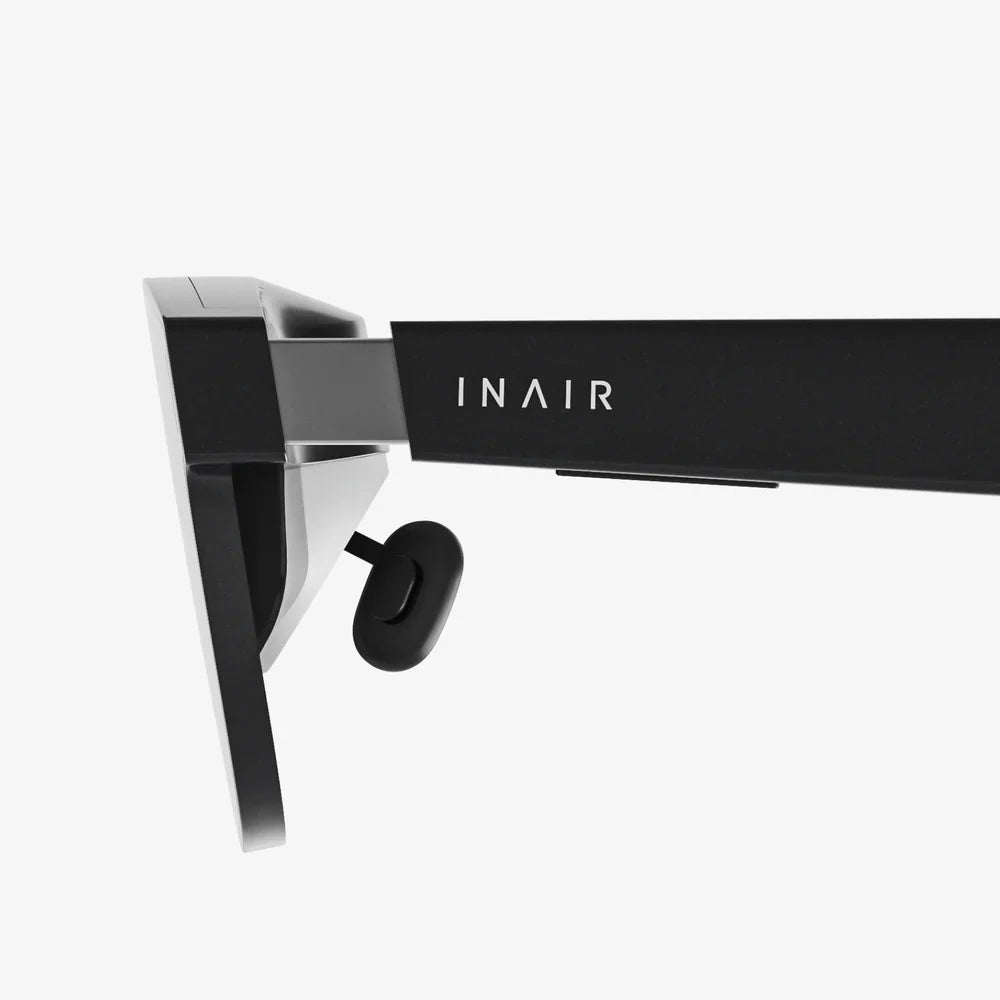
virtual reality coming soon is no longer a distant tech fantasy; it is quietly positioning itself to rewrite how you work, learn, relax, and connect with other people. The next wave of VR will not just be about gamers in headsets; it will be about classrooms without walls, offices without borders, and experiences that feel as if you stepped through the screen into another world. If you have ever wondered when VR would finally move beyond hype into everyday reality, the answer is: sooner than you think, and in more parts of your life than you expect.
What makes this moment different from previous promises is a convergence of better hardware, smarter software, faster networks, and a growing library of practical uses that go far beyond entertainment. As these pieces fall into place, virtual reality coming soon will not only entertain you; it will train surgeons, guide travelers, empower remote workers, and reshape how stories are told. Understanding what is about to change can help you decide where VR fits into your own future.
The evolution that makes virtual reality coming soon feel real
Virtual reality has existed in some form for decades, but earlier versions were heavy, expensive, and limited. Headsets were bulky, displays were grainy, and motion tracking often lagged behind, causing discomfort and breaking immersion. The idea was exciting, yet the experience rarely matched the promise.
That is now changing due to several key advances:
- Higher-resolution displays: Modern screens pack more pixels into each eye, reducing the "screen door" effect and making virtual objects look sharper and more lifelike.
- Improved optics and lenses: Better lenses reduce distortion and eye strain, making it easier to wear headsets for longer sessions.
- Inside-out tracking: Cameras on the headset itself track your position and movements, eliminating the need for external sensors and simplifying setup.
- Advanced controllers and hand tracking: Natural, precise input makes reaching, grabbing, and interacting in VR feel intuitive rather than clumsy.
- More powerful, efficient chips: Mobile-class processors enable standalone headsets that do not require a powerful computer, bringing VR within reach of more people.
- Faster wireless networks: High-speed connections allow for streaming complex VR content from the cloud, opening the door to more detailed worlds without expensive local hardware.
These improvements combine to create a sense of presence: that strange, compelling feeling that you are actually inside a digital environment rather than just looking at it. Presence is the secret ingredient that makes virtual reality coming soon so transformative; once you feel truly there, your brain reacts in ways that 2D screens cannot replicate.
How virtual reality coming soon will change entertainment and media
Entertainment is the most obvious entry point for VR, and it remains a powerful driver of innovation. Yet the shift is not just about more immersive games; it is about how stories are told and how audiences participate.
Immersive storytelling and cinema
Imagine stepping into a movie instead of merely watching it. In VR, you could stand beside the main characters, look around the environment, and discover details the director placed in every corner of the scene. Instead of a fixed camera angle, you become the camera.
Filmmakers and storytellers are experimenting with:
- 360-degree narrative experiences where you can explore a scene freely while the story unfolds around you.
- Interactive story paths that let you choose where to go and whom to follow, turning passive viewers into active participants.
- Hybrid experiences that blend traditional film with interactive VR segments, creating new formats that do not fit into old categories.
As virtual reality coming soon becomes more accessible, expect media companies, independent creators, and even social platforms to experiment with these formats, turning entertainment into something you can inhabit rather than just observe.
Next-level gaming and live events
Games have already shown how compelling VR can be, from realistic simulations to fantasy worlds that let you wield magic with a gesture. The next wave will focus on deeper social interaction and persistent worlds that evolve whether or not you are online.
Beyond games, live events are poised for a major shift:
- Virtual concerts: Attend a performance from your living room, stand near the stage, or switch to a balcony view with a gesture.
- Sports in VR: Watch from courtside, behind the goal, or even from a floating camera that follows the action.
- Theater and performances: Sit in a virtual front row, or move around the stage area to see scenes from different perspectives.
As ticketed events and subscription models adapt to VR, entertainment will no longer be limited by geography or venue size. Anyone with a compatible headset could experience front-row access, making virtual reality coming soon a democratizing force in live experiences.
Virtual reality coming soon to your workplace
Work is one of the areas where VR’s impact is both underestimated and potentially enormous. Remote work and hybrid offices have already changed how teams collaborate. VR adds a new dimension: the ability to share a sense of space even when people are continents apart.
Virtual offices and collaboration spaces
Instead of staring at a grid of faces in a video call, imagine entering a virtual workspace where colleagues appear as avatars. You can walk over to a digital whiteboard, sketch ideas, pin virtual sticky notes, and rearrange 3D models as if they were physical objects.
Key benefits include:
- Spatial awareness: Seeing where colleagues are in the virtual room helps conversations feel more natural than flat video tiles.
- Persistent rooms: Virtual workspaces can remain set up between meetings, keeping documents and diagrams on the walls for later sessions.
- Immersive focus: Being "inside" a workspace reduces distractions compared to working from a browser tab among many others.
As virtual reality coming soon integrates with existing productivity tools, these environments could become as common as video conferencing is today, especially for brainstorming, design, and training sessions.
Training, simulation, and skill development
VR shines wherever real-world training is expensive, risky, or logistically complicated. By simulating realistic environments, trainees can practice repeatedly without the cost or danger of real-world mistakes.
Examples include:
- Industrial safety training: Workers can learn to operate heavy machinery, navigate hazardous areas, and respond to emergencies in a safe virtual replica of their workplace.
- Medical and surgical practice: Trainees can rehearse procedures, practice hand movements, and learn anatomy using interactive 3D models.
- Customer service and soft skills: Employees can practice handling challenging conversations with lifelike virtual customers or clients.
Because VR can track head movements, hand positions, and task completion, it can provide detailed feedback and performance metrics. The result is a training environment that is both immersive and measurable, making virtual reality coming soon a powerful tool for workforce development.
Education reimagined: virtual reality coming soon to the classroom
Education may be one of the most transformative domains for VR. Traditional learning often relies on textbooks, lectures, and static diagrams. VR turns abstract ideas into experiences you can step into and explore.
Immersive field trips and historical reconstructions
Imagine students studying ancient civilizations by walking through a faithful reconstruction of a historical city, hearing ambient sounds, and examining artifacts up close. Or imagine a biology class where learners shrink down to explore the human circulatory system from the inside.
Virtual field trips can bring distant or inaccessible locations into the classroom:
- Historical sites: Visit ancient ruins, historic battlefields, or architectural landmarks without leaving school.
- Natural wonders: Dive into coral reefs, trek through rainforests, or explore the surface of Mars.
- Cultural experiences: Attend festivals, museums, and cultural events around the world in an immersive way.
By transforming lessons into experiences, virtual reality coming soon can help students retain information more effectively and develop a deeper emotional connection to the material.
STEM learning and complex concepts
Science, technology, engineering, and mathematics often involve abstract concepts that are hard to visualize. VR can turn equations and diagrams into interactive, manipulable objects.
For example:
- Physics: Students can experiment with gravity, friction, and motion in a virtual lab where variables can be changed instantly.
- Chemistry: Learners can build molecules in 3D, watching atoms bond and reactions unfold at the molecular level.
- Engineering: Teams can design structures, test them under different loads and conditions, and walk through their creations before they are built.
These experiences can make STEM subjects more engaging and accessible, especially for visual and kinesthetic learners. As more educational content is developed, virtual reality coming soon will likely become a standard supplement to traditional teaching methods.
Health, wellness, and therapy in a virtual world
Healthcare is already experimenting with VR in ways that show how profoundly it can affect the mind and body. Because VR can influence perception and attention, it can be used to reduce pain, manage anxiety, and support rehabilitation.
Pain management and distraction therapy
When patients are immersed in a calming virtual environment, their attention is drawn away from discomfort. This has been used in scenarios such as wound care, physical therapy, and minor procedures. By giving the brain something compelling to focus on, VR can reduce perceived pain and stress.
Virtual reality coming soon may be prescribed alongside traditional treatments to help patients cope with chronic pain, providing guided experiences that combine relaxation techniques with immersive visuals and sounds.
Mental health support and exposure therapy
VR can create controlled, repeatable environments that therapists use to help patients confront fears or process traumatic experiences. For example, someone with a fear of flying can gradually experience airport settings and simulated flights while guided by a professional.
Other applications include:
- Stress reduction: Guided meditations in tranquil virtual environments, from beaches to forests.
- Social skills training: Practicing conversations and social scenarios in a safe, controlled setting.
- Cognitive rehabilitation: Interactive exercises that support memory, attention, and problem-solving after injury or illness.
As virtual reality coming soon becomes more widely available, mental health professionals may incorporate it into standard practice, blending traditional therapy with immersive experiences tailored to individual needs.
Social connection and virtual communities
One of the most intriguing aspects of VR is its ability to reshape how people socialize. Social platforms in VR already allow users to meet as avatars, attend events, and create shared spaces. The next wave will likely make these interactions more expressive and lifelike.
Avatars, presence, and body language
Unlike text chat or even video calls, VR can capture subtle movements: the tilt of your head, the direction of your gaze, the way your hands gesture while you speak. These cues are essential to human communication, and their presence can make virtual interactions feel surprisingly natural.
As avatar technology improves, you may be able to:
- Customize realistic or stylized avatars that reflect your personality.
- Mirror facial expressions and body language using sensors and advanced tracking.
- Share activities such as games, concerts, or collaborative projects with friends in shared virtual spaces.
Virtual reality coming soon could make distance feel less relevant, allowing families, friends, and communities to gather in ways that are richer than a simple video call but more convenient than travel.
New types of communities and events
Beyond replicating real-world gatherings, VR enables entirely new forms of community. People can meet based on shared interests, regardless of where they live, and participate in experiences that are impossible in the physical world.
Examples include:
- Virtual meetups: Book clubs, language exchanges, and hobby groups that meet in themed environments.
- Creative collaboration: Artists, designers, and musicians working together in shared 3D spaces.
- Virtual conventions and expos: Large-scale events where attendees can explore booths, attend talks, and network in immersive venues.
As these communities grow, virtual reality coming soon will shape not just how we communicate, but how we form identities and social networks in digital spaces.
The technology behind virtual reality coming soon
To understand where VR is headed, it helps to know the core components that make it possible. Several technologies are advancing in parallel to support more realistic and comfortable experiences.
Display and optics improvements
Future headsets are expected to feature:
- Higher pixel density: Reducing visible pixels to create crisp images close to natural vision.
- Wider fields of view: Expanding peripheral vision to increase immersion.
- Variable focus: Allowing the eyes to focus naturally on objects at different distances, reducing eye strain.
These advances help make virtual reality coming soon feel less like looking through goggles and more like simply existing in another place.
Tracking, sensors, and input
Accurate tracking is essential for presence. Current systems combine cameras, gyroscopes, accelerometers, and sometimes external sensors to track head and hand movements. Future improvements may include:
- Eye tracking: Detecting exactly where you are looking to render scenes more efficiently and enable more natural interactions.
- Full-body tracking: Capturing leg and torso movements to make avatars more expressive.
- Haptic feedback: Gloves, vests, or other devices that simulate touch, impact, or texture.
These technologies will make virtual reality coming soon more responsive and tactile, bridging the gap between digital and physical sensations.
Cloud computing and streaming
Rendering complex 3D environments in real time requires significant computing power. While local devices continue to improve, cloud-based rendering and streaming can offload heavy processing to remote servers, delivering high-fidelity VR to lightweight headsets.
As networks become faster and more reliable, cloud VR could enable:
- Photorealistic environments without requiring expensive local hardware.
- Instant access to large content libraries without long downloads.
- Shared virtual spaces that support many simultaneous users.
This infrastructure is a key enabler for virtual reality coming soon to scale beyond enthusiasts and reach mass audiences.
Challenges and concerns as virtual reality coming soon expands
Despite its potential, VR is not without challenges. Understanding these issues is important for anyone considering how VR will fit into their life or business.
Health, comfort, and safety
Some users experience motion sickness or eye strain in VR, especially when frame rates are low or movement does not match their physical sensations. Developers are working to minimize these issues through better design and hardware, but they remain important considerations.
Other health and safety concerns include:
- Physical space: Users need enough room to move safely without bumping into real-world objects.
- Session length: Long sessions may cause fatigue; taking regular breaks is recommended.
- Age considerations: Some systems provide guidelines for younger users whose vision is still developing.
As virtual reality coming soon becomes more common, clear usage guidelines and ergonomic improvements will help reduce these risks.
Privacy and data
VR systems can collect detailed data about users, including head movements, hand gestures, and potentially eye tracking and facial expressions. This raises questions about who controls that data, how it is used, and how it is protected.
Key concerns include:
- Behavioral profiling: Detailed movement and gaze data could reveal sensitive information about preferences and reactions.
- Security: Protecting VR accounts and environments from unauthorized access or harassment.
- Content moderation: Ensuring that shared spaces are safe and inclusive.
Addressing these issues will require a combination of technical safeguards, transparent policies, and possibly new regulations as virtual reality coming soon becomes a mainstream medium.
Accessibility and inequality
While VR is becoming more affordable, it still requires specialized hardware. There is a risk that benefits such as immersive education and advanced training could be available only to those who can afford them, widening existing gaps.
Accessibility also involves designing for users with disabilities, including:
- Alternative input methods for those who cannot use standard controllers.
- Visual and auditory accommodations such as captions, high-contrast modes, and audio descriptions.
- Comfort options for users sensitive to motion.
Ensuring that virtual reality coming soon is inclusive will be crucial to realizing its full potential as a tool for opportunity rather than exclusion.
How to prepare for virtual reality coming soon
You do not need to become a VR expert overnight, but you can take practical steps to understand and benefit from what is coming.
Explore entry-level experiences
If you have access to a headset, start by trying simple experiences that showcase different aspects of VR: a virtual museum tour, a basic game, a meditation app, or a collaborative workspace demo. Pay attention to what feels compelling and what feels uncomfortable.
Even short sessions can give you a sense of how virtual reality coming soon might fit into your routine, whether for learning, entertainment, or productivity.
Identify use cases in your life or work
Think about areas where immersion could add value:
- For professionals: Could VR help with training, design reviews, client presentations, or remote collaboration?
- For educators: Are there lessons that would be more powerful if students could experience them in 3D?
- For individuals: Could VR support your fitness, creativity, relaxation, or social life?
By mapping potential uses, you can make more informed decisions about when and how to invest in virtual reality coming soon.
Stay informed about standards and best practices
As VR grows, standards will emerge for safety, privacy, and interoperability between platforms. Pay attention to:
- Privacy policies and data practices of VR services you use.
- Health and safety guidelines regarding session length and recommended use.
- Cross-platform compatibility if you plan to collaborate or share content with others.
Being informed will help you navigate virtual reality coming soon with confidence rather than uncertainty.
The coming blend of physical and virtual life
Virtual reality is not arriving in isolation; it is part of a broader shift that includes augmented reality, mixed reality, and increasingly intelligent digital assistants. Over time, the boundaries between physical and virtual experiences will blur. You might attend a meeting where some participants are in a physical room and others join as holograms, or work on a project that moves seamlessly between your desk and a shared virtual workspace.
As virtual reality coming soon matures, it will likely follow a pattern similar to the early days of the internet and smartphones: at first a novelty, then a tool for specific tasks, and eventually a background layer of everyday life. The choices we make now about how to design, regulate, and adopt VR will shape whether it becomes a force for connection, learning, and creativity or simply another distraction.
Right now, you have a rare opportunity: to step into this new medium early enough to shape how it matters for you. Whether you are curious about future careers, new ways to learn, or richer ways to connect with others, virtual reality coming soon is an invitation to explore. The worlds being built today could become the spaces where you work, play, and grow tomorrow, and the door to those worlds is about to swing wide open.
共有:
Ultra Wide LED Screen Applications, Benefits, and Buying Guide
AI Tools For Everyday Use: Practical Ways To Upgrade Your Daily Life