


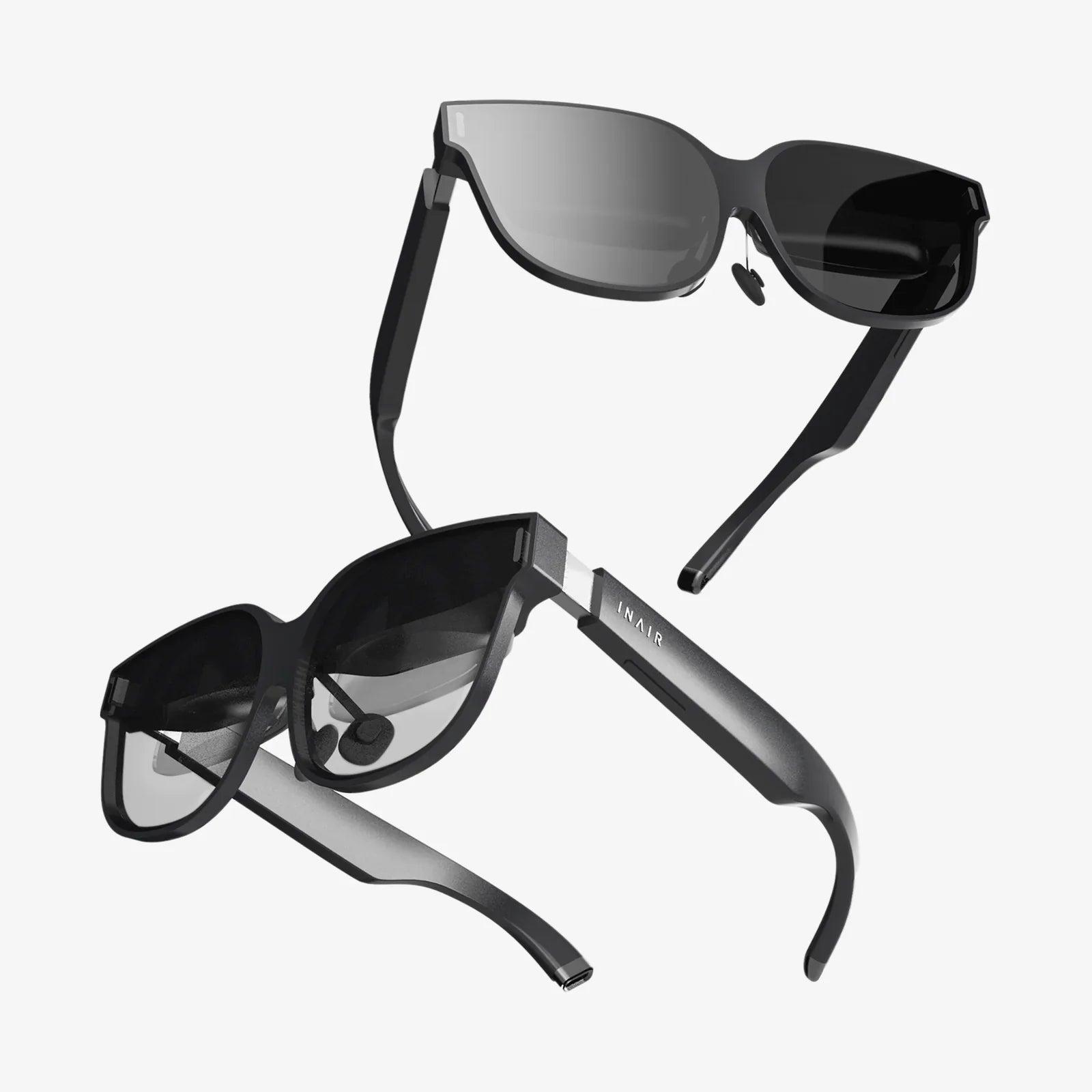
Virtual reality electronic experiences are no longer a distant sci-fi dream; they are quietly reshaping how people play, learn, work, and connect. From living rooms to operating rooms, immersive headsets and motion-tracking systems are turning flat screens into three-dimensional worlds you can step inside. If you have ever wondered whether this technology is just a passing fad or the next major shift in digital life, understanding how virtual reality electronic systems actually work and where they are heading will change the way you look at screens forever.
What Does “Virtual Reality Electronic” Really Mean?
The phrase “virtual reality electronic” describes the hardware and software that create fully immersive digital environments. Unlike traditional computers, phones, or televisions, these systems are designed to surround your senses, making you feel present inside a simulated world rather than simply looking at one.
At its core, a virtual reality electronic setup typically includes:
- Head-mounted display (HMD) that shows separate images to each eye to create stereoscopic 3D.
- Motion tracking systems that follow the movement of your head, hands, and sometimes your whole body.
- Input devices such as controllers, gloves, or even full-body suits to interact with virtual objects.
- Computing hardware (a console, PC, or built-in processor) that renders the virtual environment in real time.
- Audio systems providing spatial sound so that audio appears to come from specific directions in the virtual space.
These components work together to trick your brain into accepting the virtual environment as if it were physically around you. The result is a level of immersion that standard screens cannot match.
The Science Behind Virtual Reality Electronic Immersion
To understand why virtual reality feels so convincing, it helps to look at the science behind presence and perception. The human brain constantly combines sensory signals from the eyes, ears, and body to build a model of the world. Virtual reality electronic systems exploit this by synchronizing visual, auditory, and motion cues with high precision.
Key technical aspects include:
- Low latency: The time between your movement and the change on the screen must be minimal, ideally under 20 milliseconds, to prevent motion sickness and maintain immersion.
- High refresh rates: Displays often run at 90 Hz or higher so motion appears smooth, reducing eye strain and discomfort.
- Field of view: Wide fields of view, often 90 degrees or more, help mimic natural human vision and reduce the sensation of looking through a narrow window.
- Positional tracking: Six degrees of freedom (6DoF) tracking lets you move forward, backward, up, down, and side to side, not just rotate your head.
- Spatial audio: Sound that changes based on your position and head orientation increases realism and helps with navigation.
When these elements are finely tuned, your brain begins to treat the virtual environment as if it were real, leading to powerful emotional and cognitive responses. This is why virtual reality electronic experiences can make you feel genuine fear on a virtual ledge or deep calm in a simulated forest.
Evolution of Virtual Reality Electronic Technology
Virtual reality has been imagined for decades, but only recently has the technology matured enough for mainstream use. Early systems were bulky, expensive, and limited to research labs or specialized training centers. Today, lighter headsets, more efficient processors, and improved sensors have pushed virtual reality electronic devices into homes, classrooms, and offices.
Several trends have driven this evolution:
- Miniaturization of components: Smaller, more efficient chips and sensors enable standalone headsets without the need for powerful external computers.
- Advances in display technology: High-resolution screens with improved pixel density reduce the "screen door" effect where users can see the spaces between pixels.
- Better motion tracking: Inside-out tracking, where cameras on the headset map the environment, eliminates the need for external sensors in many systems.
- Software optimization: Graphics engines and VR platforms now provide tools to create more realistic and responsive virtual environments.
As these improvements continue, virtual reality electronic systems are becoming more comfortable, accessible, and capable of delivering complex simulations that were impossible just a few years ago.
Virtual Reality Electronic Entertainment: Beyond Traditional Gaming
Entertainment is often the first thing people associate with virtual reality, and for good reason. Virtual reality electronic entertainment experiences are redefining what it means to play games, watch stories, and participate in digital events.
Key entertainment applications include:
- Immersive gaming: Instead of controlling a character with a joystick, you physically look, move, and gesture inside the game world. This leads to more intuitive interactions and a stronger sense of presence.
- Cinematic experiences: 360-degree films and interactive narratives allow you to stand inside a story, choosing where to look and sometimes influencing the plot.
- Virtual concerts and events: Artists and performers can host shows in virtual venues, where audiences from around the world attend as avatars, dance together, and explore digital stages.
- Theme park simulations: Virtual reality electronic rides can reproduce roller coasters, space flights, or fantasy adventures without the physical infrastructure of a real-world park.
These experiences blur the line between passive viewing and active participation, making entertainment more personal and interactive. As content creators learn to design for fully immersive environments rather than flat screens, the variety and sophistication of virtual reality entertainment continues to grow.
Learning in Virtual Reality Electronic Classrooms
Education is being transformed by virtual reality electronic tools that turn abstract concepts into tangible experiences. Instead of reading about history, biology, or physics, learners can step inside simulations that bring these subjects to life.
Examples of educational applications include:
- Virtual field trips: Students can explore ancient cities, distant planets, or the deep ocean without leaving the classroom.
- Interactive science labs: Complex experiments that might be dangerous, expensive, or impractical in real life can be safely conducted in virtual environments.
- Language immersion: Learners can practice conversations in realistic virtual settings, such as markets, cafes, or offices, with immediate feedback.
- Skill training: Technical skills like operating machinery, performing lab procedures, or practicing emergency responses can be rehearsed repeatedly in simulation.
Virtual reality electronic learning environments have several advantages. They can provide consistent training scenarios, adapt to different learning speeds, and offer detailed performance analytics. They also cater to visual and kinesthetic learners who benefit from seeing and doing rather than just reading or listening.
However, effective educational use requires thoughtful design. Simply transferring traditional lectures into virtual spaces is not enough. The most successful implementations leverage interactivity, collaboration, and context to make learning engaging and memorable.
Virtual Reality Electronic Tools in the Workplace
Work is another area where virtual reality electronic systems are reshaping daily routines. As remote and hybrid work models grow, organizations are looking for ways to maintain collaboration, training quality, and productivity without relying on physical offices.
Key workplace applications include:
- Virtual meetings and collaboration: Instead of staring at a grid of faces on a screen, colleagues can meet in shared virtual rooms, manipulate 3D models, and use spatial cues to organize discussions.
- Design and prototyping: Engineers, architects, and product designers can walk around full-scale virtual models, inspect details, and test design changes before building physical prototypes.
- Safety and compliance training: Workers can practice responding to hazardous scenarios, machinery malfunctions, or emergency evacuations in realistic simulations without actual risk.
- Onboarding and role-play: New employees can experience scripted scenarios, such as customer interactions or sales conversations, inside a controlled virtual environment.
These virtual reality electronic tools can reduce travel costs, shorten development cycles, and improve training outcomes. They also create opportunities for globally distributed teams to collaborate as if they were in the same room, using shared digital objects and spaces.
Healthcare and Therapy with Virtual Reality Electronic Systems
Healthcare is one of the most promising and sensitive applications of virtual reality electronic technology. By carefully designing immersive environments, clinicians and researchers can support patients in ways that traditional methods struggle to match.
Notable healthcare uses include:
- Pain management: Immersive experiences that capture attention can reduce the perception of pain during medical procedures or chronic pain episodes.
- Mental health therapy: Exposure therapy for phobias, anxiety, or post-traumatic stress can be conducted in controlled virtual environments, allowing gradual and safe desensitization.
- Rehabilitation: Patients recovering from strokes or injuries can perform guided exercises in gamified virtual settings, increasing motivation and tracking progress.
- Surgical planning and training: Surgeons can practice complex procedures on virtual models of patient anatomy, improving precision and confidence before entering the operating room.
Virtual reality electronic healthcare applications must be developed and used with great care. Issues such as motion sickness, emotional overload, and accessibility need to be addressed. Nevertheless, early results in many areas are encouraging, suggesting that immersive technology can become a powerful complement to traditional medical practices.
Social Life and Identity in Virtual Reality Electronic Worlds
As virtual reality electronic environments become more sophisticated, they are also becoming social spaces where people meet, talk, build, and express themselves. These digital worlds can host everything from casual hangouts to professional conferences and creative workshops.
Social features often include:
- Custom avatars: Users design digital representations of themselves, ranging from realistic to fantastical, reflecting identity, mood, or creative expression.
- Shared virtual spaces: Friends and strangers can gather in virtual rooms, parks, galleries, or whole cities built entirely from imagination.
- Collaborative creation: Participants can build structures, art, games, or experiences together in real time, using intuitive 3D tools.
- Events and communities: Clubs, classes, performances, and interest groups form inside virtual reality, sometimes mirroring real-world communities and sometimes existing only in digital form.
These social experiences can be empowering, especially for people who face physical limitations, social anxiety, or geographical isolation. At the same time, they raise important questions about identity, privacy, and the balance between virtual and physical life.
Hardware Foundations of Virtual Reality Electronic Devices
Behind every immersive experience lies a complex stack of hardware that makes virtual reality possible. Understanding the main components of virtual reality electronic devices helps explain their capabilities and limitations.
Typical hardware elements include:
- Displays: High-resolution screens, often one per eye, with fast response times and high refresh rates.
- Lenses: Optics that focus and reshape the display image to cover a wide field of view while remaining comfortable to look at.
- Sensors: Accelerometers, gyroscopes, magnetometers, and cameras that track position and orientation.
- Processors: Dedicated chips handle graphics rendering, sensor fusion, and sometimes inside-out tracking algorithms.
- Controllers: Handheld devices or gloves with buttons, triggers, and tracking systems to detect gestures and interactions.
- Audio systems: Headphones or built-in speakers providing spatial sound cues.
Designers of virtual reality electronic hardware must balance performance, weight, comfort, and cost. High-end systems may deliver more realistic graphics and precise tracking but require powerful computers, while standalone devices prioritize portability and ease of use. Battery life, heat management, and ergonomic fit are ongoing challenges.
Software Ecosystems for Virtual Reality Electronic Experiences
Hardware alone is not enough; the value of virtual reality electronic systems depends heavily on the software ecosystems that support them. These include operating environments, development tools, content platforms, and networking infrastructure.
Key software aspects include:
- VR operating environments: Interfaces where users launch applications, manage settings, and customize their virtual spaces.
- Game engines and development kits: Tools that allow creators to build interactive 3D worlds, handle physics, and integrate user input.
- Multiplayer frameworks: Networking systems that synchronize the actions and positions of multiple users in shared virtual spaces.
- Analytics and optimization tools: Software that monitors performance, identifies bottlenecks, and fine-tunes experiences to run smoothly.
The success of virtual reality electronic platforms often depends on how easy they make it for developers to create compelling content. Rich libraries, clear documentation, and supportive communities encourage experimentation and innovation, leading to more diverse and polished experiences for users.
Benefits of Virtual Reality Electronic Technologies
Virtual reality electronic systems offer unique advantages that set them apart from other digital technologies. These benefits help explain why industries as varied as entertainment, education, manufacturing, and healthcare are investing in immersive solutions.
Some key benefits include:
- Enhanced engagement: Immersive environments capture attention more fully than traditional media, making it easier to maintain focus.
- Experiential learning: Users learn by doing rather than just observing, which can improve understanding and retention.
- Safe experimentation: Dangerous, expensive, or rare scenarios can be simulated repeatedly without real-world risk.
- Empathy and perspective-taking: Stepping into another person’s environment or viewpoint can foster understanding and emotional connection.
- Global accessibility: People separated by distance can share the same virtual space, enabling collaboration and connection.
These advantages make virtual reality electronic systems particularly powerful for training, therapy, storytelling, and design. They also open new possibilities for creativity and self-expression that do not depend on physical constraints.
Challenges and Risks in Virtual Reality Electronic Adoption
Despite its potential, virtual reality electronic technology faces significant challenges that must be addressed for widespread, responsible adoption. These challenges span technical, social, and ethical dimensions.
Common issues include:
- Motion sickness and discomfort: Mismatches between visual and physical motion can cause nausea, dizziness, or eye strain in some users.
- Physical safety: Moving in virtual environments while unaware of real-world obstacles can lead to collisions or falls.
- Cost and accessibility: High-quality hardware and content can be expensive, limiting access for some users and institutions.
- Privacy concerns: Detailed tracking of head, hand, and body movements generates sensitive data about user behavior and preferences.
- Psychological impact: Intense experiences may affect mood, perception, or behavior, especially for younger or vulnerable users.
Addressing these challenges requires thoughtful design, clear guidelines, and ongoing research. Developers can reduce motion sickness by optimizing performance and movement schemes, while organizations can set safety protocols and usage limits. Transparent data practices and ethical standards are crucial as virtual reality electronic systems become more integrated into daily life.
Design Principles for Effective Virtual Reality Electronic Experiences
Creating successful virtual reality experiences involves more than just porting existing applications into a headset. Designers must consider how immersion changes user expectations, comfort, and interaction patterns.
Important design principles include:
- Comfort first: Minimize rapid accelerations, unnatural camera movements, and visual clutter to reduce discomfort.
- Intuitive interactions: Use natural gestures and spatial metaphors, such as grabbing, pointing, and walking, where possible.
- Clear feedback: Provide immediate visual, auditory, or haptic responses to user actions, reinforcing a sense of control.
- Scalable difficulty: Adjust complexity and challenge to accommodate beginners and experts, allowing gradual learning.
- Accessibility options: Offer seated and standing modes, adjustable text sizes, alternative controls, and other accommodations.
When virtual reality electronic experiences are designed with these principles in mind, they become more inclusive, enjoyable, and effective. Poorly designed experiences, by contrast, can cause frustration, discomfort, and disengagement.
Ethical and Social Questions Around Virtual Reality Electronic Worlds
As virtual reality electronic environments become more lifelike and pervasive, they raise complex ethical and social questions. These questions are not just theoretical; they influence how societies will integrate immersive technology into everyday life.
Key concerns include:
- Digital identity and representation: How should people present themselves in virtual spaces, and what rights do they have over their avatars and personal data?
- Harassment and safety: What rules and tools are needed to prevent and respond to harmful behavior in shared virtual environments?
- Time balance: How can individuals and communities maintain healthy boundaries between virtual and physical activities?
- Economic inequality: Will access to high-quality virtual reality electronic experiences be evenly distributed, or will they widen existing gaps?
- Content responsibility: Who is accountable for the psychological and social effects of highly immersive experiences?
Addressing these questions requires collaboration between technologists, policymakers, educators, and users. Clear norms, regulations, and community standards can help ensure that virtual reality electronic worlds develop in ways that support well-being and fairness.
Future Trends in Virtual Reality Electronic Innovation
The current generation of virtual reality devices is only the beginning. Future virtual reality electronic systems are likely to be more lightweight, powerful, and seamlessly integrated into daily life.
Emerging trends include:
- Higher resolution and realism: Continued improvements in display technology and rendering will reduce visual artifacts and increase immersion.
- Haptic feedback and full-body tracking: Advanced suits, gloves, and sensors will let users feel virtual objects and move more naturally.
- Blended reality: Integration with augmented reality will allow experiences that mix virtual elements with the physical world.
- Cloud rendering: Offloading heavy computation to remote servers could enable high-end graphics on lightweight devices.
- AI-driven environments: Intelligent virtual characters and adaptive worlds will respond more realistically to user behavior.
These developments could make virtual reality electronic experiences more compelling and useful across fields, from advanced scientific visualization to everyday social interaction. At the same time, they will amplify existing ethical and practical challenges, increasing the importance of responsible design and governance.
How to Get Started with Virtual Reality Electronic Experiences
For individuals and organizations interested in exploring virtual reality, starting thoughtfully can make the difference between a forgettable novelty and a transformative tool.
Practical steps include:
- Clarify your goals: Decide whether you are most interested in entertainment, learning, training, collaboration, or creativity.
- Assess your environment: Ensure you have a safe, clear space for movement and consider whether seated or standing use is more appropriate.
- Begin with short sessions: Gradually increase usage time to reduce the risk of motion sickness or fatigue.
- Explore curated content: Start with well-reviewed experiences that are known for comfort and accessibility.
- Gather feedback: If you are deploying virtual reality electronic tools in a school, workplace, or clinic, regularly collect user feedback to refine your approach.
By approaching virtual reality with clear intentions and a willingness to learn, you can uncover applications that genuinely enhance your activities rather than simply adding another screen to your life.
Virtual reality electronic technology is quietly building a new layer of human experience, one where distance shrinks, ideas become spaces you can walk through, and learning feels more like adventure than obligation. Whether you are a curious individual, an educator, a business leader, or a healthcare professional, the choices you make now about how to use and shape this technology will influence how immersive worlds evolve. Exploring these possibilities with open eyes, critical thinking, and creative ambition could be your most important step into the future of digital life.
共有:
ai vr-powered software tool for next-generation immersive experiences
mini vr pc: The Compact Powerhouse Transforming Immersive Gaming