


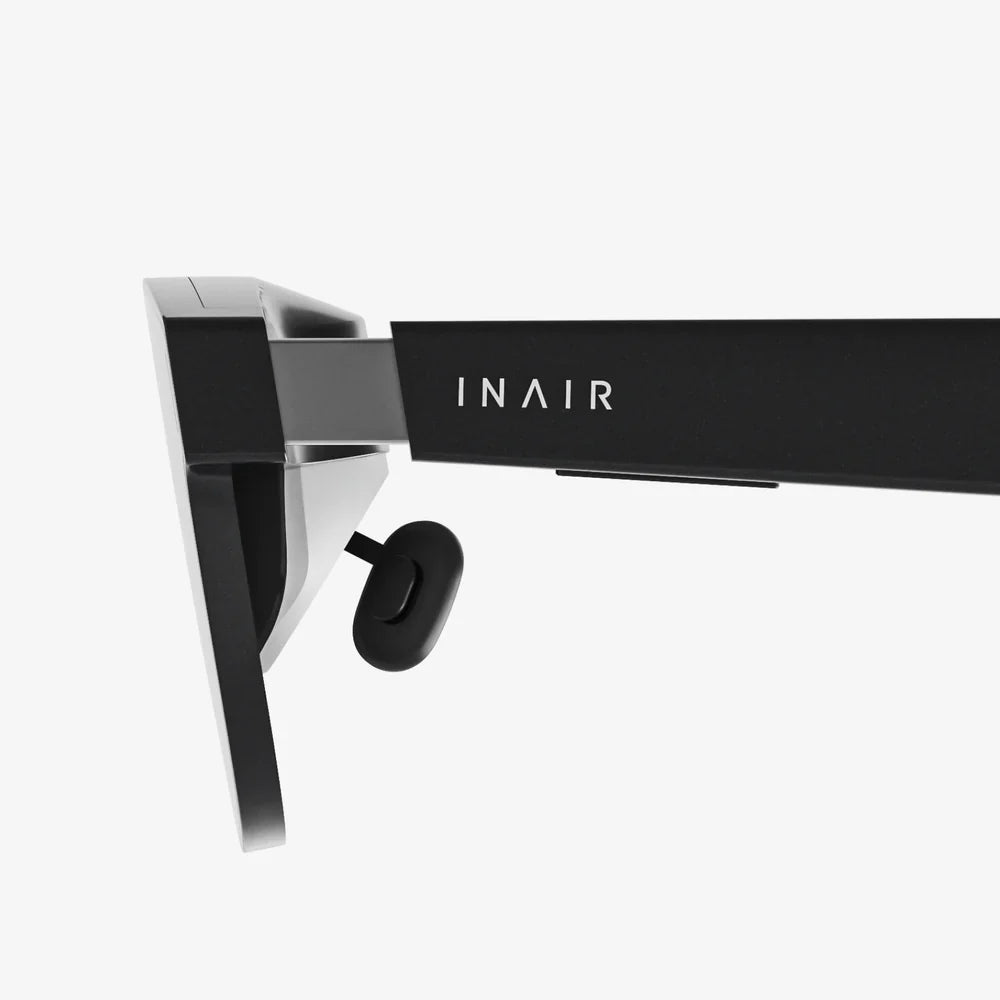
vr frames glasses for virtual reality headsets are quietly becoming the secret weapon of serious VR users. If you have ever pulled off a headset with sore ears, smudged lenses, or a pounding headache from your regular glasses, you already know why these specialized frames are attracting so much attention. The right insert frames can turn a frustrating, blurry session into a crisp, comfortable, fully immersive experience that actually makes you want to stay in virtual worlds longer.
Most people assume VR discomfort is just part of the deal: a bit of eye strain here, a little fogging there, and constant adjusting of the headset to keep things in focus. But a major culprit is often the interaction between your everyday glasses and the headset’s optics. That is exactly the problem vr frames glasses for virtual reality headsets are designed to solve. By tailoring the optical setup to your eyes and the headset’s lenses, they can dramatically upgrade clarity, reduce pressure points, and protect the headset itself from scratches.
Why Traditional Glasses Struggle Inside VR Headsets
To understand the value of vr frames glasses for virtual reality headsets, it helps to look at why standard glasses often perform poorly in VR. Headsets are engineered with a very specific eye-to-lens distance, field of view, and sweet spot for clarity. Regular glasses were never designed with these constraints in mind.
Here are the most common problems that arise when you wear your everyday glasses inside a VR headset:
- Lens-to-lens contact: The front surface of your glasses can easily scrape or press against the headset lenses, risking permanent scratches and distortion.
- Reduced field of view: Glasses frames can block peripheral vision, making your VR world feel narrower and less immersive.
- Misalignment: Even slight shifts in your glasses position can push your eyes out of the headset’s optical sweet spot, causing blur and eye strain.
- Pressure and discomfort: Head straps press your glasses into your face, leading to sore nose bridges, temple pain, and red marks after short sessions.
- Fogging and smudging: The enclosed space and your breathing can fog your glasses, while constant adjustments add fingerprints and smears.
- Fit limitations: Some headset facial interfaces simply do not leave enough room for larger or uniquely shaped frames.
All of these issues compound over time, making VR less enjoyable and sometimes even unusable for people who rely on corrective lenses. vr frames glasses for virtual reality headsets are built to integrate with the headset’s design rather than fight against it, which is why they are such a game changer.
What Are vr frames glasses for virtual reality headsets?
When people talk about vr frames glasses for virtual reality headsets, they are generally referring to two closely related concepts:
- Lens insert frames: Compact frames that sit directly over or just in front of the headset’s built-in lenses. These hold prescription or non-prescription lenses tailored to your vision.
- VR-optimized eyeglass frames: Ultra-low profile glasses specifically shaped and sized to fit comfortably inside a range of headsets without pressure or lens contact.
Both approaches aim to achieve the same goals: correct your vision, preserve or enhance the headset’s field of view, and eliminate physical conflicts between traditional glasses and VR hardware.
Lens insert style vr frames glasses for virtual reality headsets are becoming particularly popular because they effectively turn your headset into a custom optical device. Once installed, you can usually use the headset without your regular glasses at all, enjoying a cleaner, simpler, and safer setup.
Key Benefits of Using VR-Specific Frames and Inserts
Upgrading to vr frames glasses for virtual reality headsets is not just about comfort; it can fundamentally change how you experience virtual environments. Here are the main benefits that users typically notice immediately.
1. Sharper Visual Clarity
VR headsets rely on precise alignment between your eyes and the display lenses. Traditional glasses can sit too far away, at the wrong angle, or slightly off-center. VR-specific frames and inserts are designed to maintain the correct distance and alignment, which can lead to:
- Cleaner text and UI elements
- More detailed textures and distant objects
- Less chromatic aberration and edge blur
- Reduced need to constantly adjust the headset position
2. Dramatically Improved Comfort
Comfort is where vr frames glasses for virtual reality headsets often make the biggest difference. By eliminating bulky temple arms and thick frames inside the headset, you reduce pressure points and friction. Lens inserts remove the need for external glasses entirely, so the headset rests directly on your face as designed.
This can mean:
- Longer sessions without discomfort
- No more pinching at the sides of your head
- Less nose bridge strain
- Fewer red marks and indentations after playing
3. Protection for Your Headset Lenses
Headset lenses are usually made of plastic and are surprisingly easy to scratch. One bad collision between your glasses and the headset can leave permanent marks that cannot be polished out. vr frames glasses for virtual reality headsets that use inserts create a physical barrier between your prescription lenses and the headset optics.
Even low-profile VR-optimized eyeglass frames reduce the risk of contact by sitting closer to your face and away from the headset lens surface. Over time, this protection helps maintain image quality and preserves the value of your VR hardware.
4. Reduced Fogging and Smudging
Fogging happens when warm, moist air from your breath or skin hits the cooler surface of your lenses. With two sets of lenses (your glasses and the headset), the problem can double. vr frames glasses for virtual reality headsets streamline the optical path, often reducing the number of exposed surfaces and improving airflow.
Lens inserts also tend to stay cleaner, because you are not constantly adjusting them with your fingers. Fewer smudges mean fewer interruptions and clearer vision.
5. More Stable Focus and Less Eye Strain
Any tiny shift in your glasses position can change how your eyes focus, especially in VR where the optics are already doing heavy lifting. Because vr frames glasses for virtual reality headsets are fixed in place or designed to stay put inside the headset, your eyes do not have to constantly adapt to micro-changes.
This stability can lead to:
- Less eye fatigue over long sessions
- Reduced headaches for sensitive users
- More consistent perceived sharpness
Types of vr frames glasses for virtual reality headsets
Not all VR-specific frames are the same. Understanding the main types will help you pick the best option for your setup, budget, and comfort preferences.
1. Prescription Lens Inserts
These are custom or semi-custom frames that clip, magnetically attach, or slide into place directly over your headset’s lenses. You provide your prescription details, and lenses are cut to match your needs.
Advantages:
- No need to wear regular glasses in VR
- Clean, integrated look and feel
- Excellent protection for headset lenses
- Often designed specifically for particular headset models
Considerations:
- Initial cost can be higher than generic frames
- May need new inserts if your prescription changes significantly
- Usually headset-specific; may not transfer perfectly to a different device
2. Non-Prescription Inserts (for Eye Relief and Protection)
Some vr frames glasses for virtual reality headsets use non-prescription lenses to provide blue light filtering, anti-glare coatings, or simple scratch protection for the headset optics. These are useful if you have perfect or near-perfect vision but want to reduce eye strain or protect your gear.
Advantages:
- Lower cost than prescription inserts
- Can enhance comfort and reduce digital eye strain
- Protect headset lenses from dust and scratches
Considerations:
- No correction for vision problems
- Still require proper installation and cleaning
3. VR-Optimized Eyeglass Frames
These are ultra-thin, lightweight glasses designed to fit inside many VR headsets with minimal interference. They use slim temples, compact hinges, and low-profile lenses to reduce bulk.
Advantages:
- Work with multiple headsets, not tied to one model
- Can be worn outside VR as regular glasses
- Less expensive than multiple sets of dedicated inserts for different devices
Considerations:
- Still introduce an extra layer of glass between your eyes and the headset
- Some headsets may still feel tight depending on your facial structure
- Less protection for headset lenses than full inserts
How to Choose the Right vr frames glasses for virtual reality headsets
Selecting the right solution is about balancing vision needs, comfort, compatibility, and budget. Here are the main factors to consider.
1. Your Vision Requirements
Your prescription details are the starting point. Pay attention to:
- Sphere (SPH): How nearsighted or farsighted you are.
- Cylinder (CYL) and axis: If you have astigmatism, make sure the provider supports it.
- Pupillary distance (PD): The distance between your pupils; critical for lens alignment.
If your prescription is strong or includes significant astigmatism, prescription inserts are often more comfortable and accurate than trying to squeeze standard glasses inside the headset.
2. Headset Compatibility
vr frames glasses for virtual reality headsets must fit the specific hardware you own. For inserts, this means choosing frames designed for your exact headset model. For VR-optimized glasses, look for:
- Measurements of lens width and height compared to your headset’s available space
- Curved or angled designs that avoid touching the headset lenses
- User feedback from people with the same headset you use
Some headsets include adjustable eye relief or facial interface spacers that make it easier to accommodate glasses. If yours does, factor that into your decision.
3. Comfort and Fit
Comfort is deeply personal, but there are universal things to look for:
- Weight: Lighter frames and inserts reduce pressure on your nose and cheeks.
- Smooth edges: Frames should not dig into your skin or catch on the headset padding.
- Stable mounting: Inserts should click or magnetically attach with a secure, wobble-free fit.
- Space for eyelashes: Your eyes should not feel like they are touching the lenses when you blink.
If possible, measure the distance from your eye to your current glasses lenses and compare it with the expected distance using inserts or VR-optimized frames. Closer lenses can improve field of view but must still be comfortable.
4. Lens Coatings and Materials
The right lens options can significantly enhance your VR experience. When evaluating vr frames glasses for virtual reality headsets, consider:
- Anti-reflective coating: Reduces internal reflections and halos in high-contrast scenes.
- Blue light filtering: May help reduce eye fatigue for long sessions, especially in darker environments.
- Scratch-resistant coating: Adds durability, particularly important for inserts that you will clean frequently.
- High-index materials: Thinner lenses for strong prescriptions, reducing overall bulk.
5. Budget and Long-Term Use
Think of vr frames glasses for virtual reality headsets as part of your overall VR investment. Spending a bit more on quality optics can make your headset feel like a higher-end device. Ask yourself:
- How many hours per week do you spend in VR?
- Are you likely to upgrade your headset soon?
- Do multiple people with different prescriptions use the same device?
If several users share a headset, you might need multiple sets of inserts or a more flexible solution like VR-optimized glasses that each person wears separately. For heavy solo users, a tailored insert setup is often worth the cost.
Setting Up and Using VR Lens Inserts
Once you choose vr frames glasses for virtual reality headsets in the form of inserts, proper installation and configuration are crucial for getting the best results.
Step 1: Clean the Headset Lenses
Before attaching anything, gently clean the headset lenses with a microfiber cloth and appropriate lens cleaner or a lightly dampened cloth. Avoid harsh chemicals or rough fabrics that can scratch the surface.
Step 2: Attach the Mounting Frames
Many insert systems use a two-part design: a base mount that clips around or onto the headset lenses, and the actual lens frame that snaps onto that base. Carefully align the base with the lens edges, making sure not to press directly on the lens surface.
Follow the manufacturer’s instructions closely, as each headset has slightly different mounting points and clearances.
Step 3: Snap in the Lens Inserts
Once the base is in place, attach the prescription or non-prescription lenses. You should feel or hear a gentle click when they are fully seated. Check for:
- No visible gap between the insert and the mount
- Even alignment on both sides
- No contact between the insert and the headset casing
Step 4: Adjust IPD and Headset Fit
With the inserts installed, put on the headset and adjust the interpupillary distance (IPD) slider or software setting. Because inserts are aligned to your PD, you may find a slightly different IPD setting feels sharper than before.
Next, adjust the head straps and facial interface to ensure the headset sits level and stable on your face. Take a few minutes to look around in a high-contrast scene and fine-tune the fit for maximum clarity.
Step 5: Test for Comfort and Visual Quality
Spend at least 15 to 30 minutes in a variety of VR environments: text-heavy menus, bright outdoor scenes, and darker interiors. Pay attention to:
- Any pressure points or discomfort
- Edge clarity and focus consistency
- Signs of eye strain or headaches
If something feels off, double-check the insert alignment, IPD, and strap tension. Sometimes a small adjustment can make a big difference.
Care, Cleaning, and Maintenance Tips
vr frames glasses for virtual reality headsets are an investment that you will want to keep in top condition. Proper care extends their life and preserves image quality.
Cleaning Best Practices
- Use a dedicated microfiber cloth for your inserts and headset lenses.
- If needed, use a small amount of lens-safe cleaning solution; never spray directly into the headset.
- Avoid paper towels, tissues, or clothing, which can scratch lenses.
- Clean gently in circular motions from the center outward.
Storage and Handling
- When not using the headset, store it in a dust-free area or protective case.
- If you remove the inserts, keep them in a hard case to avoid bending or scratching.
- Do not leave the headset facing direct sunlight; the lenses can concentrate light and damage the displays.
Managing Prescription Changes
If your prescription changes, you may need new lenses. Some insert systems allow you to keep the same mounting frames and only replace the lens portion, which can save money. Keep your prescription details handy and consider ordering updated lenses if you notice:
- Increasing blur or difficulty focusing
- More frequent eye strain
- Headaches starting earlier in VR sessions
Who Benefits Most from vr frames glasses for virtual reality headsets?
While almost anyone who wears glasses can benefit, some users see especially dramatic improvements.
1. Gamers and Enthusiasts
Gamers who spend hours in VR appreciate the comfort and visual clarity that vr frames glasses for virtual reality headsets provide. Competitive players, in particular, gain from sharper visuals and reduced fatigue, which can translate into better performance and faster reaction times.
2. Professionals Using VR for Work
From design and engineering to training and medical simulation, VR is increasingly a professional tool. For these users, reliability and comfort are critical. Lens inserts and VR-specific frames help ensure that long work sessions remain productive rather than exhausting.
3. Creators and Developers
Developers and artists who build VR experiences need to see their work with maximum clarity to catch visual artifacts, assess lighting, and fine-tune user interfaces. vr frames glasses for virtual reality headsets help them judge detail accurately and iterate more efficiently.
4. Users with Strong Prescriptions
Those with high levels of nearsightedness, farsightedness, or astigmatism often struggle the most with standard glasses in VR. The bulk and optical compromises can be severe. Custom inserts tailored to strong prescriptions can feel like getting an entirely new headset.
Common Myths About VR and Glasses
There are a few persistent myths that can make people hesitant to invest in vr frames glasses for virtual reality headsets. Clearing these up can help you make a more informed decision.
Myth 1: VR Is Not Compatible with Strong Prescriptions
Many people assume that if their prescription is strong, VR will always be blurry or uncomfortable. In reality, well-made inserts can handle quite strong prescriptions, including complex astigmatism, as long as the provider supports the necessary ranges.
Myth 2: VR Will Ruin Your Eyesight
While extended VR use can cause temporary eye strain or fatigue, there is no solid evidence that it permanently damages healthy eyes when used responsibly. Using vr frames glasses for virtual reality headsets that correctly match your prescription can actually reduce strain compared to using VR with inadequate correction.
Myth 3: Any Cheap Frames Will Work Fine
In VR, small optical flaws are magnified. Low-quality lenses with poor coatings or inaccurate prescriptions can create glare, distortions, or misalignment that feels far worse in a headset than in everyday life. Investing in decent optics is worth it if you care about comfort and immersion.
Future Trends in vr frames glasses for virtual reality headsets
The world of VR optics is evolving quickly, and vr frames glasses for virtual reality headsets are likely to become even more sophisticated. Some promising directions include:
- Adaptive lenses: Lenses that can dynamically adjust focus or correct for multiple prescriptions, potentially allowing one insert to serve multiple users.
- Integrated eye tracking: Frames or inserts that work seamlessly with eye-tracking systems to maintain alignment and improve foveated rendering.
- Slimmer, lighter materials: Advances in lens manufacturing that reduce weight and thickness even for strong prescriptions.
- Standardized mounting systems: More headsets adopting common attachment mechanisms, making inserts more transferable between devices.
As VR becomes more mainstream, the demand for high-quality, comfortable optical solutions will continue to grow, pushing innovation in both hardware and lens design.
Practical Tips to Maximize Comfort and Immersion
Beyond choosing the right vr frames glasses for virtual reality headsets, a few simple habits can dramatically improve your day-to-day experience.
- Take regular breaks: Even with perfect optics, give your eyes a rest every 30 to 60 minutes.
- Adjust room lighting: Avoid extremely bright light behind you that can cause reflections inside the headset.
- Fine-tune strap tension: Tight enough to keep the headset stable, but not so tight that it presses uncomfortably on your face.
- Keep lenses spotless: Make quick cleaning part of your pre-session routine.
- Experiment with facial interfaces: Different face pads or shapes can change the distance between your eyes and the lenses, affecting clarity and comfort.
With these practices, vr frames glasses for virtual reality headsets become part of a broader strategy to make VR not just usable, but genuinely enjoyable for long-term use.
Once you experience VR through properly chosen and installed vr frames glasses for virtual reality headsets, it is hard to go back. Worlds look sharper, sessions feel easier on your eyes, and the headset finally fits the way it was meant to. Instead of fighting with your glasses every time you dive into a virtual environment, you can focus entirely on the game, the story, the project, or the training scenario in front of you. If you are serious about unlocking the full potential of your headset, upgrading your optical setup is one of the most impactful changes you can make.
共有:
人工知能が世界、産業、そして未来をどう変えるのか
AI Efficiency Tools Transforming Workflows And Everyday Productivity