


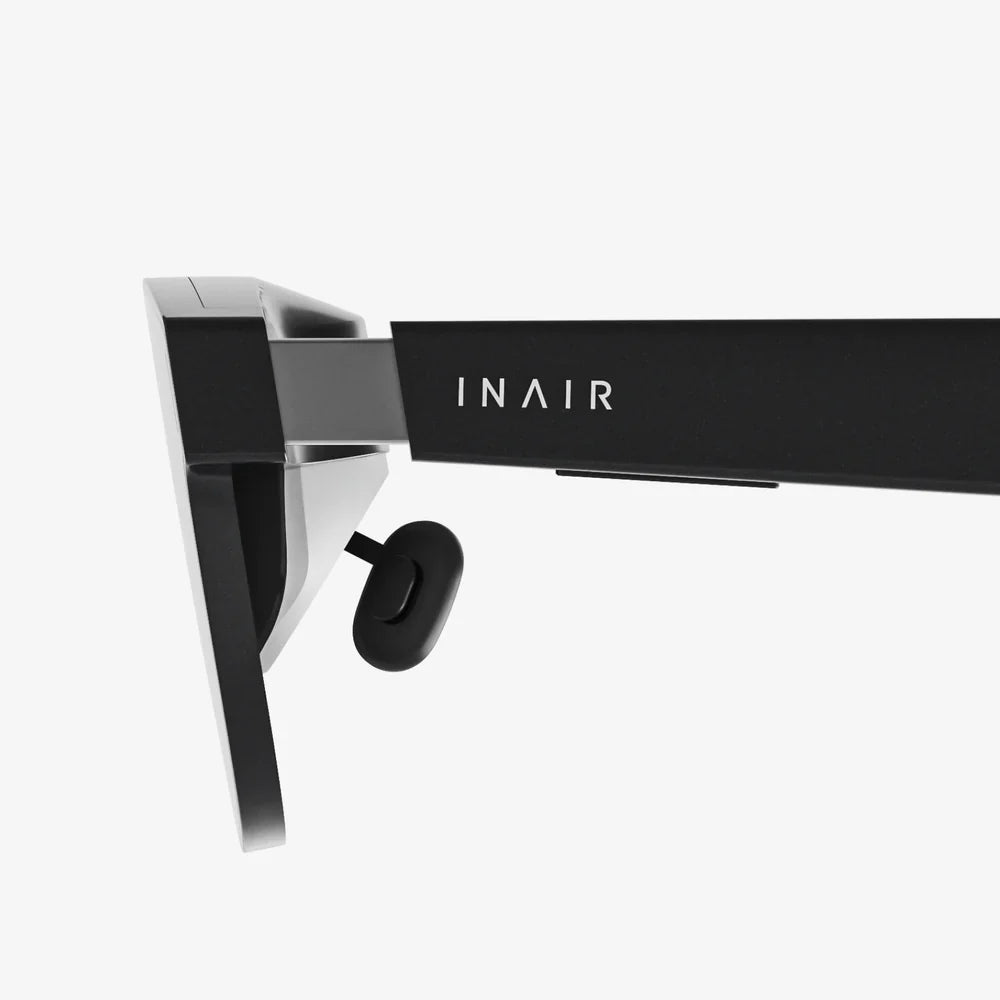
If you have ever wondered what can you watch with virtual reality goggles and whether they are actually worth your time, you are not alone. The moment you put on a VR headset and press play, you realize this is not just another screen; it is a doorway into movies, games, live events, and experiences that feel like you stepped straight inside the story. The real surprise is how many different things you can watch in VR today, and how dramatically they can change your daily entertainment, learning, and even fitness routines.
Virtual reality used to sound like science fiction, but it has quickly become a practical way to watch content that feels personal, immersive, and unforgettable. Whether you want to sit courtside at a championship game, explore the surface of Mars, attend a live concert from your couch, or watch a movie in a private cinema that looks bigger than your living room wall, VR can deliver. To help you unlock everything your headset can do, this guide breaks down exactly what you can watch with virtual reality goggles, how those experiences work, and why they feel so different from traditional screens.
1. Cinematic Movies in a Virtual Theater
One of the first answers to the question what can you watch with virtual reality goggles is also the most familiar: movies. The difference is not the film itself, but how you experience it. In VR, you can sit inside a virtual cinema with a gigantic screen, realistic sound, and the feeling that you are in an actual theater, even if you are lying on your bed.
Most VR movie apps simulate environments like classic cinemas, modern theaters, outdoor drive-ins, or even futuristic spaceships. You choose a seat, adjust the screen size and distance, and watch standard 2D or 3D movies as if you were in a premium theater. Some platforms let you watch with friends in a shared virtual room, complete with avatars, spatial audio, and the ability to react together in real time.
This kind of VR viewing is ideal if you lack a big TV or projector, or if you simply want a more immersive, distraction-free environment. It also creates a sense of privacy; nobody can see your screen, and you can watch what you want without anyone looking over your shoulder.
2. 360-Degree Videos That Put You in the Scene
Beyond traditional movies, one of the most unique things you can watch with virtual reality goggles is 360-degree video. These are recorded with special cameras that capture everything around them, allowing you to look in any direction while the video plays. When you turn your head in VR, the view changes as if you are standing inside the scene.
360-degree videos cover almost every topic imaginable: travel, nature, extreme sports, music videos, documentaries, and more. You can stand on the edge of a cliff, float underwater with sea turtles, walk through historical sites, or ride along with a race car driver. Unlike a flat video where the director controls your view, you choose where to look, creating a more personal and active experience.
Some 360 content is static, like a camera placed in the center of a room, while other videos are dynamic, taking you along a planned route. Either way, the sense of presence is powerful. You are not just watching a place; you feel like you are there.
3. Fully Immersive VR Films and Interactive Stories
If 360-degree video is like standing in the middle of a recording, fully immersive VR films are like stepping into a digital world built around you. These experiences use real-time 3D graphics instead of pre-recorded footage, allowing you to move around, interact with objects, and sometimes influence the story itself.
When you ask what can you watch with virtual reality goggles beyond normal movies, these narrative experiences are a major answer. Imagine watching a short film where you can walk through the scene, inspect details, and trigger events by looking at or touching certain objects. You might follow characters through a haunted house, explore a fantasy world, or witness a story from multiple perspectives by physically moving around the environment.
Some VR stories are passive, where you simply watch as the narrative unfolds around you, while others are interactive, blending elements of gaming and cinema. This new form of storytelling is still evolving, but it already offers moments of emotional impact that traditional flat screens struggle to match.
4. Live Sports from Virtual Front-Row Seats
Sports fans often wonder what can you watch with virtual reality goggles that truly changes the game. Live sports broadcasts in VR are one of the most exciting answers. Instead of watching from a fixed camera angle on TV, you can sit virtually courtside, ringside, or right on the sidelines with a panoramic view of the action.
Some productions use 360-degree cameras placed at key positions around the stadium, letting you look around freely as the game unfolds. Others offer multiple virtual viewpoints, so you can jump from one seat to another with a simple click. You might watch a basketball game from just behind the hoop, a soccer match from the halfway line, or a racing event from the pit area.
VR sports broadcasts can also overlay stats, replays, and commentary in your field of view, creating a customized sports-watching dashboard. For people who cannot attend in person due to distance, cost, or limited tickets, VR offers a powerful way to feel closer to the action without leaving home.
5. Live Concerts and Music Performances
Another compelling answer to what can you watch with virtual reality goggles is live music. VR concerts allow you to attend shows across the world, even if you never set foot in the venue. You can stand on stage next to the performers, watch from the front row, or float above the crowd with a unique bird's-eye view.
Some VR concert experiences are recorded 360-degree performances, while others are fully virtual shows created inside digital environments. The latter can include impossible visual effects, massive virtual stages, and interactive elements that respond to the music. You might watch a singer perform inside a floating city, or a band playing on a stage that transforms with each song.
VR also enables intimate performances, like acoustic sets in small virtual rooms where you feel just a few feet away from the artist. For music fans, this is a way to experience both the energy of live shows and the closeness of private sessions without dealing with travel, crowds, or long lines.
6. Travel Experiences and Virtual Tourism
Travel content is one of the most popular categories when people search what can you watch with virtual reality goggles. VR lets you visit destinations around the world in minutes, from iconic landmarks to remote natural wonders. You can walk through ancient ruins, stand at the edge of volcanoes, or explore bustling city streets without leaving your home.
Some VR travel apps offer guided tours, with narration and information about each location. Others let you roam freely, looking around at your own pace. High-resolution 360-degree footage and photorealistic 3D environments can make these experiences surprisingly convincing, especially when combined with spatial audio that captures local sounds.
Virtual tourism can be useful for trip planning, education, or simply satisfying curiosity. It is also valuable for people who cannot travel easily due to physical, financial, or time limitations. While VR cannot fully replace real-world travel, it offers a powerful supplement and a way to experience places you might never otherwise see.
7. Educational Documentaries and Learning Experiences
Education is a major part of what you can watch with virtual reality goggles, and it is rapidly expanding. VR documentaries and learning apps turn complex topics into immersive experiences that are easier to understand and remember. Instead of reading about an event or watching a flat video, you stand inside a historical moment, a scientific process, or a distant ecosystem.
History documentaries might place you in the middle of key events, allowing you to look around as if you were there. Science experiences can shrink you down to explore the inside of a cell, travel through the human bloodstream, or float through the solar system. Geography and culture apps can immerse you in local environments, traditions, and daily life across the globe.
Because VR engages your senses and movements, it often improves focus and retention compared to traditional learning. Schools, universities, museums, and training centers are increasingly using VR to teach subjects like biology, physics, history, engineering, and even soft skills such as public speaking or negotiation.
8. Fitness, Dance, and Active Video Experiences
When considering what can you watch with virtual reality goggles, many people overlook fitness and dance content. Yet VR is quickly becoming a powerful tool for home workouts that feel more like games than exercise routines. Instead of staring at a static fitness video, you move inside a dynamic environment that reacts to your actions.
Some VR fitness experiences place you in rhythm-based environments where you punch, dodge, or slice objects to the beat of music. Others simulate boxing, martial arts, or full-body dance classes, with virtual instructors guiding your movements. You can watch their demonstrations in 3D, follow along, and receive feedback based on your performance.
There are also guided meditation and yoga experiences that transport you to peaceful beaches, mountain tops, or quiet forests. Watching calming scenes in VR while listening to a soothing voice can make relaxation and mindfulness practices more engaging and effective.
9. Social VR Spaces, Watch Parties, and Virtual Hangouts
Another major category of what you can watch with virtual reality goggles involves other people. Social VR platforms let you join virtual rooms where you can watch videos together, chat, play mini-games, or simply hang out. Instead of sharing a screen over a video call, you meet as avatars in a digital space that feels more like being physically present together.
In these environments, you can host watch parties for movies, shows, or live streams. You might sit on a virtual couch in a digital living room, relax in a rooftop lounge, or gather around a massive outdoor screen under the stars. Spatial audio makes conversations feel natural, as voices change based on distance and direction.
Social VR is especially useful for long-distance relationships, remote friendships, and online communities. It turns passive watching into a shared experience, recreating the feeling of going to the movies with friends or watching a big game together, even if everyone is in a different part of the world.
10. Immersive News, Journalism, and First-Person Reports
News organizations are increasingly experimenting with VR, which adds another layer to what you can watch with virtual reality goggles. Instead of reading an article or watching a short clip, you can step into the scene of a news story and experience it from a first-person perspective.
Immersive journalism projects have placed viewers in refugee camps, disaster zones, protest marches, and remote communities affected by climate change. The goal is not to sensationalize, but to provide a deeper understanding of what life feels like in those situations. When you can look around and see the environment yourself, the story often becomes more personal and emotionally impactful.
These VR news experiences are usually short but powerful. They can help audiences connect with complex issues, empathize with people in difficult circumstances, and see beyond simplified headlines.
11. Nature, Wildlife, and Underwater Experiences
Nature content is one of the most visually stunning answers to what can you watch with virtual reality goggles. High-quality VR experiences let you stand at the edge of waterfalls, walk through dense jungles, observe wildlife up close, or dive deep into the ocean alongside marine creatures.
Some experiences are guided, with narration explaining the animals, plants, and ecosystems around you. Others are more meditative, letting you simply exist in a beautiful environment while listening to natural sounds. Underwater VR can be particularly striking, as you float weightlessly among coral reefs, schools of fish, and large sea mammals.
For people who love nature but cannot easily access remote locations, VR provides a way to reconnect with the natural world. It can also serve as a calming escape from busy urban life, offering a digital form of eco-therapy.
12. Art Galleries, Museums, and Cultural Exhibitions
Art and culture are increasingly part of what you can watch with virtual reality goggles. Many museums and galleries now offer virtual tours, allowing you to explore their collections from home. You can walk through digital halls, approach paintings and sculptures, and sometimes access extra information or audio guides with a simple gaze or click.
Beyond recreating real-world spaces, VR also enables entirely new forms of digital art. Artists can create interactive installations that respond to your movements, surround you with animated sculptures, or place you inside abstract worlds that constantly shift and evolve. Instead of standing outside a work of art, you become part of it.
Cultural exhibitions can also use VR to reconstruct historical sites, lost artifacts, or ancient cities. You might explore a temple as it looked centuries ago, walk through a reconstructed marketplace, or witness cultural rituals that have not been performed for generations.
13. Productivity, Training, and Professional Simulations
While entertainment dominates many discussions about what can you watch with virtual reality goggles, professional and training content is equally important. VR is used in industries such as healthcare, aviation, manufacturing, and emergency response to simulate real-world tasks and environments in a safe, controlled way.
Training simulations can show you step-by-step procedures, letting you watch from different angles and then practice the actions yourself. For example, a medical trainee might watch a virtual surgery, then rehearse the steps on a digital model. A technician might watch a repair process on a virtual machine before working on the real equipment.
These experiences blend watching and doing, which improves understanding and skill retention. They also reduce risk and cost, since mistakes in VR do not damage real equipment or endanger lives.
14. Relaxation, Mindfulness, and Mental Wellness Content
Mental wellness is an increasingly important part of what you can watch with virtual reality goggles. Many apps focus on relaxation, stress relief, and guided meditation, placing you in peaceful environments designed to calm your mind and body.
You might sit beside a digital campfire under a starry sky, relax on a quiet beach at sunset, or float among soft clouds while listening to soothing music and voice guidance. Some experiences include breathing exercises, body scans, or visualization techniques, all enhanced by the immersive visuals and spatial audio.
For people who struggle to relax in everyday environments full of noise and distractions, VR can create a personal sanctuary on demand. It is not a replacement for professional mental health care, but it can be a valuable tool for self-care and daily stress management.
15. Experimental, Mixed Reality, and Future Content
The final category of what you can watch with virtual reality goggles is the most open-ended: experimental and mixed reality content that blurs the line between VR, augmented reality, and traditional media. As technology advances, creators are constantly testing new formats that combine real-world video with virtual elements.
Mixed reality experiences might let you see your actual room while virtual characters or objects appear around you. You could watch a digital presenter standing in your living space, or see informational overlays on real objects. Other experimental projects involve multi-user interactive performances, where you and others watch and influence a live virtual show together.
These emerging formats suggest that the future of VR watching will be even more flexible and personalized. Instead of choosing between "real" and "virtual," you will blend them in ways that suit your needs, whether for entertainment, learning, or work.
How to Choose the Right VR Content for You
Now that you have a broad view of what you can watch with virtual reality goggles, the next step is choosing content that fits your interests, comfort level, and hardware. Here are a few practical guidelines to help you navigate the options.
1. Match content to your comfort level: If you are new to VR or prone to motion sickness, start with stationary experiences like virtual cinemas, 360-degree nature videos, or guided meditation. Avoid fast-moving or intense experiences until you feel more comfortable.
2. Consider your goals: Are you looking for entertainment, education, fitness, social connection, or relaxation? Narrowing your purpose will help you find the most relevant apps and videos. For example, choose narrative films for storytelling, travel apps for exploration, or fitness experiences for active sessions.
3. Check compatibility: Different headsets support different app stores and video formats. Before getting excited about a specific experience, confirm that it runs on your device and that your internet connection can handle high-quality streaming or downloads.
4. Look for user reviews and ratings: The quality of VR content can vary widely. Reviews can help you avoid low-quality or poorly optimized experiences and focus on those that offer smooth performance and compelling visuals.
5. Balance passive and active viewing: VR can be physically and mentally intense. Mix passive experiences, like watching movies or documentaries, with more active ones, like fitness or interactive stories, to avoid fatigue and keep things fresh.
Common Misconceptions About Watching in VR
As you explore what you can watch with virtual reality goggles, it helps to clear up a few common misconceptions that might hold you back.
Misconception 1: VR is only for gamers. While gaming is a big part of VR, the range of watchable content is much broader. Movies, concerts, documentaries, educational experiences, and social events are all accessible without ever touching a game controller.
Misconception 2: All VR makes you sick. Motion discomfort usually comes from poorly designed or very intense experiences. Many VR videos and apps are comfortable for most people, especially those that keep your viewpoint stable and avoid rapid artificial movement.
Misconception 3: There is not enough content. In reality, new VR videos, films, and experiences are released regularly across multiple platforms. From niche documentaries to major live events, the library of what you can watch with virtual reality goggles grows every month.
Misconception 4: VR is isolating. While VR can be a solitary escape, social platforms and shared watch spaces make it highly social if you want it to be. You can watch movies with friends, attend live events together, or join communities built around specific interests.
Making the Most of Your VR Watching Time
To truly benefit from everything you can watch with virtual reality goggles, it helps to approach VR as more than a novelty. Treat it as a flexible tool that can enrich your entertainment, learning, and daily routines.
Schedule time for specific types of experiences: a weekly movie night in a virtual cinema, a short daily meditation in a calming environment, a weekend travel exploration, or a regular fitness session that feels more like a game than a workout. Explore new categories regularly so you do not get stuck repeating the same type of content.
Also pay attention to your comfort. Take breaks when your eyes feel tired or your head feels heavy. Adjust the headset fit, screen brightness, and audio levels to suit your body. The more comfortable you are, the more you will enjoy long sessions and deeper experiences.
Once you understand what you can watch with virtual reality goggles, the real challenge is not finding content but deciding where to start. You can step into a private cinema, fly across the world, stand on stage at a concert, walk through history, or calm your mind in a peaceful digital sanctuary, all from the same device. Every time you put on the headset, you are choosing not just a video, but a place to be and a story to live inside. If you are ready to turn passive watching into immersive experiencing, your virtual reality goggles are waiting to show you just how far a screen can really take you.
共有:
windows mixed reality adjust brightness for a clearer, more comfortable experience
Types of Virtual Reality in Computer Graphics Explained for Modern Experiences