


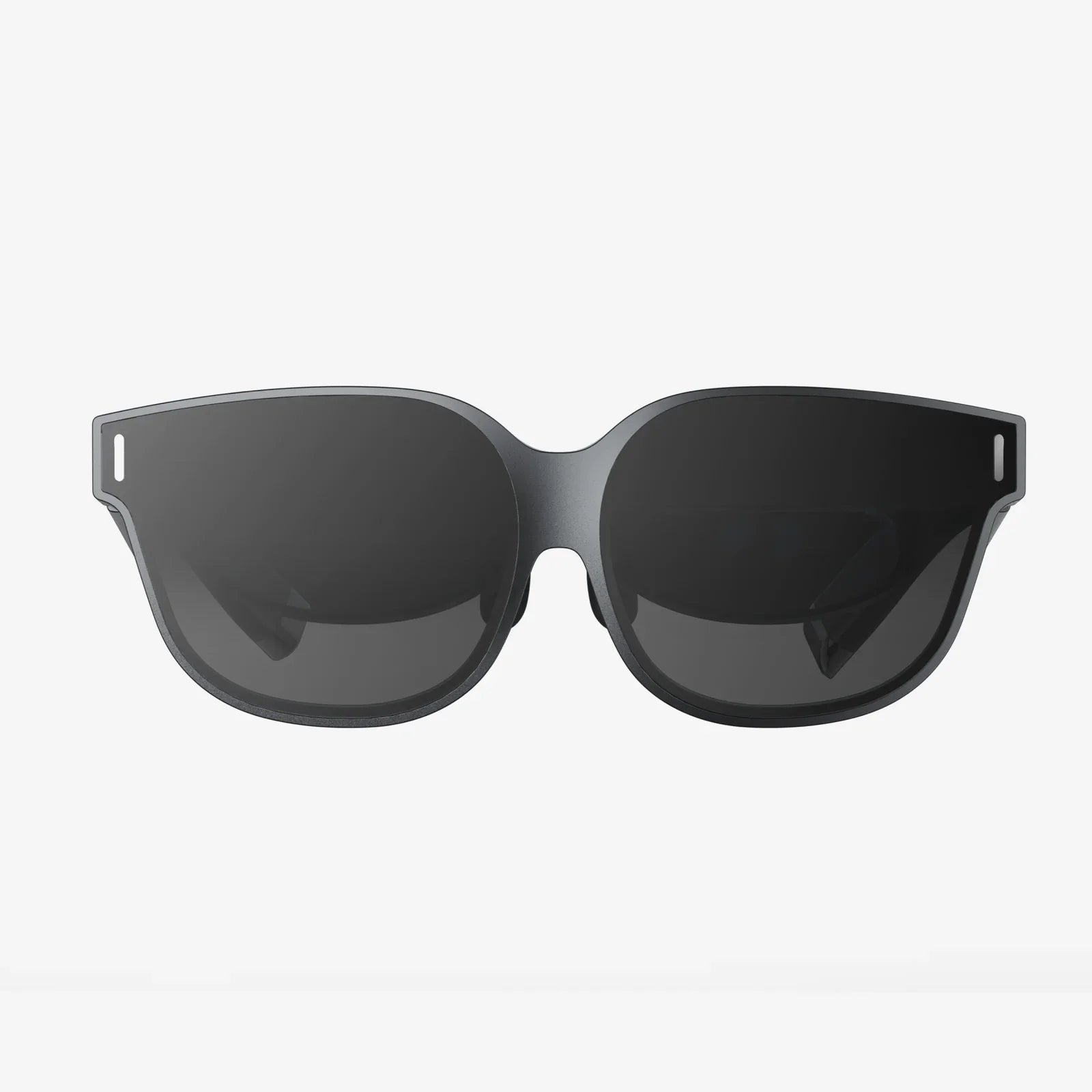
What does VR actually mean for your life right now, beyond the hype and sci‑fi promises? You have probably seen futuristic headsets, flashy gaming trailers, and bold claims about “the metaverse,” but the real story of virtual reality is both more practical and more exciting than marketing slogans suggest. Understanding what VR is, how it works, and where it is headed can help you decide whether it is just a passing trend or a technology that will quietly transform how you work, learn, and play.
At its core, the question what does VR really ask is simple: what does virtual reality do that normal screens cannot? The answer lies in immersion. VR does not just show you an image; it surrounds your senses with a digital world that reacts to your movements as if you were physically there. That shift—from watching content to stepping inside it—is what makes VR both powerful and potentially life‑changing.
What Does VR Mean: A Clear, Simple Definition
When people ask “what does VR mean,” they are usually referring to virtual reality, a computer‑generated environment that you can see, hear, and often interact with in a way that feels convincingly real. You typically experience it through a headset that covers your eyes and ears, sometimes combined with handheld controllers, gloves, or motion sensors.
To understand what VR is, it helps to break it down into three key ideas:
- Immersion: VR aims to make you feel like you are inside a different place or situation, not just looking at it on a screen.
- Presence: This is the psychological effect where your brain starts treating the virtual world as if it is physically real, at least for a moment.
- Interactivity: You can move, look around, and often manipulate objects or interact with other people inside the virtual space.
When these three elements come together, VR becomes more than just a visual trick. It turns into a tool for training, storytelling, therapy, collaboration, and much more.
How VR Works: The Technology Behind the Illusion
To answer “what does VR do” from a technical perspective, you need to look at how it convinces your brain that a digital environment is real. Several components work together:
Head‑Mounted Display (HMD)
The headset is the most visible part of VR. Inside it are:
- Two small screens or a split display, one for each eye, creating a stereoscopic 3D image.
- Lenses that focus and slightly distort the images so your brain fuses them into a single 3D view.
- High refresh rates (how often the image updates per second) to keep motion smooth and reduce discomfort.
Tracking Systems
Tracking is what makes VR feel responsive instead of like a pre‑recorded video. The system tracks:
- Head movement: When you look up, down, or turn your head, the virtual camera moves accordingly.
- Position in space: In more advanced setups, the system knows where you are in a room, so you can walk around a bit in the virtual world.
- Hand or controller movement: This lets you reach out, grab virtual objects, or gesture.
Tracking can be done with cameras, sensors, or built‑in systems in the headset itself. The more accurate and low‑latency the tracking, the more natural VR feels.
Audio and Haptics
VR is not only about visuals. Sound and touch matter too:
- 3D spatial audio makes sounds seem like they are coming from specific locations around you.
- Haptic feedback in controllers or gloves can simulate vibrations, impacts, or textures.
Combining these cues makes the virtual world more convincing. When you hear something behind you and turn to see it, your brain starts to accept the illusion more deeply.
Different Types of VR Experiences
The phrase what does VR mean can cover a wide range of experiences, from simple 360‑degree videos to fully interactive simulations. Some common types include:
360‑Degree Video
This is the most basic form of VR. You can look around in any direction, but you cannot move freely or interact with the environment. It is like standing inside a video bubble.
Interactive VR Environments
These experiences allow you to move around, use controllers, and interact with objects or other users. Games, training simulations, and design tools often fall into this category.
Room‑Scale VR
In room‑scale setups, you can physically walk within a defined area, and your movements are translated into the virtual world. This makes the experience more natural and engaging.
Social VR
Social VR platforms let multiple users meet in shared virtual spaces using avatars. People can talk, collaborate, attend events, or just hang out in a digital environment that feels more present than a simple video call.
What Does VR Offer Beyond Gaming
VR is often associated with gaming, but the question “what does VR do” has a much broader answer. Many industries are already using virtual reality in serious, practical ways.
Education and Training
In education, VR turns abstract concepts into experiences. Instead of reading about a historical site, students can walk through a detailed reconstruction. Instead of imagining the structure of a molecule, they can explore it in 3D.
Training is one of the strongest use cases:
- Medical training: Trainees can practice procedures in a safe, repeatable virtual environment.
- Technical skills: Mechanics, electricians, and operators can rehearse complex tasks without risking real equipment.
- Emergency response: Teams can simulate disasters, accidents, or hazardous situations to improve coordination and response times.
The value here is clear: VR allows people to practice high‑risk or expensive scenarios repeatedly, without the real‑world consequences of mistakes.
Work and Collaboration
When people ask “what does VR mean for work,” the answer is evolving quickly. Virtual reality can create shared spaces where remote teams meet as if they were in the same room. Instead of staring at tiles in a video call, participants can gather around a virtual table, manipulate 3D models, or brainstorm on virtual whiteboards.
Some applications include:
- Virtual meetings that feel more natural than traditional video conferences.
- Design collaboration where architects, engineers, or artists review 3D models at full scale.
- Virtual offices that recreate the feel of a shared workplace for fully remote teams.
While this is still developing, the potential is significant, especially as remote and hybrid work become more common.
Healthcare and Therapy
Healthcare is another area where asking “what does VR do” leads to surprising answers. VR is being used to:
- Support physical rehabilitation by turning exercises into engaging virtual tasks.
- Assist mental health treatment, such as exposure therapy for phobias or anxiety in controlled virtual environments.
- Manage pain and stress by immersing patients in calming, distracting virtual experiences during procedures or recovery.
Because VR can fully capture a patient’s attention, it can reduce the perception of pain or anxiety, making treatment more comfortable.
Art, Storytelling, and Culture
VR also reshapes how we tell stories and experience art. Instead of watching a film from a fixed viewpoint, you can stand inside the scene, choose where to look, and feel like a participant. Museums can offer virtual tours of their collections or recreate historical moments that visitors can explore.
Artists use VR to create immersive installations where the viewer’s presence and movement become part of the artwork. This blurs the line between observer and participant in ways traditional media cannot match.
What Does VR Feel Like: The Human Side of the Experience
Technical explanations only go so far. To really grasp what VR is, you need to consider how it feels to the person wearing the headset.
Presence and Emotional Impact
Presence—the sense of “being there”—is one of VR’s most powerful qualities. Even simple virtual environments can evoke strong emotional reactions, because your brain responds to them as if they were real locations and events.
This can have positive effects, such as making learning more memorable or making exercise more enjoyable. It can also create intense moments in games or simulations that feel far more vivid than anything on a flat screen.
Comfort and Motion Sickness
Not every VR experience is comfortable. Some people experience motion sickness, eye strain, or fatigue, especially if the visuals lag behind their movements or the motion in the virtual world does not match their physical sensations.
Developers and hardware designers work constantly to reduce these issues by improving tracking, increasing frame rates, and designing more comfortable experiences. Still, comfort is an important part of answering “what does VR do to your body and mind,” and it is one reason VR sessions are often shorter than traditional screen time.
Social Presence
Another key feeling in VR is social presence: the sense that other people are truly there with you. Even simple avatars can convey body language, proximity, and engagement in ways that flat screens cannot fully replicate.
This can make remote interactions feel more natural, but it also raises new questions about etiquette, boundaries, and how we present ourselves in virtual spaces.
What Does VR Require: Hardware, Space, and Skills
Before someone can enjoy VR, there are practical considerations. Understanding these helps clarify what VR is in everyday terms.
Hardware and Setup
Depending on the system, VR may require:
- A compatible headset with built‑in screens and sensors.
- A powerful computer or console to render complex virtual worlds, or a standalone device with integrated processing.
- Controllers or input devices for interaction.
- Optional tracking equipment for room‑scale experiences.
As technology advances, VR setups are becoming more compact, wireless, and user‑friendly, lowering the barrier to entry.
Physical Space
VR also needs safe physical space. Even if you are standing still, you may gesture or take a few steps. For room‑scale experiences, you need a clear area free of obstacles so you do not bump into furniture or walls while immersed in the virtual world.
Learning Curve
There is a learning curve, but it is shrinking. Many people adapt quickly to basic VR controls, especially if they are already familiar with touchscreens or game controllers. The more intuitive the experience, the easier it is for newcomers to understand what VR does and how to navigate it.
What Does VR Change About Entertainment
Entertainment is where many people first encounter VR, and it is also where the technology’s strengths are easiest to see.
Gaming and Interactive Experiences
In VR games, you are not just pressing buttons to move a character; you are physically turning your head, aiming with your hands, or dodging with your body. This creates a level of engagement that can be more intense and memorable than traditional gameplay.
Beyond games, interactive experiences can include:
- Virtual concerts where you stand among the crowd or near the stage.
- Immersive theater where you are surrounded by actors and scenes.
- Exploration experiences where you visit imaginary worlds or realistic reconstructions.
When people ask “what does VR do that a normal screen cannot,” entertainment often provides the clearest answer: it puts you inside the story.
Sports and Live Events
VR can also change how you watch sports and live events. Instead of a fixed camera angle, you can sit in a virtual seat with a 360‑degree view, or switch perspectives at will. Over time, this could make remote attendance feel much closer to being there in person.
What Does VR Mean For Education’s Future
In classrooms and training centers, VR has the potential to shift learning from reading and watching to doing and experiencing.
Immersive Classrooms
Imagine a history lesson where students stand in a reconstructed ancient city, or a science class where they shrink down to explore the human bloodstream from the inside. These are not distant fantasies; they are examples of what VR already enables in pilot programs and specialized institutions.
When students can experience complex systems firsthand, they often grasp and remember them more easily. This is one of the most promising answers to “what does VR do for learning outcomes.”
Equal Access to Experiences
VR can bring experiences to people who might never have them otherwise. A school with limited resources can still offer virtual field trips to museums, natural wonders, or international landmarks. A student in a remote area can collaborate in virtual labs with peers around the world.
While hardware costs and access are still challenges, the long‑term potential for more equal access to high‑quality learning experiences is significant.
What Does VR Raise in Terms of Ethics and Safety
Any honest answer to “what does VR mean for society” must address the risks and ethical questions that come with immersive technology.
Privacy and Data
VR systems can collect detailed data about how you move, where you look, and how you interact. This can be useful for improving experiences, but it also raises privacy concerns. Who owns this data? How is it stored, used, or shared?
As VR becomes more common, clear policies and regulations will be needed to protect users from misuse of their behavioral and biometric information.
Psychological Impact
Because VR can feel very real, it can have strong emotional effects. This is powerful for therapy and education, but it also means that disturbing or manipulative content could have deeper impact than traditional media.
Questions arise, such as:
- How do we protect children and vulnerable users in immersive environments?
- What guidelines should exist for intense or realistic simulations?
- How do we help users distinguish virtual experiences from real‑world expectations?
Social Behavior and Harassment
In social VR spaces, people interact through avatars, but the sense of presence is strong. This means positive interactions can feel more meaningful, but negative behavior—like harassment or bullying—can also feel more intense.
Designers and communities are experimenting with tools like personal boundaries, blocking, and reporting systems to keep virtual spaces safe and respectful. These efforts are part of a broader conversation about digital citizenship in immersive environments.
What Does VR’s Future Look Like
Looking ahead, the question “what does VR become in the next decade” leads to several likely developments:
- Smaller, lighter headsets that feel closer to regular glasses than bulky equipment.
- Higher resolution and wider fields of view that make virtual worlds almost indistinguishable from reality at a glance.
- Better hand tracking and haptics that let you interact naturally without controllers.
- Deeper integration with everyday tools, such as virtual monitors for work, or mixed environments that blend digital and physical objects.
As these improvements arrive, VR may fade into the background of daily life, becoming just another way we access information and connect with others, rather than a novelty.
What Does VR Mean For You Personally
Ultimately, the most important version of the question “what does VR mean” is personal: what could it do for you? The answer depends on your interests, goals, and comfort with new technology.
If you are curious about learning, VR can turn education into exploration. If you enjoy entertainment, it can place you inside stories and worlds rather than in front of them. If you work remotely, it can make collaboration feel less like a grid of faces and more like a shared space. If you are focused on health or self‑improvement, it can offer new ways to train, rehabilitate, or relax.
Virtual reality is not magic, and it will not replace every screen or real‑world experience. But it does something unique: it lets you step into places and situations that would otherwise be impossible, too dangerous, too expensive, or too far away. That is the real answer to what VR is—and why it matters more with each passing year.
共有:
artificial intelligence ai software Reshaping Business, Creativity, and Everyday Life
AI Glasses Price and Availability: What You Need to Know Before You Buy