


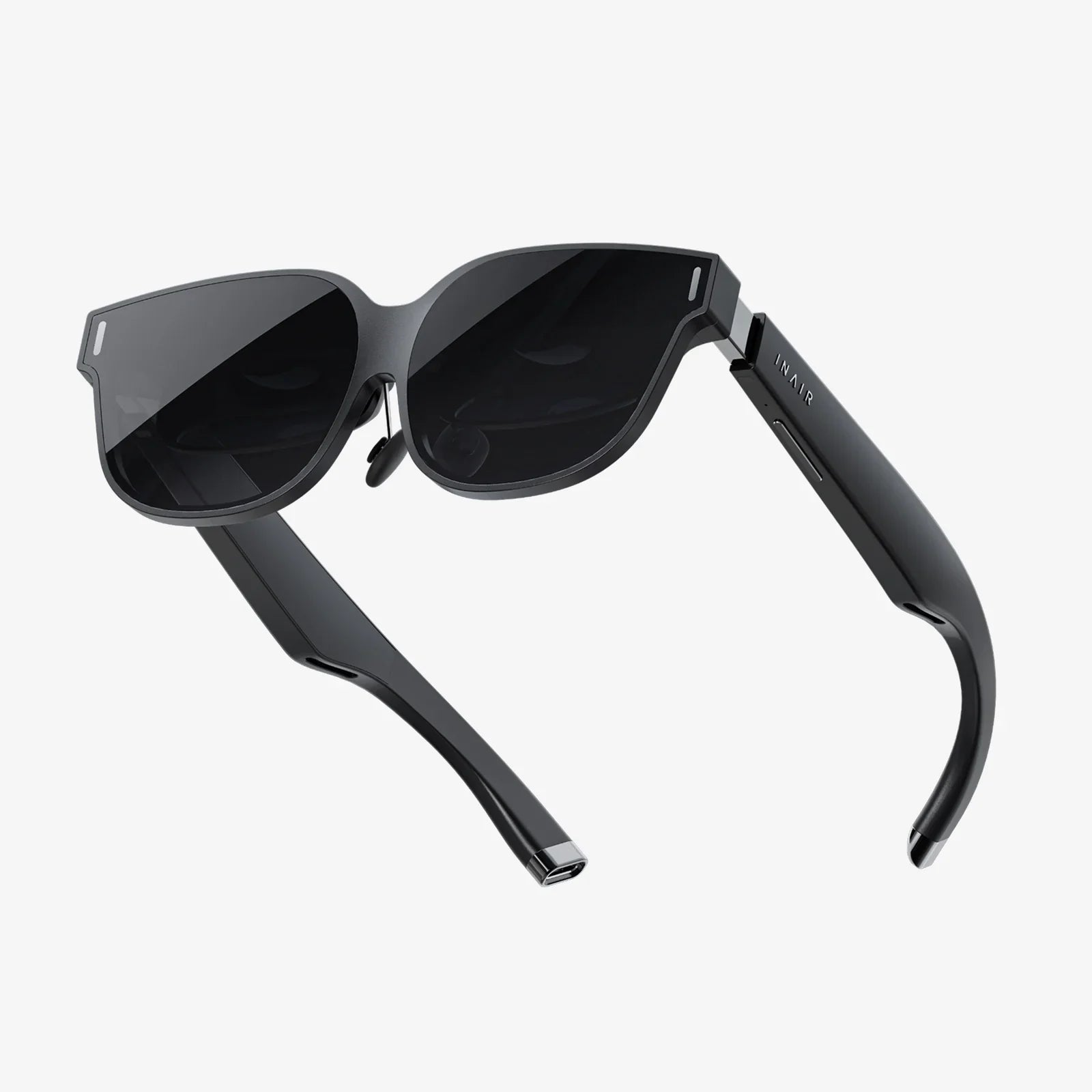
Who is more likely to buy AR glasses right now: the gamer chasing immersion, the surgeon seeking precision, or the remote worker trying to escape endless screens? As augmented reality moves from science fiction into everyday life, understanding who actually pulls out their wallet for AR glasses has become one of the most important questions in tech, business, and even education. The answer is more nuanced than just “young people who love gadgets” and reveals a fascinating blend of age, income, profession, lifestyle, and psychology.
Instead of treating AR glasses as a distant future technology, it is time to look at the real humans already shaping this market. Their habits, fears, and expectations are quietly deciding what kind of augmented future we will all live in. If you want to know where AR is headed, follow the people who are most likely to buy AR glasses today.
Who Is More Likely To Buy AR Glasses: The Core Profiles
When asking who is more likely to buy AR glasses, several overlapping groups consistently appear in surveys, pilot programs, and early adoption trends. These groups share similar motivations: they want better ways to work, play, learn, or express themselves. The main profiles include:
- Tech-savvy early adopters who enjoy being first to try new devices
- Gamers and immersive entertainment fans seeking deeper experiences
- Professionals in high-skill fields such as healthcare, engineering, and design
- Remote workers and productivity seekers looking for new ways to multitask
- Students and educators using AR for interactive learning
- Creators and influencers experimenting with new storytelling formats
- Urban, higher-income consumers who treat AR as the next status gadget
Each of these groups buys for different reasons. Some want efficiency, others want entertainment, and some want status. Understanding their motivations is the key to predicting who is more likely to buy AR glasses in the near future.
Demographic Factors: Age, Income, and Location
Age: Younger Users Lead, But Not Alone
Age strongly influences who is more likely to buy AR glasses, but not in the simplistic way many assume. While younger adults are indeed more open to AR wearables, older professionals are far from absent.
- Late teens to early 30s: This group is generally the most curious and least resistant to wearing tech on their faces. They grew up with smartphones and social media filters, so the idea of digital overlays on the real world feels natural. They are especially drawn to gaming, social experiences, and creative expression through AR.
- Mid 30s to 50s: This age range is more selective but can be highly motivated by productivity, work benefits, and health-related use cases. They are more likely to evaluate AR glasses in terms of return on investment, comfort, and practicality, especially if they use them in professional settings.
- 50s and above: While less likely to buy AR glasses for entertainment, this group can become strong adopters when AR provides clear functional value, such as visual assistance, navigation, training, or remote support. Their adoption depends heavily on ease of use and discreet design.
So, who is more likely to buy AR glasses by age? Young adults lead in pure enthusiasm, but mid-career professionals may drive some of the most serious, high-value purchases.
Income and Spending Power
Price is still one of the biggest barriers to AR glasses adoption. That means higher-income individuals are naturally more likely to buy AR glasses, especially in the early stages of the market.
- Higher-income professionals can afford to experiment with new devices and are more comfortable buying a second or third screen in the form of AR eyewear.
- Middle-income buyers tend to wait until devices are more affordable, more polished, and clearly useful in daily life.
- Students may not have high incomes but can become early adopters if educational institutions, grants, or financing options lower the cost barrier.
Because of this, early AR glasses markets are often concentrated in regions and cities with high earning potential and strong tech ecosystems.
Urban vs. Rural Adoption
Location also plays a role in who is more likely to buy AR glasses. Urban environments offer more reasons to use AR daily: navigation, public transport overlays, live event enhancements, and dense retail areas with digital content.
- Urban dwellers are more likely to encounter AR-powered services, marketing campaigns, and workplace tools, making AR glasses more appealing and useful.
- Suburban and rural users may see fewer AR-enhanced services but could still be drawn to AR glasses for gaming, remote work, and specialized professions such as field maintenance or remote inspections.
As AR infrastructure spreads beyond major cities, the profile of who is more likely to buy AR glasses will broaden accordingly.
Psychological Traits of Likely AR Glasses Buyers
Beyond demographics, psychological traits are powerful predictors of who is more likely to buy AR glasses. Certain mindsets consistently correlate with early interest in AR wearables.
Curiosity and Love of Innovation
People who actively seek out new technology, read about emerging trends, and enjoy experimenting with gadgets are naturally more likely to buy AR glasses. They view glitches and early limitations as part of the adventure rather than dealbreakers.
These buyers often:
- Follow technology news and online communities
- Upgrade devices more frequently than the average consumer
- Enjoy demonstrating new tech to friends and colleagues
Immersion Seekers and Experience Hunters
Another psychological profile includes people who crave immersive, memorable experiences. They are attracted to AR glasses because the technology promises a richer, more layered reality.
They are typically drawn to:
- Immersive games and interactive storytelling
- Live events enhanced with digital overlays
- Travel and tourism experiences that combine physical and digital worlds
Efficiency and Optimization Mindset
On the other end of the spectrum, some likely buyers approach AR glasses as tools rather than toys. They are motivated by productivity, organization, and the desire to streamline tasks.
They tend to be interested in features such as:
- Hands-free access to data, instructions, or messages
- Real-time translation or transcription overlays
- Visual checklists, workflows, and remote guidance
For this group, the question is not “Is AR cool?” but “Does it save me time or reduce errors?”
Professionals Who Are More Likely To Buy AR Glasses
One of the clearest answers to who is more likely to buy AR glasses lies in specific professions. When AR glasses directly enhance job performance, adoption becomes much easier to justify.
Healthcare and Medical Fields
Medical professionals are among those most likely to benefit from AR glasses. Surgeons, nurses, and technicians can use AR to visualize patient data, view imaging overlays, and follow complex procedures without looking away from their work.
Healthcare professionals are more likely to buy or use AR glasses when they offer:
- Real-time visualization of vital signs or imaging
- Guided procedures with step-by-step overlays
- Remote collaboration with specialists in other locations
Engineers, Architects, and Designers
For those who build, design, or maintain complex systems, AR glasses can transform how they see their work. Visualizing 3D models in real space or overlaying instructions on physical objects makes AR a practical tool, not just a novelty.
These professionals are more likely to buy AR glasses when they can:
- View 3D models directly on-site
- Overlay design plans on physical structures
- Inspect equipment with visual guidance and error detection
Field Technicians and Industrial Workers
In industrial and field environments, AR glasses can replace paper manuals and handheld devices, allowing workers to keep their hands free while receiving guidance.
Workers in these roles are more likely to adopt AR glasses when they provide:
- Hands-free instructions for repair and maintenance
- Remote expert assistance with visual annotations
- Safety alerts and environmental data in real time
Educators and Trainers
Teachers, trainers, and corporate learning specialists increasingly explore AR as a way to make complex topics more tangible. AR glasses can bring abstract concepts to life and allow learners to interact with content in three dimensions.
Education professionals are more likely to buy AR glasses when they see:
- Engaging simulations that improve understanding
- Interactive lessons that capture student attention
- Collaborative experiences that connect learners in shared AR environments
Gamers and Entertainment Fans: A Powerful Early Market
When considering who is more likely to buy AR glasses, gamers and entertainment enthusiasts rank high. They are already comfortable with digital worlds and often own multiple gaming devices.
Why Gamers Are Prime AR Glasses Buyers
Gamers are drawn to AR glasses for several reasons:
- Immersion: AR offers a new layer of reality where game elements appear in the physical environment.
- Social play: Multiplayer AR experiences can blend digital interactions with real-world locations.
- Novelty: AR glasses promise experiences that differ from traditional screens and consoles.
Because they are already used to investing in hardware and accessories, gamers are more likely to experiment with AR glasses as soon as compelling titles or experiences become available.
Beyond Games: Entertainment and Media
Fans of movies, concerts, sports, and live events also form a key segment. AR glasses can add live stats, backstage content, or interactive elements to performances and broadcasts.
People who frequently pay for premium entertainment are more likely to buy AR glasses when they see:
- Enhanced viewing with extra layers of information
- Exclusive AR content tied to shows, events, or tours
- Interactive storytelling that responds to their environment
Remote Workers and Productivity-Focused Buyers
Remote work has changed how people think about screens, meetings, and multitasking. This shift influences who is more likely to buy AR glasses, especially among knowledge workers and freelancers.
Virtual Desktops and Multiscreen Freedom
Many remote workers struggle with limited physical space but still want multiple displays. AR glasses can project virtual screens around them, turning any room into a multi-monitor workspace.
These users are more likely to buy AR glasses when they offer:
- Comfortable, long-duration wear for daily use
- Clear, readable virtual screens for documents and code
- Easy integration with laptops, tablets, and cloud tools
Meetings and Collaboration
AR glasses can also change how remote meetings feel, making them more spatial and less like flat grids of faces. Users who spend hours in online calls are interested in more natural, less tiring experiences.
They are more likely to adopt AR glasses if they provide:
- Spatial meeting environments that reduce fatigue
- Shared virtual objects and whiteboards for collaboration
- Non-intrusive ways to see notes and documents during calls
Students and Lifelong Learners
Another important answer to who is more likely to buy AR glasses lies in education. Students and lifelong learners are attracted to tools that make complex topics easier to understand and more engaging.
Interactive Learning Experiences
AR glasses can turn textbooks into living experiences. Instead of just reading about a concept, students can see it unfold in front of them or manipulate virtual objects in real space.
Students are more likely to use or buy AR glasses when they can:
- Explore virtual labs and simulations safely
- Visualize scientific, mathematical, or historical concepts in 3D
- Participate in collaborative AR projects with classmates
Training and Skill Development
Beyond traditional classrooms, people learning trades or specialized skills can benefit from AR-guided practice. AR glasses can walk learners through procedures, highlight errors, and provide instant feedback.
Those engaged in hands-on training are more likely to adopt AR glasses when they see:
- Reduced risk during practice in high-stakes environments
- Step-by-step overlays that speed up learning
- Access to expert guidance without needing a trainer physically present
Creators, Influencers, and Social Storytellers
Creators and social media influencers are another group who are more likely to buy AR glasses. They are constantly looking for new ways to stand out and tell stories that capture attention.
New Formats for Content Creation
AR glasses let creators capture the world from a first-person perspective while layering digital elements into their surroundings. This opens up new possibilities for interactive videos, mixed-reality vlogs, and location-based storytelling.
Creators are more likely to buy AR glasses when they offer:
- High-quality capture from the wearer’s point of view
- Easy tools for adding AR effects and overlays
- Integration with popular platforms for sharing content
Social Interaction and Identity
Socially active users who enjoy customizing their digital identity are attracted to AR as a way to extend their style into the physical world. Digital accessories, filters, and effects that only appear through AR glasses can become new forms of self-expression.
These users are more likely to adopt AR glasses if they provide:
- Personalized avatars or visual effects in shared AR spaces
- Location-based social experiences and games
- Seamless ways to interact with friends through AR layers
Barriers That Limit Who Is Likely To Buy AR Glasses
Understanding who is more likely to buy AR glasses also requires examining who is less likely to buy them, and why. Several barriers still hold back broader adoption.
Price and Perceived Value
For many potential buyers, AR glasses are still seen as expensive devices with limited everyday value. If the benefits are not clear, the cost can be hard to justify, especially when smartphones already perform many tasks well.
People on tighter budgets, or those who upgrade devices infrequently, are less likely to buy AR glasses until prices drop and must-have features emerge.
Comfort and Design
Wearing technology on the face all day is a challenge. If AR glasses are heavy, bulky, or awkward-looking, many people simply will not wear them in public. Those who are highly sensitive to comfort or appearance are more cautious about adopting AR glasses.
However, as designs become more discreet and closer to regular eyewear, the number of people willing to buy and wear AR glasses is likely to grow.
Privacy and Social Acceptance
Some people worry about being recorded, tracked, or judged when AR glasses are present. This affects not only the wearer but also those around them. If workplaces, schools, or public spaces are skeptical of AR devices, potential buyers may hesitate.
Individuals who are strongly privacy-conscious or socially cautious are less likely to buy AR glasses until norms and regulations become clearer and more reassuring.
How Use Cases Shape Who Buys AR Glasses
Ultimately, the answer to who is more likely to buy AR glasses depends on what those glasses actually do for them. Different use cases attract different buyer segments.
Entertainment-Driven Adoption
When AR glasses emphasize games, media, and social experiences, they attract younger users, gamers, and creators. These buyers are willing to tolerate some imperfections in exchange for novelty and fun.
Work and Productivity-Driven Adoption
When AR glasses focus on professional tools, training, and remote collaboration, they appeal more to mid-career professionals, enterprises, and specialized industries. These buyers are more demanding in terms of reliability, security, and return on investment.
Everyday Utility Adoption
As AR glasses begin to support everyday tasks like navigation, translation, and quick information lookups, they become interesting to a broader audience. At that stage, the typical buyer shifts from niche enthusiast to mainstream consumer who simply wants a more convenient life.
The Near Future: How the Buyer Profile Will Evolve
The current picture of who is more likely to buy AR glasses is only the beginning. As the technology matures, the buyer profile will change in several ways:
- Prices will decrease, making AR glasses accessible to more income levels.
- Designs will improve, making devices lighter, more stylish, and easier to wear all day.
- Apps and services will expand, creating more reasons for everyday users to adopt AR.
- Workplace adoption will normalize, making AR glasses a standard tool in certain industries.
As these shifts occur, the answer to who is more likely to buy AR glasses will gradually move from “specialized enthusiasts and professionals” to “anyone who wants a smarter, more responsive environment.”
Why Understanding Likely AR Glasses Buyers Matters
Knowing who is more likely to buy AR glasses is not just a marketing exercise. It shapes how the entire ecosystem develops: which apps get funded, which features get prioritized, and which problems AR is designed to solve first.
If early adopters are mostly gamers, the first wave of AR experiences will be playful and entertainment-heavy. If professionals dominate early adoption, the focus will fall on precision, reliability, and productivity. If creators and influencers lead the way, social and storytelling tools will evolve fastest.
Right now, the people most likely to buy AR glasses are those who see them as more than a futuristic toy. They see a tool that can amplify their skills, enrich their experiences, or express their identity in new ways. They are willing to accept some rough edges because they are excited about what AR can become.
As you watch AR glasses move from niche to normal, pay attention to these early buyers. They are quietly deciding which vision of augmented reality will win. And if you recognize yourself in their motivations, you may already know the answer to the question: who is more likely to buy AR glasses next?
共有:
Best AI Tools for Product Design: A Complete 2025 Guide for Creators
Best AI Tools for Product Design: A Complete 2025 Guide for Creators