


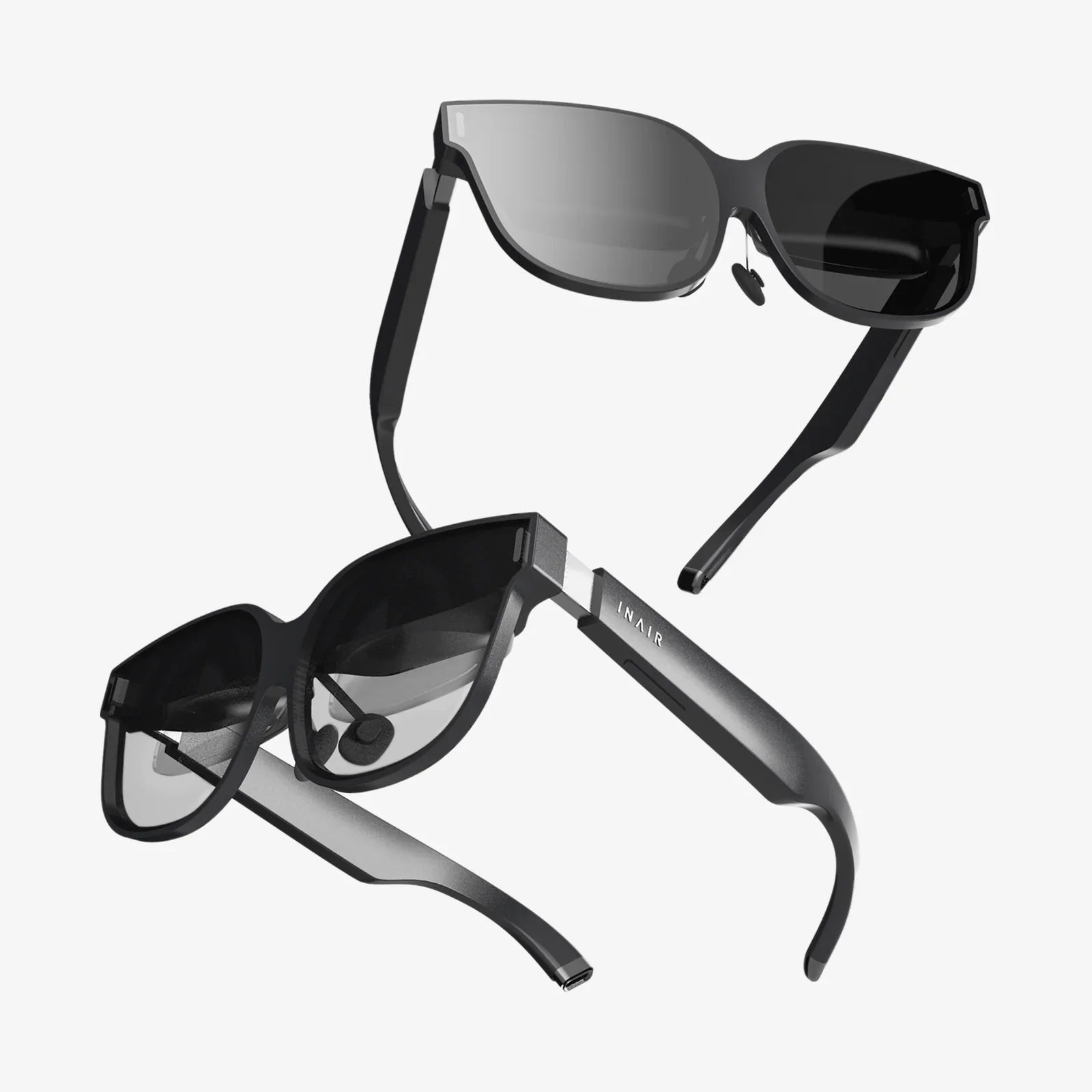
Imagine stepping through a portal, not into another room, but into another reality. A space that doesn’t physically exist, yet feels tangibly real around you. You can reach out and touch the rough-hewn stone of a medieval castle wall, feel the imagined warmth of a sun that hasn’t been built yet streaming through a virtual window, or walk around a concept car that exists only as ones and zeros. This is no longer the stuff of science fiction; it is the powerful, transformative reality being built today through the convergence of two groundbreaking technologies: 3D rendering and virtual reality. This fusion is not just an upgrade to existing workflows; it is a fundamental paradigm shift in how we create, communicate, and experience digital content.
The Confluence of Two Digital Titans
To understand the profound impact of this synthesis, we must first appreciate the core components individually. 3D rendering is the sophisticated process of generating a photorealistic or stylized 2D image from a 3D model. It is the final, crucial step that transforms a wireframe mesh of polygons into a believable scene, complete with textures, lighting, shadows, and atmospheric effects. For decades, this has been the domain of powerful workstations, with artists and engineers patiently waiting for hours, sometimes days, for a single, pristine frame to be calculated.
Virtual reality, on the other hand, is the technology that immerses a user in a completely computer-generated environment. Through a head-mounted display and motion tracking, VR tricks the human brain into believing it is somewhere else. The critical demand of VR is not just visual fidelity, but also performance. To maintain immersion and prevent user discomfort, a VR experience must run at a high frame rate—typically 90 frames per second (fps) or higher—for each eye. This creates an immense computational challenge: generating two high-resolution, complex images ninety times every second.
The marriage of these two fields—high-fidelity rendering and real-time performance—was once considered impossible. Traditional pre-rendered visuals were beautiful but static. Early real-time graphics, as seen in games, were interactive but often sacrificed detail. Today, advancements in hardware, particularly in graphics processing units (GPUs), and sophisticated software algorithms have bridged this gap. We now live in an era where we can have both: stunning, near-photorealistic visuals experienced in real-time within a fully immersive VR space. This is the heart of 3D rendering in virtual reality.
Beyond the Screen: The Power of Immersive Presence
The primary gift that VR brings to 3D rendering is a sense of presence—the undeniable feeling of "being there." A rendered image on a monitor is a picture to be observed. A rendered model in VR is a space to be inhabited.
This has monumental implications for design and creativity. An architect can now don a headset and literally walk inside their rendered blueprint. They can experience the scale of a hallway, the flow of light at different times of day through dynamic global illumination, and the feel of the space in a way no 2D drawing or flat screen render can convey. They can identify potential design flaws—a beam that feels too low, a room that feels cramped—before a single brick is laid. This is not just visualization; it is experiential prototyping.
This immersive validation extends to product design. Engineers can assemble a complex virtual prototype, examining the fit and function of parts from every conceivable angle. They can simulate the ergonomics of a new tool in their hand or sit in the driver's seat of a vehicle, assessing sightlines and control placement with human-scale accuracy. The feedback loop between concept and understanding is compressed from weeks to seconds, fostering a more intuitive and human-centric design process.
The Technological Engine: Real-Time Rendering Revolution
The magic that makes this possible is driven by a suite of advanced real-time rendering techniques. Unlike the slow, calculation-intensive path tracing used for offline renders in films, real-time rendering for VR relies on clever, performance-savvy algorithms.
- Rasterization: The workhorse of real-time graphics, this method quickly determines the visibility and color of millions of polygons from a specific viewpoint, which is perfect for the rapid perspective shifts in VR.
- Physically-Based Rendering (PBR): This approach provides a standardized model for how light interacts with surfaces. By using accurate values for properties like metallicity and roughness, PBR allows assets to look consistent and realistic under any lighting condition within the VR environment.
- Real-Time Global Illumination (GI): Techniques like ray-traced GI or baked lightmaps simulate the complex way light bounces around a scene, creating soft, natural-looking shadows and color bleeding that are essential for photorealism.
- Advanced Shading: Modern shaders can simulate incredibly complex materials in real-time, from the subtle iridescence of a beetle's shell to the porous, uneven surface of concrete.
These technologies are supercharged by ever-more-powerful GPU hardware, which can perform the trillions of calculations required per second to sustain the illusion. Furthermore, foveated rendering—a technique that leverages eye-tracking to render only the user's central focal point in full detail while subtly reducing the resolution in their peripheral vision—promises massive performance gains, allowing for even greater visual complexity.
Transforming Industries: From Blueprint to Operating Room
The application of 3D rendering in VR is rippling across the global economy, transforming professional practices in its wake.
Architecture, Engineering, and Construction (AEC)
This is perhaps the most natural fit. Firms are using VR walkthroughs to conduct client presentations, stakeholder meetings, and even marketing for properties that are still under development. Clients can choose finishes, move virtual furniture, and experience different lighting schemes in real-time, making informed decisions long before construction begins. This drastically reduces costly change orders and ensures the final build matches the client's vision perfectly.
Healthcare and Medical Training
Medical professionals are using photorealistic, rendered human anatomy in VR to practice complex surgical procedures. Students can "dissect" a virtual cadaver infinitely, explore the human body at scale, and walk through a detailed, beating heart. This provides invaluable, risk-free training that enhances understanding and improves patient outcomes. VR is also used for therapeutic purposes, such as rendering calming environments for pain management or exposure therapy.
Retail and E-Commerce
Imagine trying on a new outfit, previewing a new watch on your wrist, or seeing how a new sofa fits in your actual living room—all in photorealistic detail from the comfort of your home. VR rendering is poised to revolutionize online shopping by eliminating the uncertainty of product fit and style, reducing return rates, and creating engaging, experiential retail.
Entertainment and Gaming
This is the most visible application. VR gaming is the ultimate expression of interactive rendered worlds, placing players directly inside the narrative. Beyond games, filmmakers are using VR for pre-visualization, allowing directors to "scout" and block scenes within a fully rendered virtual set before physical production begins.
Navigating the Challenges: The Path to Pervasive Adoption
Despite its immense potential, the widespread adoption of high-fidelity 3D rendering in VR faces significant hurdles.
The foremost challenge is the hardware barrier. Delivering a seamless, photorealistic VR experience requires a high-end computer and a premium headset, representing a substantial investment for both professionals and consumers. While standalone headsets are improving rapidly, they still lack the raw power to achieve the highest tiers of visual fidelity that desktop systems can provide.
Content creation complexity remains another obstacle. Creating optimized, VR-ready 3D assets is a specialized skill. Models must be meticulously crafted to have the right polygon count, textures must be streamlined, and entire scenes must be optimized to hit the crucial 90 fps benchmark without sacrificing quality. This demands a new breed of artist-technician who understands both the principles of 3D art and the technical constraints of real-time VR engines.
Finally, there is the challenge of user experience (UX). Designing intuitive interfaces for a 360-degree, controller-based environment is radically different from designing for a flat screen. Menus, interactions, and navigation must be rethought from the ground up to feel natural and avoid breaking the user's sense of presence.
The Future Rendered: What Lies Beyond the Horizon
The trajectory of 3D rendering in VR points toward a future where the line between the digital and physical worlds becomes increasingly blurred. We are moving towards a state of ultimate realism where virtual environments will be visually and haptically indistinguishable from reality.
The next great leap will be the integration of artificial intelligence. AI-powered neural networks will assist in rendering, potentially generating ultra-high-resolution textures or filling in visual details on the fly, further reducing the computational load. AI could also be used to create dynamic, responsive environments that adapt to the user's actions in real-time.
The concept of the "metaverse"—a persistent network of shared, rendered virtual spaces—is predicated entirely on this technology. It envisions a future where our social and professional lives are conducted within interconnected VR worlds, all built upon a foundation of sophisticated, real-time 3D rendering.
Furthermore, as hardware becomes more powerful and accessible, and as creation tools become more intuitive, the ability to craft and share these immersive experiences will democratize. We will evolve from being mere consumers of virtual worlds to becoming active creators and participants in a vast, rendered digital cosmos.
The screen has been our window into digital worlds for half a century. But a window, by its very nature, creates a separation between the observer and the observed. 3D rendering in virtual reality is shattering that pane of glass. It is pulling us through the monitor and inviting us not just to see, but to live inside the image. It is transforming data into dwellings, concepts into concrete experiences, and ideas into immersive realities. This is more than a technological trend; it is the dawn of a new medium for human experience, and we are only just beginning to explore its boundless potential.
Share:
Virtual Reality vs Simulated Reality: A Deep Dive into the Digital Existential Divide
What Is Virtual Reality Experience: A Journey Into Digital Realms