


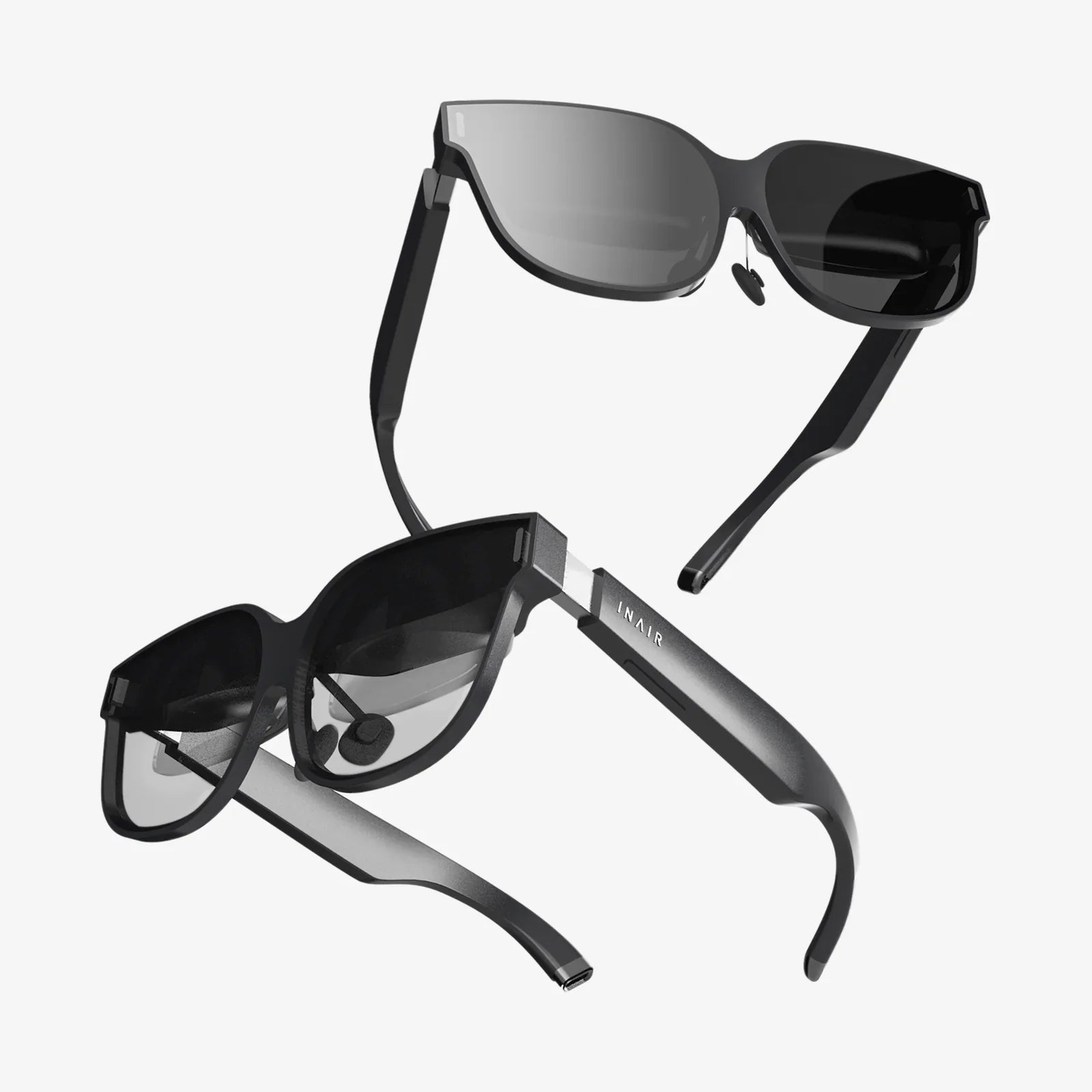
Imagine stepping out of a dimly lit cafe into the brilliant afternoon sun, and instead of being momentarily blinded, squinting, and fumbling for a separate pair of sunglasses, your everyday glasses seamlessly transform into perfect shades, shielding your eyes and enhancing your view of the world. This isn't a scene from a science fiction movie; it's the everyday reality made possible by the cutting-edge innovation embedded in advanced photochromic lens technology. This article delves deep into the science, benefits, and transformative experience offered by this modern optical marvel, a pinnacle of functional design that effortlessly adapts to your life and environment.
The Science of Sight and Light: A Delicate Balance
Human vision is a remarkable but delicate system. Our eyes constantly work to adjust to varying light conditions, a process known as adaptation. In low light, our pupils dilate to let in more light, while in bright conditions, they constrict to protect the sensitive retina. However, this natural mechanism has its limits. Sudden, intense light exposure—like walking into direct sunlight—can cause discomfort, glare, and even temporary blindness. Prolonged exposure to ultraviolet (UV) radiation from the sun is a well-documented contributor to long-term ocular health issues, including cataracts and macular degeneration. For centuries, the solution was a binary one: clear lenses indoors, dark tint outdoors. This dichotomy created a cycle of constant switching, forgotten sunglasses, and compromised vision in transitional moments. The quest for a dynamic, intelligent lens that could automatically respond to light conditions became the holy grail of optical science.
Beyond Simple Tinting: The Photochromic Revolution
Photochromism is the ingenious technology that answers this call. At its core, it is a reversible chemical process where a material changes color and darkness in response to exposure to ultraviolet light. The magic happens through billions of organic molecules, typically silver halides like silver chloride, embedded within the lens material itself. When these molecules are shielded from UV light—as they are indoors—they remain in a transparent state, allowing for perfectly clear vision. The moment they are exposed to UV rays from the sun, a photochemical reaction occurs. The UV energy causes the molecules to change their structure, which alters how they absorb visible light. This structural shift darkens the lenses, creating a sunglasses-level tint. When the UV light source is removed, the process reverses, and the molecules return to their clear state. This entire cycle is continuous and automatic, providing a hands-free, adaptive visual experience.
Engineering Excellence: The Hallmarks of Advanced Performance
Not all photochromic technologies are created equal. Early iterations were often criticized for being slow to react, not darkening enough in hot weather, or failing to clear quickly once indoors. Modern advancements have systematically engineered solutions to these very problems, pushing performance to new heights. Key differentiators in high-performance lenses include:
- Activation and Fade-Back Speed: Cutting-edge formulations are designed for rapid darkening upon UV exposure, often reaching a significant tint within seconds of walking outside. Equally important is the speed at which they clear once returning indoors. Advanced systems achieve a near-clear state in just a few minutes, minimizing any period of impaired vision.
- Depth of Tint: A common misconception is that photochromic lenses don't get dark enough. Top-tier lenses are engineered to achieve a very dark tint, comparable to many dedicated sunglasses, effectively eliminating glare and squinting even on the brightest days.
- Temperature Independence: A historical weakness of photochromic molecules was their temperature sensitivity; they would darken less effectively on very hot days. Modern chemical engineering has largely overcome this, ensuring consistent, deep tinting performance regardless of ambient temperature.
- Uniformity and Clarity: The integration of the photochromic material is seamless, ensuring an even tint across the entire lens surface with no optical distortion, providing crystal-clear vision in all states.
A Shield for Your Eyes: Comprehensive Protection Built-In
Perhaps the most significant benefit of this technology is the seamless integration of full-time protection. High-quality photochromic lenses are not just about convenience; they are a critical tool in safeguarding ocular health.
- 100% UV Protection: This is a non-negotiable feature. These lenses are designed to block 100% of both UVA and UVB rays, whether they are in their clear or dark state. This provides constant protection against the harmful effects of solar radiation, something that standard clear lenses or cheap sunglasses cannot guarantee.
- Glare Reduction: Glare from reflective surfaces like water, snow, or pavement is not just annoying; it is dangerous and can cause momentary lapses in vision. The adaptive tint actively minimizes this glare, enhancing visual comfort and safety during activities like driving, cycling, or hiking.
- Impact Resistance: Many advanced lenses are also constructed from durable, lightweight polycarbonate or similar materials that offer inherent impact resistance. This combination of adaptive tint, UV protection, and physical durability creates a truly all-in-one protective solution for the eyes.
The Seamless Integration into Modern Lifestyles
The application of this technology extends far beyond a single user group. It represents a paradigm shift in convenience and functionality for virtually everyone who requires vision correction or eye protection.
- The Active Professional: For those who move between buildings, cars, and outdoor spaces, the elimination of the two-pair shuffle is a genuine quality-of-life improvement. It ensures they are always prepared for changing conditions without a second thought.
- Drivers: While car windshields block most UVB rays, UVA transmission can still activate photochromic lenses. This provides added comfort and reduced glare on long drives, especially during dawn or dusk when light conditions are challenging. It's crucial to note that some lenses are specifically optimized for faster activation behind the windshield.
- Outdoor Enthusiasts: For runners, cyclists, golfers, and hikers, changing light conditions are part of the experience. Photochromic eyewear allows them to focus on their activity without interrupting their flow to change eyewear. They can move from a shaded trail into an open field and back again with vision that continuously optimizes itself.
- Children and Teens: Ensuring young eyes are protected from UV damage is critical. Photochromic lenses simplify this immensely, as there is no need for children to remember or be responsible for a second pair of glasses. The protection is always on.
Dispelling Common Myths and Misconceptions
Despite their advanced capabilities, some outdated perceptions persist.
Myth: "They don't work well in the car."
Reality: While standard photochromic lenses rely on UV light and car windshields do block most UV, many contemporary lines are specifically formulated with alternative activation methods or enhanced sensitivity to achieve noticeable tinting behind the wheel, significantly improving driver comfort.
Myth: "They take too long to change."
Reality: The speed of activation and fade-back has improved exponentially. The delay is now minimal, often measured in seconds for initial darkening and a minute or two for clearing—a small trade-off for continuous protection and convenience.
Myth: "They are only for prescription glasses."
Reality: This technology is available across a wide spectrum of products, including non-prescription plano lenses for those who simply want adaptive sun protection and reading glasses for those who need visual aid up close.
Making the Choice: What to Consider
When considering a move to adaptive eyewear, a few factors are worth discussing with an eye care professional:
- Lifestyle Needs: How much time do you spend outdoors? Do you drive frequently? Your daily habits will determine the value proposition for you.
- Lens Material and Design: These lenses can be paired with high-index materials for thinness, anti-reflective coatings for further glare reduction, and progressive or bifocal designs for multifocal needs.
- Frame Compatibility: The technology works with virtually any frame style, from classic to sporty, allowing for complete personalization.
We stand at the frontier of a new era in personal optical technology, where the line between seeing and seeing comfortably in any environment has been elegantly erased. This represents more than just a product; it signifies a fundamental shift towards intelligent, responsive design that prioritizes human experience. It’s the end of squinting, the end of forgotten sunglasses, and the beginning of a world where your vision is perpetually optimized, protected, and enhanced without you ever having to lift a finger. The future of sight is not just clear; it’s brilliantly adaptive.
Share:
AR Audio Glasses Are Redefining Reality and Reshaping Our Digital Lives
How Are Virtual Reality and Augmented Reality Similar: A Deep Dive Into The Blended Future