


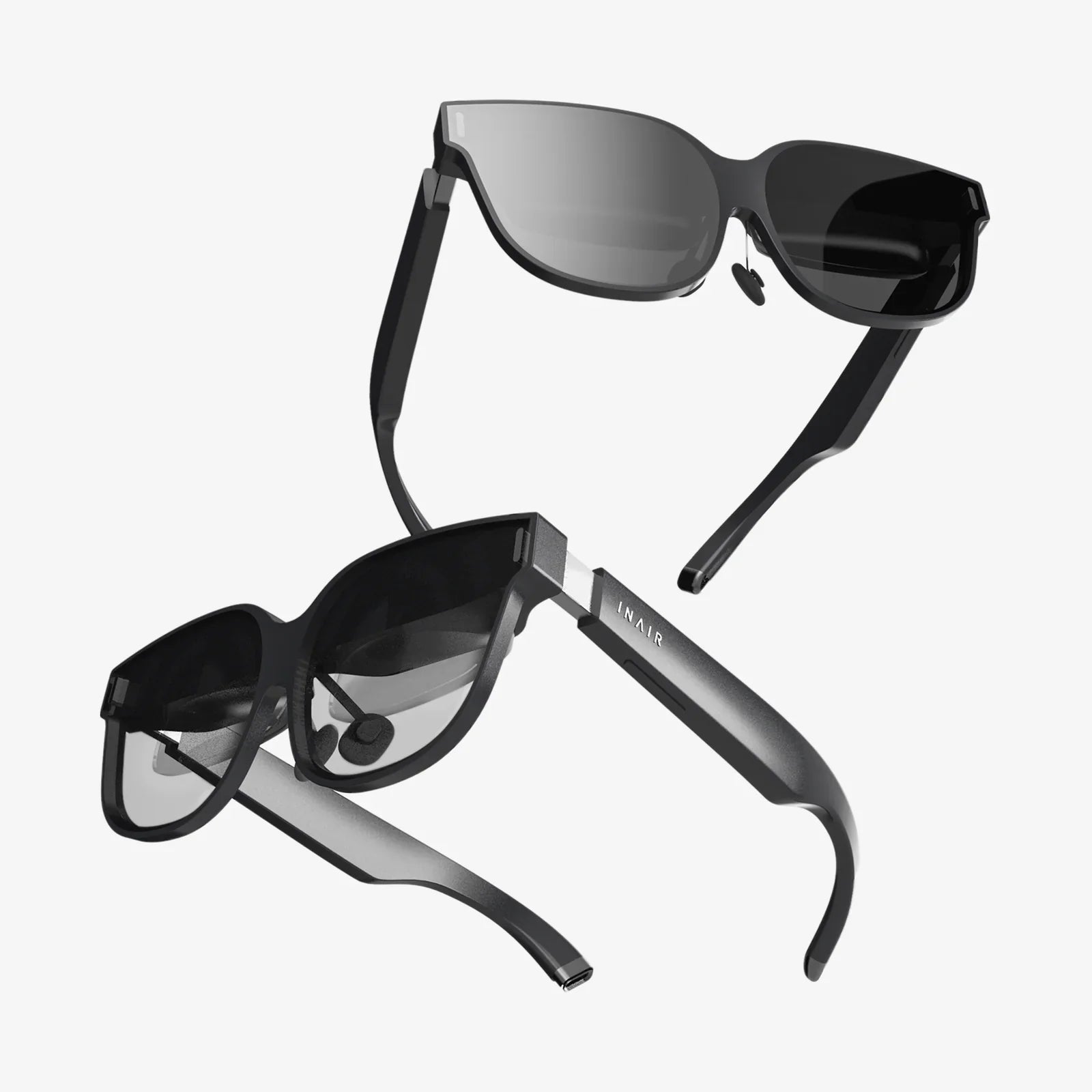
Imagine slipping on a headset and being instantly transported to another world, a universe so crisp and expansive that the line between the digital and the physical completely dissolves. This isn't a distant dream of the future; it's the promise held within a specific, meticulously engineered form factor: the 6.8 inch VR headset. This particular specification is emerging as a critical benchmark, a veritable sweet spot in the ongoing evolution of virtual reality technology. It represents a calculated convergence of optical engineering, human physiology, and immersive intent, designed to deliver an experience that is as breathtaking as it is accessible. For anyone on the cusp of their next virtual adventure, understanding the significance of this number is the key to unlocking a new dimension of digital immersion.
The Science of Sight: Why Size Truly Matters
At its core, a VR headset is a viewing device. Its primary function is to present a virtual environment directly to your eyes. The size of the display panel inside is not an arbitrary choice; it is the foundational element that dictates the entire optical path and, consequently, the quality of your experience. A 6.8 inch display, in the context of modern VR, is a carefully chosen standard that balances several competing factors.
The quest for immersion is fundamentally a quest for a wide field of view (FOV). The human eye has a horizontal field of view of approximately 210 degrees. Early VR headsets offered a much narrower FOV, creating a distinct "looking through binoculars" effect that constantly reminded users they were in a headset. A larger display panel, like a 6.8 inch screen, allows optical engineers to design lens systems that project a much wider image, significantly expanding the FOV. This wider vista is crucial for peripheral vision, which is a key component of our natural sight and a critical factor in feeling truly present within a virtual space. It reduces the screen-door effect (seeing the gaps between pixels) by allowing for a higher pixel density across a larger area and helps in minimizing the perception of a constricted "goggle" view.
The Goldilocks Zone: Balancing Power, Performance, and Comfort
Why 6.8 inches specifically? Why not larger? The answer lies in finding the "Goldilocks Zone" – a perfect equilibrium between performance and practicality. A display is one of the most power-hungry components in any mobile device. A larger screen requires more energy to illuminate its greater surface area, which can rapidly deplete a battery. The 6.8 inch size strikes an efficient balance, providing ample canvas for a wide FOV without imposing untenable power demands, ensuring longer, uninterrupted play or work sessions.
Furthermore, size and weight are intimately connected. A larger display panel, along with the larger housing required to contain it, inevitably adds weight and bulk to the headset. Ergonomics are paramount in VR; a heavy, front-heavy device can cause neck strain and discomfort, pulling the user out of the experience and limiting the duration for which they can use it. The 6.8 inch form factor enables manufacturers to create headsets that are powerful yet relatively lightweight and well-balanced. This makes them suitable for a broader range of applications, from intense, active gaming to extended professional use in architecture, medicine, or design, where comfort over long periods is non-negotiable.
A Canvas for High-Resolution Realism
The benefits of this display size extend deeply into visual fidelity. With a 6.8 inch canvas, manufacturers can utilize high-resolution displays—think 4K and beyond—and spread those pixels across a larger area. This results in a significantly higher Pixels Per Degree (PPD) rating, a crucial metric for perceived sharpness in VR. A higher PPD means text is clearer, distant objects are more defined, and visual artifacts are less noticeable. It is a fundamental step toward achieving the visual clarity necessary for VR to be used not just for entertainment, but for reading, detailed model inspection, and other precision tasks.
This enhanced resolution, combined with a high refresh rate (90Hz, 120Hz, or even higher), is what makes virtual worlds feel solid and real. It reduces motion blur and latency, which are primary culprits behind VR-induced motion sickness. When the brain is presented with a stable, high-fidelity, and fluid visual stream that matches the wide field of view it expects, the illusion of presence is complete and convincing. The 6.8 inch display acts as the perfect substrate upon which these high-performance visual technologies are built, ensuring that the raw power of the processor is translated into a smooth and believable experience for the user.
Beyond Gaming: The Expansive Universe of Applications
While gaming is often the flagship application for VR, the implications of a comfortable, high-fidelity headset built around a 6.8 inch display extend far beyond. This specification is unlocking new possibilities across diverse fields.
- Education and Training: Medical students can practice complex surgical procedures on virtual cadavers with stunning detail. Engineers can train on dangerous heavy machinery in a risk-free environment. The clarity and comfort afforded by this technology make long training sessions feasible and effective.
- Remote Collaboration and Social Connection: Imagine attending a business meeting in a virtual boardroom or catching up with friends on a virtual beach, all while feeling like you are sharing the same physical space. The wide field of view and high resolution are critical for reading body language and facial expressions, making these interactions feel natural and authentic.
- Design and Architecture: Architects and designers can walk clients through full-scale, photorealistic models of unbuilt homes and products. The ability to see fine details and experience the true scale of a space is transformative for the design process.
- Therapeutic Uses: VR is being used for exposure therapy, pain management, and physical rehabilitation. A comfortable, immersive headset is essential for patients to fully engage with and benefit from these therapeutic virtual environments.
The Future is Clear and Wide
The adoption of the 6.8 inch display standard is not an endpoint, but a signpost pointing toward the future of VR. It provides a stable platform for the integration of next-generation technologies. Varifocal lenses, which dynamically adjust to where the user is looking to mimic the natural focusing of the eye, require a high-quality display as their foundation. Similarly, advancements in eye-tracking technology, which enable foveated rendering (dynamically rendering only the area you are directly looking at in high detail to save processing power), benefit immensely from the clarity and precision that this display size facilitates.
This trend signifies the industry's maturation. It's a move away from the compromises that characterized early-generation hardware and toward a refined, purpose-driven design philosophy. The goal is no longer just to create a functional VR device, but to craft an invisible window—a seamless portal to other realities. The 6.8 inch VR headset embodies this philosophy, prioritizing the human experience by aligning technological capability with human anatomical and perceptual needs.
The door to truly convincing virtual worlds is now open, and it measures 6.8 inches diagonally. This isn't just another spec on a sheet; it's the architectural blueprint for the next era of digital immersion, a carefully calibrated window that is finally wide enough and clear enough to make you forget it's even there. The journey into virtual realms has never felt more natural, more compelling, or more real, and it all starts with looking through the right-sized window.
Share:
Virtual Goggles for Phone: Your Pocket Portal to Immersive Realities
Goggles De Realidad Virtual: The Ultimate Portal to Digital Worlds and How They Are Reshaping Our Reality