


Have you ever slipped on a pair of sunglasses, only to be met with the telltale pinch of an ill-fitting frame or the constant, annoying slide down the bridge of your nose? You’re not alone. This universal frustration is a silent pact among sunglass wearers everywhere, a nagging inconvenience that can turn a sunny day into a fidgety ordeal. But what if the solution wasn't a new, expensive purchase, but a simple, almost secret skill hidden in plain sight? The key to transforming your eyewear experience lies in one often-overlooked feature: the humble nose pad. Mastering the art of the perfect adjustment can elevate your sunglasses from a mere accessory to a seamless extension of yourself, offering unparalleled comfort, stability, and crystal-clear vision. This isn't just about stopping the slip; it's about unlocking the full potential of your favorite shades.
The Critical Role of Proper Nose Pad Fit
Before diving into the how, it's vital to understand the why. Correctly adjusted nose pads are not merely a convenience; they are fundamental to the functionality and health of your eyes.
Optical Alignment and Visual Clarity
Your sunglasses are precision optical instruments. The lenses are designed and crafted to be positioned at a specific distance from your eyes, known as the vertex distance. When your sunglasses slip down your nose, this distance increases, subtly altering the way light passes through the lenses. This can induce minor visual distortions, eye strain, and headaches, especially with prescription sunglasses or high-quality polarized lenses. Properly adjusted nose pads hold the lenses in their intended optical sweet spot, ensuring you experience the world with optimal clarity and sharpness, exactly as the designers intended.
Comfort and Avoiding Pressure Points
Ill-fitting nose pads are the primary cause of sunglass-related discomfort. Pads that are too tight can dig into the sides of your nose, creating painful pressure points and leaving deep, red marks that last for hours. Pads that are too loose force you to constantly crinkle your nose or push the glasses back up, a distracting habit known as the "sunglass shuffle." A perfect adjustment distributes the weight of the frame evenly across the unique contours of your nasal bridge, making the glasses feel almost weightless. This eliminates pressure points and allows for all-day comfort, whether you're hiking, driving, or simply enjoying a leisurely stroll.
Stability and Security
There's nothing more disconcerting than the fear of your expensive sunglasses flying off during a sudden movement, a gust of wind, or while leaning over. Secure nose pads act as an anchor, gripping your nose firmly but gently to prevent the glasses from sliding or falling. This stability is crucial for active pursuits like sports, cycling, or sailing, where your eyewear must stay put reliably. It provides peace of mind, allowing you to move with confidence and freedom without a second thought for your shades.
Protection and Coverage
Sunglasses protect your eyes from harmful ultraviolet (UV) radiation. For this protection to be effective, the frames must sit correctly on your face to prevent UV rays from entering around the edges and top of the lenses. Well-fitted nose pads ensure the glasses sit high and close to your face, maximizing coverage and safeguarding your delicate eye area from the sun's damaging effects. It also helps shield your eyes from wind, dust, and debris.
Anatomy of a Nose Pad Assembly
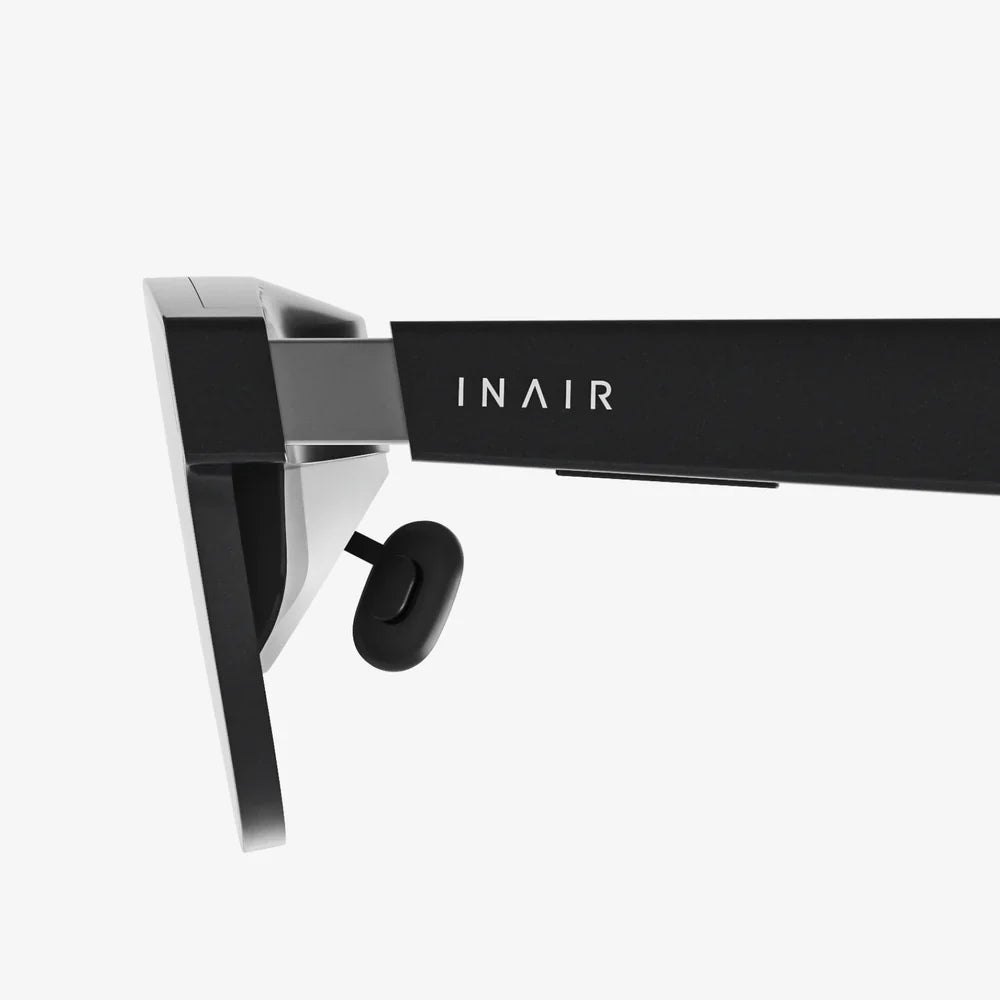
To adjust effectively, you need to know what you're working with. Most adjustable nose pads consist of three key components:
- The Pad Arm: This is the metal wire that extends from the front of the frame. It's the lever you will be adjusting.
- The Nose Pad: This is the actual piece that contacts your nose. It's typically made of a soft, pliable material like silicone or acetate for comfort.
- The Mounting: A small metal or plastic piece that connects the pad to the arm, often allowing the pad to swivel slightly for a better fit.
Understanding this simple structure demystifies the process. You're not bending the frame itself, but rather manipulating these small, designed-to-be-adjusted arms.
Essential Tools for the Job
While some minor tweaks can be done with careful fingers, using the right tools is non-negotiable for a professional, safe, and precise adjustment.
- Non-Marring Nose Pliers: This is the most important tool. They have smooth, rounded jaws specifically designed to grip nose pads and their arms without scratching, pinching, or damaging the soft materials. Using regular pliers or tweezers is a surefire way to leave ugly marks or apply too much force.
- Soft, Lint-Free Cloth: To hold the frame and lenses while you work, protecting them from fingerprints and accidental scratches from the tools.
- Good Lighting: A well-lit workspace allows you to see the subtle angles and make precise movements.
- A Steady Hand and Patience: The most important tools of all. Rushing this process leads to over-adjustment and potential damage.
A Step-by-Step Guide to Adjusting Your Nose Pads
Step 1: The Initial Assessment
Put your sunglasses on and look in a mirror. Note the specific problem. Are they pinching? Are they sliding? How far down do they slip? Identify where the weight of the glasses is being borne. Is it evenly distributed across both pads, or is one side taking more pressure? This diagnosis will guide your adjustments.
Step 2: The Pinch Test (For Width)
If the glasses feel too tight on the sides of your nose, the nose pads need to be widened. Carefully grip the pad arm with your non-marring pliers, close to the base where it connects to the frame. Apply gentle, steady pressure to bend the arm outward, away from the center of the frame. Make small increments—a millimeter of movement makes a significant difference. Try the glasses on after each tiny adjustment.
Step 3: The Slide Test (For Narrowness and Height)
If the glasses are sliding down, the nose pads are likely too wide for your nasal bridge. Grip the pad arm and gently bend it inward, toward the center of the frame. This will bring the pads closer together, creating a tighter grip on your nose. Additionally, you can adjust the height. Sometimes, the angle of the pad arm causes the glasses to sit too low. By gently bending the arm upward where it meets the frame, you can effectively raise the entire eyewear, bringing it higher on your face for better coverage and stability.
Step 4: Achieving Symmetry
Very few faces are perfectly symmetrical. It's likely one side will need a slightly different adjustment than the other. Always compare both sides by looking at your reflection or laying the glasses upside down on a flat surface. The pads should make even contact with the surface. Adjust each side independently until the glasses sit level on your face without tilting to one side.
Step 5: The Final Fit Check
Once you're satisfied with the adjustments, wear the glasses for an extended period. Move your head up and down, shake it gently, and lean over. Do they stay put? Is all pressure gone? The ultimate test is forgetting you're wearing them at all.
Special Considerations and Pro Tips
Adjusting Plastic Frames
Many plastic frames have integrated, non-adjustable nose pads. The adjustment here is more about the overall fit. If they are too tight, they can be carefully warmed with a hairdryer (using low heat and constant motion to avoid damaging the lenses) to make the plastic pliable, then gently pressed outward. This is a delicate process best left to professionals, as too much heat can permanently warp the frame.
Dealing with Sweat and Oils
Over time, sweat, sunscreen, and skin oils can degrade the silicone of the nose pads, making them slippery. Regularly clean them with a mild soap and water to maintain their grip. If they become hardened or cracked, they can often be replaced, a simple and inexpensive fix available at most optical shops.
Knowing When to Seek a Professional
If you feel uncomfortable, if the glasses have a complex spring hinge mechanism, or if you've made several adjustments and the fit still isn't right, it's time to visit an optician. They have the expertise and tools to perform complex adjustments, including aligning the entire frame, often for free or a small fee. It's a worthwhile investment to protect your valuable eyewear.
Beyond the Nose Pads: A Holistic Fit
Remember that the nose pads are just one part of the fit equation. The temple arms (the parts that go over your ears) also play a crucial role. If the temples are too wide, they won't provide enough grip to hold the glasses forward, putting all the pressure on the nose. Many temples can also be gently heated and adjusted to curl more snugly behind the ears for added security, working in harmony with your perfectly adjusted nose pads.
Imagine a world where your sunglasses feel like they were custom-molded for your face. A world without pushing, pinching, or worrying. This isn't a fantasy; it's the direct result of taking five minutes to understand and master a simple mechanical adjustment. The power to banish sunglass slippage and discomfort forever is literally at your fingertips. It’s a small act of self-care that pays dividends in comfort, style, and performance every single time you step into the sun. So, grab those pliers and take control—your perfect, hassle-free day in the sun awaits.
Share:
Open AI Hardware: The Next Frontier in Artificial Intelligence
Interactive VR: Beyond the Headset and Into a New Reality