


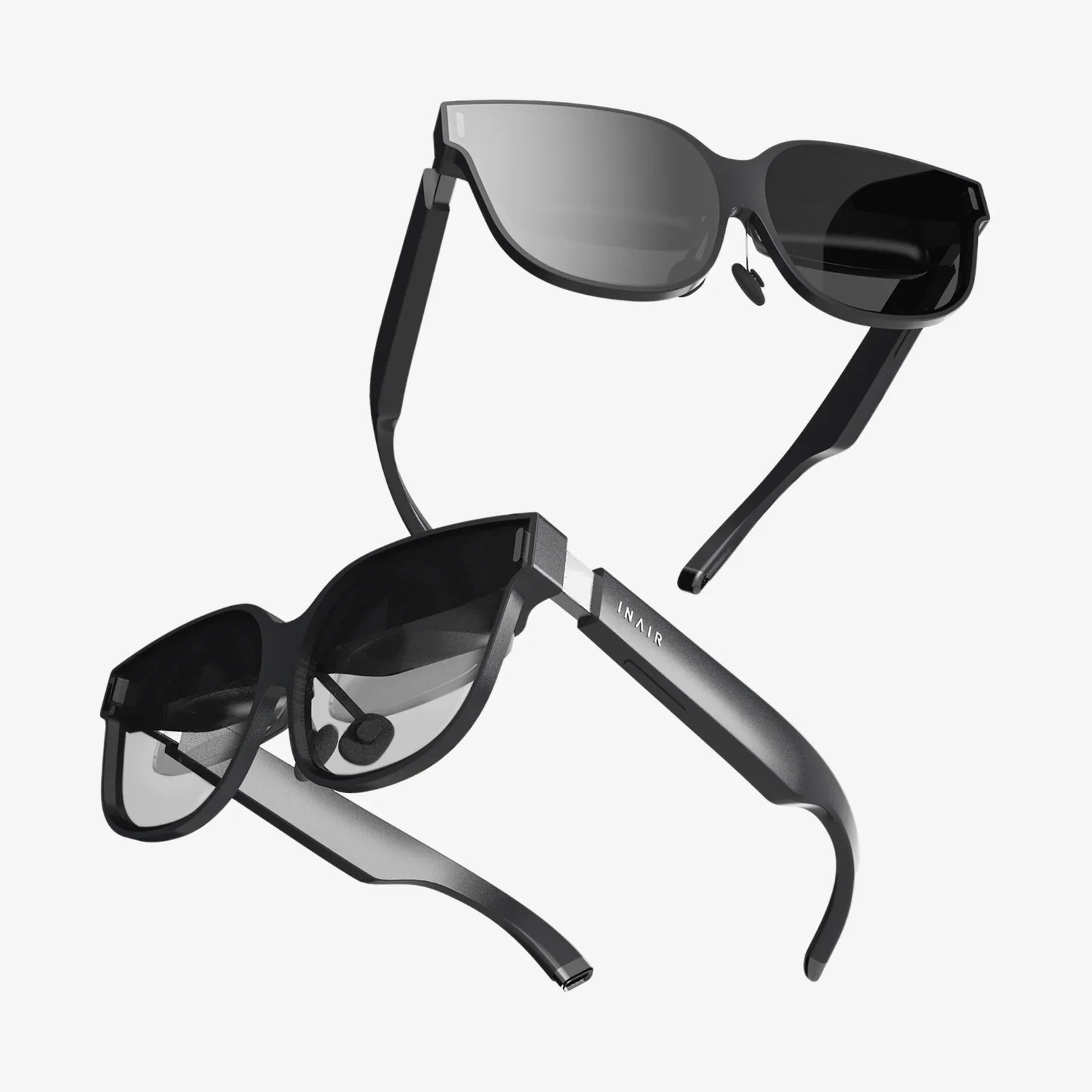
You slip your glasses on first thing in the morning, and by lunchtime, you're already pushing them back up your nose for the hundredth time. That constant slippage, those painful red marks on the bridge of your nose, the feeling of something just being off—it's a frustrating reality for countless glasses wearers. What if the solution to all-day comfort was right at the tip of your nose? The secret often lies not in the frames themselves, but in mastering the subtle art of adjusting nose pads on glasses. This tiny point of contact bears the entire weight of your eyewear, making it the critical linchpin for fit, function, and unparalleled comfort. Perfecting this adjustment can transform your experience from one of constant annoyance to forgetting your glasses are even there, all while ensuring you see the world with crystal-clear precision.
The Critical Role of Nose Pads in Eyewear Function
Before reaching for your tools, it's essential to understand why nose pads are so much more than just two small pieces of plastic or silicone. They are the engineering marvel responsible for balancing your glasses on your face.
Firstly, they distribute weight evenly. A pair of glasses can weigh several ounces, and all that pressure is concentrated on the small area of your nasal bridge. Well-adjusted nose pads spread this load over a wider surface area, preventing painful pressure points and those unsightly red marks. Secondly, they position the optical centers of the lenses correctly. For optimal vision, your pupils should be looking through the precise center of each lens. If your glasses are sliding down or sitting too high, your vision will be compromised, leading to eye strain, headaches, and even dizziness. Properly adjusted nose pads keep the lenses exactly where your optician intended them to be.
Furthermore, they ensure stability. Whether you're nodding in agreement, looking down to read, or simply walking, stable glasses prevent the world from bouncing around and reduce the need for constant manual adjustments. Finally, they maintain a consistent gap between the lens and your eye. This is crucial for those with high-power prescriptions, as even a few millimeters of change can affect the perceived strength of the lenses.
Anatomy of Nose Pads and Their Mountings
Not all nose pads are created equal. Understanding the type on your glasses is the first step to a successful adjustment.
- Fixed Pads: These are commonly found on plastic or acetate frames. They are molded as a single, solid piece with the front of the frame. While they offer a bold, seamless look, their adjustability is extremely limited. Minor adjustments can sometimes be made with careful heating (using a professional heating unit or, very cautiously, warm air from a hairdryer) to soften the material and gently reshape the bridge.
- Adjustable Pads: This is the most common and user-friendly system. These pads are separate components attached to the frame via a metal arm, often called a pad arm. The pad itself can be made from clear or skin-toned silicone, a harder plastic, or even hypoallergenic metals. The key feature is the screw that connects the pad to the arm, allowing for movement in multiple directions.
- Keyhole Nose Pads: A variation often seen on metal frames, these have a shaped bridge that rests on the sides of the nose, distributing weight without traditional pads.
The pad arm is the true hero of adjustability. It can be bent inward, outward, upward, and downward with precision tools, allowing for a truly custom fit tailored to the unique contours of your nose.
Essential Tools for Safe and Effective Adjustment
While a pair of pliers and sheer determination might seem sufficient, using the wrong tools is the fastest way to ruin your frames. Here’s what you actually need:
- Non-Marring Nose Pad Pliers: This is the most important tool. These specialized pliers have smooth, rounded jaws designed to grip the nose pad without scratching, cracking, or crushing it. Using regular pliers will almost certainly damage the soft silicone or plastic.
- Precision Screwdrivers: A set of small, flat-head and Phillips-head screwdrivers is essential for tightening loose screws that connect the pad to the arm. A loose screw can cause the pad to swivel uncontrollably.
- Soft, Lint-Free Cloth: To hold the frame and lenses while you work, protecting them from fingerprints and accidental scratches from your tools.
- Patience: This is not a tool you can buy, but it is the most crucial component. Adjustments should be made in tiny, incremental steps. A little bend goes a long way.
A Step-by-Step Guide to Adjusting Your Nose Pads
Follow this methodical process to achieve a perfect fit. Remember the golden rule: make small adjustments and try the glasses on frequently to assess the fit.
Step 1: The Initial Assessment
Put your glasses on and stand in front of a mirror. Observe their position.
- Are they sitting level, or is one side higher than the other?
- How far are the temples (arms) from the sides of your head? They should rest gently without pressing inward.
- Do the glasses slide down when you look down?
- Are there gaps between the pads and your nose, or are they pressing too hard?
Step 2: Addressing Vertical Height and Leveling
If one lens is sitting higher than the other, the frame is unbalanced. This is often due to uneven nose pads or bent pad arms.
To raise a lens: Gently bend the pad arm on that side downward. This will push that side of the frame higher on your face.
To lower a lens: Gently bend the pad arm upward.
Use your non-marring pliers to grip the pad arm close to its base for larger adjustments or closer to the pad for finer tuning. Apply steady, gentle pressure. Re-check the level after each tiny bend.
Step 3: Adjusting the Width and Grip
This adjustment determines how snugly the glasses grip your nose.
If the glasses are too tight and causing pressure marks: Gently bend both pad arms outward away from each other to increase the width between the two pads.
If the glasses are too loose and sliding down: Gently bend both pad arms inward toward each other to decrease the width and create a tighter grip.
Always adjust both sides equally to maintain symmetry. If you only bend one arm inward, the glasses will become crooked.
Step 4: Angling the Pads for Maximum Contact
Noses are not flat surfaces; they have complex curves. The flat surface of the nose pad should make full contact with the side of your nose. You can adjust the angle of each individual pad.
Hold the pad with your pliers (being careful not to squeeze too hard and crack it) and gently twist it to match the angle of your nasal bridge. This maximizes surface contact, distributing weight more effectively and eliminating rocking or pivoting.
Step 5: The Final Fit Check
Once you are satisfied with the adjustments, perform a final check.
- Do the glasses feel stable when you shake your head gently?
- Look down at the floor. Do they stay in place?
- Is the pressure on your nose and temples even and comfortable, without any pinching?
- Is your vision clear and unobstructed?
Common Problems and Their Specific Solutions
-
Problem: Glasses sliding down constantly.
Solution: Tighten the grip by bending both pad arms inward. Ensure the pads are angled correctly to grip the lower part of your nose. -
Problem: One arm is lifted off the ear or presses too hard.
Solution: The frame is likely crooked. Identify which lens is sitting higher or lower and adjust the corresponding pad arm up or down to level the frame. -
Problem: Red, painful marks on the bridge of the nose.
Solution: The fit is too tight or the weight distribution is poor. Widen the pads by bending the arms outward and check the angle to increase the contact area. -
Problem: The glasses feel lopsided or crooked.
Solution: This is almost always an issue of asymmetric pad arms. Compare both sides in the mirror and make micro-adjustments to the height and width of each arm until the frame appears perfectly level.
When to Put Down the Tools and Seek a Professional
While DIY adjustment is empowering, there are times when a professional optician is the only right call.
- If you hear a cracking sound or see a crack forming in the plastic of the pad or arm.
- If the screw holding the pad is stripped, rusted, or lost.
- If the pad arm is made of a brittle metal and snaps during adjustment.
- If you have complex lenses like high-index progressives, which require extremely precise positioning. An optician has the tools and expertise to align them perfectly.
- If you've been adjusting for a while and just can't seem to get it right. A trained optician can often spot and fix the issue in minutes, free of charge.
Most optical stores offer free minor adjustments for customers, even if you didn't purchase your glasses there. It’s a valuable service that can save your frames.
Maintaining Your Perfect Fit
Once you've achieved eyewear nirvana, you'll want to preserve it. Always put your glasses on and take them off using both hands. This prevents twisting the frame and misaligning the nose pads over time. Store them in a protective case when not in use to avoid accidental crushing or bending. Regularly check the tightness of the screws on the nose pads and temples, as they can loosen with daily wear.
Your glasses are more than a vision correction tool; they are a part of your identity, sitting front and center on your face every single day. They should feel like a natural extension of yourself, not a burden you have to constantly manage. Taking the time to master the subtle symphony of adjusting nose pads on glasses is an investment in your comfort, your appearance, and your optical health. It unlocks a world free from distraction, where your focus can remain on what you see through the lenses, not on the frames themselves. Embrace the power of a perfect fit—your nose will thank you for it.
Share:
Best 2D to 3D Software: A Comprehensive Guide to Modern Conversion Tools
Smart Co Working: The Future of Collaborative Workspaces