


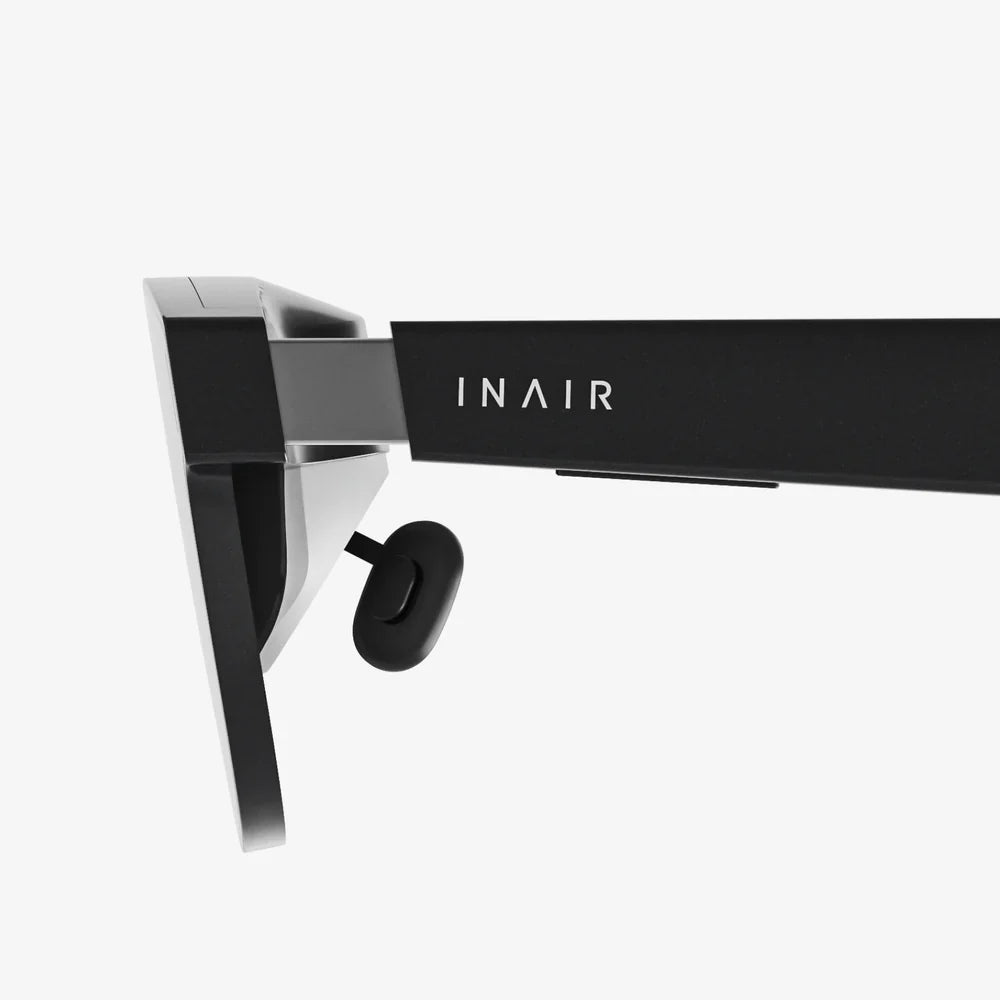
Imagine a world where digital information seamlessly overlays your physical reality, where your eyewear not only corrects your vision but enhances it, translating languages in real-time, identifying objects, and connecting you to a vast network of intelligent data. This is the promise of AI glasses, a technological frontier that is rapidly moving from science fiction to a tangible, investable reality. For the forward-looking investor, this convergence of artificial intelligence and augmented reality represents not just a new product category, but a paradigm shift in human-computer interaction, creating a potential goldmine for those who can identify the key players early. The race to dominate your field of vision is on, and the companies leading the charge are poised for explosive growth.
The Convergence of Two Technological Titans
The concept of smart glasses is not new. For years, various iterations have attempted to capture the public's imagination with mixed results. The critical difference today lies in the powerful, silent partner driving this new generation of devices: Artificial Intelligence. AI is the magic ingredient that transforms clunky hardware into an intuitive and useful extension of ourselves. It enables real-time computer vision, natural language processing, and complex contextual understanding, making the glasses truly "smart" rather than just a screen attached to your face.
Mapping the Investment Ecosystem: Beyond the Frames
When constructing an AI glasses stocks list, a savvy investor must look beyond the obvious manufacturers of the physical frames. The ecosystem is vast and interconnected, comprising several critical layers, each offering unique investment opportunities and bearing its own set of risks.
1. The Hardware Architects
This layer consists of the companies designing, assembling, and manufacturing the physical glasses themselves. These firms face immense challenges in miniaturizing powerful processors, developing long-lasting batteries, and creating high-resolution, energy-efficient micro-displays that are comfortable for all-day wear. Their success hinges on overcoming these engineering hurdles to create a device that is both powerful and socially acceptable. Investment here is a bet on mass-market adoption and superior design. These are typically the most volatile plays, as they are directly tied to consumer and enterprise reception of specific product launches.
2. The Semiconductor and Component Specialists
If the glasses are the body, the semiconductors are the brain and nervous system. This layer is arguably the most critical and often offers the most stable investment opportunities. It includes companies that produce:
- Specialized AI Chips (NPUs): These processors are designed specifically for on-device AI tasks like neural network processing, which is essential for real-time object recognition and spatial mapping without draining the battery.
- Micro-Displays: Developing tiny, high-resolution displays like LCoS (Liquid Crystal on Silicon), MicroLED, or Laser Beam Scanning modules is a major technological bottleneck. Companies mastering this will be in high demand.
- Sensors: A suite of sensors—LiDAR, depth sensors, accelerometers, gyroscopes—is required for the glasses to understand and interact with the world. Manufacturers of these advanced components are key enablers.
Investing in this layer is a bet on the underlying technology that will power devices from multiple hardware manufacturers, spreading the risk.
3. The Software and Platform Pioneers
Hardware is useless without software. This layer encompasses the operating systems, development platforms, and killer applications that will make AI glasses indispensable. This includes:
- Operating Systems (OS): The platform upon which all applications are built. Will a new AR-specific OS emerge, or will existing mobile OS giants extend their dominance?
- Development Tools & SDKs: Companies that provide software development kits (SDKs) and tools for creators to build AR experiences will be crucial for building a rich app ecosystem.
- AI Software Firms: Companies focused on computer vision, machine learning model training, and spatial computing software are the intelligence behind the hardware.
Investment here is a bet on the ecosystem. A successful software platform can create a powerful, sticky network effect that generates recurring revenue.
4. The Data and Infrastructure Backbone
AI glasses will generate an unprecedented amount of data. Processing this data, especially for complex tasks that can't be handled on the device itself, will require immense cloud computing power and sophisticated data analytics. This points to investment opportunities in cloud computing giants and data analytics firms that provide the essential backend infrastructure. Their role is less glamorous but fundamentally critical, representing a more defensive play within the theme.
Building a Strategic Portfolio: A Thematic Approach
Rather than searching for a single winning stock, a more robust strategy involves building a basket of stocks that captures the entire value chain. This thematic approach diversifies your exposure across hardware, software, semiconductors, and infrastructure. Allocate your investment based on your risk tolerance. You might overweight the more established semiconductor and cloud infrastructure players for stability and underweight the pure-play hardware manufacturers for higher growth potential (and higher risk). The market for AI glasses will evolve through distinct phases: initial enterprise adoption, followed by early consumer enthusiasts, and finally, mass-market penetration. Your investment strategy should consider which companies are best positioned for the current phase and which are laying the groundwork for the next.
Navigating the Risks: A Dose of Reality
This investment arena is not for the faint of heart. The path to mainstream adoption is littered with potential pitfalls. The technology itself presents significant challenges: battery life remains a major constraint, and creating displays that are bright enough for outdoor use yet comfortable for the eye is exceptionally difficult. Furthermore, the specter of regulatory scrutiny, particularly around data privacy and security, looms large. A single high-profile data breach or privacy scandal could severely dampen public enthusiasm. Finally, the market is highly speculative. Valuations for pure-play companies are often based on future potential rather than current earnings, making them highly sensitive to shifts in market sentiment and technological hype cycles. Investors must be prepared for significant volatility.
The Future is Through a New Lens
The development of AI glasses is more than a trend; it's a fundamental step towards a more integrated and intelligent digital future. From revolutionizing how surgeons access information in the operating room to enabling mechanics to see repair instructions overlaid on an engine, the enterprise applications alone are staggering. For consumers, it promises a world of enhanced productivity, immersive entertainment, and effortless access to information. For the investor, it represents a chance to participate in the birth of the next major computing platform. By understanding the layered ecosystem, adopting a strategic thematic approach, and respecting the inherent risks, you can position your portfolio not just to see the future, but to have a clear vision for profiting from it. The companies that solve the intricate puzzle of hardware, AI, and user experience will not just change what we see—they will change everything.
Share:
The Difference Between AR and VR: A Comprehensive Guide to Immersive Technologies
Best Affordable VR Glasses: Your Ultimate Guide to High-Value Immersive Technology