


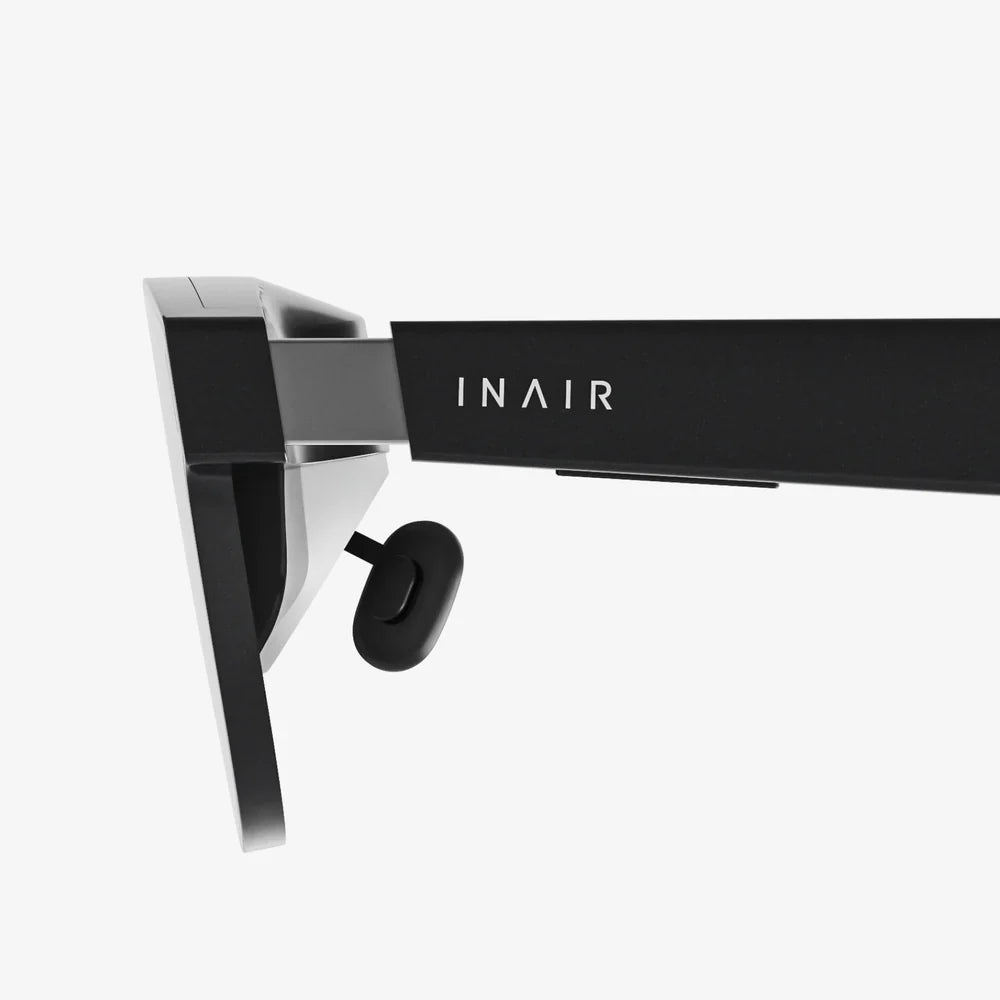
Imagine walking into a room, glancing at a page, a sign, or a screen, and having the words instantly read out to you in a clear, natural voice. That is the promise of AI glasses that read for you—a new wave of wearable technology quietly reshaping how we consume information, learn, and navigate the world. Whether you struggle with small text, live with a reading disability, or simply want to be more productive on the go, this emerging category of smart eyewear may soon become as common as wireless earbuds.
These devices are more than just a novelty. They sit at the intersection of artificial intelligence, computer vision, and assistive technology, offering a powerful tool for accessibility and everyday convenience. As the hardware gets lighter and the software gets smarter, AI reading glasses are moving from niche gadgets to mainstream companions for work, school, travel, and daily life.
What Are AI Glasses That Read For You?
AI glasses that read for you are wearable devices, typically shaped like regular eyeglasses, that use cameras, microphones, and onboard or cloud-based artificial intelligence to interpret visual and textual information and then read it aloud. They can read printed text, digital screens, labels, menus, and sometimes even handwritten notes, depending on the sophistication of the system.
At their core, these glasses combine several technologies:
- Camera modules to capture images or video of what you are looking at
- Optical Character Recognition (OCR) to detect and convert text in images into machine-readable words
- Natural Language Processing (NLP) to understand, segment, and sometimes summarize the text
- Text-to-Speech (TTS) engines to turn the processed text into spoken audio
- Connectivity features (Bluetooth, Wi-Fi, or cellular) to access cloud AI services when needed
From the user’s perspective, the experience is designed to be as seamless as possible: point your head or tap a frame, and the glasses do the rest. Instead of pulling out a phone, opening an app, and focusing a camera, the glasses become an always-ready reading assistant attached to your face.
How AI Reading Glasses Actually Work
Behind the simple user experience lies a complex pipeline of AI-driven processes. Understanding this pipeline can help you evaluate different models and appreciate what makes them powerful—and where they might still fall short.
1. Capturing the Visual Scene
Most AI glasses that read for you use one or more small cameras embedded in the frame or near the lenses. When you trigger a reading action—via a tap, a voice command, a button, or eye-tracking gestures—the camera captures an image or a short burst of video.
Key aspects at this stage include:
- Resolution and focus: Higher resolution and better autofocus help the system read small fonts and low-contrast text.
- Low-light performance: Some glasses perform poorly in dim environments, while others use advanced sensors to handle low light.
- Field of view: A wide field helps capture more context, but the AI must then locate the relevant text within the scene.
2. Detecting and Isolating Text
Once the image is captured, the device runs algorithms to locate text areas. This is often done using computer vision models trained on millions of examples of text in different fonts, languages, and environments.
The AI must distinguish text from background patterns, images, logos, and other visual noise. This is challenging in real-world settings where text might be curved on a bottle, partially obstructed, or placed on a reflective surface. Modern models use deep learning to handle these complexities far better than older OCR systems.
3. Converting Images to Digital Text (OCR)
After isolating text regions, the glasses apply OCR to convert the shapes of letters into digital characters. This is where the quality of the OCR engine becomes crucial. High-quality OCR can handle:
- Multiple fonts and sizes
- Different languages and scripts
- Rotated or skewed text
- Noisy backgrounds and imperfect lighting
In some devices, OCR runs fully on-device for speed and privacy. Others send images to cloud servers, where more powerful models process the text and send back the results.
4. Understanding and Structuring the Content
Raw text alone is not always useful. Many AI glasses that read for you go further by trying to understand the structure and meaning of what they see. This may involve:
- Detecting headings, paragraphs, lists, and columns
- Identifying reading order on complex layouts (like magazines or brochures)
- Recognizing tables, price tags, or labels with important numerical information
- Using NLP to identify key sections, such as ingredients, warnings, or totals on receipts
More advanced systems may even summarize long passages or highlight important parts, such as due dates, key terms, or action items.
5. Turning Text into Natural Speech
The final stage is converting text into speech using TTS technology. Early TTS systems sounded robotic, but modern AI-driven voices are remarkably natural, with realistic intonation, pacing, and emotion.
Key TTS features to look for include:
- Voice quality: Some devices offer multiple voice options and accents.
- Reading speed control: Users can speed up or slow down speech to match their comfort level.
- Language support: Multilingual users may want to switch languages quickly.
- Pronunciation accuracy: Proper handling of names, technical terms, and abbreviations is important.
Audio is usually delivered through small speakers near the ears or via bone conduction, allowing users to hear the reading while still remaining aware of their surroundings.
Who Benefits Most from AI Glasses That Read For You?
While these glasses can be useful for almost anyone, they are particularly transformative for certain groups of people. The impact is not just about convenience; for many, it is about independence, confidence, and equal access to information.
1. People with Visual Impairments
For individuals who are blind or have low vision, reading printed text can be a daily challenge. Traditional solutions like magnifiers, braille, or screen readers are helpful but have limitations. AI glasses that read for you offer a more flexible, mobile option.
Potential benefits include:
- Reading restaurant menus, signs, and labels without assistance
- Accessing printed mail, bills, and documents at home
- Identifying products in stores by reading packaging text
- Reading handwritten notes or chalkboards (depending on device capability)
Because the glasses sit on the face and respond to head orientation, they can feel more intuitive than constantly using a handheld camera or smartphone.
2. People with Dyslexia and Other Reading Difficulties
AI glasses that read for you can also be powerful tools for people with dyslexia, ADHD, or other conditions that make reading difficult or exhausting. Listening to text instead of—or in addition to—reading it visually can reduce cognitive load and improve comprehension.
For students and professionals, this might mean:
- Listening to textbooks, articles, and reports while following along visually
- Reducing frustration and fatigue during long reading sessions
- Increasing independence in school or work environments
- Improving focus by using audio as a guide through complex documents
Some devices allow synchronized highlighting on companion apps, so users can see and hear the text at the same time, reinforcing learning.
3. Busy Professionals and Knowledge Workers
Even for people without disabilities, AI reading glasses can be a productivity tool. They can help professionals stay on top of information in situations where holding a device or staring at a screen is inconvenient or impossible.
Use cases include:
- Listening to printed reports while commuting (when safe and appropriate)
- Scanning and hearing key sections of documents during meetings
- Quickly reading labels, manuals, or instructions in technical environments
- Capturing and hearing notes during site visits or inspections
For people who already use audiobooks and voice assistants, AI glasses that read for you extend this audio-first workflow into the physical world of paper and signage.
4. Travelers and Language Learners
Travelers often face language barriers when reading signs, menus, and instructions. Some AI glasses can not only read text aloud but also translate it in real time, turning foreign environments into more navigable spaces.
Language learners can benefit by:
- Hearing correct pronunciation of foreign words
- Getting translations and definitions on the fly
- Reinforcing vocabulary through real-world exposure
- Using everyday signs and labels as learning material
While translation accuracy is not perfect, it has improved significantly with modern AI models, making these glasses a practical companion for international trips.
Key Features to Look For in AI Reading Glasses
Not all AI glasses that read for you are created equal. If you are considering investing in a pair, it helps to understand the most important features and how they affect real-world use.
1. Comfort and Design
Because these devices sit on your face, comfort is paramount. Consider:
- Weight: Lighter frames reduce fatigue, especially for all-day wear.
- Balance: Even weight distribution across the nose and ears prevents pressure points.
- Adjustability: Nose pads and temple arms that can be adjusted improve fit.
- Lens options: Prescription lenses, tinted lenses, or clip-ons may be available.
A design that resembles ordinary glasses may also feel more socially acceptable and less intrusive in public settings.
2. Ease of Use and Controls
For the experience to be truly helpful, controlling the glasses must be intuitive. Common control methods include:
- Touch gestures: Swipes or taps on the frame to start or stop reading
- Physical buttons: Simple, tactile controls that are easy to locate
- Voice commands: Hands-free operation using wake words or push-to-talk
- Companion apps: Smartphone apps for configuration, updates, and advanced features
For users with limited dexterity or vision, voice control and minimal complexity are particularly important.
3. Reading Performance
Reading performance is the heart of the device. Evaluate:
- Accuracy: How well does it read small or stylized fonts?
- Speed: How quickly does it start reading after activation?
- Layout handling: Does it read columns, tables, and complex layouts in the correct order?
- Supported languages: Does it handle the languages you need, both for OCR and TTS?
Some devices also offer advanced features like reading only highlighted sections, skipping headers and footers, or summarizing long documents.
4. Battery Life and Charging
Battery life determines how long you can rely on the glasses during a typical day. Key considerations include:
- Active use time: How many hours of reading or scanning can you get?
- Standby time: How long can they stay on and ready between uses?
- Charging method: USB-C, magnetic connectors, or charging cases
- Fast charging: Quick top-ups can be valuable for heavy users.
Since cameras and AI processing are energy-intensive, battery life can vary widely between models.
5. Connectivity and Integration
Many AI glasses that read for you connect to smartphones or other devices to extend their capabilities. Look for:
- Bluetooth support: For pairing with phones, tablets, or computers
- Wi-Fi connectivity: For cloud-based AI processing and updates
- App ecosystem: Companion apps for configuration, cloud storage, and additional features
- Integration with accessibility settings: Compatibility with screen readers and system-wide accessibility tools
Offline functionality is also important for privacy and for situations where connectivity is limited.
Privacy and Ethical Considerations
AI glasses that read for you raise important questions about privacy and ethics. Because they constantly have the potential to capture images and audio, both users and bystanders may have concerns.
1. Data Collection and Storage
Some devices process all data locally on the glasses, while others send images or audio to remote servers for processing. Key questions to ask include:
- Are images or recordings stored permanently, temporarily, or not at all?
- Can the user control what is saved and what is deleted?
- Is data encrypted during transmission and at rest?
- Is the data used to train future models, and can you opt out?
For sensitive documents—medical records, financial statements, legal contracts—local processing and strong privacy controls become especially important.
2. Bystander Privacy
Because cameras are facing outward, bystanders might not know when they are being recorded or when text near them is being captured. Ethical use of AI reading glasses involves:
- Being transparent with people around you when appropriate
- Avoiding use in contexts where cameras are not allowed or socially inappropriate
- Respecting signs and policies that restrict photography or recording
Manufacturers can help by designing clear visual indicators when cameras are active and by limiting continuous recording features.
3. Algorithmic Bias and Accessibility
AI systems can sometimes perform worse on certain languages, fonts, or environments, which may disadvantage particular groups of users. Responsible development of AI glasses that read for you should include:
- Diverse training datasets covering multiple languages and writing systems
- Testing with users from different backgrounds and with different abilities
- Continuous updates to improve performance and reduce bias
Users should also have accessible support channels to report issues and request improvements.
Practical Use Cases in Everyday Life
To understand the real value of AI glasses that read for you, it helps to imagine specific scenarios where they can make a difference.
At Home
At home, these glasses can become a personal reading assistant for tasks such as:
- Reading mail, bills, and bank statements
- Checking instructions on medication bottles and packaging
- Following recipes from cookbooks or printed cards
- Reading labels on pantry items, cleaning products, and appliances
For someone with low vision, this can mean fewer calls for help and greater independence in daily routines.
At Work or School
In professional or educational settings, AI reading glasses can support:
- Reading printed handouts, textbooks, and forms in real time
- Quickly scanning meeting agendas, reports, and memos
- Capturing notes from whiteboards or posters
- Helping students with reading difficulties keep pace with classmates
Because the glasses are discreet, they can reduce the stigma sometimes associated with assistive devices in public or group settings.
On the Go
Outside the home, AI glasses that read for you shine as navigation and information tools:
- Reading street signs, bus schedules, and transit maps
- Checking store signs, price tags, and product labels
- Reading menus in restaurants without needing large-print versions
- Understanding instructions on public notices, posters, and flyers
For travelers, the ability to read and possibly translate foreign text can turn confusing environments into manageable ones.
Current Limitations and Challenges
Despite their promise, AI glasses that read for you are not perfect. Understanding their limitations can help set realistic expectations and guide future improvements.
1. Environmental Constraints
Performance can degrade in certain conditions, such as:
- Very low light or extreme glare
- Highly reflective surfaces like glossy magazines or glass
- Fast movement or shaky hands causing blurred images
- Text that is extremely small, distorted, or heavily stylized
Users may need to adjust their position, lighting, or distance from the text to get optimal results.
2. Processing Delays
While many devices are fast, there can still be noticeable delays between capturing an image and hearing the text. This delay can be longer when:
- Relying on cloud processing over slow networks
- Reading very long or complex documents
- Using translation or summarization features
For some users, even a few seconds of delay may feel disruptive in fast-paced situations.
3. Cost and Accessibility
Advanced AI glasses that read for you are still relatively expensive compared to traditional reading aids. This cost can be a barrier, especially for individuals who would benefit the most but have limited financial resources.
Potential solutions include:
- Insurance coverage or reimbursement programs for assistive technology
- Subsidies or grants for students and low-income users
- Public libraries or community centers lending devices
As the technology matures and competition increases, prices may decline, making these devices more accessible over time.
4. Social Acceptance
Wearing visibly high-tech glasses can draw attention, which some users might find uncomfortable. Design improvements that make devices look more like regular eyewear can help, as can growing public familiarity with wearable technology.
Users may also need time to build confidence using the glasses in public, especially in social situations where they feel self-conscious about relying on assistive technology.
How to Choose AI Glasses That Read For You
If you are considering buying AI reading glasses, making an informed choice is crucial. Here is a practical framework for evaluating options.
1. Define Your Primary Use Cases
Start by asking what you need most:
- Do you primarily want help with printed documents at home?
- Are you a student who needs support in classrooms and libraries?
- Do you travel frequently and need multilingual support?
- Are you looking for an all-day wearable device, or just occasional use?
Your answers will influence priorities like battery life, language support, comfort, and durability.
2. Test Comfort and Fit
Whenever possible, try the glasses in person. Pay attention to:
- How they feel after 15–30 minutes of wear
- Whether they slip down your nose or press uncomfortably behind your ears
- How they work with your existing prescription lenses, if needed
Comfort issues that seem minor at first can become significant over a full day of use.
3. Evaluate Reading Performance on Real Materials
Bring sample materials that reflect your real life:
- Books or textbooks
- Bills, bank statements, or official letters
- Menus, labels, and packaging
- Foreign-language text if relevant
Test how quickly and accurately the glasses read each type, and note any recurring problems.
4. Check Privacy and Security Policies
Review how the device handles your data:
- Does it allow offline use without sending data to the cloud?
- Can you disable data collection features?
- Is there clear documentation about encryption and retention?
If you plan to use the glasses for sensitive documents, prioritize models with strong privacy guarantees.
5. Consider Support and Updates
AI-based products improve over time through software updates. Look for:
- Regular firmware and app updates that add features or improve performance
- Accessible customer support channels (phone, chat, email)
- Active user communities or documentation with tips and tutorials
A device that evolves and improves can stay useful for years, even as technology advances.
The Future of AI Glasses That Read For You
The current generation of AI reading glasses already feels impressive, but the technology is still in its early stages. Several trends suggest that the future will bring even more powerful and seamless experiences.
1. More Natural Interaction
Future devices are likely to rely more on subtle gestures, eye tracking, and context awareness. Instead of tapping or speaking commands, you might simply look at a block of text for a moment, and the glasses will know you want it read aloud.
Advances in gaze tracking, head pose estimation, and environmental understanding will make the interaction feel more like having a human assistant who intuitively understands what you need.
2. Smarter Understanding of Content
As large language models and multimodal AI continue to improve, AI glasses that read for you will not just read text but truly understand it. This could enable features such as:
- Summarizing long documents into key points
- Answering questions about the text you are reading
- Highlighting important details like deadlines, prices, or instructions
- Linking printed information to online resources for deeper exploration
This shift from raw reading to intelligent comprehension could transform how we study, research, and make decisions.
3. Better Integration with Other Devices
AI reading glasses will increasingly integrate with smartphones, computers, and smart home devices to create a unified information ecosystem. You might:
- Start reading a printed document with your glasses, then continue on a tablet
- Save scanned text to cloud storage automatically
- Sync highlights and notes across all your devices
- Use voice assistants to control both your glasses and other smart devices
For users who already rely on digital note-taking, task managers, and cloud services, this integration will make AI reading glasses a natural extension of their workflow.
4. Smaller, Lighter, and More Affordable Devices
As components shrink and become more energy-efficient, future AI glasses that read for you will look and feel even more like ordinary eyewear. Improvements in battery technology, low-power processors, and display systems will allow:
- All-day battery life with minimal bulk
- Thinner frames that do not stand out
- Lower manufacturing costs and more competitive pricing
Over time, this could move AI reading glasses from a specialized assistive device to a mainstream accessory, much like how smartphones evolved from niche gadgets to everyday essentials.
Why Now Is the Time to Pay Attention
AI glasses that read for you are not science fiction or distant prototypes—they are real, shipping products that people are already using to change how they read, work, and live. The combination of powerful AI models, compact hardware, and growing awareness of accessibility needs has created a perfect moment for this technology to flourish.
If you or someone you know struggles with reading, vision, or information overload, exploring these devices could open doors to greater independence, productivity, and confidence. And even if you are simply curious about the future of human-computer interaction, AI reading glasses offer a glimpse of a world where information is not just on screens or pages, but seamlessly accessible through the simple act of looking.
The next time you find yourself squinting at tiny text, juggling documents, or wishing you could listen instead of read, remember that there is a new kind of companion emerging—AI glasses that read for you, turning the printed world into an audible, accessible, and personalized stream of knowledge that moves with you wherever you go.
Share:
Convince Consumers AR Glasses Are Ready For Everyday Life
How Will Virtual Reality Affect Social Interaction in the Coming Decade