


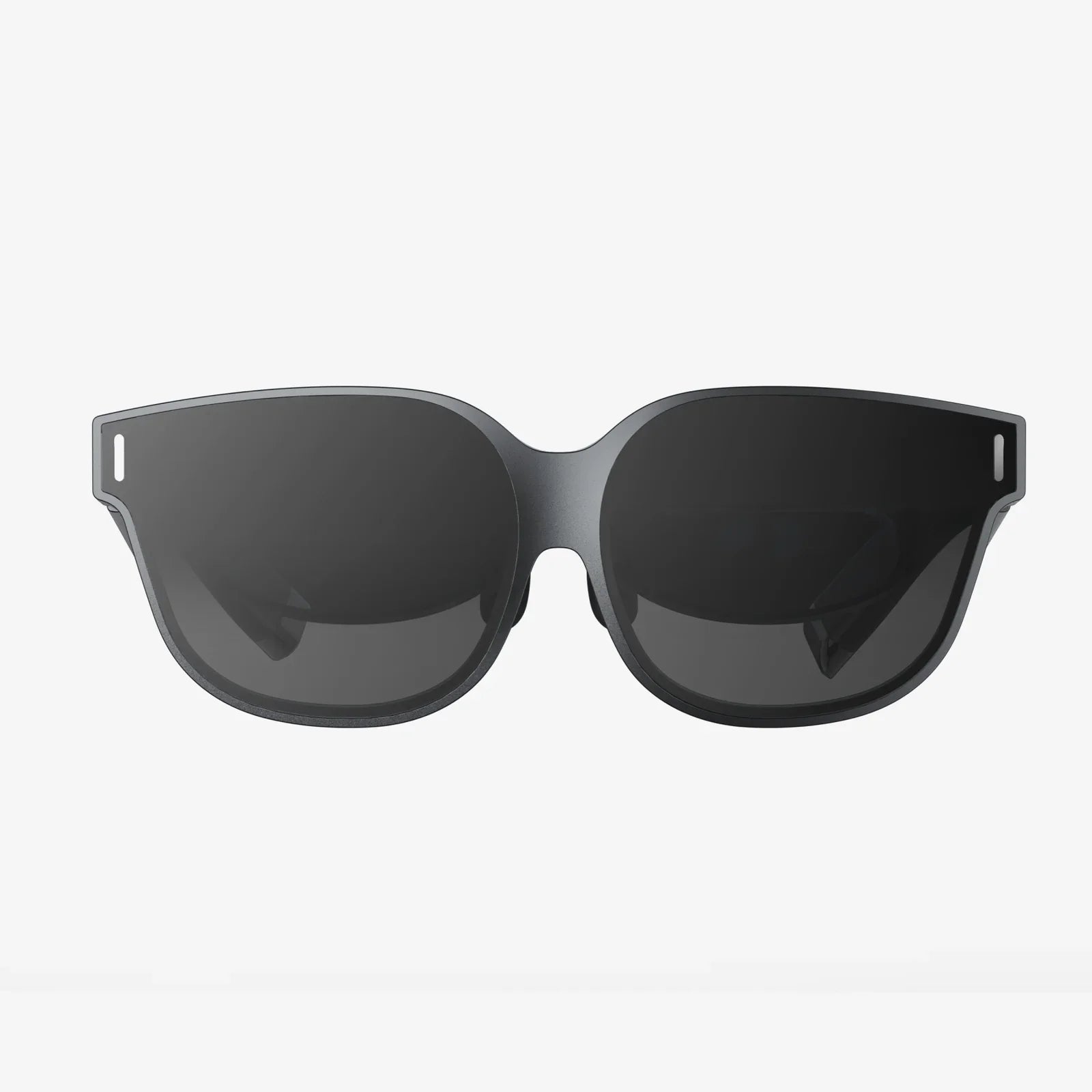
Imagine walking around your dream car, peering under its hood, sliding into its driver's seat, and taking it for a virtual test drive on a scenic coastal road—all from the comfort of your living room. This isn't a scene from a science fiction film; it's the emerging reality of the automotive industry, powered by a revolutionary convergence of technologies known as AR Auto Direct. This powerful combination of Augmented Reality (AR) and a direct-to-consumer sales model is dismantling traditional barriers, transforming uncertainty into confidence, and fundamentally rewriting the rules of how we discover, purchase, and interact with our vehicles. It promises a future where the car buying process is not a chore to be endured but an experience to be savored, a future where your relationship with your vehicle is continuous, informed, and deeply personalized.
Deconstructing the Revolution: AR and Direct Sales
To fully appreciate the impact of AR Auto Direct, we must first understand its two constituent parts and the potent synergy they create.
The Power of Augmented Reality in Automotive
Unlike Virtual Reality (VR), which creates a completely digital environment, Augmented Reality (AR) overlays digital information—images, data, 3D models—onto the user's real-world view. Through the lens of a smartphone, tablet, or AR headset, digital objects behave as if they are truly present in the user's space. In an automotive context, this technology moves the vehicle from the abstract pages of a brochure or a flat website image into a tangible, interactive object within the customer's personal environment.
The Rise of the Direct-to-Consumer Model
Parallel to this technological shift is a structural one. The traditional automotive retail model is a multi-layered journey involving manufacturers, regional distributors, and franchised dealerships. This system, while long-established, often introduces friction: price haggling, inconsistent customer experiences, and a disconnect between the brand's message and the dealership's execution. The direct-to-consumer (D2C) model, pioneered in other industries, cuts out the intermediary. The manufacturer sells directly to the customer online, controlling the entire experience, offering transparent, non-negotiable pricing, and building a direct relationship with the end-user.
The Synergy: A Seamless End-to-End Experience
AR Auto Direct is the fusion of these two concepts. It’s not just using AR for a cool marketing gimmick; it’s about embedding immersive technology into every stage of the direct sales funnel. AR becomes the primary tool for discovery, configuration, validation, and education, making the remote, direct purchase not just possible, but preferable. It replaces the physical showroom with a virtual one that is infinitely scalable, available 24/7, and located wherever the customer is.
The AR Auto Direct Experience: From Discovery to Driveway
The application of this technology transforms the customer journey into a seamless, engaging, and highly informed process.
1. Virtual Vehicle Discovery and Exploration
The journey begins with discovery. Instead of scrolling through static galleries, a potential buyer can use an AR application to project a full-scale, photorealistic model of a vehicle into their driveway or garage. They can walk around it, assessing its proportions, design lines, and stance in real-world lighting conditions. They can open the doors, trunk, and frunk to visualize cargo space. This capability answers critical initial questions about size and style that are impossible to gauge from a picture alone, dramatically reducing early-stage uncertainty and building a strong emotional connection from the first interaction.
2. Immersive Configuration and Personalization
This is where AR shines. Choosing a color from a small swatch on a screen is a gamble. With AR Auto Direct, a customer can see how a specific shade of blue looks under the midday sun, in the shade, or under their own garage lighting. They can swap wheel designs with a tap and see them rotate in real-time on the virtual car. They can project different interior trim options, wood, aluminum, or carbon fiber, onto the model and examine the material's detail up close. This immersive configuration eliminates the anxiety of customization, ensuring the customer loves their choices before a single part is ordered.
3. The Ultimate Test Drive: Any Road, Any Time
While a physical test drive remains important for feel, AR can vastly enhance its scope and preparation. Imagine a virtual test drive where the AR overlay provides real-time data on performance metrics, highlights safety features as they activate, or even allows the driver to experience different driving modes on the same stretch of road. Furthermore, for those unable to visit a physical location, a robust AR experience can serve as a powerful precursor, building confidence and intent before arranging for a vehicle to be brought to their home for a final real-world drive.
4. Streamlined Purchase and Transparent Transaction
Once the customer is ready to buy, the direct model takes over. The configured vehicle in AR is directly linked to the online ordering platform. The final price, including applicable taxes and fees, is presented transparently, with no need for negotiation. Financing and payment options can be integrated and processed within the same ecosystem. The entire transaction is smooth, digital, and auditible, turning what is often the most stressful part of the process into a simple, click-through event.
5. Beyond the Sale: Augmented Ownership and Support
The relationship doesn't end at the sale; this is where AR Auto Direct fosters lasting loyalty. Using AR, an owner can point their device at their vehicle's dashboard to get an interactive tutorial on its features. Pointing at the engine bay could overlay arrows and instructions for checking fluid levels or identifying components. If a warning light appears, the AR app can identify it, explain what it means, and guide the user through preliminary checks before suggesting service options. This continuous support demystifies the vehicle, empowers the owner, and creates an always-available digital companion for the lifetime of ownership.
The Ripple Effects: Impact on Industry and Consumers
The implications of widespread AR Auto Direct adoption are profound, affecting everyone from manufacturers to customers.
For the Consumer: Empowerment, Confidence, and Convenience
The consumer benefits are immense. They gain unprecedented access to information and visualization tools, leading to more confident purchasing decisions. The anxiety of the dealership haggle is replaced by the comfort of transparent, fixed pricing. The process becomes incredibly convenient, collapsing hours of dealership visits into moments of immersive exploration at home. Ultimately, it places the customer firmly in control, on their terms and on their schedule.
For the Industry: Efficiency, Data, and Brand Control
For automotive companies, the advantages are strategic. The direct model reduces inventory carrying costs and eliminates the margin compression caused by the dealer network. It provides a treasure trove of first-party data: which colors are most viewed, which features are interacted with most, and where in the virtual journey customers drop off. This data is invaluable for marketing, inventory planning, and product development. Most importantly, it allows the brand to own the entire customer experience, ensuring its values and quality standards are communicated consistently from first ad to final service.
Challenges and Considerations
The path forward is not without obstacles. The technology requires widespread consumer adoption of AR-capable devices and robust broadband connectivity. Creating photorealistic, high-fidelity AR models of entire vehicle lineups is a significant investment in time and resources. Furthermore, the industry must navigate complex existing franchise laws in many regions that protect the traditional dealership model. Success will depend on technological advancement, strategic investment, and careful legal navigation.
The Road Ahead: What's Next for AR Auto Direct?
As technology evolves, so too will the possibilities. The future of AR Auto Direct is likely to be shaped by a few key developments. The adoption of mixed reality (MR) headsets will make these virtual experiences even more immersive and hands-free. Artificial Intelligence (AI) will power hyper-personalized AR experiences, suggesting configurations based on a user's past behavior, home location, and stated preferences. We will see the emergence of a truly unified digital twin for every vehicle—a virtual replica that updates in real-time with the physical car's location, status, and service needs, creating a perpetual feedback loop between the owner and the manufacturer.
The distant showroom is fading into the horizon, replaced by an infinite digital forecourt that lives in your pocket. AR Auto Direct is more than a new way to buy a car; it's the foundation for a new era of automotive engagement, one defined not by transactions but by interactive, informed, and continuous relationships. The journey to your next car won't begin on a car lot; it will begin the moment you decide to explore, unlocking a world of possibility right before your eyes and transforming the biggest purchases you'll ever make into the most empowering experiences you'll ever have.
Share:
Wearable Device Market Forecast: A Deep Dive into the Next Decade of Personal Tech
Production Digitalization: The Fourth Industrial Revolution Reshaping Global Manufacturing