


Imagine pointing your device at a seemingly ordinary object and watching it spring to life with digital information, interactive characters, and dynamic animations. This is no longer the stuff of science fiction but a rapidly expanding reality, powered by the revolutionary field of augmented reality content creation. This technology is fundamentally altering how we interact with information, brands, and each other, creating a new layer of interactive experience superimposed onto our physical world. The demand for skilled creators who can build these captivating digital overlays is exploding, opening up a frontier of creative and technical possibilities that merges the imagination with the tangible.
The Foundation of Augmented Reality
At its core, augmented reality is a technology that superimposes a computer-generated image, video, or 3D model onto a user's view of the real world, thus providing a composite view. Unlike Virtual Reality (VR), which creates a completely artificial environment, AR enhances the real world by adding digital elements to it. This creates a unique and powerful sense of presence and context that other digital media cannot replicate.
The magic of AR is made possible through a combination of sophisticated technologies. These include:
- Computer Vision: This is the brain of the operation. It allows the device's camera to recognize and understand the environment. Techniques like SLAM (Simultaneous Localization and Mapping) enable the device to map the physical space and track its position within it in real-time, allowing digital objects to be placed and remain persistent.
- Tracking: Different types of tracking anchor the digital content. Marker-based tracking uses a specific image (like a QR code) to trigger the AR experience. Markerless tracking, more common today, uses feature points in the environment—a table, a floor, a wall—to place objects without a predefined target.
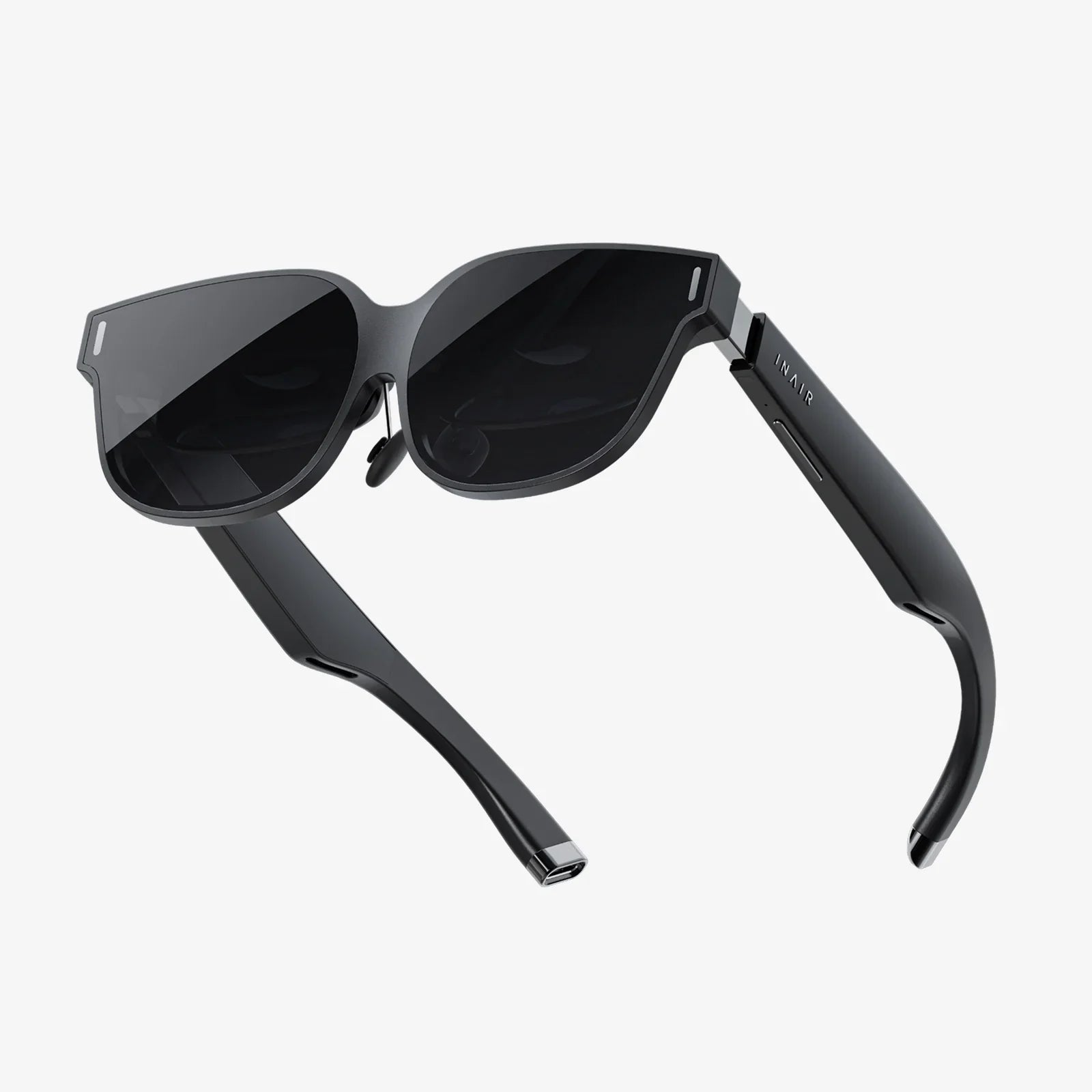
- Display Technology: This is how the user sees the augmentation. It can be screen-based (smartphones, tablets), through heads-up displays (like in some cars), or via wearable glasses, which offer a truly hands-free, immersive experience.
The AR Content Creation Workflow: From Concept to Experience
Creating compelling AR content is a multidisciplinary process that blends creativity with technical precision. The workflow can be broken down into several key stages.
1. Ideation and Storyboarding
Every great AR experience begins with a strong idea rooted in a clear purpose. The first question any creator must ask is: "What problem does this solve or what emotion does this evoke?" Unlike traditional media, AR is inherently interactive and contextual. The storyboard must account for the user's environment, their potential movements, and how the digital content will respond. It's about designing an experience, not just a visual.
2. 3D Asset Creation and Sourcing
Three-dimensional models are the building blocks of most AR experiences. Creators use 3D modeling software to design objects, characters, and environments. These models must be optimized for real-time rendering, meaning they need to have a low polygon count and efficient textures to ensure they load quickly and run smoothly on mobile processors. Many creators also source pre-made assets from online marketplaces to speed up development.
3. Development and Authoring
This is where the experience is assembled. Powerful development platforms provide creators with the necessary tools and SDKs (Software Development Kits) to build AR apps. These platforms often feature drag-and-drop interfaces or visual scripting systems, making AR development more accessible to designers without deep coding knowledge. For more complex interactions, proficiency in programming languages is required to script behaviors, animations, and logic.
4. Testing and Iteration
Perhaps the most critical phase is testing. AR experiences are highly dependent on environmental variables—lighting, surface textures, physical space, and device capabilities. Rigorous testing across different devices and in various real-world conditions is essential to ensure stability and performance. User feedback is gathered to refine interactions and improve the overall user experience (UX).
5. Deployment and Distribution
The final step is getting the experience into the hands of users. For app-based AR, this means publishing on major app stores. However, a massive shift has occurred with the advent of WebAR, which allows users to access AR experiences directly through a web browser without downloading any app. This drastically lowers the barrier to entry and enables mass distribution via simple QR codes or web links.
Essential Tools for the Modern AR Creator
The barrier to entry for AR content creation has never been lower, thanks to a robust ecosystem of accessible and powerful software tools. These platforms cater to a wide range of skill sets, from complete beginners to seasoned developers.
For Designers and Beginners: Several web-based and desktop platforms offer intuitive, no-code or low-code environments. They allow users to import 3D models, add animations and interactions through visual programming, and publish experiences to both app and web formats with a few clicks. These tools are democratizing AR creation and empowering marketers, educators, and artists to build their own experiences.
For Developers: For those requiring full control and advanced capabilities, game engines are the industry standard. These powerful environments provide the ultimate flexibility for creating high-fidelity, complex, and interactive AR experiences. They integrate directly with AR SDKs from major tech companies and offer robust programming support for building custom functionality.
Supplementary Software: The AR workflow also relies on a suite of supporting software for 3D modeling and animation, image and video editing, and spatial audio design. Mastery of these tools allows creators to produce all the necessary assets that bring an AR scene to life.
Design Principles for Effective AR Experiences
Creating AR content that is both engaging and user-friendly requires adherence to a set of core design principles.
- Context is King: The content must be relevant to the user's physical environment. An AR experience in a museum should be different from one in a retail store. The digital overlay should feel like a natural extension of the space, not a disconnected element.
- Prioritize User Experience (UX): Interactions should be intuitive and simple. Users should understand immediately how to engage with the content. On mobile, this means designing for touch gestures; on glasses, it might involve voice commands or gaze tracking.
- Optimize for Performance: A laggy or jittery experience breaks immersion. Creators must optimize 3D models, textures, and animations to ensure a smooth frame rate across a wide range of devices.
- Consider Safety: AR often encourages movement. Designers must be mindful of the user's physical safety, potentially warning them about their surroundings or designing experiences for stationary use.
- Value and Delight: The experience should provide clear value, whether it's useful information, entertaining storytelling, or a solution to a problem. Adding an element of surprise and delight can create a memorable impression.
The Future Horizon: Where AR Content Creation is Headed
The evolution of AR is accelerating, driven by advancements in hardware and artificial intelligence. The future of content creation will be shaped by several key trends.
The dream of comfortable, stylish, and powerful AR glasses becoming an all-day computing device is getting closer. This will move AR from a "phone-held" novelty to a truly seamless, always-available interface, unleashing a new wave of spatial computing applications and content needs.
AI is already supercharging AR creation. Generative AI models can now create 3D assets from text prompts, drastically reducing production time. AI will also enhance AR experiences themselves, enabling more intelligent object recognition, realistic audio interactions, and dynamic content that adapts to the user in real-time.
As the digital and physical worlds continue to merge, the demand for creators who can navigate this blended space will become universal. AR content creation is not a niche skill set but is rapidly becoming a fundamental form of digital literacy, poised to redefine storytelling, commerce, education, and connection in the decades to come.
The door to a layered world is wide open, waiting for the next wave of creators to step through and define its visual language. The tools are now accessible, the audience is eager, and the only limit is the imagination of those willing to blend pixels with reality and craft the extraordinary from the ordinary. This is your invitation to start building the future, one augmented experience at a time.
Share:
What Is AI Used For: The Comprehensive Guide to Modern Applications
Interactive AR Software: Bridging the Digital and Physical Worlds