


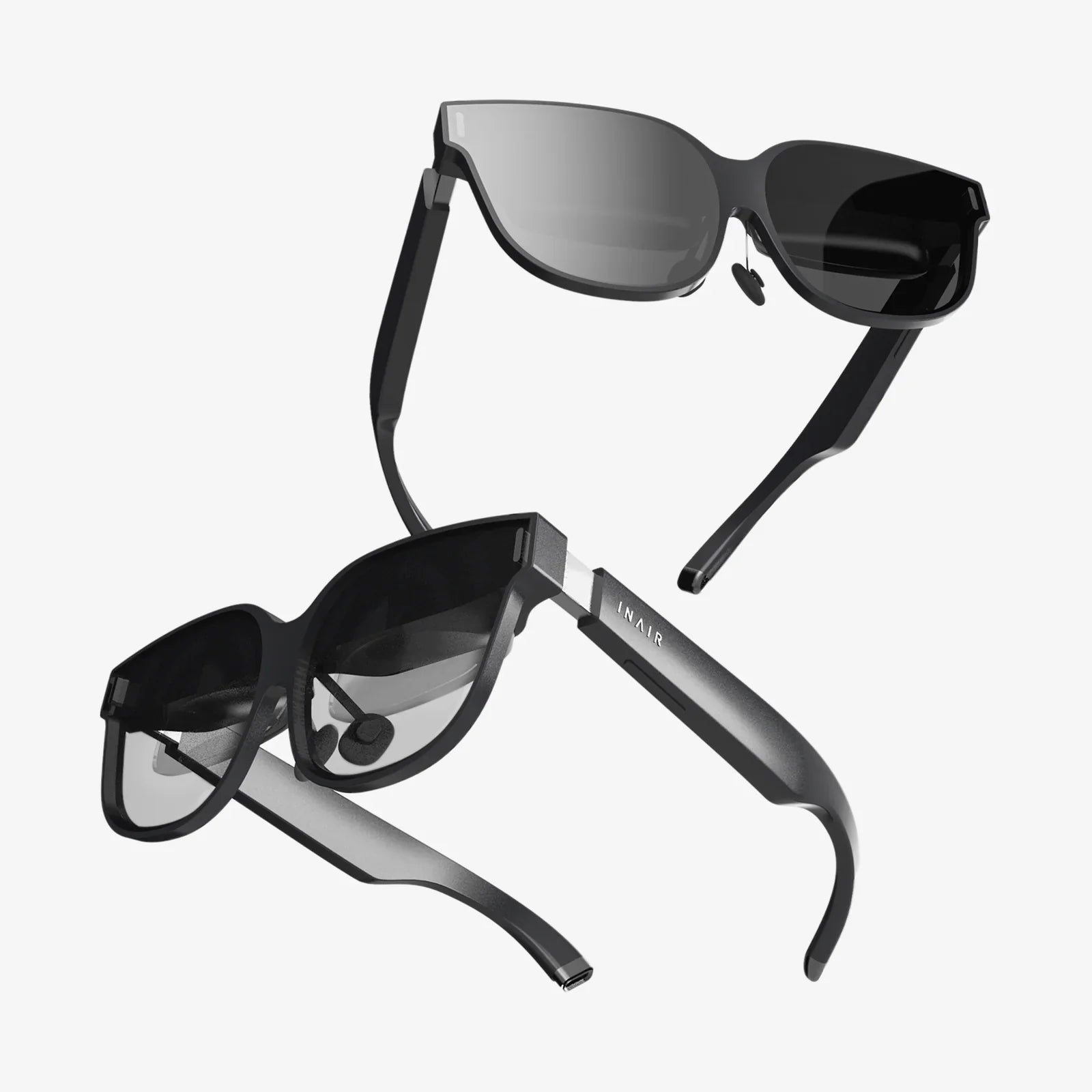
AR entertainment is quietly reshaping how we play, learn, shop, and socialize, turning everyday surroundings into interactive stages for digital experiences. What once sounded like science fiction is now in your pocket, ready to overlay your real world with dynamic characters, information, and stories that respond to your movements in real time. If you are curious about where the next wave of digital experiences is headed, augmented reality is the space to watch.
Unlike traditional screens that pull your attention away from your environment, augmented reality (AR) adds digital layers on top of what you already see. That shift is more than a technical upgrade; it is a fundamental change in how entertainment is created, delivered, and enjoyed. From interactive museum exhibits to location-based games and live AR-enhanced concerts, AR entertainment is becoming the connective tissue between physical life and digital creativity.
What AR Entertainment Actually Is
AR entertainment refers to any form of interactive experience where digital content is overlaid on the real world in real time. It uses cameras, sensors, and displays on devices like smartphones, tablets, smart glasses, or headsets to blend virtual elements with your environment.
To understand it clearly, it helps to distinguish AR from related technologies:
- Augmented Reality (AR): Enhances the real world with digital images, sounds, text, or animations that align with your surroundings.
- Virtual Reality (VR): Fully immerses you in a digital environment, blocking out the real world.
- Mixed Reality (MR): A more advanced form of AR where digital objects are not just overlaid but can interact realistically with physical objects.
AR entertainment sits primarily in the AR and MR space. It is about merging digital creativity with physical context, so that entertainment does not just happen on a screen but within your own environment.
Core Technologies Powering AR Entertainment
Even though AR experiences can feel magical, they are built on a clear stack of technologies. Understanding these components helps explain what is possible today and what will become common tomorrow.
1. Computer Vision and Environment Mapping
Computer vision allows AR systems to interpret the physical world through a camera. It detects surfaces, edges, and objects so that digital content can be placed accurately in 3D space.
- Plane detection: Recognizes flat surfaces like tables, floors, and walls.
- Depth sensing: Estimates distance so virtual objects appear correctly sized and positioned.
- Object recognition: Identifies specific items or markers to trigger AR content.
Without this layer, digital elements would simply float aimlessly on top of the camera feed. With it, AR entertainment can anchor a virtual character to your desk or place an interactive portal on your living room wall.
2. Motion Tracking and Spatial Awareness
AR systems track how your device moves so that virtual content stays stable in the real world as you walk, turn, or tilt your phone. This involves:
- IMU sensors (accelerometers, gyroscopes) to measure motion.
- Simultaneous Localization and Mapping (SLAM) algorithms to build a map of the environment while tracking position.
Stable, responsive tracking is essential for entertainment. If a virtual character jitters or drifts when you move, the illusion breaks instantly.
3. Rendering and Real-Time Graphics
To blend digital and physical worlds convincingly, AR entertainment relies on advanced graphics techniques:
- Real-time lighting to match the brightness and color of your environment.
- Shadows and occlusion so virtual objects can appear behind or under real objects.
- High frame rates to keep motion smooth and reduce visual discomfort.
As mobile processors and dedicated chips for graphics and AI improve, AR experiences are becoming richer and more lifelike.
4. Interaction and User Interface Design
AR entertainment requires new forms of interaction. Touch screens still matter, but AR introduces:
- Gesture controls like pinching in midair or pointing.
- Gaze and head tracking for selection and navigation.
- Voice commands to trigger actions without touching the device.
Designing interfaces that feel natural in a 3D space is one of the biggest challenges and opportunities in AR entertainment.
Key Types of AR Entertainment Experiences
AR entertainment already appears in many forms, from casual mobile experiences to large-scale installations. These are some of the most influential categories.
1. AR Gaming and Playful Experiences
Gaming is often the first place new interactive technologies gain traction, and AR is no exception. AR games overlay characters, objects, and challenges onto your surroundings, turning your home, neighborhood, or city into part of the game world.
Common AR gaming elements include:
- Location-based challenges where players must visit real-world locations.
- Object collection using the camera to discover hidden items.
- Real-world navigation where maps and directions are integrated into gameplay.
- Multiplayer AR allowing several users to see and interact with the same virtual objects.
Beyond traditional games, playful AR experiences include virtual pets that react to your furniture, AR puzzles that appear on your walls, and mini-games embedded in social media filters.
2. AR in Live Events and Performances
Concerts, sports events, and festivals are increasingly experimenting with AR layers that enhance the live experience instead of replacing it. Examples include:
- AR-enhanced stage effects visible through event apps, adding virtual fireworks, creatures, or visual narratives around performers.
- Interactive fan experiences where attendees unlock AR content by scanning tickets, wristbands, or venue markers.
- Stadium overlays that show live stats, player information, or tactical views when you point your device at the field.
This approach lets organizers create multiple layers of experience: the core event for everyone and optional AR content for those who want extra immersion.
3. AR in Museums, Galleries, and Cultural Spaces
AR entertainment is transforming how people engage with art, history, and culture. Instead of static plaques, visitors can access interactive stories that appear directly on or around exhibits.
Common use cases include:
- Historical reconstructions where ruins are overlaid with 3D models showing how structures once looked.
- Animated artworks that come to life when viewed through an AR app.
- Guided tours where virtual characters act as narrators, leading visitors through curated paths.
- Educational games that reward visitors for exploring certain sections or solving AR-based puzzles.
This makes cultural spaces more engaging for younger audiences while adding depth for enthusiasts who want more context.
4. AR Storytelling and Narrative Experiences
Storytelling in AR entertainment goes beyond watching a video. It places you inside the narrative, turning your surroundings into part of the plot. Storytellers can anchor scenes to specific locations, trigger events based on your choices, and blend real-world objects into the story.
Some emerging formats include:
- Location-based AR narratives where you follow clues through a neighborhood, unlocking scenes as you walk.
- Interactive AR comics that appear on walls, tables, or books and animate when scanned.
- Immersive audio-visual tours combining spatial audio with AR visuals to tell stories tied to real places.
This kind of storytelling blurs the line between theater, film, and gaming, opening new creative possibilities for writers, directors, and designers.
How AR Entertainment Is Changing Everyday Life
AR entertainment is not confined to special events or dedicated venues. It is increasingly woven into daily routines, often in subtle ways that do not even feel like "technology experiences" anymore.
AR in Social Media and Communication
Social platforms have become a major channel for AR entertainment, especially through filters and effects. These experiences can be playful, expressive, or artistic:
- Face filters that alter appearance, add masks, or transform users into characters.
- Background and environment effects that change the scene behind you or add virtual props.
- Interactive stickers that respond to movement, facial expressions, or sound.
While these features are often used casually, they are also a testing ground for more advanced AR entertainment concepts, such as collaborative AR scenes and shared virtual spaces.
AR in Retail and Shopping Experiences
Shopping is becoming a form of entertainment through AR. Instead of imagining how a product might look or feel, customers can visualize it directly in their environment or on themselves.
Common AR retail experiences include:
- Virtual try-ons for clothing, eyewear, accessories, or cosmetics using the device camera.
- Home visualization where furniture, decor, or appliances are placed virtually in your room.
- Interactive packaging that reveals hidden stories, instructions, or mini-games when scanned.
These experiences turn the act of browsing into something more engaging and memorable, merging utility with playful exploration.
AR in Tourism and City Exploration
Travel and tourism are natural fits for AR entertainment because every city, landmark, and neighborhood can become an interactive canvas.
Examples of AR in tourism include:
- Guided AR walking tours that overlay historical scenes, characters, or timelines onto streets and buildings.
- Monument overlays showing how landmarks changed over time or how they were built.
- Gamified city exploration where visitors earn rewards or unlock stories by visiting specific spots.
This approach can help lesser-known locations stand out and encourage deeper engagement with local culture and history.
The Educational Power of AR Entertainment
One of the most promising aspects of AR entertainment is its ability to make learning feel like play. By embedding information into interactive environments, AR can help people understand complex ideas more intuitively.
AR in Classrooms and Remote Learning
In education, AR can turn abstract concepts into tangible experiences:
- 3D models of molecules, planets, or historical artifacts placed on classroom desks.
- Interactive diagrams where students can explore inside machines, organs, or ecosystems.
- Language learning experiences that label objects in the environment with translations.
By making learning more visual and interactive, AR entertainment can support different learning styles and boost engagement, especially for younger students who are accustomed to digital media.
AR for Skill Training and Simulation
Beyond schools, AR entertainment principles are used in training for professions and hobbies. While the primary goal may be education, the experiences often adopt game-like structures to keep learners motivated.
Examples include:
- Step-by-step AR guides for complex tasks, overlaying instructions directly onto equipment.
- Safety and emergency simulations where trainees practice responses in realistic scenarios with virtual hazards.
- Creative skill development such as AR-assisted drawing, music, or design tools that respond to physical actions.
When training feels like an immersive game rather than a static lecture, retention and confidence can improve significantly.
Design Principles for Compelling AR Entertainment
Creating effective AR entertainment is not just about technology; it is about thoughtful design that respects both the real and virtual worlds. Several principles consistently separate compelling experiences from forgettable ones.
1. Context Awareness
Good AR entertainment understands where and how it is being used. Designers should consider:
- Physical space: Is the user in a small room, outdoors, or a crowded venue?
- Lighting conditions: Will the experience work in bright sunlight and dim interiors?
- Movement patterns: Are users standing still, walking, or sitting?
Experiences that adapt to context feel more natural and reduce friction.
2. Safety and Comfort
AR entertainment overlays digital content on reality, but the physical world still matters. Responsible design must minimize risks:
- Avoid encouraging users to walk while staring at screens without awareness.
- Provide clear boundaries when physical obstacles or hazards are nearby.
- Limit visual clutter to prevent dizziness, eye strain, or confusion.
Well-designed AR experiences blend into life rather than demanding constant, risky attention.
3. Clear Interaction Cues
In AR, users may not know what is interactive or how to interact. Effective experiences:
- Highlight tappable or draggable objects with subtle animations.
- Use consistent gestures for common actions like rotating, scaling, or selecting.
- Provide quick onboarding that demonstrates key interactions.
When users immediately understand how to play, they are more likely to stay engaged.
4. Respect for Attention and Time
Because AR is often used in short bursts, the best entertainment experiences respect users' time:
- Fast loading and minimal setup.
- Clear goals or rewards within the first few moments.
- Optional depth for those who want to explore further.
Designers who treat attention as a scarce resource create experiences that feel rewarding rather than exhausting.
Challenges Facing AR Entertainment
Despite its promise, AR entertainment still faces significant hurdles. Understanding these challenges provides a realistic view of where the industry stands.
Hardware Limitations
While smartphones are widely available, dedicated AR wearables are still evolving. Constraints include:
- Battery life for always-on, graphics-intensive experiences.
- Display quality and field of view for comfortable long-term use.
- Form factor that balances performance with comfort and social acceptability.
As hardware improves, AR entertainment will likely shift from handheld to hands-free, unlocking more natural interactions.
Content Creation Complexity
Building high-quality AR experiences requires skills across 3D modeling, animation, game engines, interaction design, and spatial audio. This complexity can slow adoption and limit experimentation.
However, new tools are emerging to simplify AR content creation, including:
- Visual editors with drag-and-drop components.
- Template-based experiences for common use cases.
- Cloud services for hosting and synchronizing shared AR worlds.
As tools become more accessible, more creators will be able to contribute to the AR entertainment ecosystem.
Privacy and Data Concerns
AR devices often collect detailed information about environments, faces, and behaviors. This raises questions about:
- How visual and spatial data is stored and used.
- Who has access to maps of private spaces.
- How biometric data like facial expressions is handled.
For AR entertainment to gain widespread trust, clear standards and transparent policies around data usage are essential.
Social and Cultural Acceptance
Even if the technology works perfectly, AR entertainment must fit into social norms. People may feel self-conscious using AR in public, or uncomfortable when others wear devices that can record or analyze their surroundings.
Over time, design choices, etiquette guidelines, and public awareness will shape how AR is perceived and used in shared spaces.
The Future of AR Entertainment
Looking ahead, AR entertainment is likely to become more persistent, personalized, and integrated into daily life. Several trends point to where things are heading.
Persistent Shared AR Worlds
Today, many AR experiences are temporary and isolated. In the future, we can expect:
- Shared AR layers that multiple people can see and interact with at the same time.
- Location-anchored content that remains in place, so a virtual mural or game element can be revisited.
- Community-created AR where users contribute their own art, stories, or games to public spaces.
This would turn cities into living, evolving canvases where digital and physical culture overlap.
Smarter, More Adaptive Experiences
As AI and AR converge, entertainment experiences will become more responsive and personalized. Possible developments include:
- Characters that remember your past interactions and adapt their behavior.
- Dynamic difficulty levels that adjust to your skill and pace.
- Context-aware content that changes based on time of day, location, or social setting.
This level of adaptability can make AR entertainment feel less like a pre-scripted app and more like a living companion.
Blending Work, Play, and Daily Utility
The line between entertainment and utility will continue to blur. For example:
- Productivity tools that use playful AR elements to keep tasks engaging.
- Fitness experiences that turn workouts into AR adventures.
- Everyday navigation enhanced with game-like rewards for walking or exploring.
When entertainment is woven into ordinary tasks, motivation and enjoyment can increase without requiring extra time.
How to Prepare for the AR Entertainment Era
Whether you are a creator, business owner, educator, or simply a curious user, there are practical steps you can take to engage with AR entertainment as it grows.
For Creators and Designers
- Learn the basics of 3D design, game engines, and interaction design.
- Experiment with existing AR development platforms to prototype ideas.
- Focus on small, polished experiences that solve real user needs or deliver clear delight.
Starting with simple concepts and iterating based on feedback can reveal what works in the unique constraints of AR.
For Businesses and Organizations
- Identify touchpoints where AR could enhance customer engagement, such as events, stores, or product education.
- Test limited pilots before scaling, gathering data on usage and satisfaction.
- Collaborate with AR specialists or agencies to avoid common pitfalls.
Well-designed AR entertainment can differentiate a brand experience and create memorable moments that traditional media cannot match.
For Educators and Institutions
- Explore AR apps that align with curriculum goals and age levels.
- Use AR to visualize concepts that are hard to grasp through text alone.
- Encourage students to create simple AR projects, blending technical and creative skills.
This approach can foster curiosity and digital literacy while keeping learners actively engaged.
For Everyday Users
- Try a variety of AR entertainment apps to discover what resonates with you.
- Be mindful of safety and surroundings when using AR in public spaces.
- Pay attention to privacy settings and data permissions.
By exploring thoughtfully, you can enjoy the best of AR entertainment while avoiding common risks.
AR entertainment is steadily turning the world into a playground of interactive stories, games, and experiences that live on top of reality rather than inside a separate screen. The technology is still evolving, but the direction is clear: entertainment will be less about sitting and watching, and more about moving, exploring, and participating in blended digital-physical worlds. If you are ready to see your surroundings in a new light, AR offers a front-row seat to the next chapter of immersive digital life.
Share:
Lentes realidad virtual for Immersive Experiences, Gaming and Beyond
Android Smart Glasses And The Next Wave Of Wearable Computing