


Imagine attending a sold-out concert from your living room, not just watching a stream on a flat screen, but with the performer materializing in front of you, a holographic light show dancing around your coffee table, and interactive visuals responding to your movements. Or picture walking into a corporate conference where your smartphone becomes a window to a hidden world of data visualizations, animated product demos, and virtual networking avatars guiding you to your next session. This isn't a glimpse into a distant sci-fi future; this is the reality being built today through the power of AR events. Augmented Reality is systematically dismantling the traditional boundaries of live experiences, creating a new paradigm where the digital and physical worlds not only coexist but synergize to create something profoundly more engaging, accessible, and memorable. The event industry, from entertainment to enterprise, is standing on the brink of a revolution, and AR is the catalyst.
The Foundation: Understanding Augmented Reality in the Event Space
Before delving into the applications, it's crucial to define what we mean by AR events. Unlike Virtual Reality (VR), which creates a completely immersive, digital environment that replaces the user's reality, Augmented Reality (AR) overlays digital information—images, text, 3D models, animations—onto the user's view of the real world. This is most commonly experienced through smartphone and tablet cameras, through specialized smart glasses, or via projection mapping on physical surfaces.
The magic of AR lies in its contextuality and accessibility. It doesn't require expensive, bulky hardware; it leverages devices billions of people already own. For event organizers, this dramatically lowers the barrier to entry for creating immersive experiences. An attendee simply needs to point their device at a specific trigger—a logo on a lanyard, a poster on a wall, the stage itself—to unlock a layer of digital content that enhances their physical surroundings. This seamless blend is what makes AR events so powerful; it amplifies reality rather than replacing it, making the familiar unfamiliar and the ordinary extraordinary.
Beyond the Gimmick: Core Applications Revolutionizing Events
The initial forays into event AR often involved simple filters and photo opportunities. While fun, these were perceived by some as marketing gimmicks. The technology has since evolved into a sophisticated toolset with profound applications across the entire event lifecycle.
Pre-Event Hype and Navigation
The attendee journey begins long before they arrive at the venue. AR is being used to build anticipation and provide crucial information. Imagine receiving a physical ticket or a digital invite in your email. By scanning it with your phone, a 3D model of the event venue emerges on your kitchen table. You can virtually "walk" through the hall, locate key areas like main stages, breakout rooms, and restrooms, and even preview where exhibitor booths will be located. This transforms a mundane piece of paper or email into an interactive portal, setting the tone for an innovative experience and reducing day-of anxiety and confusion.
Immersive On-Site Engagement
This is where AR events truly shine. Once attendees are on-site, their devices become personalized guides to a hidden world of content.
- Interactive Wayfinding: Large conference centers and festival grounds can be daunting. AR wayfinding apps use the phone's camera and GPS to overlay directional arrows and signs onto the real-world environment, visually guiding users step-by-step to their desired destination, much more intuitively than a static map.
- Enhanced Exhibitor Booths: For trade shows and expos, AR is a game-changer. Instead of (or in addition to) physical product samples, exhibitors can use AR markers to make entire product lines appear on a table. Attendees can view, rotate, and interact with 3D models of machinery, architecture, or consumer goods, often customizing colors and features in real-time. This saves on shipping costs for exhibitors and allows attendees to engage with products that would be impossible to bring to the show floor.
- Gamification and Networking: AR scavenger hunts encourage exploration by asking attendees to find and scan hidden markers throughout the venue to collect points or unlock prizes. Furthermore, AR can facilitate networking. Scanning another attendee's badge (with permission) could display their professional background, shared connections, or topics they're interested in discussing, breaking the ice and fostering more meaningful conversations.
- Data Visualization and Live Polling: During keynotes or presentations, speakers can use AR to bring data to life. Complex graphs and charts can be projected as 3D holograms above the stage, making statistics more understandable and impactful. Live polls can result in AR visualizations that fill the room, making the audience feel like a part of the presentation.
The Hybrid and Virtual Event Catalyst
The pandemic accelerated the adoption of virtual events, but a major challenge remained: replicating the engagement and serendipity of a physical event. AR provides a compelling solution for bridging this gap. Remote attendees are no longer confined to a passive video window on a screen. Through AR, they can have a presence at the physical event. Their avatar could be projected into the venue, visible to in-person attendees through their devices, allowing for a form of virtual mingling. Speakers can be holographically beamed onto stages, creating a more authentic presence than a standard video call. For the remote user, AR can transform their home environment into an extension of the event, with stage streams appearing on their walls and virtual networking lounges accessible through their tablet.
The Unmatched Benefits: Why Organizers and Attendees Are Embracing AR
The driving force behind the adoption of AR events is the immense value they deliver to all stakeholders.
For Attendees:
- Deeper Engagement: AR demands interaction, pulling attendees out of a passive observer role and into an active participant role, which significantly boosts information retention and emotional connection.
- Personalized Experiences: Every attendee's journey through an AR-enhanced event can be unique, tailored to their interests and interactions.
- Enhanced Learning: Complex information is more easily digested when visualized in 3D and placed in context, making educational and training sessions far more effective.
- Memorable Moments: The "wow" factor of a well-executed AR experience creates powerful, shareable memories that extend the event's lifespan on social media.
For Organizers and Brands:
- Rich Data and Analytics: Every interaction with an AR element is a data point. Organizers can track engagement heatmaps, see which exhibits are most popular, and gather invaluable insights into attendee behavior that can inform future events.
- Extended Reach and ROI: AR experiences can be accessed by remote attendees, expanding the event's global footprint. For exhibitors, the ability to showcase entire product catalogs virtually leads to higher quality leads and a demonstrably better return on investment.
- Powerful Storytelling: Brands can use AR to tell richer, more immersive stories about their products and values, creating a stronger emotional bond with their audience.
- Sustainability: Reducing the need for physical brochures, product samples, and elaborate physical booth constructions contributes to a greener event model.
Navigating the Challenges and Considerations
Despite its potential, implementing successful AR events is not without its hurdles. The technology is still evolving, and a poorly executed experience can do more harm than good.
Technical Barriers: Not all attendees have devices with the processing power or AR capabilities to handle sophisticated experiences. Reliable, high-bandwidth Wi-Fi is absolutely essential, as AR applications can be data-intensive. Connectivity dead zones can instantly break the immersion.
User Onboarding: The experience must be intuitive. If attendees struggle to download the right app, find the triggers, or understand what to do, they will disengage. Clear, simple instructions are paramount.
Battery Drain: Running AR applications and keeping the camera active rapidly depletes smartphone batteries. Events must provide ample charging stations to avoid leaving attendees with dead devices.
Content Quality Over Quantity: The AR content must be genuinely valuable and relevant. A distracting, low-quality animation that doesn't serve a purpose will be perceived as a gimmick. The story and utility must come first, with technology serving as the enabler.
The Future is Augmented: What's Next on the Horizon
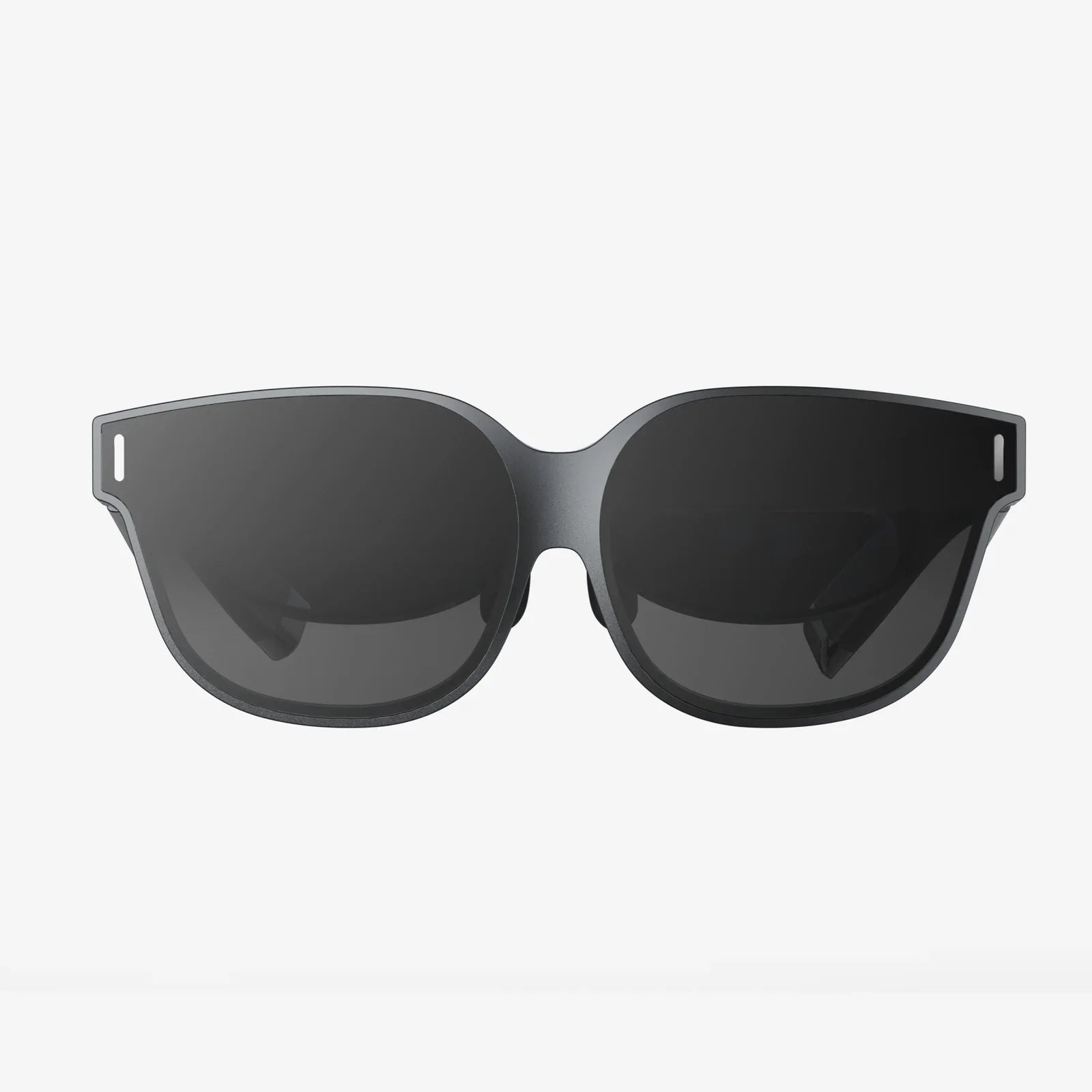
The trajectory of AR events points toward even more seamless and immersive integrations. The widespread adoption of AR smart glasses will be the next quantum leap, freeing users from their smartphones and allowing digital overlays to become a permanent, hands-free part of their visual field. This will make interactions even more natural and integrated.
We will see the rise of the AR-native event, designed from the ground up with augmented layers as a core component rather than an added feature. Artificial Intelligence will play a larger role, with AR systems intelligently recommending sessions, connections, and content based on real-time analysis of an attendee's behavior and interests. Furthermore, the line between AR and the real world will continue to blur with advancements in haptic technology, potentially allowing users to not just see but also feel virtual objects.
The events of the future will not be categorized as purely physical or virtual. They will exist on a spectrum of hybrid experiences, and AR will be the indispensable glue that holds these worlds together, creating a unified, inclusive, and profoundly engaging experience for every single participant, regardless of their physical location.
The next time you receive an event invitation, don't just look at it—scan it. The stage is no longer just a platform at the front of a room; it's any space you choose, waiting for its digital curtain to be raised. The most impactful connections and the most stunning performances might not be in the seat next to you, but layered perfectly into the world right before your eyes, waiting for you to hit ‘play’.
Share:
Top Smart Devices to Buy: The Ultimate Guide to Elevating Your Home and Life in 2024
What Does AI Stand For? Unpacking the Intelligence Revolution