


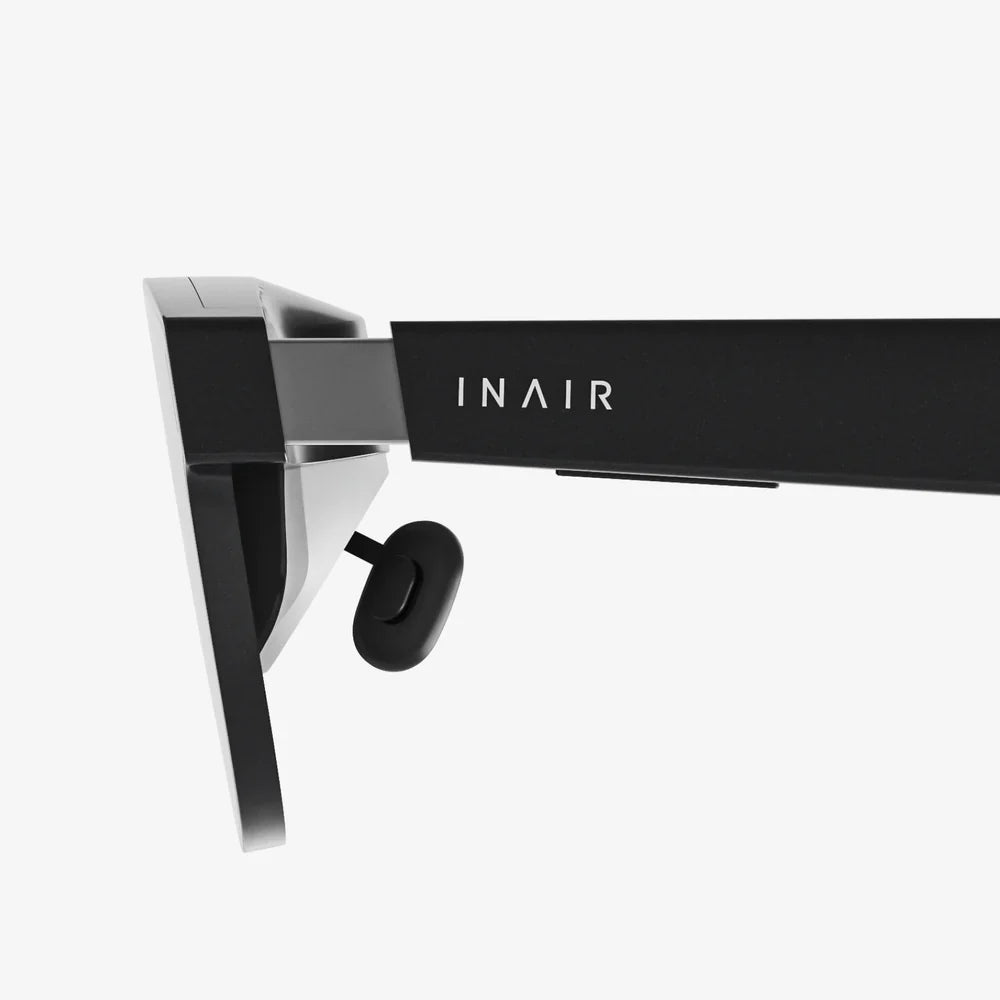
AR glasses industry news is moving so fast that what sounded like science fiction a few years ago is quietly becoming part of everyday life. From workplace training to shopping, from gaming to healthcare, lightweight headsets and smart eyewear are redefining how we see and use information. If you want to understand where the next wave of digital disruption will come from, you cannot afford to ignore what is happening in augmented reality eyewear right now.
Behind the headlines, a complex ecosystem of hardware makers, chip designers, software platforms, content creators, and enterprise buyers is forming. Market forecasts are being revised upward, new technical standards are emerging, and early adopters are already proving that AR glasses can deliver real value beyond novelty. This article unpacks the most important developments and explains why the current wave of AR glasses industry news matters for professionals, investors, and curious users alike.
What AR Glasses Really Are Today
To understand the latest AR glasses industry news, it helps to clarify what AR glasses actually are right now, not just in marketing language. Modern AR eyewear generally falls into three broad categories, each with different capabilities and use cases.
1. Assisted Reality and Heads-Up Displays
These are the simplest and often most rugged devices. They typically project a small virtual screen into the wearer’s field of view, usually in the corner. The content is often 2D: checklists, video feeds, work instructions, or notifications.
Key characteristics include:
- Monocular or small binocular display
- Limited graphics, often just text and basic images
- Focus on hands-free access to information
- Popular in industrial, logistics, and field service environments
From an industry news perspective, this category is growing steadily in enterprise settings because it solves very specific problems, such as reducing errors in assembly or providing remote expert guidance.
2. Mixed Reality and Spatial Computing Glasses
This category is where much of the excitement in AR glasses industry news comes from. These devices can place 3D digital objects in the real world and anchor them to physical locations. They often support hand tracking, spatial mapping, and advanced interaction.
Typical capabilities include:
- Full-color 3D overlays anchored to real-world surfaces
- Inside-out tracking of head position and orientation
- Gesture recognition and sometimes eye tracking
- More powerful processors and advanced sensors
These glasses target enterprise training, design, collaboration, and increasingly some consumer entertainment and productivity scenarios. Industry news frequently highlights breakthroughs in this segment, such as improved field of view, better comfort, and more realistic rendering.
3. Smart Glasses for Notifications and Media
Another important category is lightweight smart glasses that focus on notifications, audio, and simple visual cues rather than full 3D overlays. They often look much closer to regular eyewear.
Common features include:
- Subtle displays for text, icons, or basic navigation
- Integrated microphones and speakers for voice assistants
- Fitness or activity tracking sensors
- Camera capabilities for photos and short videos
Recent AR glasses industry news shows growing interest in these devices as a stepping stone toward mass-market AR. They are easier to wear all day, more socially acceptable, and cheaper to produce, making them attractive for early consumer adoption.
Key Market Trends Dominating AR Glasses Industry News
Across these categories, several major trends are shaping the trajectory of AR glasses. Anyone following AR glasses industry news will see these themes recurring in reports, announcements, and analyst forecasts.
Trend 1: Enterprise Adoption Leading the Way
One of the clearest patterns in recent AR glasses industry news is that enterprises are still driving most of the meaningful deployments. While consumers hear about futuristic demos, businesses are quietly rolling out AR solutions in high-value workflows.
Common enterprise use cases include:
- Remote assistance: Technicians in the field wear AR glasses while experts guide them from a distance using live annotations and visual cues.
- Assembly and maintenance: Workers follow step-by-step instructions overlaid on the actual equipment they are servicing, reducing errors and training time.
- Warehouse and logistics: Pick-by-vision workflows help employees locate items faster, reducing walking time and mis-picks.
- Training and onboarding: New employees learn procedures through immersive, interactive guidance instead of static manuals.
Industry news often highlights metrics such as reduced downtime, faster training, and improved first-time fix rates. These tangible benefits are helping AR glasses move from pilot projects to scaled deployments in manufacturing, energy, healthcare, and logistics.
Trend 2: Shift Toward All-Day Wearability
Another recurring theme in AR glasses industry news is the shift from bulky headsets to more compact, glasses-like designs. Comfort, weight, and aesthetics are now as critical as processing power.
Manufacturers and component suppliers are focusing on:
- Reducing device weight below the threshold where users feel neck strain
- Improving heat dissipation so devices stay comfortable during long sessions
- Designing frames that resemble conventional eyewear
- Developing prescription lens support and modular frames
This trend is crucial for both enterprise and consumer adoption. If AR glasses are to become an everyday tool rather than a special-purpose device, they must be wearable for hours without discomfort or social friction.
Trend 3: Convergence of AR, AI, and Cloud Services
AR glasses industry news increasingly emphasizes the convergence of augmented reality with artificial intelligence and cloud computing. The glasses themselves are only part of the story; the real power comes from connecting them to intelligent services.
Examples of this convergence include:
- Real-time object recognition and labeling to assist workers or consumers
- Natural language interfaces that let users talk to their glasses instead of navigating menus
- Cloud-rendered graphics and remote computing to offload heavy processing
- Context-aware assistance that adapts content to the user’s environment and task
This combination turns AR glasses into a kind of always-available, hands-free assistant that can see what the user sees and respond intelligently. News coverage increasingly highlights AI-driven features as key differentiators among competing devices and platforms.
Trend 4: Growing Interest in Consumer Use Cases
While enterprises currently dominate revenue, AR glasses industry news shows growing momentum on the consumer side. Several factors are driving this shift:
- Improved display technology that makes visuals brighter and more comfortable outdoors
- Better integration with smartphones for connectivity and processing
- Emergence of social and entertainment applications that feel natural in AR
- Increased familiarity with wearable tech like smartwatches and wireless earbuds
Consumer-oriented AR glasses are being positioned for fitness, navigation, travel, media consumption, and social content creation. The challenge is to offer compelling experiences while keeping devices affordable, stylish, and respectful of privacy.
Core Technologies Powering the Latest AR Glasses
Behind every piece of AR glasses industry news are rapidly evolving technologies. Understanding these building blocks helps explain why certain announcements are significant and where the biggest breakthroughs may come next.
Optics and Display Systems
The optics are arguably the most critical part of AR glasses, determining how images are projected into the user’s eyes and how natural the experience feels.
Key approaches include:
- Waveguide displays: Thin, transparent layers that channel light from a micro-display into the wearer’s field of view, enabling sleek, glasses-like designs.
- Birdbath optics: More traditional lens systems that can offer higher image quality but often result in bulkier devices.
- MicroLED and OLED micro-displays: Tiny, bright, and energy-efficient displays that can render high-resolution content in a small form factor.
Industry news frequently covers improvements in field of view, brightness, color accuracy, and energy efficiency. Larger fields of view make AR experiences more immersive, while higher brightness is essential for outdoor use.
Sensors and Environmental Understanding
AR depends on understanding the real world in real time. Modern AR glasses integrate a variety of sensors to map the environment and track user movement.
Common sensors include:
- RGB cameras for capturing images and video
- Depth sensors or time-of-flight cameras for spatial mapping
- Inertial measurement units (IMUs) for tracking head movement
- Eye-tracking sensors to understand where the user is looking
Recent AR glasses industry news highlights advances in simultaneous localization and mapping (SLAM) algorithms, which allow devices to build and update a 3D model of the environment on the fly. Better SLAM means more stable and realistic placement of virtual objects.
Processing Power and Edge Computing
Rendering 3D graphics, processing sensor data, and running AI models all require significant computing power. AR glasses must balance performance with battery life and heat management.
Key developments include:
- Specialized AR and XR chipsets optimized for low-power graphics and AI
- Offloading computation to paired smartphones or edge servers
- Dynamic workload balancing between device and cloud
Industry news often points to new chip architectures and partnerships with semiconductor companies as major enablers of thinner, lighter AR glasses.
Interaction Methods and User Interfaces
Unlike smartphones, AR glasses cannot rely on touchscreens. The industry is experimenting with multiple interaction models to find what feels most natural and efficient.
Common interaction methods include:
- Voice commands for hands-free control
- Hand and gesture tracking for direct manipulation of virtual objects
- Eye tracking combined with subtle gestures or clicks
- Companion apps on phones or watches for complex input
AR glasses industry news increasingly covers innovations in multimodal interaction, where users can seamlessly combine voice, gaze, and gesture to control their experiences.
Major Use Cases Highlighted in AR Glasses Industry News
Beyond the technology, AR glasses industry news is rich with real-world use cases that demonstrate why this form factor matters. These stories often reveal where the strongest return on investment is appearing and where user adoption is most enthusiastic.
Industrial and Field Service Applications
Industrial use remains one of the most mature segments. AR glasses are being used on factory floors, in power plants, and at construction sites.
Typical benefits include:
- Reducing the need for printed manuals and static instructions
- Enabling less experienced workers to perform complex tasks with guidance
- Shortening downtime by connecting field technicians with remote experts
- Improving safety by highlighting hazards in the environment
Industry news often cites case studies where companies have cut training times in half or significantly reduced error rates by deploying AR-guided workflows.
Healthcare and Medical Training
Healthcare is another sector frequently featured in AR glasses industry news. Surgeons, nurses, and medical students are exploring how AR can enhance both practice and education.
Examples include:
- Visualizing patient imaging data directly in the surgeon’s field of view during procedures
- Guiding minimally invasive interventions with overlaid anatomical landmarks
- Simulating complex medical scenarios for training without risk to patients
- Assisting remote consultations and telemedicine with shared visual context
Regulation and clinical validation are important considerations, but early reports suggest that AR glasses can improve precision and reduce cognitive load in demanding medical environments.
Retail, Shopping, and Customer Experience
Retail-focused AR glasses industry news highlights how brands and stores are experimenting with new ways to engage customers. While smartphone-based AR has already gained traction, glasses offer a more seamless experience.
Emerging use cases include:
- Virtual try-on of products, from clothing to home decor, while walking through a store
- Contextual information overlays about products, promotions, and reviews
- In-store navigation to guide customers to specific items or departments
- Staff assistance, where employees use AR glasses to access inventory and product data instantly
As devices become more affordable and less intrusive, retailers hope AR glasses will help bridge the gap between online and physical shopping experiences.
Education, Training, and Remote Collaboration
Education and training are recurring themes in AR glasses industry news, especially as remote and hybrid learning models become more common.
Use cases include:
- Interactive lessons where students can see and manipulate 3D models overlaid on their environment
- Remote collaboration where participants share a common virtual workspace anchored in the real world
- On-the-job training in fields like aviation, automotive repair, and emergency response
AR glasses can make abstract concepts more tangible and provide immersive practice environments that are difficult to replicate in traditional classrooms.
Entertainment, Gaming, and Social Experiences
Entertainment-focused AR glasses industry news often captures public imagination. Spatial gaming, interactive storytelling, and social experiences are seen as key drivers of consumer adoption.
Examples include:
- Location-based games where virtual characters and objects appear in real-world environments
- Shared experiences where multiple users see and interact with the same virtual content
- Immersive concerts, sports events, and live performances enhanced with AR layers
These experiences benefit from AR glasses’ ability to keep users present in the real world while adding digital magic on top, rather than isolating them in fully virtual environments.
Regulation, Privacy, and Social Acceptance
AR glasses industry news does not focus solely on technology and business; it also covers the social and regulatory challenges that will shape adoption. Cameras on faces and always-on sensors create legitimate concerns that must be addressed.
Privacy and Data Protection
AR glasses often capture video, audio, and positional data. This raises questions such as:
- How is bystander privacy protected when someone wears AR glasses in public?
- Who owns the data captured by the device?
- How long is data stored, and how is it secured?
- Can sensitive environments enforce no-recording policies effectively?
Industry news increasingly reports on attempts to design visible recording indicators, implement robust permission systems, and comply with data protection regulations. Without clear safeguards, public resistance could slow the spread of AR eyewear.
Safety and Ergonomics
Another concern is physical safety. AR overlays could distract users while walking, driving, or operating machinery. Prolonged use might cause eye strain or discomfort if not properly designed.
Regulators and industry groups are exploring:
- Guidelines for safe use in vehicles and hazardous environments
- Standards for display brightness, flicker, and focus to reduce eye fatigue
- Ergonomic best practices to prevent neck and head strain
As AR glasses become more common, these considerations will be central to product design and usage policies.
Social Norms and Cultural Perception
AR glasses industry news also touches on the cultural dimension. People may feel uneasy being recorded or interacting with someone whose eyes are partly obscured by displays.
Key questions include:
- Will AR glasses be seen as acceptable in social gatherings, workplaces, or classrooms?
- How will etiquette evolve around recording, notifications, and attention?
- Can designs become subtle enough that AR glasses feel like regular eyewear?
Acceptance may vary by region and demographic, and the industry is watching closely to see how early adopters influence broader norms.
Investment, Ecosystem, and Competitive Landscape
AR glasses industry news often highlights funding rounds, partnerships, and ecosystem developments that signal where the market is heading. The competitive landscape is dynamic, with established tech giants and specialized startups both vying for position.
Hardware, Platforms, and Content
The AR glasses ecosystem can be roughly divided into three layers:
- Hardware: Device makers, component suppliers, and contract manufacturers.
- Platforms: Operating systems, development kits, and cloud services that power AR experiences.
- Content and services: Application developers, enterprise solution providers, and creative studios.
Industry news frequently reports on alliances between these layers, such as hardware manufacturers partnering with software platforms to accelerate developer adoption, or enterprises working with integrators to create custom AR solutions.
Standardization and Interoperability
As more players enter the market, the need for interoperability becomes clear. AR glasses industry news increasingly covers efforts to define common standards for:
- Spatial mapping formats and anchors
- Gesture and input models
- Security and identity management
- Content distribution and monetization
Standardization can reduce fragmentation, lower development costs, and enable experiences that work across multiple devices and platforms.
Challenges and Barriers Still Facing AR Glasses
Despite all the excitement in AR glasses industry news, significant challenges remain before these devices can truly go mainstream. Understanding these barriers provides a more realistic picture of the road ahead.
Technical Limitations
Key technical obstacles include:
- Limited field of view in many current devices, which can make AR overlays feel like looking through a small window
- Battery life constraints that limit continuous use, especially for high-performance mixed reality glasses
- Display visibility issues in bright outdoor environments
- Latency and tracking accuracy, which affect comfort and realism
Continuous improvements in optics, chip design, and power management are needed to overcome these limitations.
Cost and Scalability
High-end AR glasses can be expensive, particularly for devices with advanced optics and sensors. For large-scale enterprise deployments or consumer adoption, costs must come down without sacrificing key features.
Challenges include:
- Complex manufacturing processes for waveguides and micro-displays
- Supply chain constraints for specialized components
- Balancing premium features with lower price points
AR glasses industry news often tracks how economies of scale, new materials, and manufacturing innovations are gradually making devices more affordable.
Content and Use Case Maturity
Hardware alone does not create value. The success of AR glasses depends on compelling applications that solve real problems or deliver unique experiences.
Key issues include:
- Identifying use cases where AR glasses are clearly better than existing tools
- Developing content that takes advantage of spatial computing rather than simply porting 2D apps
- Ensuring that workflows integrate smoothly with existing enterprise systems
Many organizations are still in the experimentation phase, and industry news often covers pilot programs that test and refine these applications.
Future Directions Highlighted in AR Glasses Industry News
Looking ahead, AR glasses industry news points to several promising directions that could accelerate adoption and transform everyday life.
Toward Truly Everyday AR Eyewear
One major goal is to create AR glasses that look and feel like regular eyewear while offering meaningful augmented experiences. This involves:
- Further miniaturizing components and integrating them into thin frames
- Developing energy-efficient displays and processors for all-day battery life
- Providing seamless prescription lens options
- Ensuring robust connectivity and cloud integration
Industry news suggests that incremental progress in these areas could lead to a tipping point where AR glasses become as common as smartphones for many users.
Deeper Integration with AI Assistants
As AI assistants become more capable, AR glasses provide an ideal form factor for them to operate in context. Instead of just hearing responses, users could see relevant information anchored in their environment.
Potential capabilities include:
- Real-time translation overlaid on signs, menus, and conversations
- Contextual reminders and guidance based on location and activity
- Personalized learning experiences that adapt to the user’s pace and interests
- Accessibility enhancements for people with visual or cognitive challenges
AR glasses industry news increasingly frames these devices as the next interface for AI, moving beyond phones and speakers.
Blurring the Line Between Physical and Digital Workspaces
In professional settings, AR glasses could fundamentally change how we work. Instead of being limited to flat screens, information could be arranged spatially around us.
Future scenarios often discussed in industry news include:
- Virtual monitors that can be placed anywhere in a room without physical hardware
- Collaborative workspaces where remote and in-person participants share the same virtual content
- Design and engineering workflows that integrate physical prototypes with digital overlays
This shift could redefine office design, remote work practices, and even how we think about personal productivity tools.
How to Stay Ahead of AR Glasses Industry News
For professionals, investors, and enthusiasts who want to stay ahead of the curve, tracking AR glasses industry news is not just about reading occasional headlines. It requires a structured approach.
Effective strategies include:
- Following specialized AR and XR industry publications and analyst reports
- Watching for announcements from chipmakers, optics companies, and software platforms
- Paying attention to enterprise case studies that reveal real-world impact
- Monitoring regulatory developments related to privacy, safety, and data protection
- Participating in developer communities and industry events, even virtually
By combining technical insights with business and social perspectives, you can form a more accurate picture of where AR glasses are truly headed.
AR glasses industry news is not just a stream of product announcements; it is a window into how our relationship with information, work, and each other is being redesigned. The devices arriving today are early steps toward a world where digital content lives all around us, not just on screens in our hands. Whether you are planning new business initiatives, exploring career opportunities, or simply curious about the future of technology, keeping a close eye on AR glasses developments may be one of the smartest moves you can make this decade.
Share:
Extent Image: How To Capture, Control, And Communicate Visual Scale
virtual led display technology: applications, benefits, and future trends