


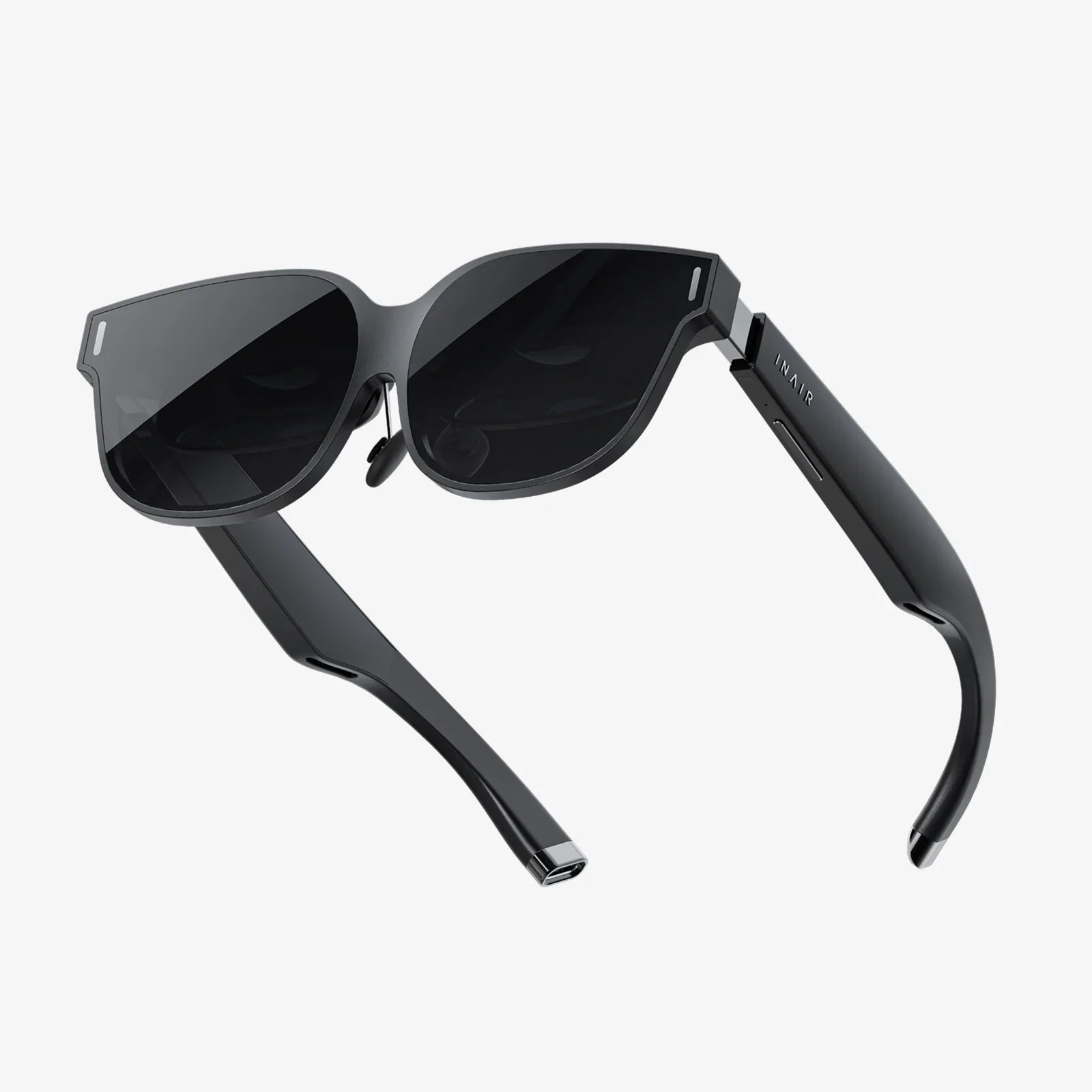
Imagine a world where the digital and physical seamlessly intertwine, where surgeons visualize complex procedures in real-time, engineers collaborate on 3D models from across the globe, and students explore ancient Rome from their classroom. This is no longer the stuff of science fiction; it is the rapidly materializing reality driven by the explosive growth of the Augmented Reality (AR) and Virtual Reality (VR) market. This technological revolution is poised to redefine human interaction with information, entertainment, and each other, creating a seismic shift across the entire global economic landscape.
Demystifying the Spectrum: Understanding AR, VR, and the Metaverse
While often grouped together, AR and VR represent distinct points on a spectrum of immersive technologies, collectively known as Extended Reality (XR).
Virtual Reality (VR) is a fully immersive, computer-generated simulation of an environment. By wearing a headset, users are transported into a completely digital world, completely occluding their physical surroundings. This technology is primarily associated with gaming and entertainment, offering unparalleled levels of immersion. However, its applications have expanded dramatically into training simulations, virtual tourism, and therapeutic settings for treating phobias or PTSD.
Augmented Reality (AR), by contrast, overlays digital information—such as images, text, or 3D models—onto the user's real-world view. Through smartphone screens, smart glasses, or heads-up displays, AR enhances one's immediate environment rather than replacing it. This makes it exceptionally powerful for practical, real-world tasks like visualizing furniture in your living room before purchase, receiving step-by-step repair instructions overlaid on a malfunctioning engine, or navigating a city with directional arrows painted onto the street.
Bridging these two is the concept of the Metaverse—a persistent network of shared, immersive virtual spaces. While still in its nascent stages, the metaverse envisions a future where AR and VR converge, allowing for a continuous digital layer over our reality and seamless movement between fully virtual and augmented experiences. This grand vision is a primary catalyst for the massive investments flowing into the AR and VR market.
The Engine of Growth: Key Market Drivers and Catalysts
The AR and VR market is not growing in a vacuum. Its expansion is fueled by a powerful confluence of technological advancements, evolving consumer demand, and pressing industrial needs.
Technological Leapfrogging
The hardware that powers these experiences is undergoing a radical transformation. Early VR headsets were cumbersome, tethered, and low-resolution, while AR was largely confined to simple smartphone apps. Today, we see:
- Advanced Display Technology: The adoption of Micro-OLED and pancake lenses delivers incredibly high resolution and wide field of view in a slimmer form factor, reducing the "screen door effect" and enhancing visual fidelity.
- Powerful, Mobile Processing: The miniaturization of processors with immense computing power enables untethered, standalone headsets that are both powerful and mobile, freeing users from a connection to a high-end computer.
- Intuitive Interaction: Inside-out tracking, haptic feedback gloves, and advanced hand-tracking algorithms are making interactions within virtual spaces more natural and intuitive, moving beyond clunky controllers.
- The 5G Catalyst: The rollout of high-speed, low-latency 5G networks is critical for streaming rich AR/VR content and enabling complex cloud rendering, reducing the processing burden on the device itself.
The Enterprise Adoption Boom
While consumer gaming grabs headlines, the enterprise sector is where AR and VR are demonstrating undeniable Return on Investment (ROI). Companies are leveraging these tools to solve real business problems:
- Training and Simulation: From training surgeons on virtual procedures to preparing astronauts for spacewalks, VR provides a safe, repeatable, and cost-effective environment to practice high-stakes tasks. AR, meanwhile, can guide a technician through a complex repair with digital annotations on physical equipment.
- Design and Prototyping: Automotive and aerospace engineers use VR to collaborate on life-size 3D models of vehicles and aircraft long before a physical prototype is built, identifying design flaws early and saving millions.
- Remote Assistance and Collaboration: An expert engineer can see what a field technician sees through AR glasses and provide real-time guidance, drawing arrows and notes into their field of view, drastically reducing travel costs and downtime.
Shifting Consumer Expectations
A new generation of consumers, raised on interactive digital media, craves more engaging and personalized experiences. They are driving demand beyond gaming into social VR platforms, immersive fitness applications, and AR-enhanced live events and shopping.
Navigating the Obstacle Course: Challenges and Market Constraints
Despite the exciting potential, the path to widespread adoption is fraught with significant hurdles that the industry must overcome.
The Hardware Conundrum
The ideal AR device—stylish, lightweight, powerful, with all-day battery life and a wide field of view—remains the elusive "holy grail." Current VR headsets, while improving, can still cause motion sickness in some users and are often too bulky for prolonged use. Achieving the perfect blend of comfort, performance, and affordability is the single biggest challenge for hardware developers.
Content and the Killer App
Hardware is useless without compelling software. While there are many impressive experiences, the market is still searching for the definitive "killer app" that will drive mass consumer adoption in the way that spreadsheets did for the PC or the browser did for the internet. The development of rich, engaging, and valuable content is crucial.
The Privacy Predicament
AR and VR devices, by their very nature, are data collection powerhouses. They have cameras, microphones, and sensors that map your environment and track your movements, gaze, and even biometric responses. This raises profound questions about data ownership, user privacy, and the potential for intrusive advertising or surveillance. Establishing clear, transparent, and user-centric data policies is non-negotiable for building public trust.
Social and Psychological Considerations
As we spend more time in immersive digital spaces, society must grapple with new questions. What are the long-term psychological effects of prolonged VR use? How do we prevent the deepening of a digital divide? Could widespread AR use lead to new forms of public distraction or information overload? Proactive research and ethical guidelines are needed to navigate this new frontier responsibly.
Gazing into the Crystal Ball: Future Trends and Market Evolution
The next decade will see the AR and VR market evolve in dramatic and unpredictable ways, but several key trends are already taking shape.
The Ascendance of Augmented Reality
While VR will continue to dominate in gaming and specific simulation tasks, many analysts believe AR's potential market impact is ultimately larger. Its ability to enhance rather than replace reality makes it applicable to nearly every aspect of daily life. The eventual arrival of consumer-grade smart glasses that people will want to wear all day will be a watershed moment, merging our digital and physical identities.
Spatial Computing and the AI Symbiosis
AR and VR are the primary interfaces for spatial computing—the next paradigm of human-computer interaction where the computer understands and interacts with the space around us. This will be supercharged by Artificial Intelligence. AI will power context-aware applications that understand what you're looking at and provide relevant information, generate realistic virtual characters, and optimize the performance of immersive environments in real-time.
Hyper-Personalization and Contextual Awareness
Future AR experiences will be uniquely tailored to the individual user. Your AR glasses could highlight the menu items that align with your dietary preferences, translate street signs in real-time, or remind you of a person's name when you see them at a party, all based on your personal data, location, and immediate context.
The Democratization of Development
Tools for creating AR and VR content are becoming more accessible. No-code and low-code platforms are enabling artists, designers, and business professionals to build immersive experiences without needing a team of dedicated programmers. This democratization will lead to an explosion of niche applications and content, further accelerating market growth.
Investment and Economic Impact: A New Digital Frontier
The economic ripple effects of the AR and VR market are staggering. Venture capital and corporate investment are flooding into hardware startups, software developers, and content studios. Entirely new job categories are emerging, from experience designers and virtual world architects to AR/VR solution engineers. This is creating a vibrant new sector within the global tech economy, promising high-skilled employment and innovative new business models centered on virtual goods, experiences, and advertising within immersive spaces.
The journey of AR and VR from niche curiosities to central pillars of our digital future is well underway. It is a story of relentless innovation, profound challenges, and limitless potential. The companies, developers, and policymakers who navigate this complex landscape with a focus on human-centric design, robust ethics, and powerful utility will not only profit from this revolution but will also shape the very fabric of our reality for generations to come. The door to a new dimension is opening; the only question left is how we choose to step through it.
Share:
3D Computer Monitors: The Ultimate Guide to Immersive Depth Without Glasses
3D Computer Monitors: The Ultimate Guide to Immersive Depth Without Glasses