


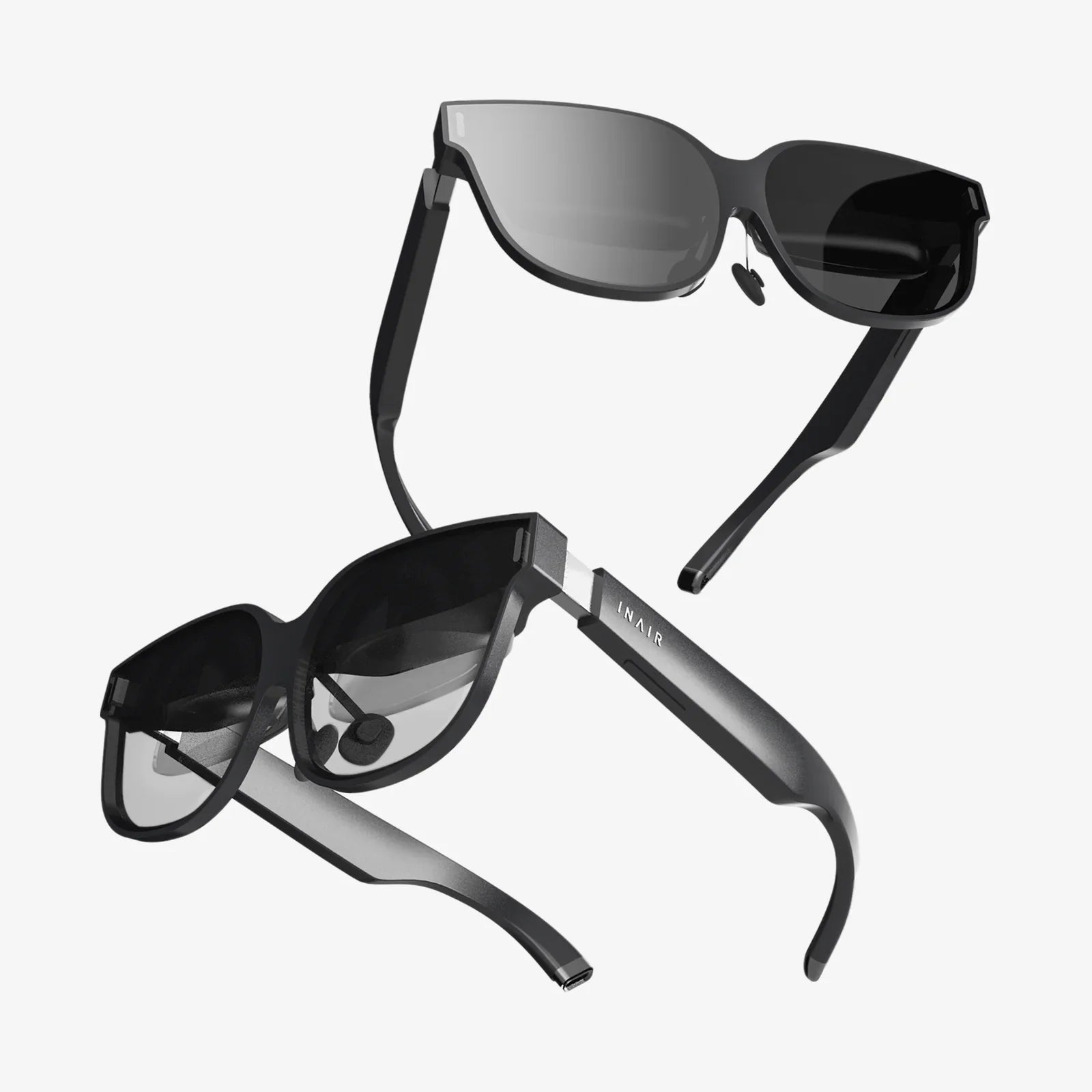
Imagine walking into a crowded conference, a bustling city street, or a quiet museum, and seeing not just faces, but stories. Hovering subtly in the air beside each person is a unique, customizable identifier—a dynamic, interactive digital signature that tells you who they are, what they do, and how they wish to be perceived. This is not a distant science fiction fantasy; it is the imminent future promised by augmented reality names, a revolutionary concept set to redefine personal identity, social interaction, and digital branding in our increasingly blended world.
This nascent technology represents a fundamental shift from the static, text-based usernames and profiles that dominate our current digital existence. An augmented reality name, or ARN, is a persistent, spatially-aware digital layer attached to an individual, viewable through AR glasses, lenses, or compatible devices. It is the next evolutionary step beyond the business card, the social media profile, and the name tag, merging the tangible and the virtual into a seamless experience of identity.
The Technological Foundation: How AR Names Become Reality
The seamless experience of an ARN belies a complex symphony of underlying technologies working in concert. At its core, the system requires robust and instantaneous spatial mapping. Advanced sensors and cameras in AR devices scan the environment, creating a detailed 3D mesh to understand the geometry of a room, the position of objects, and, most importantly, the location of people. This digital understanding of physical space allows the ARN to be "locked" to a specific point relative to an individual, maintaining its position as they move, much like a digital halo.
Precise tracking and recognition are the next critical pieces. This is less about facial recognition in a traditional, often controversial sense, and more about a permission-based handshake between devices. For an ARN to appear, the system must reliably identify and confirm a person's digital identity. This could be achieved through encrypted digital tokens broadcast via a smartphone or wearable, or through secure, opt-in visual markers that devices can quickly scan to pull the correct identity data from the cloud. The goal is privacy by design—your ARN is only visible to those you grant permission to see it.
Finally, the rendering and display technology must be sophisticated enough to make the ARN feel present and real. This involves complex light estimation to ensure the digital object is lit consistently with its physical environment, casting believable shadows and avoiding the jarring, "floating" effect of early AR. High-resolution displays must project the name with clarity and vibrancy, integrating it into the user's field of view without being obstructive. The hardware and software must work in perfect harmony to create the illusion that the digital identity is an innate part of the person.
Beyond Text: The Anatomy of a Dynamic Identity
To think of an ARN as merely a name floating in the air is to severely underestimate its potential. It is a dynamic, multi-faceted portal to a person's digital self. The core element is, of course, the chosen identifier. This could be a legal name, a pseudonym, a professional title, or a completely invented handle—the choice of what to project becomes a powerful act of self-definition.
However, the text is just the beginning. An ARN can be a full-spectrum visual expression. Individuals could customize the font, color, animation, and even the material of their name. Imagine a graphic designer whose name appears in a shimmering, liquid metal font; a musician's name that pulses gently with a visualizer tied to their latest track; or an environmentalist whose identifier is crafted from slowly growing, digital vines. This transforms the name from a simple label into a piece of personal art and a statement of values.
Interactivity is the feature that truly separates ARNs from any past form of identification. These digital identities can be "clicked" or selected via gaze, gesture, or a wearable controller. Selecting an ARN could reveal layered information: a condensed professional portfolio, links to active social projects, a preferred pronouns badge, a calendar link to schedule a meeting, or even a shared AR whiteboard for instant collaboration. It becomes a live, contextual business card and social interface, dynamically displaying the most relevant information based on the context of the interaction.
A New Social Protocol: Interacting in an Augmented World
The widespread adoption of ARNs will inevitably birth a new set of social etiquettes and norms. The first and most crucial will be the concept of digital attention. In a world where you can instantly access a wealth of information about everyone around you, the act of "looking someone up" becomes a public action. Will it be considered rude to pull up a colleague's professional history while they are speaking to you? Social platforms may develop status indicators—a digital "away" or "do not disturb" mode for one's ARN—to signal availability for social or professional engagement.
Contextual awareness will be paramount. Your ARN could automatically adapt its displayed information based on location and time. At a professional networking event, it might highlight your current company and role. Later that evening at a community art show, it might shift to display your personal website and artistic influences. This solves the modern problem of maintaining multiple, separate online identities (LinkedIn vs. Instagram vs. Twitter) by merging them into a single, smart identity that presents the most appropriate facet for any given situation.
Furthermore, ARNs could dramatically lower social barriers and enhance accessibility. For individuals with social anxiety or conditions like prosopagnosia (face blindness), the clear, customizable identifier could provide crucial social cues and confidence. For non-native speakers or those in loud environments, seeing a name and title clearly can facilitate easier and more accurate introductions. It has the potential to make large social gatherings less intimidating and more navigable.
The Professional Arena: Revolutionizing Networking and Branding
The impact on the professional world will be nothing short of transformative. Conferences and trade shows will be the first domains to be revolutionized. The awkward fumbling of business cards will become obsolete. A glance, a gesture, and contact information, professional summaries, and mutual connections are seamlessly exchanged and digitally saved. Lead generation becomes a natural byproduct of conversation, with the ability to "bookmark" interesting ARNs for follow-up later.
For entrepreneurs, freelancers, and creators, the ARN is the ultimate personal branding tool. It allows them to carry their portfolio and value proposition with them at all times, turning every coffee shop meeting and chance encounter into a potential business opportunity. A architect could have a miniature, interactive 3D model of their latest building rotating beside their name; a chef could have a visual menu of their signature dishes. This constant, immersive presentation of one's work creates a powerful and memorable impression that a paper resume or even a smartphone portfolio cannot match.
Within large organizations, ARNs could enhance operational efficiency and foster culture. New employees could quickly learn the names and roles of dozens of colleagues. Seeing a team's ARNs in a meeting could highlight everyone's expertise and current projects, fostering better collaboration. Companies might develop branded ARN templates for employees, strengthening corporate identity while still allowing for personal expression within defined parameters.
Navigating the Perilous Waters: Privacy, Security, and Ethics
For all its promise, the path to a world with pervasive ARNs is fraught with significant challenges. The most glaring concern is privacy. The very technology that enables a voluntary ARN could be co-opted for involuntary surveillance. Malicious actors could develop "sniffing" apps designed to detect and log the digital signatures of AR devices, creating a map of personal movements and associations without consent. Robust encryption, strict regulatory frameworks, and clear digital rights will be non-negotiable prerequisites for public trust.
A digital divide is another imminent risk. Will access to a compelling and professional ARN be a premium service, creating a visual caste system between those who can afford sophisticated, custom identities and those who are stuck with basic, free templates? If ARNs become critical for professional advancement, this technology could exacerbate existing socioeconomic inequalities. Ensuring equitable access and preventing new forms of discrimination based on one's digital presentation will be a critical societal task.
Furthermore, the potential for harassment and "digital graffiti" is alarming. Just as the internet has its trolls, an augmented world could be defaced with malicious AR spam, unwanted tags, or even virtual vandalism of a person's ARN. Platform providers will need to develop powerful moderation tools, easy-to-use blocking features, and systems for reporting digital abuse to ensure that the augmented layer of our reality remains a safe and constructive space.
The Cultural and Artistic Frontier: Identity as a Canvas
Beyond utility, ARNs present a breathtaking new medium for artistic and cultural expression. Our names, the most fundamental label of our self, become a dynamic canvas. Artists and designers will pioneer new genres of "identity art," creating beautiful, complex, and ever-changing ARN designs that people can wear like digital jewelry or haute couture.
Cultural communities will be able to express shared heritage and values in visible, public ways. ARNs could incorporate traditional patterns, cultural symbols, or animated motifs that signify belonging, creating a powerful, visible tapestry of diversity in public spaces. Activists could use their ARNs to display support for causes, share petitions, or highlight urgent news, turning personal identity into a platform for advocacy.
This technology also redefines performance and presence. A poet could perform with their verses swirling around them; a DJ could have their ARN react to the music they are playing. Even in death, our digital identities could persist as memorials, allowing us to visit a place and see the ARN of a loved one, sharing a memory or a story attached to that specific location, creating a new, deeply personal layer of history over our physical world.
The journey toward ubiquitous augmented reality names is not merely about adopting a new gadget; it is about embarking on a profound renegotiation of the contract between self, society, and technology. It challenges our definitions of privacy, presentation, and perception. The potential to enhance human connection, empower individuals, and beautify our world is immense, paralleled only by the scale of the ethical and societal questions it raises. The choices we make today in designing these systems will determine whether this new layer of reality becomes a digital utopia of expression and efficiency or a dystopian landscape of surveillance and division. The name above your head will be just the beginning; the future it writes is entirely up to us.
Share:
AR VR Marketing: The Ultimate Guide to Immersive Brand Experiences
AR VR Marketing: The Ultimate Guide to Immersive Brand Experiences