


Imagine pointing your phone at your living room and watching a new sofa materialize right before your eyes, perfectly scaled and colored, as if it were already yours. This is no longer a scene from science fiction; it’s the powerful reality delivered by augmented reality (AR) product visualization, a technology that is fundamentally rewriting the rules of engagement between businesses and consumers. The ability to project digital products into our physical space is more than a neat trick—it’s a paradigm shift, erasing the long-standing limitations of online shopping and unlocking a new dimension of consumer confidence and experiential commerce. The bridge between the digital and the physical has been built, and it is transforming a simple click into a captivating experience.
The Mechanics of a Digital Overlay: How AR Visualization Works
At its core, augmented reality product visualization is a sophisticated interplay of software and hardware designed to blend computer-generated imagery with a user's real-world environment in real-time. Unlike Virtual Reality (VR), which creates a completely immersive, digital environment, AR enhances the real world by superimposing information, images, or 3D models onto it.
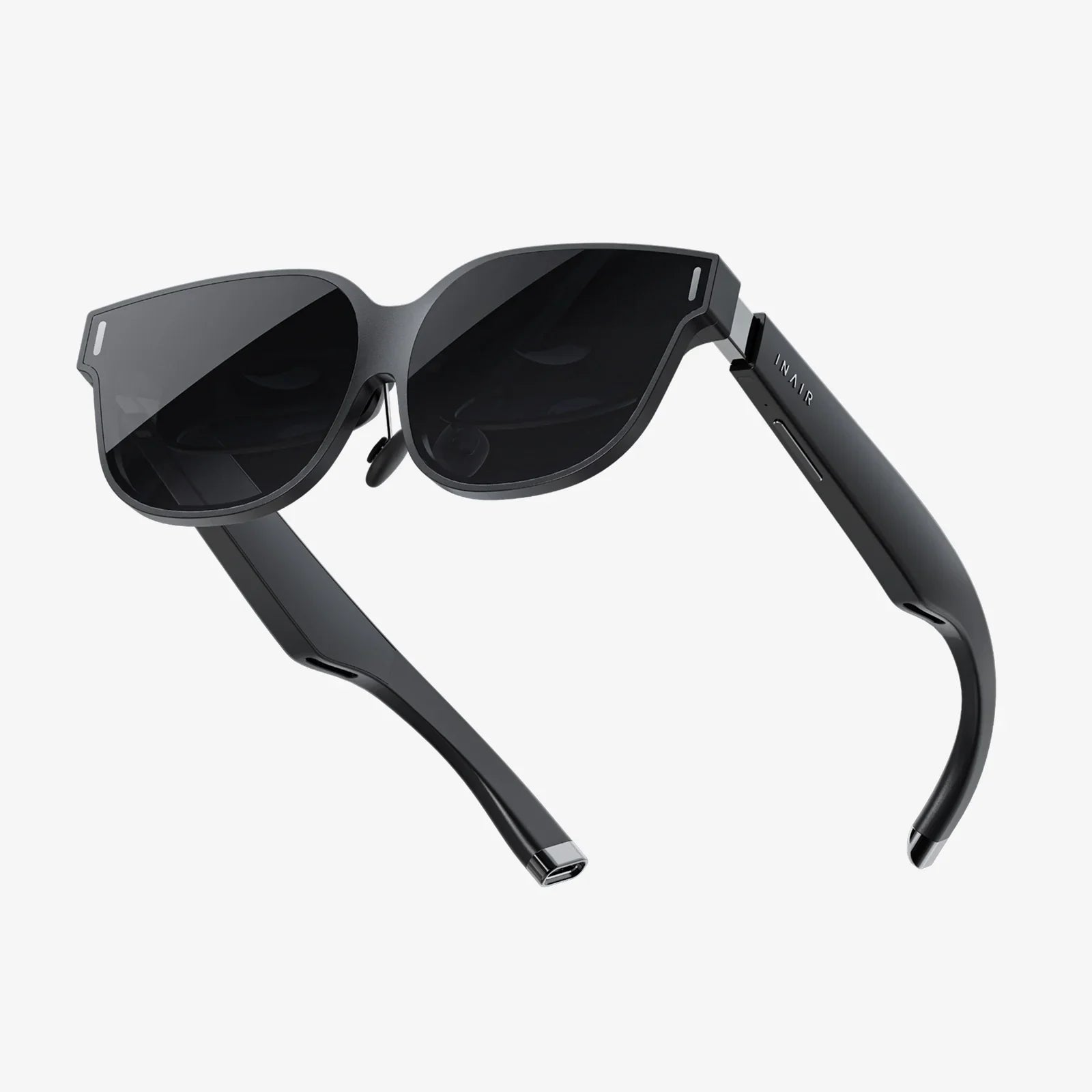
The process typically begins when a user accesses a compatible application on a smartphone, tablet, or through AR glasses. The device's camera captures the immediate environment, while its sensors—accelerometers, gyroscopes, and depth sensors—gather spatial data to understand the geometry of the space, including surfaces, planes, and light sources. The AR software then processes this information to anchor a photorealistic 3D model of a product into the scene with astonishing accuracy. Users can often interact with this model: they can walk around it, view it from different angles, change its color or material, and even visualize how it might look under different lighting conditions, all within the context of their own home or office.
Building Unshakeable Consumer Confidence
The most immediate and impactful benefit of AR product visualization is its profound effect on consumer confidence. Traditional online shopping has always been plagued by a significant hurdle: the inability to physically interact with a product. Shoppers have had to rely on static images, manufacturer descriptions, and customer reviews, often leading to uncertainty and hesitation.
AR directly dismantles this barrier. By allowing customers to "try before they buy" in their own space, it provides a tangible sense of scale, style, and fit that was previously impossible. This mitigates the perceived risk of purchase, a major psychological factor in e-commerce. When a consumer can see exactly how a new lamp will look on their bedside table or how a specific shade of paint will transform their wall, the guesswork is eliminated. This leads to more informed and, consequently, more confident purchasing decisions. Customers are no longer buying a promise; they are buying a proven reality they have already experienced.
The Dramatic Reduction in Product Returns
A direct and highly valuable corollary to increased consumer confidence is a significant reduction in product returns. Returns are a massive pain point for retailers, representing a tremendous cost in terms of logistics, restocking, and lost revenue. For customers, the process of repackaging and shipping an unwanted item is frustrating and time-consuming.
AR visualization acts as a powerful pre-purchase filter. By ensuring that the product's size, color, and design are exactly what the customer wants and that it fits harmoniously within their intended space, the primary reasons for returns—"it wasn't what I expected" or "it didn't fit"—are virtually eliminated. A customer who has used AR to place a new television console in their lounge will know with certainty that it is the correct width for their wall and the right height for their screen. This not only saves retailers millions but also dramatically enhances the customer experience by ensuring satisfaction from the very first interaction.
Supercharging Engagement and Emotional Connection
Beyond the practicalities of fit and scale, AR product visualization is an unparalleled tool for creating memorable, engaging, and emotionally resonant experiences. Shopping becomes an interactive adventure rather than a transactional chore. The "wow" factor of seeing a product come to life in your personal space is powerful and shareable, often leading to users showing friends and family, thereby generating organic marketing and brand advocacy.
This technology also allows brands to tell richer stories about their products. Instead of just showing a picture of a piece of furniture, a company can use AR to demonstrate its craftsmanship, perhaps by allowing users to zoom in on joinery details or see how the upholstery responds to virtual light. An automotive brand can let potential buyers explore the interior of a new model parked in their driveway. This level of immersion fosters a deeper emotional connection between the consumer and the product, moving the interaction from a simple evaluation to an aspirational experience. It transforms the product from an abstract idea into a tangible part of the customer's life narrative before the purchase is even made.
Streamlining the Decision-Making Process
Choice paralysis is a common phenomenon in modern commerce, where an overwhelming number of options can lead to anxiety and cart abandonment. AR visualization serves as a powerful decision-making aid, cutting through the noise and simplifying complex comparisons.
Instead of tediously switching between browser tabs comparing two similar armchairs, a user can project both models into their room side-by-side. They can instantly swap fabrics and finishes, seeing in real-time which option best complements their existing decor. This immediate, visual comparison is far more effective than comparing specifications on a spreadsheet. It accelerates the consideration phase, shortens the sales cycle, and helps customers arrive at a satisfying conclusion faster and with greater certainty. The path from browsing to buying becomes smoother, more intuitive, and far less daunting.
A Strategic Advantage for Businesses and Marketers
The benefits of AR product visualization extend far beyond the consumer, offering a formidable competitive advantage to businesses. In a crowded market, providing an AR experience is a powerful differentiator that positions a brand as innovative, customer-centric, and forward-thinking. It’s a tangible demonstration of a company’s commitment to leveraging technology to solve real customer problems.
From a marketing perspective, the data generated from AR interactions is incredibly valuable. Businesses can gain insights into which products are "tried on" most frequently, which colors or styles are most popular, and how long users engage with the models. This data provides a goldmine of information on consumer preferences and behavior, informing everything from inventory planning and product development to targeted marketing campaigns. Furthermore, the interactive nature of AR leads to longer session times on apps and websites, increasing brand exposure and improving key engagement metrics.
The Future is Now: Beyond Retail and Into Everyday Life
While retail is the most prominent application, the potential of AR product visualization stretches into numerous other fields. Architects and interior designers use it to present plans to clients, allowing them to walk through a proposed renovation before a single wall is moved. Automotive companies use it for virtual showrooms and to visualize customizations. Even industrial sectors employ AR to visualize complex machinery and parts on the factory floor for maintenance and assembly.
As technology advances, we will see even more seamless integration. The future will move beyond handheld screens to lightweight AR glasses, creating a truly hands-free and persistent overlay on our world. Haptic feedback technology may evolve to simulate the texture of a fabric or the weight of an object, adding another layer of sensory information. The line between digital discovery and physical ownership will continue to blur, creating a commerce ecosystem that is more intuitive, efficient, and empowering for everyone involved.
The magic of seeing a desired object appear in your world is no longer a fantasy reserved for futuristic films; it's a tangible tool reshaping the very fabric of consumerism. Augmented reality product visualization is not just enhancing the shopping journey—it's fundamentally redefining it, turning uncertainty into assurance and aspiration into attainable reality, one immersive overlay at a time.
Share:
AR Technology Market: Reshaping Reality and Redefining Global Industries
AR Technology Market: Reshaping Reality and Redefining Global Industries