


Imagine your living room table transforming into a smoldering volcanic landscape, a bustling fantasy city, or the cold void of deep space, all without you needing to clear away the coffee mugs. This is the promise, and now the reality, of Augmented Reality Tabletop AR, a technological leap that is not just enhancing board games but fundamentally rewriting the rules of play, socialization, and imaginative immersion. For decades, board games have offered a tactile, social escape, but they are now on the cusp of their most radical evolution, merging the physical and digital into a seamless, magical experience.
Beyond the Screen: Defining the AR Tabletop Revolution
At its core, Augmented Reality Tabletop AR is the integration of digital visuals and data into a real-world tabletop gaming environment. Unlike Virtual Reality (VR), which completely replaces your surroundings with a simulated one, AR overlays digital elements onto the physical world through the lens of a device, typically a smartphone, tablet, or AR headset. This creates a hybrid space where the physical game board and pieces remain central, but are augmented with dynamic animations, hidden information, and complex calculations handled silently by the software.
The magic lies in this synergy. You still roll physical dice, move meticulously painted miniatures across a beautifully illustrated board, and hold tangible cards in your hand. The AR system recognizes these components through computer vision, understands the game state, and responds by projecting stunning visual effects, revealing narrative elements, or managing the tedious upkeep that can sometimes slow down a game. A dragon miniature might suddenly breathe animated fire, a spell card can unleash a swirling vortex of energy on the table, and a hidden trap becomes visible only when a player's token moves directly over it. This technology doesn't seek to replace the classic board game; it seeks to elevate it, adding a layer of depth and wonder that was previously confined to the imagination.
A Symphony of Components: How AR Tabletop Gaming Works
The experience of an AR tabletop game is a sophisticated dance between hardware and software, all designed to feel effortless to the player.
The Hardware: Your Window to Another World
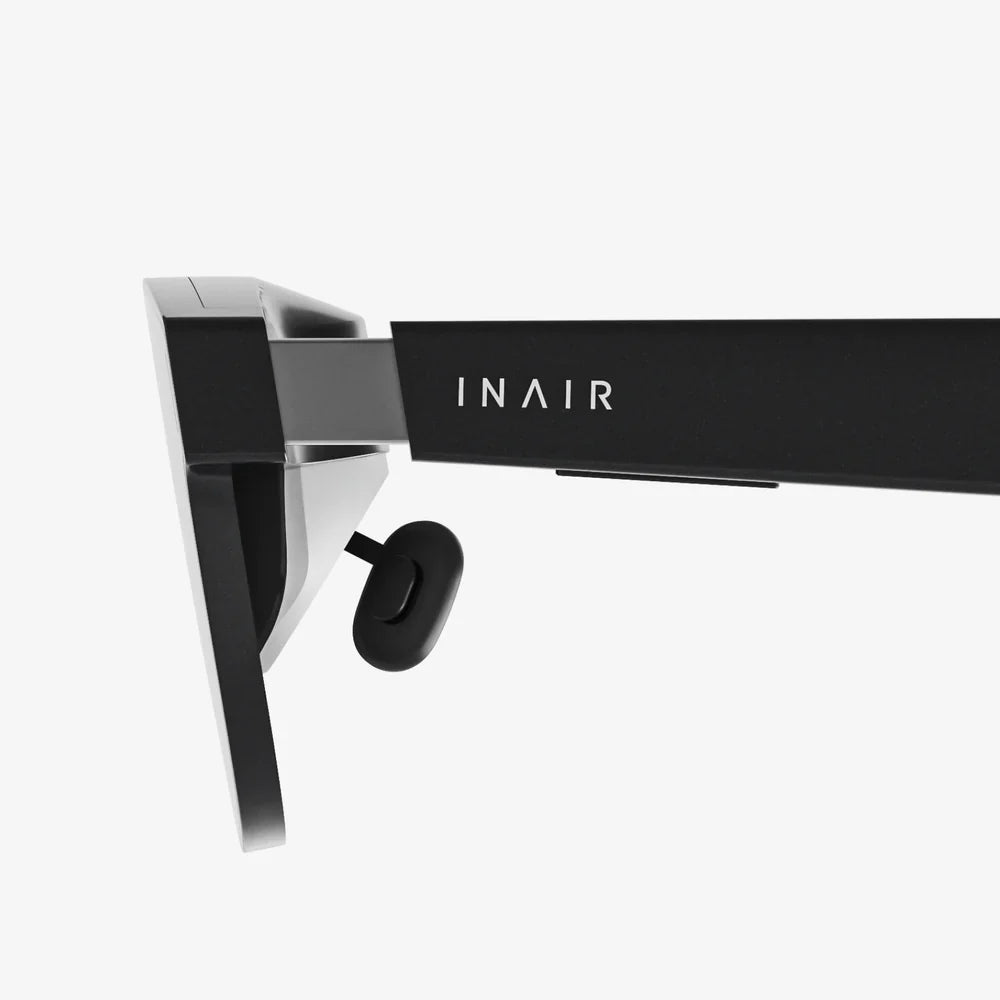
The primary portal for most current AR tabletop experiences is the smartphone or tablet. These devices pack powerful processors, high-resolution cameras for tracking, and bright screens capable of displaying vivid overlays. They are held above the table, either by a player or a specially designed stand, acting as a magic lens through which the digital enhancements are viewed. The future, however, points toward wearable AR glasses. This form factor promises a truly hands-free experience, allowing players to interact with the physical game components naturally while digital elements are seamlessly anchored to the table in their field of view, creating a more immersive and socially unobstructed experience.
The Software: The Digital Dungeon Master
The true intelligence of the system resides in the software. The application uses its camera to scan the board and identify unique markers, specific miniatures, or the position of cards. Sophisticated algorithms interpret this data to maintain a precise digital twin of the game's state. This allows the software to act as an automated game master:
- Revealing the Hidden: It can hide information, revealing maps, story clues, or enemy stats only when certain conditions are met by the physical game pieces.
- Automating Administration: It tracks hit points, manages complex status effects, calculates line-of-sight for attacks, and updates scores automatically, eliminating player bookkeeping and potential arguments.
- Enhancing Atmosphere: Dynamic soundscapes and music scores respond to gameplay, swelling during climactic battles or becoming eerie when exploring a dungeon. Ambient lighting and weather effects can be projected onto the table itself.
The Unmatched Benefits: Why AR is a Game-Changer
The integration of AR delivers tangible benefits that address long-standing challenges in tabletop gaming while opening up entirely new possibilities.
Breathtaking Immersion and Narrative Depth
AR supercharges the imagination. Instead of imagining the ancient forest your hero is walking through, you can see animated vines creeping across the board, hear the sounds of exotic birds, and watch as sunlight filters through the digital canopy onto the table. Narrative elements can be delivered through animated cutscenes or character dialogues that play out right on the board, deepening the story and emotional investment in a way a rulebook never could.
Streamlined Complexity and Accessible Gameplay
Many modern board games are marvels of strategic depth, but this often comes with a cost: complex rules and lengthy setup. AR elegantly solves this. The software can guide players through setup with on-screen indicators, teach rules via interactive tutorials, and handle intricate calculations in the background. This dramatically lowers the barrier to entry, making deep, strategic games accessible to newcomers and reducing the burden on the person who usually has to teach the game.
Dynamic and Infinitely Replayable Content
A physical board game is static; what you buy is what you get. An AR-enhanced game, however, can receive digital updates, new story campaigns, additional monsters, and fresh maps long after the box is opened. This extends the life of the game immensely and allows developers to support their titles with new content, creating a living, evolving game experience. Furthermore, the AR system can introduce procedural elements, ensuring that no two playthroughs of a dungeon crawler are ever exactly the same.
Preserving the Social Fabric
Critically, Augmented Reality Tabletop AR strengthens, rather than replaces, the face-to-face social interaction that is the heart of board gaming. Players are still gathered around a physical table, looking at each other, talking, and negotiating. The technology serves the social experience, not the other way around. It enhances the shared spectacle—a collective "wow" as a monster emerges from the table—and removes the friction of rules disputes, allowing friends to focus on the fun and camaraderie.
Navigating the Challenges: The Path Forward for AR Tabletop AR
Despite its immense potential, the widespread adoption of AR tabletop gaming faces several hurdles that developers and the industry are actively working to overcome.
The Hardware Hurdle: Cost and Accessibility
While smartphones are ubiquitous, a high-quality, shared experience often requires a dedicated device, preferably a tablet with a large screen, which not every gaming group owns. The future of wearable AR glasses is even more fraught with cost and technological barriers. For the technology to become mainstream, it must become more affordable, comfortable, and socially acceptable to wear at the game table.
Designing for Two Worlds: A New Development Paradigm
Game designers can no longer think solely in terms of cardboard and plastic. They must become experts in hybrid design, creating experiences where physical and digital elements are perfectly intertwined. A poorly designed AR game can feel gimmicky, where the digital elements are superfluous, or worse, where the technology gets in the way of the core gameplay. The design must be intuitive and add genuine value.
The Specter of Digital Obsolescence
A significant concern for consumers is the longevity of their purchase. A classic board game can be played for decades. What happens when the required smartphone operating system is no longer supported? Or when the company that made the game goes out of business and shuts down its servers? Ensuring that these games remain playable in the far future is a critical challenge that the industry must address through open standards and preservation efforts.
The Future is on the Table: What Comes Next?
The current state of Augmented Reality Tabletop AR is just the beginning. As technology advances, we can expect several transformative developments. Haptic feedback technology could allow you to feel the shock of a dice roll or the rumble of an earthquake through the table. Advanced AI could power a truly responsive digital game master that adapts the story and difficulty to the players' actions in real-time. Furthermore, cloud-based AR could allow for remote play that feels more natural than video chat, with players in different locations seeing a shared digital board superimposed on their own physical tables at home.
The journey of the humble board game is a long and storied one, from ancient Senet to the strategic depths of modern eurogames. Each evolution has been about bringing people together for shared stories and challenges. Augmented Reality Tabletop AR is not the end of that tradition; it is its next glorious chapter. It represents a perfect fusion of the timeless joy of physical play with the boundless potential of the digital realm, creating a new kind of magic that is set to redefine game night for generations to come. The board is set, the pieces are moving, and a dazzling new layer of reality is waiting to be explored, all from the comfort of your own kitchen table.
Share:
Wearable Tech Brands Are Redefining the Human Experience – Here’s How
Augmented Reality AR Glasses Factory: The Silent Engine Powering Our Digital Future