


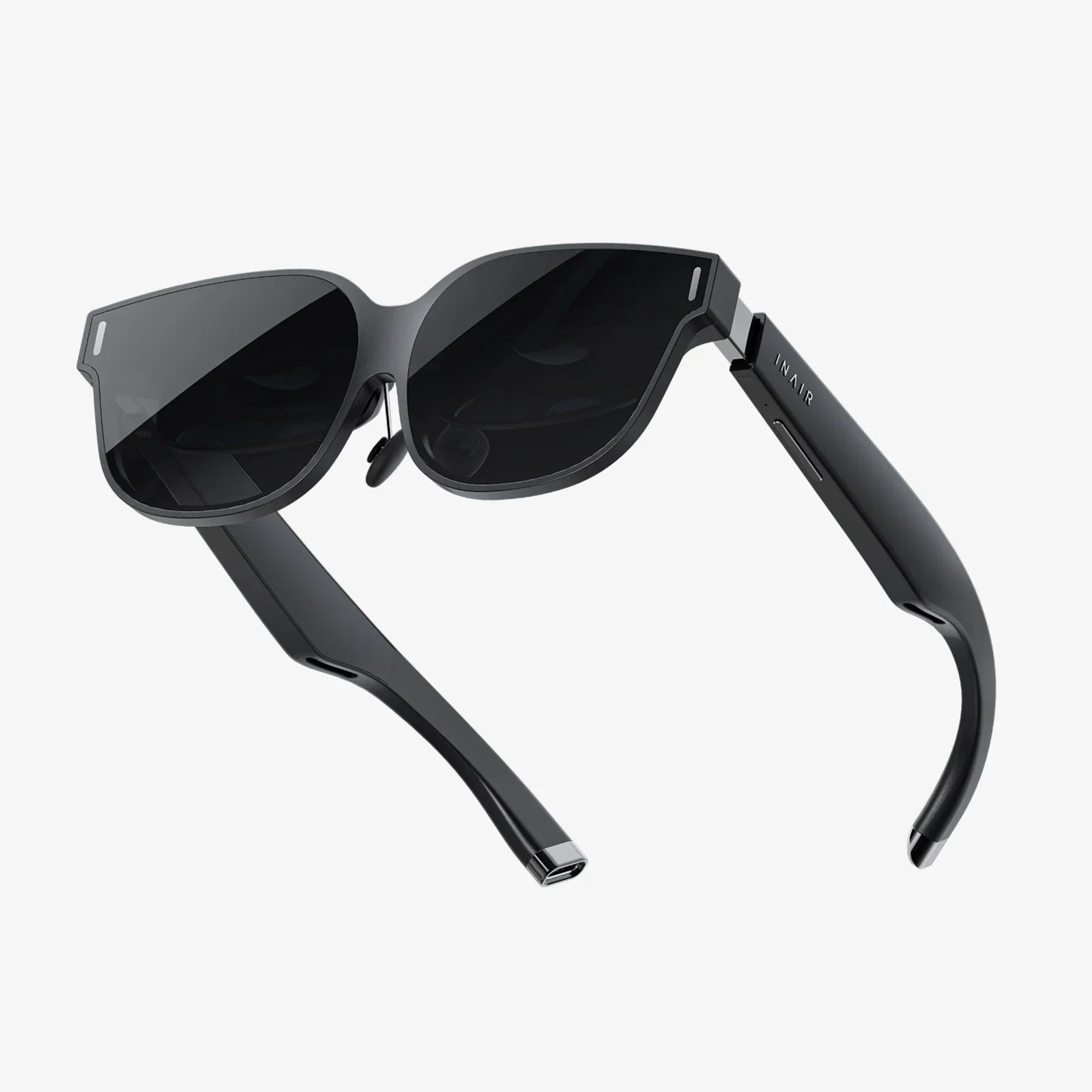
You strap on the headset, and the real world melts away. You’re scaling Everest, exploring distant galaxies, or sitting front row at a concert. Virtual reality promises unparalleled adventure and connection, a portal to experiences beyond our physical limitations. But what happens when you take the headset off? The shimmering promise of VR obscures a darker, more complex reality—one fraught with physical discomfort, psychological peril, and profound ethical questions that we are only beginning to confront. The journey into the virtual world comes with a price, and it’s a bill we may be paying for generations to come.
The Physical Toll: More Than Just a Headache
The most immediate and widely reported negative aspects of virtual reality are physical. While often dismissed as minor inconveniences, they point to a fundamental mismatch between our human biology and the technology we are creating.
Cybersickness: The Body's Rebellion
Cybersickness is the umbrella term for the nausea, dizziness, headaches, and general malaise that can strike a VR user. It’s a form of motion sickness, but its triggers are uniquely modern. It occurs when there is a sensory conflict: your eyes are telling your brain that you are moving—dodging laser fire, flying a fighter jet, or simply walking through a virtual space—but your inner ear and proprioceptive senses (the feeling of your body in space) report that you are standing still. This neurological dissonance causes the brain to suspect it has been poisoned, triggering a nausea response to encourage the expulsion of the supposed toxin.
For many, this is a significant barrier to entry, limiting VR sessions to short, often uncomfortable bursts. It can take days for a sensitive individual to fully recover from a severe bout of cybersickness.
Visual Strain and Long-Term Eye Health
VR headsets present images on two-dimensional screens placed extremely close to the user’s eyes. While lenses help focus this image to appear further away, the eyes are still working hard to converge (turn inward to focus on a near object) and accommodate (change the shape of the lens to focus). This Vergence-Accommodation Conflict (VAC) is a known source of eye strain, headaches, and blurred vision.
The long-term effects on eye development, particularly in children, are a major concern. A child’s visual system is still developing, and prolonged exposure to an environment that conflicts with natural visual cues could potentially disrupt this development, leading to issues with depth perception, focus, and binocular vision later in life. Most manufacturers explicitly warn against children using their devices, but enforcement is nearly impossible.
Physical Injury and the Neglect of the Real World
Fully immersed users are notorious for forgetting their physical surroundings. There are countless videos online of people tripping over furniture, walking into walls, or smashing their controllers into television screens. These incidents are often played for laughs, but they highlight a real danger. More serious injuries, including sprains, fractures, and even concussions, have been reported by users who became so engrossed in a virtual fight or chase that they forgot the very real coffee table in the middle of their living room.
The Psychological Labyrinth: Identity, Reality, and Addiction
The psychological implications of VR are perhaps even more profound than the physical ones. By hijacking our primary senses, the technology has a direct line to our subconscious, with the power to alter our perceptions, behaviors, and sense of self.
Depersonalization and Derealization
After extended periods in VR, some users report a strange and unsettling feeling of disconnect from their own bodies or from the real world. This is known as depersonalization (feeling detached from oneself) and derealization (feeling that the world is unreal). The brain, having adapted to the rules of the virtual world, struggles to immediately readjust. Your hand might not feel like your hand; the texture of your desk might feel artificial. For most, this is a temporary effect, but for individuals predisposed to dissociative disorders, it could potentially trigger or exacerbate a significant psychological condition.
The Reality Blur and the Manipulation of Memory
VR experiences are memorable because they feel real. The brain encodes them not as something you saw on a screen, but as something you lived. This phenomenon, known as "presence," is the holy grail of VR design. However, it creates a dangerous potential for the manipulation of memory. A powerfully rendered false memory implanted in VR could feel as real as a genuine one. The implications for misinformation are staggering, from falsified events and propaganda to the manipulation of eyewitness testimony.
The Specter of Addiction
Video game addiction is a recognized problem, and VR takes this potential to a terrifying new level. If a flat screen game can be compelling, a fully immersive world that you can literally step into is exponentially more so. VR offers an escape from reality that is total and complete. For those struggling with social anxiety, poverty, illness, or loneliness, the temptation to retreat permanently into a world where they are powerful, healthy, and admired can be overwhelming. This could lead to severe neglect of real-world responsibilities, relationships, and health.
The Social Cost: The Illusion of Connection
VR is often marketed as the ultimate tool for connection, allowing people to meet, play, and work together regardless of physical distance. But this digital togetherness may come at the cost of genuine human interaction.
The Erosion of Empathy and Real-World Social Skills
Human communication is incredibly nuanced. It’s not just about words; it’s about micro-expressions, body language, subtle shifts in tone, and the palpable energy of sharing a physical space. VR social platforms, with their cartoonish avatars and limited gestures, strip away these layers of nuance. Prolonged socialization in these impoverished environments could lead to an atrophy of our ability to read these subtle cues in the real world. Furthermore, the anonymity and physical distance can foster the same toxic behaviors—trolling, harassment, bullying—that plague other parts of the internet, but now feel more personal and invasive.
Deepening the Chasm of Isolation
Rather than connecting us, VR could be the final tool that allows us to fully isolate ourselves. Why deal with the messy, complicated, and demanding process of maintaining real friendships when you can don a headset and be instantly surrounded by agreeable, algorithmically-selected companions who share only your interests? This risks creating a population that is physically together but mentally worlds apart, sitting in the same room but inhabiting different universes, further eroding the fabric of community and family.
The Data Dilemma: Privacy in a Panopticon
The data collection capabilities of VR are unprecedented and terrifying. It’s not just about what you search for or click on; it’s about you.
Biometric Data: Reading Your Mind and Body
Headsets with eye-tracking don’t just know where you are looking; they can measure pupil dilation, blink rate, and focus—biometric indicators of your interest, arousal, stress, and fatigue. Hand controllers measure micro-movements and tremors. Future devices will likely include heart rate monitors, galvanic skin response sensors, and facial expression tracking. This is the most intimate data imaginable—a real-time feed of your unconscious reactions. The potential for misuse is astronomical: manipulated advertisements, psychological profiling, political manipulation, or insurance premiums based on your stress levels.
Behavioral Analysis and the Virtual Panopticon
In a virtual space, every action can be recorded and quantified. How long did you look at that virtual product? Did you hesitate before turning down that dark alley? Did you stand too close to another avatar? This behavioral data creates a perfect digital twin of your psyche, a model that can be used to predict and influence your behavior with frightening accuracy. We are willingly building the most comprehensive surveillance tool ever conceived, all in the name of entertainment.
The Ethical Abyss: Violence, Morality, and the Future
Finally, VR forces us to confront deep and disturbing ethical questions that we are ill-prepared to answer.
Hyper-Realistic Violence and Desensitization
The debate over violence in video games is decades old, but VR changes everything. Pressing a button to shoot a pixelated character is a world away from looking down the sights of a virtual rifle, feeling the haptic feedback of the trigger, and watching a photorealistic character scream and collapse in a pool of blood. The psychological impact of being an active perpetrator in such a realistically simulated violent act is unknown. Could it lead to greater desensitization to real-world violence, or even act as a training simulator for harmful acts?
The Definition of Experience and Reality
As simulations become indistinguishable from reality, what happens to the value of authentic experience? If you can have a perfect VR vacation to Paris, why save for years to go to the real city, with its crowds, bad weather, and expense? If you can attend a VR concert, why bother with the hassle of a live event? This risks creating a two-tiered society: those who can afford real experiences and those who are placated with digital facsimiles. It commodifies experience itself and could ultimately devalue the messy, unpredictable, and beautiful reality of the physical world we share.
The headset sits on the table, a sleek portal to infinite possibilities. Yet its silent presence asks a daunting question: what are we willing to sacrifice for this new frontier? The potential for education, therapy, and art is immense, but it is not free. It is purchased with our privacy, our physical well-being, our psychological stability, and perhaps our very connection to each other and the tangible world. The future of virtual reality isn't just about building better graphics; it's about deciding, consciously and ethically, what kind of reality we actually want to live in. The choice, for now, is still ours to make.
Share:
How Many Types of Virtual Reality Are There: A Deep Dive Into Immersive Realms
Virtual Virtual Reality Help: The New Frontier in Digital Assistance and Therapy