


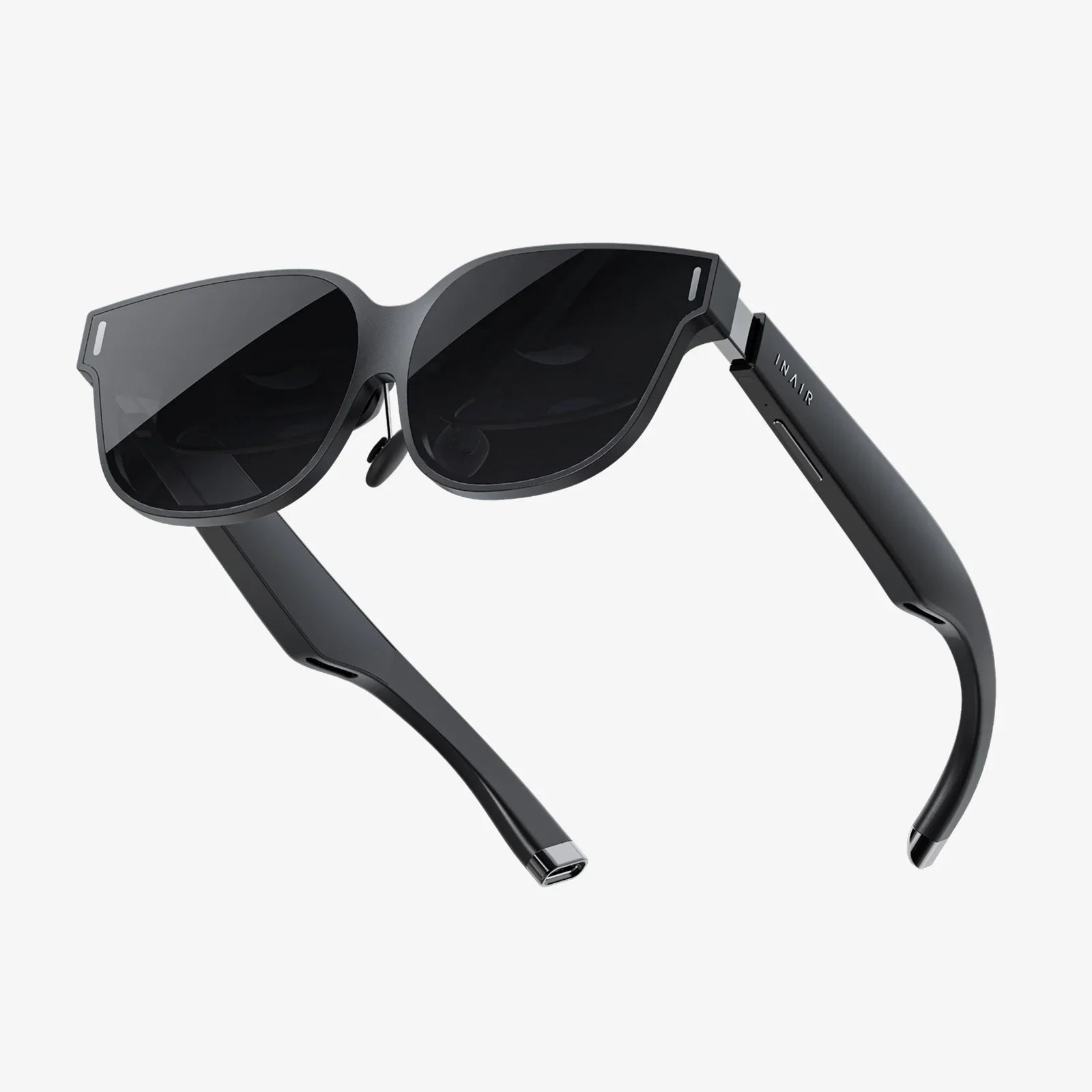
Beam splitter glass often hides in plain sight, quietly shaping the way we see, record, and interact with the world. From heads-up displays and optical instruments to architectural features and advanced imaging systems, this specialized glass determines how light is divided, redirected, and perceived. Understanding what it is, how it works, and where it excels can unlock better designs, clearer images, and more reliable devices.
This article explores the fundamentals of beam splitter glass, including its operating principles, major types, performance metrics, and practical applications. Whether you are an engineer, designer, researcher, or simply curious about the optics behind modern technology, you will find a detailed guide to choosing, using, and optimizing beam splitter glass in a wide range of scenarios.
What Is Beam Splitter Glass?
Beam splitter glass is an optical element designed to divide a beam of light into two or more separate paths. Instead of allowing all incoming light to transmit straight through or reflect entirely, the glass is engineered to partially reflect and partially transmit light according to defined ratios.
In its simplest form, beam splitter glass is a plate or cube of transparent material with a specially coated interface. This interface is responsible for controlling how much of the light is reflected and how much is transmitted. By carefully designing this interface, manufacturers can create beam splitters that behave predictably across specific wavelengths, angles, and polarization states.
Beam splitter glass is a cornerstone component in optical systems such as interferometers, microscopes, cameras, rangefinders, and display technologies. It enables simultaneous viewing and recording, combining multiple images, or splitting a single light source into several channels for analysis.
How Beam Splitter Glass Works
The operation of beam splitter glass is based on fundamental optical phenomena: reflection, transmission, and interference. When light encounters the coated interface inside or on the surface of the glass, part of the light reflects, and part passes through. The precise ratio depends on the coating design and the refractive indices of the materials involved.
Key aspects of the working principle include:
- Coated interface: A thin film coating on the glass surface or internal interface is designed to control reflectance and transmittance. The thickness and refractive index of this coating determine its optical behavior.
- Partial reflection: Unlike a standard mirror, which aims for high reflectivity, beam splitter glass reflects only a portion of the incident light. Typical designs might aim for 50/50, 70/30, or other customized ratios.
- Wavelength dependence: The splitting behavior can vary with wavelength. Some beam splitters are designed for broad spectral performance, while others target narrow bands such as visible, near-infrared, or specific laser lines.
- Angle of incidence: The angle at which light strikes the glass affects the effective reflectance and transmittance. Many designs assume a standard angle, often 45 degrees, but other geometries are also used.
By manipulating these parameters, beam splitter glass can be tailored to support imaging, measurement, and display applications with precise control over how light is divided and directed.
Common Types of Beam Splitter Glass
Beam splitter glass comes in several structural and functional configurations. Each type is optimized for different optical layouts, mechanical constraints, and performance requirements.
Plate Beam Splitter Glass
Plate beam splitter glass is a flat, thin piece of glass with a partially reflective coating on one surface. It is often used at a 45-degree angle to the incoming beam. The light is split into a reflected component and a transmitted component, which travel along different paths.
Advantages of plate beam splitters include:
- Simple geometry and easy integration into optical benches
- Relatively low cost and straightforward manufacturing
- Flexibility in coating design for different spectral ranges
However, plate beam splitters can introduce beam displacement and ghost reflections from the second surface, especially if the back surface is not treated with an anti-reflective coating or tilted appropriately.
Cube Beam Splitter Glass
Cube beam splitter glass consists of two right-angle prisms cemented together along their hypotenuse faces. The interface between the prisms is coated with a partial reflector. Incoming light enters one face of the cube, reaches the coated interface, and is split into reflected and transmitted beams that exit through different faces.
Benefits of cube beam splitters include:
- Compact and mechanically robust structure
- Reduced beam deviation and improved alignment stability
- Fewer ghost reflections compared with simple plates
Cube designs are popular in compact instruments and systems where alignment stability and ruggedness are essential. They are also common in imaging devices requiring precise beam paths in limited space.
Polarizing Beam Splitter Glass
Polarizing beam splitter glass separates light based on polarization state. Instead of splitting the beam by intensity alone, it transmits one polarization (often p-polarization) while reflecting the orthogonal polarization (s-polarization).
Typical uses of polarizing beam splitter glass include:
- Laser systems that require polarization control
- Optical instruments that analyze or manipulate polarized light
- Display technologies that rely on polarization for image formation
These beam splitters are designed with coatings or internal structures that strongly discriminate between polarization states, achieving high extinction ratios where one polarization passes and the other is efficiently reflected.
Dichroic or Color Beam Splitter Glass
Dichroic beam splitter glass separates light by wavelength. It reflects certain spectral bands while transmitting others. For example, it might reflect blue light and transmit red and green, or vice versa, depending on the coating design.
This type is particularly useful in:
- Fluorescence microscopy and spectroscopy
- Color imaging systems and multi-sensor cameras
- Projection systems and multi-channel illumination setups
Dichroic coatings are engineered using multiple thin-film layers that create interference effects, resulting in sharp spectral transitions between reflection and transmission bands.
Non-Polarizing Beam Splitter Glass
Non-polarizing beam splitter glass aims to split light with minimal dependence on polarization. Standard beam splitters often treat s- and p-polarized light differently, leading to unequal splitting ratios and contrast variations. Non-polarizing designs mitigate this by using specialized coatings and geometries.
These beam splitters are important in imaging and measurement systems where the polarization state is not controlled or where preserving image fidelity across polarization states is critical.
Key Performance Parameters of Beam Splitter Glass
Choosing the right beam splitter glass requires understanding the performance parameters that govern its behavior in an optical system. These parameters directly affect image quality, measurement accuracy, and system efficiency.
Splitting Ratio
The splitting ratio describes the proportion of light that is transmitted versus reflected. Common ratios include 50/50, 70/30, and 90/10, but custom ratios are also possible.
The appropriate ratio depends on the application:
- Imaging systems: Often favor near-equal splits to balance brightness between two paths.
- Monitoring or recording: May use a small fraction of light for a secondary path while preserving most light for the primary channel.
- Measurement setups: Might require precisely calibrated ratios for accurate signal comparison.
Wavelength Range and Spectral Response
Beam splitter glass must be matched to the operating wavelength range of the system. The reflectance and transmittance curves can vary significantly across ultraviolet, visible, and infrared regions.
Important considerations include:
- Ensuring high stability of the splitting ratio across the intended spectral band
- Avoiding unwanted absorption that reduces throughput or heats the component
- Matching spectral performance to light sources, detectors, and filters in the system
Polarization Dependence
Many beam splitter coatings behave differently for s- and p-polarized light, especially at non-normal incidence. This can lead to contrast changes, intensity imbalances, or measurement errors.
When polarization is important, designers may choose:
- Polarizing beam splitter glass to deliberately separate polarization states
- Non-polarizing beam splitter glass to minimize polarization-induced artifacts
Surface Quality and Flatness
Surface quality and flatness directly affect image clarity and wavefront integrity. Scratches, digs, and surface irregularities can scatter light, reduce contrast, and introduce aberrations.
High-precision optical systems often specify stringent surface quality grades and flatness tolerances to preserve image resolution and maintain accurate beam propagation.
Optical Coatings and Durability
Coatings on beam splitter glass must not only deliver the required optical performance but also withstand environmental and mechanical stress. Factors to consider include:
- Hardness and scratch resistance for frequent cleaning or handling
- Resistance to humidity, temperature cycling, and chemical exposure
- Long-term stability of optical properties under operational conditions
Materials Used for Beam Splitter Glass
The base material for beam splitter glass affects its mechanical strength, thermal behavior, and optical transmission. Common materials include:
- Standard optical glass: Used for many visible-light applications, offering good transparency and manufacturability.
- Borosilicate glass: Provides improved thermal resistance and chemical durability, useful in demanding environments.
- Fused silica: Offers excellent transmission from ultraviolet to infrared, low thermal expansion, and high damage thresholds, making it suitable for high-power and high-precision systems.
- Specialty glass or crystals: Selected when specific refractive indices, dispersion characteristics, or spectral properties are required.
The choice of substrate material must align with the system’s wavelength range, environmental conditions, and mechanical integration needs.
Applications of Beam Splitter Glass
Beam splitter glass appears in a broad range of technologies, from everyday devices to advanced research instruments. Its ability to manipulate light paths makes it an indispensable component in many fields.
Imaging and Photography Systems
In imaging systems, beam splitter glass enables simultaneous viewing, focusing, and capturing of scenes. For example, it can direct part of the light to a viewfinder while the rest reaches a sensor, or split light between multiple sensors for different spectral bands.
Typical uses include:
- Splitting light between visible and near-infrared sensors for multi-spectral imaging
- Directing part of the light to an autofocus or exposure metering module
- Creating live preview paths while maintaining full-quality image capture
Microscopy and Scientific Instruments
In microscopy, beam splitter glass is central to techniques that require combining or separating light paths. It can direct illumination to a specimen while simultaneously collecting emitted or reflected light for observation and recording.
Applications include:
- Fluorescence microscopy, where dichroic beam splitter glass separates excitation and emission wavelengths
- Interference-based techniques that require precise path splitting and recombination
- Multi-channel imaging systems that route different spectral components to dedicated detectors
Laser and Measurement Systems
Beam splitter glass is widely used in laser systems and metrology setups to distribute laser beams, sample a small portion of a beam for monitoring, or create reference paths for interferometry.
Examples include:
- Dividing a laser beam between a main process and a diagnostic detector
- Generating reference and measurement beams in interferometers
- Routing light to multiple sensors in optical test benches
In these applications, high damage thresholds, precise splitting ratios, and stable coatings are essential for reliable performance.
Display and Projection Technologies
Beam splitter glass plays a key role in display systems that overlay images onto real-world views or combine multiple image sources. It enables the creation of optical paths that superimpose virtual information onto the user’s line of sight.
Common roles include:
- Creating heads-up displays by reflecting projected information while transmitting the real scene
- Combining images from multiple projectors into a single output
- Supporting optical architectures where compact, folded light paths are required
Architectural and Interior Applications
Beyond scientific and technical systems, beam splitter glass also appears in architectural and interior design. It can provide semi-transparent partitions, mirrors that reveal displays or lighting behind them, and decorative features that play with transparency and reflection.
Examples include:
- Partitions that allow partial visibility while reflecting ambient light
- Mirrored panels that can reveal hidden screens or signage when illuminated from behind
- Design elements that use controlled reflection to create depth and visual interest
In these settings, aesthetic considerations such as color neutrality, reflectance under ambient lighting, and compatibility with surrounding materials become as important as optical performance.
Design Considerations When Using Beam Splitter Glass
Integrating beam splitter glass into an optical or architectural system requires careful design to avoid unintended artifacts and performance losses.
Angle of Incidence and Geometry
The angle at which light strikes the beam splitter glass affects both the splitting ratio and polarization behavior. Many designs assume a fixed angle, often 45 degrees, but real-world setups may involve varying angles or off-axis beams.
Designers should:
- Verify that the specified performance is valid at the intended angle of incidence
- Consider how off-axis rays will behave across the field of view
- Account for potential beam displacement or angular deviations introduced by the glass
Managing Ghost Reflections and Stray Light
Internal reflections within the glass can create ghost images or stray light, reducing contrast and causing measurement errors. This is especially critical in imaging systems.
Strategies to mitigate these issues include:
- Applying anti-reflective coatings to non-splitting surfaces
- Tilting the beam splitter slightly to steer unwanted reflections out of the imaging path
- Using optical baffles and absorptive materials to capture stray light
Mechanical Mounting and Alignment
Mechanical stability is essential to maintain consistent optical performance. Misalignment can cause beam shifts, focus errors, and changes in splitting behavior.
Good practices include:
- Using mounts that provide fine adjustment and secure locking
- Minimizing mechanical stress on the glass to avoid warping
- Ensuring that the mount materials and design account for thermal expansion
Thermal and Environmental Conditions
Changes in temperature and humidity can affect both the substrate and coatings. In demanding environments, these factors may alter the splitting ratio or introduce mechanical stress.
To address this, designers should:
- Choose substrate materials with suitable thermal expansion and stability
- Select coatings rated for the expected temperature and humidity range
- Consider protective housings or environmental controls for critical systems
Cleaning and Maintenance
Beam splitter glass surfaces are exposed to dust, fingerprints, and other contaminants that can scatter light and degrade performance. Proper cleaning techniques are essential to maintain clarity and prolong the life of the component.
Recommended practices include:
- Using non-abrasive wipes and appropriate optical cleaning solutions
- Avoiding excessive pressure that could damage coatings
- Implementing dust covers or sealed housings where feasible
Selecting Beam Splitter Glass for Different Use Cases
Choosing the right beam splitter glass involves balancing optical, mechanical, and economic factors. The optimal choice depends on the specific goals and constraints of the project.
For High-Precision Imaging
In high-resolution imaging systems, the priority is preserving image quality. Key selection criteria include:
- High surface quality and flatness to avoid wavefront distortions
- Non-polarizing designs when polarization cannot be controlled
- Coatings optimized for the exact spectral range of the illumination and sensors
For Laser and Metrology Systems
Laser-based systems demand beam splitter glass that can handle high intensities and maintain stable performance. Considerations include:
- High damage threshold coatings and substrates
- Precisely calibrated splitting ratios for accurate measurements
- Polarization-specific designs when working with polarized lasers
For Architectural and Display Installations
When beam splitter glass is used in built environments or displays, aesthetics and user experience are central. Selection factors include:
- Color neutrality and consistent appearance under varying lighting conditions
- Appropriate reflectance and transmission levels for the intended visual effect
- Durable, easy-to-clean surfaces suitable for public or high-traffic spaces
Future Trends and Innovations in Beam Splitter Glass
Advances in materials science and coating technology continue to expand what beam splitter glass can achieve. Emerging trends include:
- Adaptive and tunable beam splitters: Using electro-optic or other active materials to dynamically change splitting ratios or spectral properties.
- Integrated photonic structures: Incorporating beam splitting functions directly into waveguides or micro-optical components for compact, on-chip systems.
- Enhanced durability coatings: Developing coatings that combine high optical performance with exceptional resistance to abrasion, chemicals, and environmental stress.
- Broader spectral coverage: Designing beam splitter glass that performs consistently from ultraviolet through mid-infrared for multi-band systems.
These developments are opening new possibilities in sensing, communication, imaging, and immersive display technologies, where precise control of light is increasingly essential.
Beam splitter glass is more than a passive piece of optics; it is a strategic component that determines how effectively a system can harness and shape light. By understanding the types available, the key performance parameters, and the practical design considerations, you can select and integrate beam splitter glass that elevates your project rather than limiting it. Whether you are building a precision instrument, designing an innovative display, or adding a visually striking element to an interior space, informed choices about beam splitter glass will translate directly into clarity, reliability, and impact.
Share:
Aura Frame Won't Connect To WiFi: Complete Troubleshooting Guide
johnson matthey advanced glass technologies and the Future of Smart Materials