


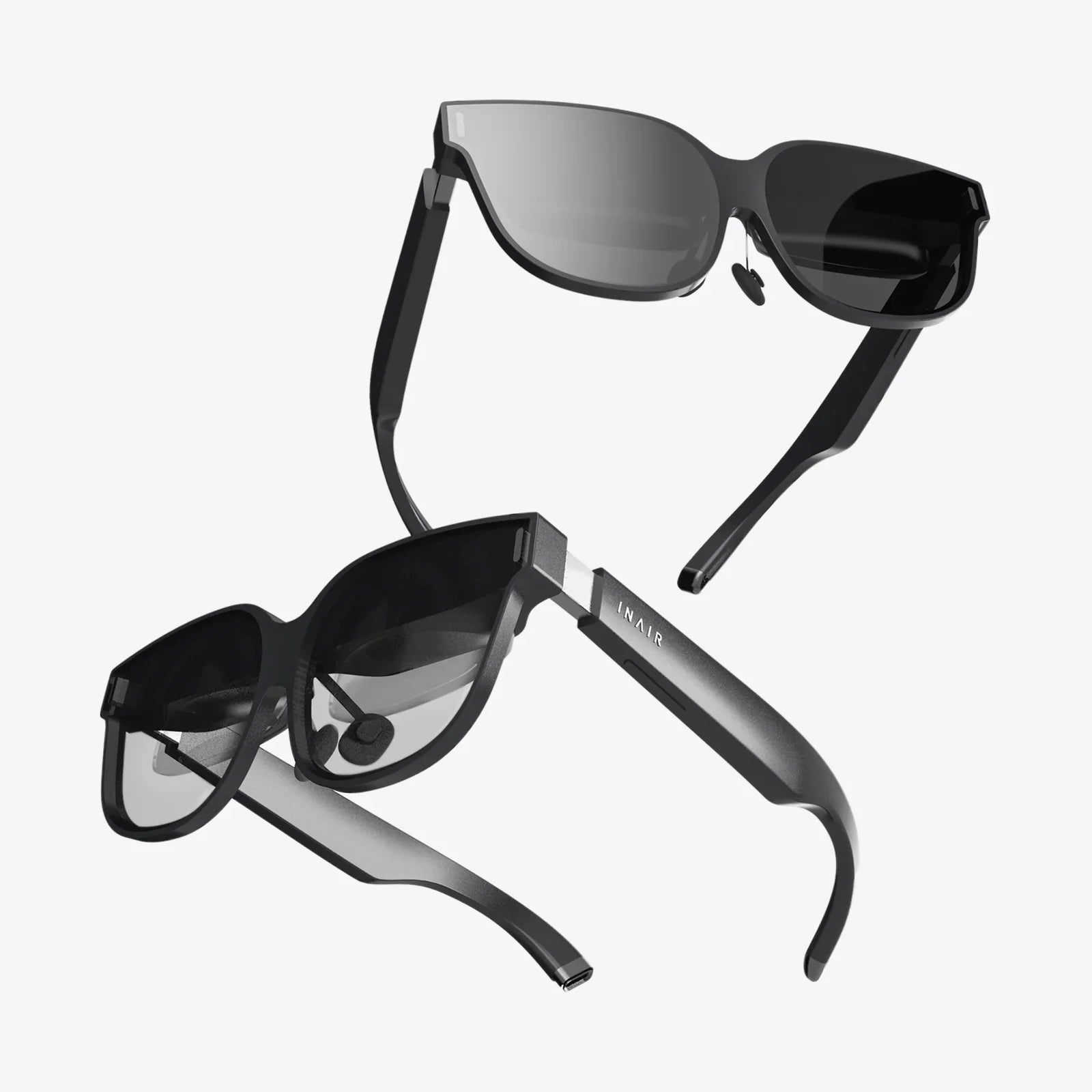
Imagine a workplace where your watch could warn you of impending fatigue before a critical error occurs, where a sensor on your uniform could automatically summon help the moment a fall is detected, and where the collective health data of your workforce is used to design a safer, more productive environment for everyone. This is not a scene from a science fiction novel; it is the rapidly emerging reality powered by the integration of wearable technology into the professional sphere. The benefits of wearables in the workplace are vast and multifaceted, offering a revolutionary approach to how we understand, protect, and optimize human capital.
A New Era of Employee Health and Wellness
The most immediate and impactful benefit of workplace wearables lies in their capacity to foster a culture of health and proactive wellness. These devices move beyond traditional, reactive healthcare models, empowering both employers and employees with continuous, actionable data.
Modern devices can track a wide array of physiological metrics, including heart rate variability (HRV), sleep patterns, activity levels, and even body temperature. This data provides unprecedented insights into an employee's overall well-being. For instance, consistently poor sleep scores and elevated resting heart rates can be early indicators of chronic stress or burnout. With this knowledge, organizations can intervene proactively, offering resources, encouraging breaks, or adjusting workloads before an employee reaches a point of exhaustion or requires medical leave.
Furthermore, corporate wellness programs are being supercharged by this technology. Instead of generic health advice, wearables enable personalized challenges and recommendations. They can nudge an employee to take a walking meeting after an hour of inactivity, remind them to stay hydrated, or provide guided breathing exercises during a stressful period. This hyper-personalization leads to higher engagement rates in wellness initiatives, ultimately resulting in a healthier, more vibrant, and more present workforce. The reduction in stress-related absenteeism and presenteeism—where employees are at work but not fully functional—directly contributes to a stronger bottom line.
Revolutionizing Safety in High-Risk Environments
For industries where safety is paramount—such as construction, manufacturing, logistics, and oil and gas—wearables are nothing short of a game-changer. They are creating safer work environments by actively monitoring for hazards and preventing accidents before they happen.
Consider a construction worker operating heavy machinery. A smartwatch equipped with biometric sensors can detect signs of fatigue, dehydration, or heat stress—all critical factors that can impair judgment and reaction time. Alerts can be sent to the worker and their supervisor, prompting a necessary break and preventing a potential catastrophe. Similarly, wearable devices can monitor exposure to harmful environmental factors like toxic gases, excessive noise, or extreme temperatures, ensuring that workers do not exceed safe exposure limits.
Another profound application is in the realm of injury prevention and response. Wearables with built-in accelerometers and gyroscopes can detect a sudden fall or a period of dangerous immobility. In such an event, the device can automatically trigger an alert to a safety monitoring center, providing the employee's precise location via GPS and dispatching emergency services immediately. This rapid response can mean the difference between a minor incident and a fatal outcome. Furthermore, exoskeletons, a form of industrial wearable, are being deployed to augment human strength and endurance, reducing the physical strain of repetitive lifting tasks and drastically lowering the incidence of musculoskeletal disorders, which are a leading cause of workplace injury.
Driving Unprecedented Operational Efficiency
Beyond health and safety, wearables are powerful tools for enhancing operational efficiency and streamlining workflows. By providing hands-free access to information and enabling seamless communication, they unlock new levels of productivity, particularly for deskless workers.
In large warehouses and distribution centers, employees equipped with smart glasses or wrist-worn terminals can receive visual pick-and-pack instructions directly in their line of sight. This eliminates the need to constantly look down at a handheld scanner or clipboard, reducing task completion time and minimizing errors. The technology can guide them along the most efficient route through the facility, optimizing the entire logistics chain.
For field service technicians, wearables offer a similar advantage. They can view schematics, access manuals, or even stream a live video feed to a remote expert for guidance—all without putting down their tools. This capability drastically reduces resolution times for complex problems and improves first-time fix rates. The constant, subtle collection of data on movement patterns, time-on-task, and workflow interruptions also provides managers with a goldmine of information. This data can be analyzed to identify bottlenecks, redesign inefficient processes, and better allocate human resources, leading to a smoother, faster, and more cost-effective operation.
The Power of Data-Driven Decision Making
The aggregate, anonymized data collected from a workforce of wearable users is perhaps the most strategic benefit for an organization. It shifts decision-making from intuition and anecdote to evidence and analysis.
On a macro level, this data can reveal powerful insights about organizational health. Patterns may emerge showing that productivity dips significantly in the mid-afternoon across an entire department, suggesting a need for revised scheduling or lighting adjustments. Analysis might reveal that a specific task consistently causes a spike in stress biomarkers, indicating a requirement for better training, different equipment, or job rotation.
This data-driven approach allows for predictive people analytics. Companies can forecast potential safety incidents, predict attrition risks based on stress and engagement markers, and tailor training programs to address specific, identified weaknesses. It enables a continuous feedback loop where the work environment itself is constantly being refined and improved based on the objective responses of the people within it. This creates a truly adaptive organization that is responsive to the needs of its most valuable asset: its employees.
Navigating the Ethical Minefield: Privacy and Trust
Despite the immense potential, the adoption of workplace wearables is not without significant challenges, primarily centered on ethics, privacy, and trust. The line between beneficial monitoring and intrusive surveillance is thin and easily crossed.
Employees may rightly fear that data collected to promote their wellness could be used against them in performance reviews, to deny promotions, or even to justify termination. The potential for function creep—where data collected for one purpose is later used for another—is a serious concern. Therefore, transparency and voluntary participation are non-negotiable pillars of any successful program.
Organizations must establish clear, written policies that explicitly detail what data is being collected, how it will be used, who will have access to it, and how long it will be stored. Crucially, individual data should be anonymized when used for broader analysis. The program should be opt-in, with employees giving explicit consent after a full understanding of the terms. Building a culture of trust is essential; without it, the technology will be viewed with suspicion and resistance, undermining its potential benefits and potentially damaging morale. The goal must always be to empower and protect the employee, not to police them.
The journey of integrating wearables into the fabric of our work lives is just beginning. The potential to save lives, prevent injury, enhance well-being, and build smarter, more agile companies is immense. However, this powerful technology must be guided by a strong ethical compass and a genuine commitment to using data as a tool for empowerment rather than control. The future of work is not about humans being managed by machines, but about humans and machines collaborating to create a world of work that is safer, healthier, and more productive for all.
The silent hum of a device on your wrist is more than a piece of technology; it's a gateway to a fundamental reshaping of the employer-employee contract, one built on a foundation of data-driven care and mutual success. The organizations that embrace this potential wisely and ethically will not only gain a competitive edge but will also define the future of what it means to be a responsible and forward-thinking employer in the 21st century.
Share:
Portable Smart Devices Are Reshaping Our Daily Lives and Futures
How to 3D Model with iPhone: A Comprehensive Guide to Mobile Creation