


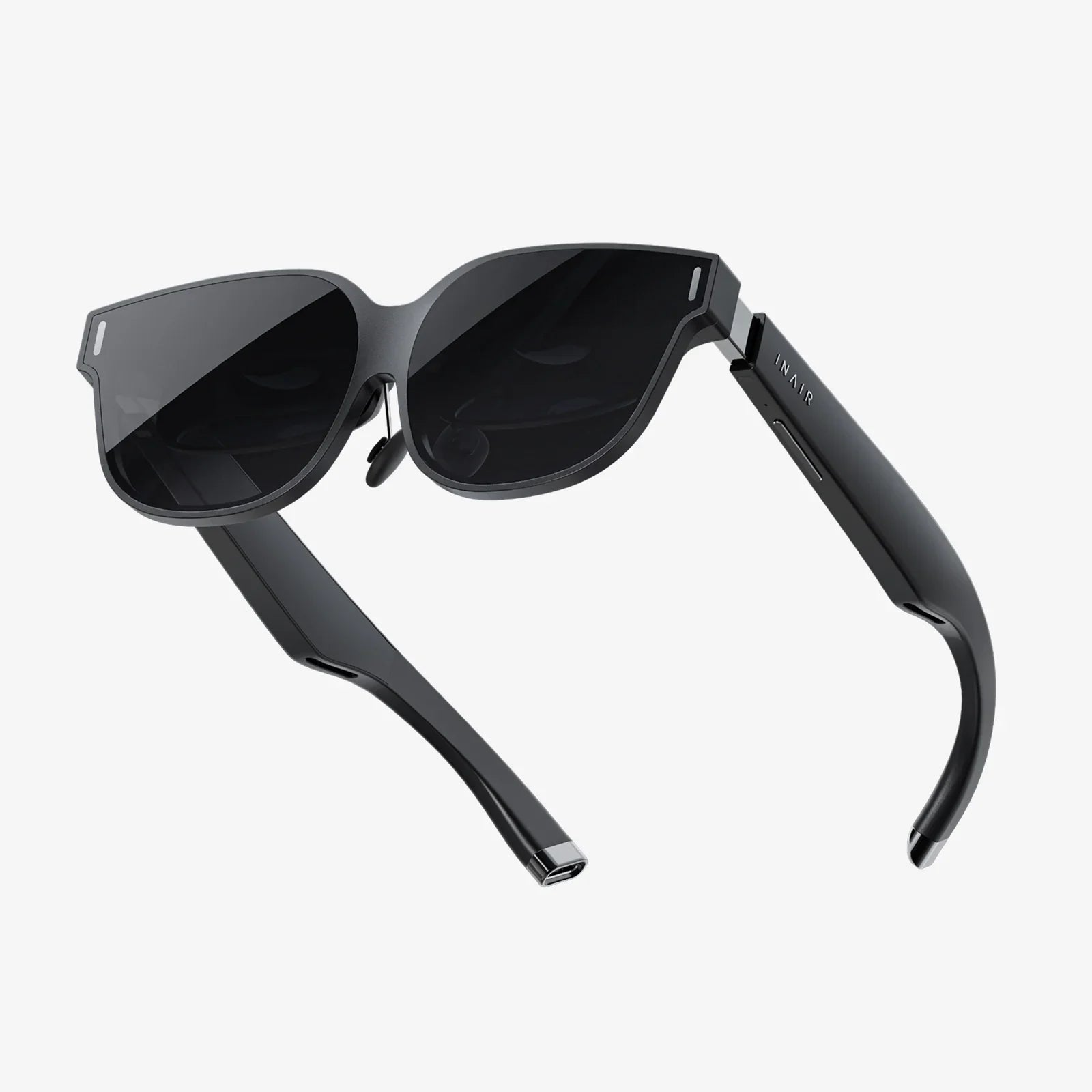
Imagine stepping into another world, a digital realm limited only by imagination, without a single wire holding you back. The quest for the best all-in-one VR headset is a journey toward ultimate freedom, a search for that perfect portal that offers seamless, untethered immersion. This isn't just about purchasing a piece of hardware; it's about unlocking a new dimension of entertainment, productivity, and social connection. The market is buzzing with options, each promising unparalleled experiences, but how do you cut through the noise to find the true gem? This comprehensive guide is designed to be your roadmap, detailing the critical factors that separate a good standalone headset from a truly great one. We will delve into the core technologies, user experience nuances, and the evolving ecosystem that defines this exciting category of personal technology.
Defining the All-in-One VR Paradigm
An all-in-one (AIO) VR headset, often called a standalone headset, is a self-contained system. Unlike PC-powered or console-powered VR, it doesn't require a connection to an external computer or gaming console to function. The processing power, display, tracking sensors, and battery are all integrated into the device itself. This fundamental difference is what grants users unparalleled freedom of movement, making VR more accessible and less cumbersome. The best all-in-one VR headset embodies this philosophy perfectly, offering a high-fidelity experience that isn't compromised by its wireless nature. It represents the culmination of miniaturization and optimization, packing enough power to deliver compelling experiences while remaining comfortable enough to wear for extended periods.
The Pillars of a Superior Standalone Experience
Several key components work in concert to create a standout AIO VR headset. Understanding these pillars is essential for evaluating any contender.
Visual Fidelity: Resolution, Lens Clarity, and Refresh Rate
The window to any virtual world is its display. Visual quality is paramount, defined by three primary metrics: resolution, lens technology, and refresh rate. A high resolution, often expressed as a per-eye measurement or an aggregate total, ensures that the image is sharp and clear, reducing the "screen door effect" where users can discern the gaps between pixels. The best all-in-one VR headset will feature a display with a pixel density that makes text legible and distant objects crisp. Paired with this is the lens quality. Advanced lens systems, like those based on Fresnel or pancake designs, provide a large "sweet spot" of clarity, edge-to-edge sharpness, and reduce god rays and glare from high-contrast scenes. Finally, a high refresh rate, measured in Hertz (Hz), is crucial for smoothness and comfort. Rates of 90Hz and above help create a fluid, believable world and significantly reduce the potential for motion sickness, especially during fast-paced action.
Processing Power and Performance
The heart of the headset is its processor. This specialized chipset is responsible for rendering two high-resolution displays simultaneously, processing complex positional and rotational tracking data, and running the software. The best all-in-one VR headset will be powered by a chipset designed specifically for the intense demands of virtual reality. This silicon isn't just about raw clock speed; it's about architectural efficiency, dedicated cores for specific tasks like physics calculations and AI, and integrated graphics capable of delivering stunning visuals without draining the battery in minutes. This balance of performance and power efficiency is what allows for rich, detailed environments and complex gameplay mechanics without the device overheating or stuttering.
Ergonomics and Comfort
Immersion is broken the moment you become acutely aware of the hardware on your face. Comfort is, therefore, a critical feature, not an afterthought. The best all-in-one VR headset achieves a delicate balance between weight distribution, padding quality, and adjustability. A well-designed headstrap, often with a rigid overhead band and a rear counterweight, distributes the device's mass evenly across the head rather than pressing it all onto the cheeks and brow. Plush, breathable facial interfaces made from materials that are easy to clean are essential for hygiene and comfort during long sessions. Furthermore, the ability to adjust the interpupillary distance (IPD)—the space between the lenses to match the user's eyes—is non-negotiable for achieving a clear image and preventing eye strain.
Inside-Out Tracking and Controllers
Standalone headsets universally employ inside-out tracking. This means the headset itself, using a array of outward-facing cameras and sensors, maps the physical room and tracks the position of the headset and controllers within it. The best all-in-one VR headset will have a robust and precise tracking system that rarely loses controller position, even when held behind the back or close to the headset. The controllers themselves are an extension of the user's hands in VR. They should feel natural to hold, responsive, and durable. Features like haptic feedback, which provides subtle vibrations, and capacitive touch sensing on buttons and thumbsticks, which allows for nuanced finger tracking, greatly enhance the sense of presence and interaction within the virtual space.
Audio: The Often Overlooked Immersion Booster
Sound is half the experience. Spatial audio is a technology that makes sounds appear to come from specific points in 3D space, making virtual environments feel startlingly real. The best all-in-one VR headset will integrate high-quality spatial audio solutions, either through built-in directional speakers that don't cover the ears (allowing users to stay aware of their surroundings) or through a dedicated audio jack for high-end headphones. This auditory layer is crucial for gameplay cues, social interaction, and feeling truly transported.
The Software Ecosystem: Content is King
A powerful headset is nothing without compelling software. The depth, breadth, and quality of the available content library are arguably as important as the hardware specs. The best all-in-one VR headset will be backed by a vibrant, curated storefront filled with exclusive titles, beloved ports, and innovative experiences. This includes not just games, but also social platforms, fitness applications, creative tools, and media consumption apps. A strong ecosystem is supported by regular updates, developer engagement, and a clear roadmap for future content. Furthermore, some platforms are beginning to explore the potential of mixed reality (MR), blending digital objects with a passthrough view of the real world, opening up a new frontier for productivity and play.
Battery Life and On-the-Go Potential
True untethered freedom is limited by battery capacity. While demanding applications will naturally drain power faster, the best all-in-one VR headset should offer a reasonable battery life for a complete gaming session, typically aiming for two to three hours of active use. Some designs offer hot-swappable batteries or the ability to play while plugged into a power source for indefinite use. Ease of transportation is also a factor for some users; a device that is relatively compact and includes features like a powered-off sleep mode for quick resumption of play adds to its overall appeal as a portable entertainment system.
Future-Proofing and The Road Ahead
Technology evolves at a breakneck pace. When investing in a premium device, considering its longevity is wise. The best all-in-one VR headset often exists within a broader ecosystem. Some manufacturers offer backward compatibility with content purchased for previous devices, protecting a user's software investment. Others may have upgrade paths for peripherals or even plans for cloud streaming to supplement the onboard processing power in the future. While no consumer electronics are truly future-proof, choosing a device from a company with a clear vision and a commitment to its platform can help ensure it remains relevant for years to come.
Making Your Choice: Aligning Features with Your Needs
There is no single "best" headset for everyone. The right choice depends heavily on individual priorities. A hardcore gamer will prioritize processing power, refresh rate, and access to a deep game library. A fitness enthusiast might value comfort during intense movement, sweat-resistant materials, and integration with fitness apps. A professional or creative user may place a higher premium on display resolution for reading text and mixed reality capabilities. The best all-in-one VR headset for you is the one that most closely aligns with your intended use cases, comfort requirements, and budget.
The revolution in virtual reality is no longer chained to a desktop; it's happening right before our eyes, wirelessly and wonderously. The perfect all-in-one headset is your ticket to this expanding universe, a self-contained gateway to experiences that were once the stuff of science fiction. By prioritizing the seamless fusion of powerful processing, crystal-clear optics, and intuitive design, you're not just buying a device—you're investing in your passport to the next frontier of digital interaction. Your adventure into the vast, untethered metaverse awaits, and it’s more breathtaking than ever.
Share:
Glasses with Headphones: The Ultimate Fusion of Audio and Eyewear
Extended Reality in Business: The Next Frontier for Enterprise Transformation and Innovation