


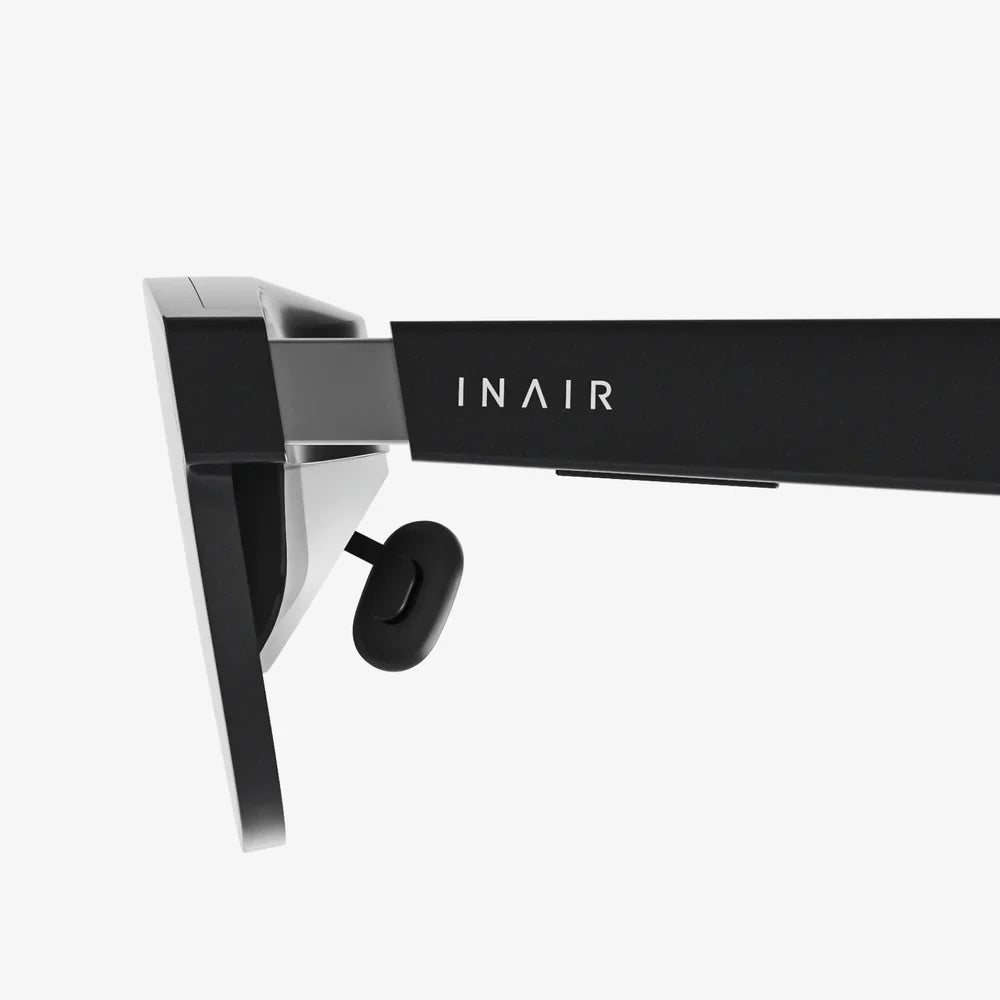
Imagine slipping on a sleek, lightweight visor and instantly overlaying a universe of digital information, interactive apps, and breathtaking holograms onto your living room, your workspace, and the world around you. This is no longer a distant sci-fi fantasy reserved for those with deep pockets. The year 2025 has ushered in a revolutionary era for augmented reality, where powerful, feature-rich experiences are now astonishingly accessible. For anyone curious about stepping into the mixed-reality future, the hunt for the best augmented reality headsets under $500 has never been more exciting or yielded more impressive results.
The 2025 AR Landscape: Power to the People
Just a few years ago, quality augmented reality was a premium experience, often locked behind four-figure price tags and requiring powerful external hardware. The market in 2025 tells a completely different story. Driven by fierce competition and rapid advancements in micro-optics, silicon chipsets, and spatial computing software, manufacturers have achieved what once seemed impossible: packing standalone AR power into devices that are both incredibly capable and remarkably affordable. This democratization of technology means students, developers, creatives, and everyday tech enthusiasts can now own a portal to the metaverse and spatial web without a significant financial investment. The sub-$500 category is no longer about compromised entry-level devices; it's a vibrant segment filled with headsets boasting high-resolution displays, intuitive inside-out tracking, and robust ecosystems of applications.
What Truly Defines a "Best" Headset in This Category?
With several compelling options available, determining the "best" headset is subjective and deeply personal. It hinges on how you plan to use the device. However, several key criteria separate the good from the truly great in the 2025 market.
Visual Fidelity: See the World Anew
The primary interface between you and the digital layer is the display system. In this price range, you should actively look for headsets utilizing advanced LCos (Liquid Crystal on Silicon) or next-generation micro-OLED displays. A combined resolution of at least 3K per eye is now the comfortable standard, ensuring text is sharp and virtual objects are clear and free of distracting screen-door effects. Furthermore, a high field of view (FoV) is crucial for immersion. While early affordable models felt like looking through a narrow window, 2025's best options offer FoVs exceeding 90 degrees, allowing digital content to occupy more of your natural vision and feel more present in your space.
Comfort and Form Factor: Forget You're Wearing It
A powerful headset is useless if it's uncomfortable. The best designs in 2025 prioritize ergonomics through balanced weight distribution, plush facial interfaces, and adjustable head straps. Many have shifted to a more glasses-like form factor or use a front-to-back strap system that removes pressure from the cheeks and nose. Lightweight materials like magnesium alloys and advanced polymers are common, ensuring you can enjoy extended sessions of work or play without fatigue.
Performance and Tracking: A Seamless Blend of Realities
At the heart of every great headset is its processing power. The standalone processors in 2025's top models are miniature marvels, capable of handling complex spatial mapping and persistent scene understanding without a tether to a computer or phone. Inside-out tracking, using a combination of high-resolution cameras and dedicated sensors, is now flawless. This technology allows the headset to understand its position in the room instantly, anchoring holograms to your physical furniture with rock-solid stability. This precise tracking also enables highly accurate hand-tracking, letting you pinch, grab, and manipulate digital content with your bare hands—an incredibly intuitive and immersive experience.
Battery Life: Sustained Exploration
As a standalone device, battery performance is non-negotiable. The leading headsets under $500 consistently deliver between 3 to 4 hours of active use on a single charge, with some models offering optional external battery packs for all-day productivity. Efficient power management and low-power displays have made this extended usage a reality, ensuring your AR sessions aren't constantly interrupted by the need to recharge.
Software and Ecosystem: Your Digital Playground
Hardware is nothing without software. The most successful headsets are supported by vibrant app stores filled with productivity tools, creative studios, immersive games, and educational experiences. A strong commitment from the developer community is a key indicator of a platform's health and longevity. In 2025, look for platforms that support open development environments and webXR, allowing you to access AR experiences directly through a browser, vastly expanding the available content.
Navigating the Trade-Offs: Setting Realistic Expectations
While the value proposition is incredible, it's important to understand the intelligent trade-offs engineers make to hit this price point. You likely won't find the absolute cutting-edge, experimental eye-tracking or varifocal displays that are emerging in professional-tier hardware. The passthrough video quality for mixed reality, while more than adequate for placing stable holograms, may not be as photorealistic as that found on devices costing two or three times as much. The key is that these compromises are made in areas that do not detract from the core, mind-blowing AR experience. The magic of immersion, interaction, and utility remains entirely intact.
Top Use Cases for Affordable AR in 2025
Owning one of these headsets unlocks a new dimension of daily activities:
- Productivity Powerhouse: Replace your physical monitors with infinite, virtual screens for your laptop. Follow recipe instructions holographically overlaid on your mixing bowls. Have a persistent virtual dashboard of your calendar, emails, and messages pinned to your office wall.
- Interactive Learning: Medical students can practice on detailed anatomical models. History buffs can walk through ancient ruins rebuilt in their original glory. Mechanics can see interactive repair guides superimposed on the engine they are fixing.
- Social and Gaming: Play tabletop games with friends across the globe as if you are sharing the same physical table. Fill your home with digital pets and puzzles. Experience narrative stories where characters appear to be right in your environment.
- Creative Expression: Sculpt 3D models in the air with your hands. Paint with virtual light and particles in your physical space. Design and preview new furniture arrangements in your actual apartment at life-size scale.
The Future is Now, and It's Affordable
The barrier to entry for high-quality augmented reality has not just been lowered; it has been dismantled. The best augmented reality headsets under $500 in 2025 are not mere toys or curiosities—they are powerful, sophisticated portals to the next evolution of computing. They represent the culmination of years of innovation, finally refined and scaled for the mass market. Whether you're a developer eager to build the future, a professional seeking a new edge, or simply a curious mind ready to see your world transformed, there has never been a better time to take the plunge. This isn't just about buying a gadget; it's about investing in a first-class ticket to the forefront of technological immersion, all for a price that proves the future is truly for everyone.
Share:
Best Virtual Meeting Ideas to Boost Engagement and Productivity
Best Headphones for Virtual Meetings 2025: The Ultimate Guide to Unmatched Clarity and Focus