


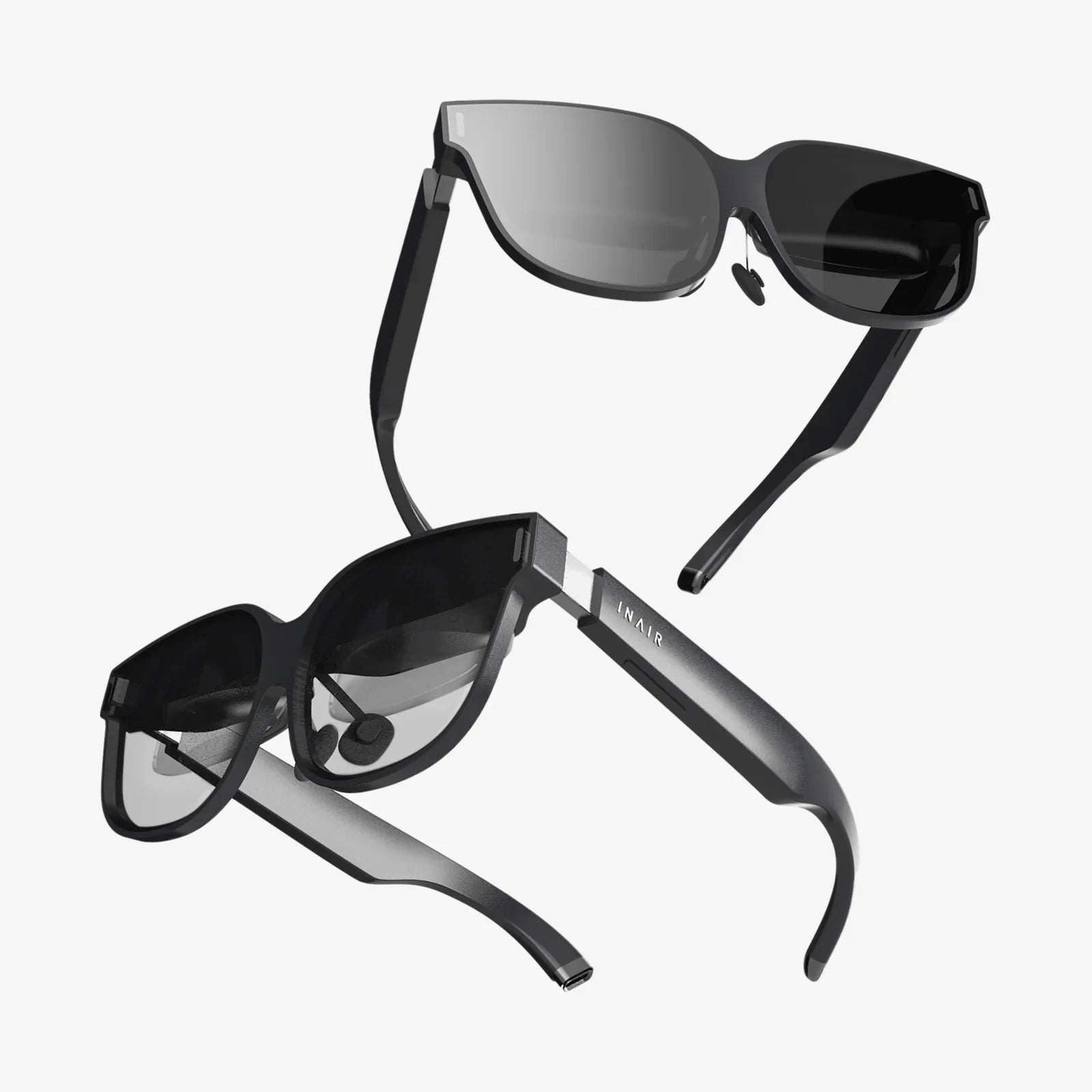
For millions, the simple act of putting on a pair of headphones is a daily ritual that ends in a familiar sigh of discomfort. That nagging pressure on the temples, the soreness behind the ears, the compromised seal that lets the bass bleed out—if you wear glasses, you know this pain all too well. It’s a frustrating compromise between enjoying your audio world and enduring physical annoyance. But what if 2025 is the year that compromise ends? What if you could finally experience immersive, high-fidelity sound without the constant reminder of your frames digging into your skull? The search for the perfect auditory experience is no longer just about crystal-clear treble and earth-shaking bass; it’s about holistic, all-day comfort that doesn’t force you to choose between seeing and hearing. The future of personal audio is here, and it’s designed with your glasses firmly in mind.
The Anatomy of Discomfort: Why Glasses and Headphones Clash
To understand the solution, we must first diagnose the problem. The conflict between headphones and eyewear is a fundamental issue of physics and pressure distribution.
The Temple Tip Problem: The arms of your glasses, known as temple tips, rest on the sensitive skin and bone just behind your ears and along your temples. Traditional headphones, especially over-ear models with strong clamping force, exert pressure on this exact same area. This pinches the frames against your head, creating localized pressure points that can lead to headaches, soreness, and general fatigue during extended listening sessions.
The Seal Breach: For over-ear headphones with circumaural (around-the-ear) cups, the primary goal is to create a perfect seal between the ear cushion and your head. This seal is critical for passive noise isolation and accurate bass response. Eyewear arms break this seal, creating a small gap that allows ambient noise to leak in and precious low-frequency sound to leak out, significantly degrading the audio experience you paid for.
Material Mismatch: Many standard headphone pads are made from dense memory foam covered in pleather or synthetic protein leather. While these materials can be comfortable initially, they lack the pliability to gently conform around an obstruction like a glasses arm. Instead, they press firmly against it, transferring all the clamping force directly to a single, painful point.
The 2025 Comfort Revolution: Key Innovations to Look For
The headphone industry has finally moved beyond treating glasses wearers as an afterthought. In 2025, several key innovations have emerged as game-changers, transforming the landscape of comfortable audio.
1. Advanced Cushion Materials and Geometry
Forget the hard, unforgiving pads of yesteryear. The new generation of ear cushions is engineered for adaptive comfort.
- Hybrid Memory Foams: We’re seeing advanced foams that combine traditional memory foam's contouring properties with the softness and breathability of gel-infused or aerated materials. These hybrids are less dense, allowing them to compress more easily around glasses arms without losing their overall shape or seal.
- Channeled and Gapped Designs: The most innovative design is the "glasses relief channel." This is a subtle, soft groove or a section of strategically reduced density built into the inner rim of the ear cushion. This channel provides a dedicated space for your glasses arms to sit, alleviating direct pressure while maintaining the best possible seal around the rest of the ear.
- Premium Breathable Fabrics: Velour and advanced knitted fabrics have made a major comeback. These materials are naturally more forgiving and porous, conforming to obstacles without creating harsh pressure points. They also significantly reduce heat buildup during long wear.
2. Intelligent Clamping Force and Weight Distribution
Clamping force is necessary for stability, but too much is the enemy of comfort. In 2025, engineering focus has shifted to smarter, more dynamic headbands and hinges.
- Auto-Adjusting Headbands: Some premium models now feature headbands with a wider range of articulation and a more precise, graduated clamping force. They are designed to hold securely without excessive squeezing, distributing their weight evenly across the crown of the head rather than relying on side pressure.
- Lightweight Composite Builds: The use of advanced polymers and magnesium alloys has become more widespread, bringing the weight of full-sized headphones down dramatically. A lighter headphone inherently requires less clamping force to stay in place, which is a direct win for glasses wearers.
3. The Rise of Alternative Form Factors
While over-ear designs are popular, 2025 offers brilliant alternatives that sidestep the glasses issue entirely.
- Superior On-Ear Designs: Not all on-ear (supra-aural) headphones are created equal. New models feature larger, incredibly soft pads that distribute pressure over a wider area of the ear, minimizing the focus on the temple point. Look for pivoting designs that self-align to the angle of your head.
- Open-Air and Bone Conduction: These technologies bypass the ear entirely. Open-air headphones rest just off the ear, making them completely glasses-friendly, though they sacrifice noise isolation. Bone conduction transducers sit on your cheekbones, leaving your ears completely free and unobstructed—an ideal, if acoustically different, solution for situational awareness.
Beyond the Spec Sheet: Your Personal Fitting Guide
Technology is only half the battle. Finding your perfect match requires a considered approach. Use this guide as your roadmap.
Step 1: Define Your Primary Use Case
How and where you plan to use your headphones is the most important question.
- The Commuter: You need effective noise cancellation and a reliable seal. Prioritize over-ear models with advanced cushion designs (look for those relief channels!) and adjustable clamping force. Active Noise Cancellation (ANC) can compensate for minor seal breaks.
- The Home Audiophile: Comfort for multi-hour listening sessions is paramount. Open-back over-ear headphones often have softer clamping force and breathable pads. Their open design means a perfect seal is less critical, making them more glasses-friendly.
- The Fitness Enthusiast: Stability and awareness are key. Secure-fitting on-ear models or open-air/bone conduction headphones are excellent choices that won’t interfere with sports glasses or sunglasses.
- The Digital Nomad: You need a blend of portability, call quality, and comfort. Look for lightweight, foldable over-ear or large-cushion on-ear models with a great microphone system.
Step 2: The Virtual "Try-On" Checklist
Since you can’t physically try every pair, learn to read the specs and reviews like a pro.
- Search for Keywords: Scour reviews and descriptions for terms like "glasses-friendly," "all-day comfort," "low clamping force," "memory foam," "velour pads," and "breathable."
- Analyze Product Images: Zoom in on the ear cups. Do they look deep and plush? Can you see any indication of a sculpted inner ring on the cushion?
- Check Weight: Anything under 300 grams is generally considered excellent for long-term wear. The 300-350 gram range is standard, and anything over 350 grams warrants careful consideration of the headband and cushion design.
- Understand Adjustability: A well-padded, wide headband that adjusts smoothly is a sign of good weight distribution.
Step 3: Pro Tips for Maximizing Comfort
Even with the perfect headphones, a few small tricks can make a great experience sublime.
- Adjust Your Glasses: Before putting on your headphones, slide your glasses slightly forward on your nose. Put the headphones on, and then gently slide your glasses back into their ideal position. This often helps the arms settle on top of the headband or cushions more naturally.
- Thin is In: If you have multiple pairs of frames, your thin-metal or slim-line titanium glasses will create far less of an obstacle than thick acetate or plastic frames.
- The Break-In Period: Both headphones and glasses pads can have a break-in period. The padding may soften and conform better to your unique shape after several hours of use.
The Sound of the Future: A World Without Compromise
The narrative is changing. The conversation in 2025 is no longer about which headphones are "least uncomfortable" with glasses. It’s about a new category of audio wearables engineered from the ground up for inclusivity and holistic comfort. We are witnessing a shift where ergonomics is given equal weight to acoustics in the design lab. This means materials science pushing the boundaries of what’s possible with foams and textiles, mechanical engineering refining clamping mechanisms to be intelligent and adaptive, and a design philosophy that truly acknowledges the diversity of human anatomy. This progress promises a future where the first question asked about a new pair of headphones isn't just about its driver size or frequency response, but also about how seamlessly it will integrate into your life, right down to the frames on your face.
Imagine a workday where your headphones disappear on your head, allowing you to focus deeply through a score of immersive sound without a single ache. Envision a long-haul flight where your noise-canceling sanctuary doesn’t come with a side of temple pain. This isn’t a far-off dream; it’s the very real promise held by the leading designs of 2025. The perfect pair for you is out there, waiting to deliver breathtaking audio that respects your need for comfort. The era of painful pressure points and frustrating audio leaks is over. Your ears—and your glasses—are finally ready to coexist in perfect harmony.
Share:
What VR Headset Should I Get - The Ultimate Guide to Finding Your Perfect Virtual Reality Match
iPhone X AR: The Dawn of a New Reality in Your Pocket