


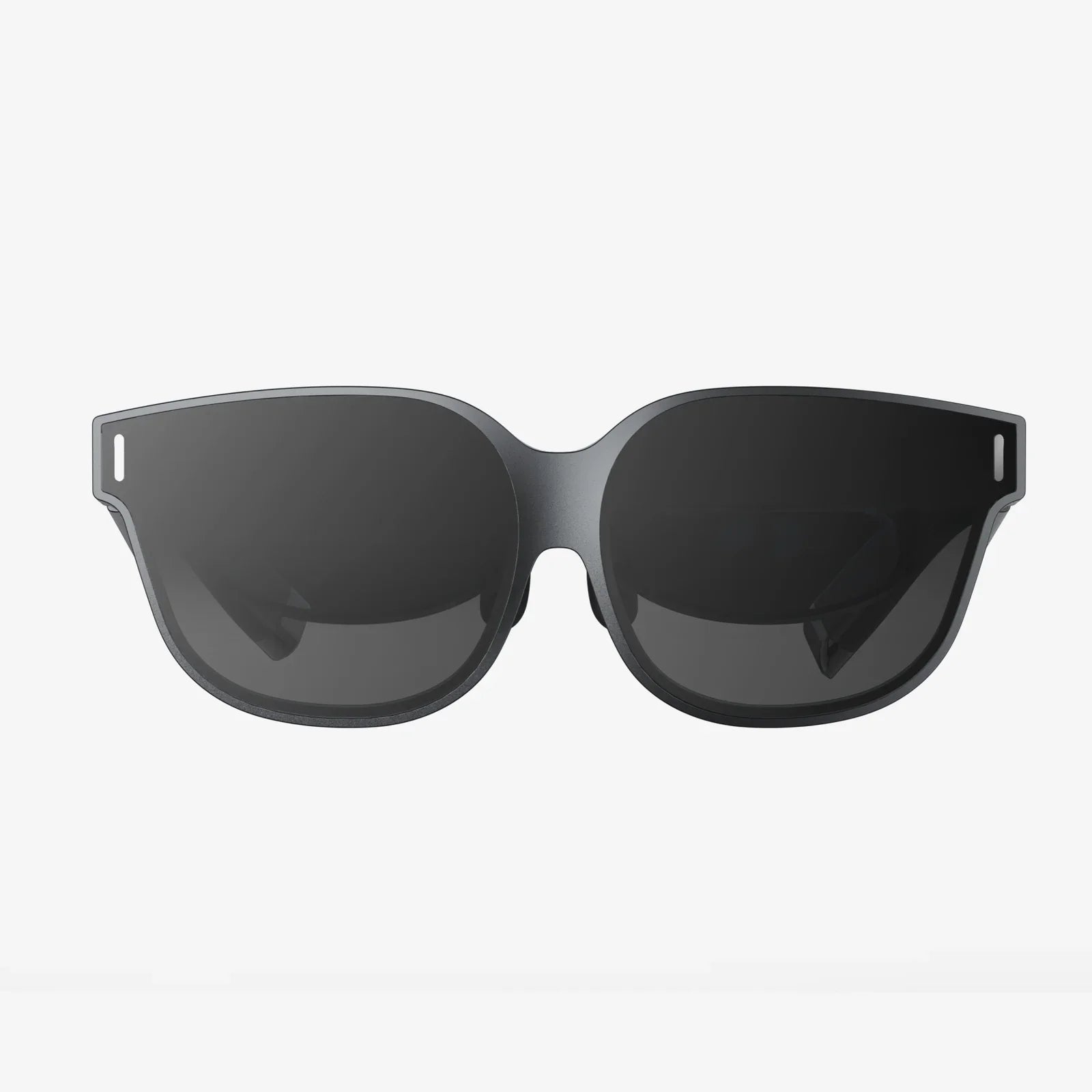
Imagine this: you’re in the most critical meeting of the quarter, presenting a groundbreaking strategy to a room full of executives. Your argument is flawless, your data is impeccable. But just as you reach the crescendo of your pitch, a jarring, high-pitched whine screeches through your audio feed. "Sorry," you mutter, fumbling with your device, "I’m not sure what’s happening." The moment is lost, your professional veneer is cracked, and all anyone will remember is the technical glitch. In the hyper-connected, remote-first world of 2025, your audio equipment is not just an accessory; it is your handshake, your eye contact, your conference room. It is the very foundation of your professional presence. Settling for anything less than the best is a gamble with your credibility. The quest for the best headphones for virtual meetings is no longer about mere convenience; it’s a strategic imperative for career success.
The 2025 Audio Landscape: More Than Just a Microphone
The evolution of headphone technology has accelerated at a breathtaking pace. What was once a simple peripheral for listening to music has been transformed into a sophisticated communication hub. In 2025, the best headphones for virtual meetings are defined by a suite of intelligent features working in concert to create a seamless, immersive, and distraction-free auditory experience.
Gone are the days of simply looking for a decent mic. Today’s top-tier models are equipped with advanced multi-microphone arrays, powerful onboard processors, and machine learning algorithms that actively sculpt sound in real-time. They don’t just transmit your voice; they purify it, isolating your speech from the chaotic symphony of everyday life—be it the roar of a lawnmower, the clatter of a busy kitchen, or the sudden bark of a family pet.
Decoding the Essential Features: Your 2025 Buying Checklist
Navigating the market requires a clear understanding of what truly matters. Here are the non-negotiable features that separate the exceptional from the ordinary in the realm of the best headphones for virtual meetings.
1. AI-Powered Adaptive Noise Cancellation (ANC)
Noise cancellation is no longer a binary on/off switch. The leading technology in 2025 is Adaptive ANC. Using a combination of external and internal microphones, these systems continuously scan your acoustic environment and adjust the level of cancellation instantaneously. This means if a sudden noise occurs, the headphones react before it disrupts your call. More importantly, many premium models now offer specialized Conversation Awareness or Transparency Mode. When you start speaking, these modes automatically lower your music or podcast and amplify voices around you, allowing you to interact with a colleague in the room without ever removing your headset—a crucial feature for hybrid work environments.
2. Beamforming Microphone Arrays with Voice Isolation
This is the heart of meeting clarity. A single microphone is easily overwhelmed. The best headphones employ an array of three, four, or even more mics. Using beamforming technology, they create a precise "zone of focus" around your mouth. Advanced algorithms then work to capture sound primarily from this zone while applying aggressive noise suppression to sounds coming from other directions. In 2025, this has evolved into true Voice Isolation, which can digitally remove consistent background noises like keyboard clicks, fan hums, and air conditioning drones with stunning efficacy, ensuring your voice is transmitted with pristine, broadcast-quality clarity.
3. All-Day Comfort and Ergonomic Design
A feature is useless if the headphone is too uncomfortable to wear. With back-to-back meetings defining the modern workday, comfort is paramount. Look for lightweight materials, plush, breathable ear cups (often made from memory foam wrapped in protein leather or velour), and a headband with minimal clamping force. The ergonomics should feel like a natural extension of yourself, forgotten until needed. For some, this may mean an over-ear design that fully envelops the ear; for others, a lightweight on-ear or even a premium, open-ear bone conduction model might be preferable for all-day wear, trading some noise isolation for superior situational awareness and comfort.
4. Superior Sound Quality for Listening
While the microphone is for others, the speakers are for you. The best headphones for virtual meetings must also excel at audio playback. Fatigue from tinny, compressed audio is real. High-quality drivers that deliver a balanced, clear, and rich soundscape are essential for listening to presentations, training videos, or for providing a mental reset with music between calls. A flat, accurate response is often preferable to a heavy, exaggerated bass, as it prevents listener fatigue over long periods.
5. Seamless Multi-Point Connectivity
The modern professional doesn’t live on a single device. You might be taking a call on your laptop while monitoring notifications on your phone. The best 2025 headphones can connect to two or more devices simultaneously and switch between them intelligently. If a call comes in on your phone while you’re listening to audio on your computer, the headphones will pause the computer audio and ring the call through automatically. This seamless integration is a cornerstone of efficient workflow and eliminates the frustrating ritual of manually disconnecting and reconnecting between devices.
6. Marathon Battery Life and Rapid Charging
Battery anxiety has no place in a critical workday. The benchmark for the best headphones is now well over 30 hours of continuous use with ANC activated. Furthermore, USB-C fast charging is a standard expectation, often offering 3-5 hours of usage from a mere 5-15 minute charge—a lifesaver when you forget to plug in overnight before a day full of meetings.
Choosing Your Form Factor: A Matter of Philosophy
The debate between wired and wireless, and between different styles, is ultimately about personal preference and use case.
Wireless Freedom vs. Wired Reliability
Wireless models, utilizing modern Bluetooth protocols, offer unparalleled freedom of movement. The absence of a cable means no snagging, no tangling, and the ability to stand, stretch, or grab a document across the room without interrupting your call. However, purists may still argue for a wired USB-C connection for its guaranteed zero-latency, zero-compression audio and the fact it never needs charging. For most, the convenience and quality of modern wireless technology make it the preferred choice.
Over-Ear, On-Ear, or Open-Ear?
- Over-Ear: Generally offer the best noise isolation, largest drivers for superior sound, and greatest comfort for extended wear due to their plush, encompassing ear cups.
- On-Ear: More compact and portable, but often exert more pressure on the ears and provide less effective passive noise isolation.
- Open-Ear (Bone Conduction): A growing category that doesn’t cover the ears at all. They sit in front of the ear and transmit sound through the cheekbones. Their key advantage is total situational awareness and comfort, as your ears remain completely open. The trade-off is significantly less audio privacy and no noise isolation, making them unsuitable for noisy environments.
Future-Proofing Your Investment: The 2025 Considerations
Technology does not stand still. When investing in a premium pair of headphones, it’s wise to consider their longevity.
- Software Updates: Choose models from manufacturers known for providing firmware updates that can add new features, improve performance, and patch security vulnerabilities over time.
- Spatial Audio & Immersive Meetings: As video conferencing platforms begin to integrate more sophisticated spatial audio (simulating sound coming from different directions based on who is speaking), headphones that support these codecs will provide a more natural and less fatiguing meeting experience.
- AI Assistant Integration: Deep integration with voice assistants can allow for voice-controlled meeting actions ("join meeting," "mute me") or real-time transcription and translation, breaking down language barriers in global teams.
Beyond the Hardware: Cultivating Your Professional Audio Presence
The best headphones are a tool, but mastery comes from how you use them. A few simple practices can elevate your presence further:
- Find Your Quiet Zone: Even the best noise cancellation has limits. Position yourself in the quietest area possible to give the technology the best raw material to work with.
- Mind Your Mic Position: Ensure the microphone is positioned correctly, typically a finger's width from the corner of your mouth, to ensure optimal voice pickup.
- Test and calibrate: Use your conferencing software’s audio setup wizard to test your levels. You should be heard clearly without peaking or distortion.
The remote work revolution has permanently altered the fabric of professional communication. In this new landscape, your voice is your most valuable asset. The best headphones for virtual meetings in 2025 are not an indulgence; they are the most critical piece of technology on your desk. They are the difference between being perceived as a distracted participant and a focused, professional collaborator. They are the tool that ensures your ideas are heard exactly as you intended—with clarity, confidence, and without the distracting soundtrack of the outside world. Investing in a pair that excels in clarity, comfort, and intelligence is an investment in your productivity, your sanity, and ultimately, your professional reputation. Don’t just join the meeting—command it.
Share:
Best Augmented Reality Headsets Under $500 2025: The Ultimate Buyer's Guide
What Is a Virtual Office? The Definitive Guide to the Modern Business Solution