


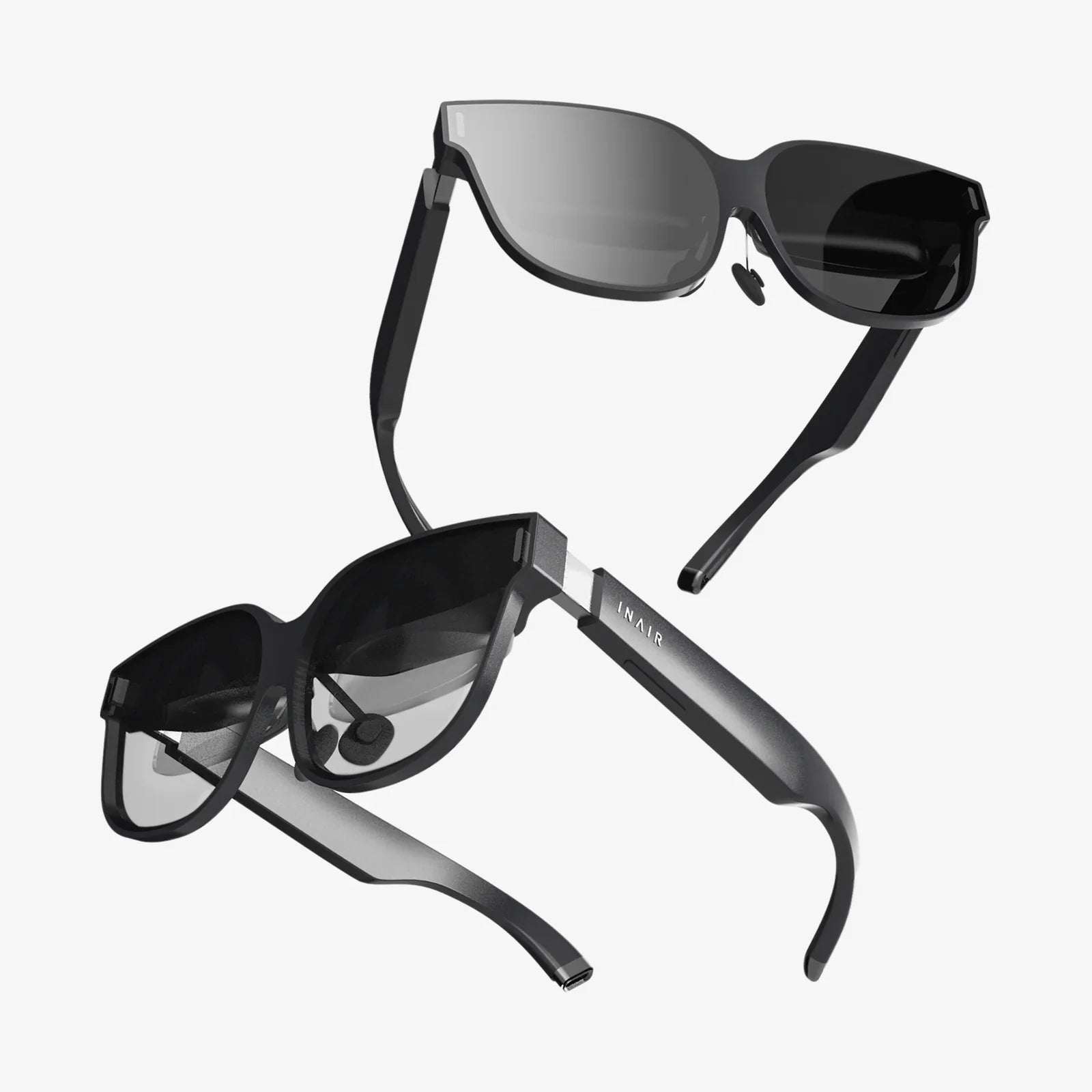
Imagine slipping on a device and being instantly transported to another world, a digital realm so crisp, so responsive, and so utterly convincing that the line between reality and simulation begins to blur. This is the promise of the best high-end VR headset, a gateway not just to games, but to new ways of working, creating, and connecting. The pursuit of this perfect immersive experience is what drives the premium segment of the virtual reality market, a category defined not by cost, but by an uncompromising commitment to technological excellence. If you're seeking the absolute pinnacle of what virtual reality has to offer, a device that prioritizes fidelity, comfort, and performance above all else, then you are in the realm of the high-end. This journey will guide you through the critical pillars that separate the extraordinary from the merely ordinary.
The Crown Jewel: Unparalleled Visual Fidelity
At the heart of any elite virtual reality experience lies the display. This is the window into the virtual world, and on a high-end headset, this window is spotlessly clean and breathtakingly vast. We are far beyond the days of the "screen door effect," where users could discern the faint grid of pixels between them and the experience. The best high-end VR headsets employ state-of-the-art optics and panels to deliver a visual experience that is nothing short of stunning.
The key metrics here are resolution and pixel density. A higher resolution means more pixels are packed into the viewable area, drastically reducing blurriness and making text sharp and environments richly detailed. But resolution is only part of the story. The type of panel technology is equally crucial. Modern high-end devices often utilize advanced LCD or OLED screens that offer vibrant colors, deep blacks, and excellent contrast ratios, making virtual worlds feel alive and dynamic.
Furthermore, the optical stack—the lenses through which you view these panels—is a critical differentiator. Premium headsets frequently feature sophisticated pancake lenses, a revolutionary design that allows for a much thinner and lighter headset form factor while simultaneously providing a larger sweet spot and edge-to-edge clarity. This means you don't have to constantly readjust the headset to find the perfect focus; the entire field of view remains sharp, enhancing comfort and immersion during long sessions.
The Imperative of Performance: Power and Refresh Rates
A beautiful display is worthless if the world it's presenting is stuttering, lagging, or tearing. Performance is the engine of immersion, and high-end VR headsets are designed to be paired with equally high-end computing hardware to deliver a flawlessly smooth experience. The most critical performance metric is the refresh rate, measured in Hertz (Hz).
Standard headsets often operate at 90Hz, but the best high-end models push this to 120Hz or even 144Hz. A higher refresh rate means the image updates more frequently each second, resulting in dramatically smoother motion. This is essential for fast-paced action games, as it makes tracking enemies and reacting quickly feel more natural. Perhaps more importantly, it significantly reduces the potential for motion sickness, a common barrier to VR adoption. The combination of high resolution and high refresh rate demands immense graphical power, underscoring that these devices are built for users with top-tier computing setups.
This performance extends beyond the visuals to the critical domain of tracking. The best systems offer inside-out tracking with a multitude of cameras, ensuring that every subtle movement of your head and controllers is captured with pinpoint accuracy and minimal latency. There is no perceptible delay between your real-world actions and their virtual counterparts, which is fundamental for maintaining the illusion of presence.
The Unseen Hero: Engineering for Comfort and Audio
You can have the most powerful headset in the world, but if it's a pain to wear, it will gather dust on a shelf. High-end VR design places a massive emphasis on ergonomics and long-term comfort. This involves a meticulous balance of weight distribution, materials, and adjustability.
Elite headsets often counterbalance the front-heavy display unit with a rigid, ergonomic strap system that cradles the back of the skull. This design, sometimes featuring a rotating dial for secure tightening, shifts the weight from the face to the crown of the head, alleviating pressure on the cheeks and brow. Premium materials like plush, breathable memory foam for the facial interface and soft, moisture-wicking straps further enhance comfort, allowing for multi-hour sessions in productivity, social apps, or epic gaming adventures without discomfort.
Immersive audio is the other half of this sensory equation. While some headsets rely on external headphones, the best integrated solutions feature high-quality, built-in spatial audio drivers. Positioned slightly off the ear, these speakers deliver convincing 3D soundscapes that make you feel like sounds are emanating from specific points in the virtual space around you—a crucial cue for situational awareness and immersion. This open-ear design also allows you to remain aware of your real-world surroundings when desired, blending the two realities seamlessly.
Beyond the Hardware: The Ecosystem and Experience
A headset does not exist in a vacuum. Its value is deeply intertwined with the software ecosystem and the overall user experience it provides. A high-end headset is a platform, a gateway to a curated world of content and interaction.
This includes access to robust digital storefronts filled with premium, graphically intensive titles designed to showcase the hardware's capabilities. It also encompasses sophisticated social platforms where users can meet, interact, and collaborate in shared virtual spaces with stunning visual fidelity. The user interface itself is a part of this experience; it should be intuitive, responsive, and feel like a natural extension of the virtual environment, not a clunky menu system bolted on as an afterthought.
Furthermore, the best platforms are committed to forward compatibility and continuous software innovation. They receive regular updates that add new features, improve performance, and expand functionality, ensuring your investment remains at the cutting edge for years to come.
The Final Consideration: Defining Your High-End
Choosing the best high-end VR headset is ultimately a personal decision that hinges on your individual priorities and technical setup. There is no single "best" for everyone, but rather a "best for you." Are you a competitive gamer for whom every millisecond of latency and every degree of field-of-view matters most? Or are you a creative professional or social user who values pixel-perfect clarity, comfortable extended use, and a seamless integrated experience above raw performance metrics?
Perhaps your priority is untethered freedom, seeking a premium standalone experience that still delivers impressive power. The high-end market now offers compelling options across these categories, each with its own strengths and compromises. The key is to understand the pillars of premium VR—visual fidelity, performance, comfort, audio, and ecosystem—and weigh them against your own needs. By doing so, you move beyond marketing claims and specifications sheets and focus on the only thing that truly matters: the quality of the experience you will have inside the headset.
The quest for the ultimate virtual reality experience is a pursuit of perfection, a drive to close the final gaps between our reality and the ones we create. The best high-end VR headset available today is not merely a piece of consumer electronics; it is a meticulously engineered portal, a testament to how far immersive technology has come. It offers a glimpse into a future where virtual spaces are indistinguishable from physical ones, empowering us to play, work, and explore in ways previously confined to science fiction. Your ticket to these breathtaking new frontiers awaits, promising an escape into worlds limited only by imagination.
Share:
How to Work a VR Headset: Your Ultimate Guide to Virtual Reality
Android Glasses: The Future of Personal Computing Is on Your Face