


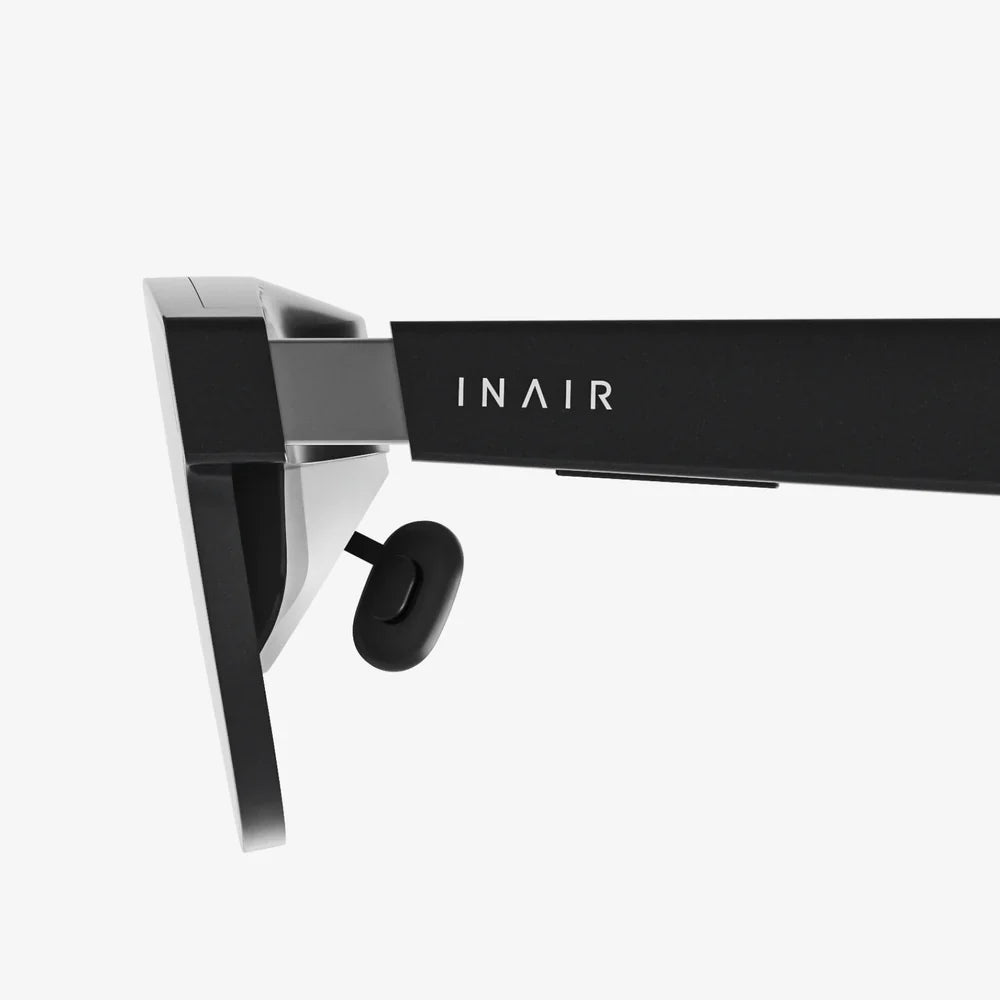
Imagine a world where digital information seamlessly overlays your physical reality, accessible without ever looking down at your hand. This isn't a distant sci-fi fantasy; it's the present and future being built today with smart glasses. The quest for the best value smart glasses isn't just about finding the cheapest pair—it's a journey to discover the perfect synergy of advanced technology, practical utility, and enduring quality that justifies every penny spent. It's about investing in a device that enhances your daily life, boosts your productivity, and unlocks new ways to experience the world around you, all without breaking the bank. The market is evolving at a breathtaking pace, moving from niche gadget to mainstream accessory, and understanding what constitutes true value is the key to unlocking its potential.
Deconstructing "Value" in the Smart Glasses Arena
When we hunt for the best value in any tech product, our minds often jump directly to the lowest price. However, true value is a far more nuanced equation. In the context of smart glasses, value is the sum of functionality, build quality, user experience, and longevity divided by the total cost of ownership. A pair priced significantly higher might offer such a superior experience and feature set that its cost-per-use over several years makes it a better value than a cheaper, less capable alternative that ends up forgotten in a drawer. It's about identifying which features are essential for your specific needs and which are superfluous additions that inflate the price without delivering proportional benefits.
The Core Technologies Powering Modern Smart Glasses
To assess value, one must first understand the engine under the hood. The magic of smart glasses is delivered through a combination of sophisticated technologies.
Optical Display Systems: The Window to Augmented Reality
This is the heart of the device. How digital images are projected into your field of view varies significantly and dramatically impacts both cost and experience.
- Waveguide Technology: Considered the gold standard for a true augmented reality experience. Waveguides use microscopic gratings on a transparent lens to bend light from a projector on the temple into your eye. This allows for a relatively large digital image to appear floating in your natural field of view while keeping the glasses form factor slim and socially acceptable. This technology is more complex and expensive but offers the most immersive experience.
- Curved Mirror Combiner (Birdbath): A more common approach in consumer-grade devices. A small projector reflects light off a beamsplitter and onto a curved combiner mirror, which then directs it into the eye. This can create bright, colorful images but often results in a slightly bulkier design compared to waveguides.
- LED Array Displays: Found on more basic models, these don't project a full AR image but instead use simple LEDs or micro-displays to show monochrome or basic color information like notifications, time, or battery life in the corner of the lens. This is a low-cost, low-power solution for essential alerts.
Audio Solutions: Private Sound in Public Spaces
Since looking at a screen is often not involved, audio is a primary method of interaction.
- Bone Conduction: Transducers vibrate against the bone of your skull, particularly near the temples, to transmit sound directly to your inner ear. This leaves your ear canals completely open, allowing you to hear your surroundings clearly—a critical safety feature for outdoor use. The audio quality has improved dramatically, offering richer sound than earlier versions.
- Open-Ear Speakers: Tiny directional speakers are housed in the temples, positioned to beam sound directly into your ears without the need for tips or pads. Like bone conduction, this keeps you aware of ambient noise. The quality can be excellent, though there is a higher potential for sound leakage in very quiet environments.
Processing Power and Connectivity
Smart glasses are not just dumb displays; they are full-fledged computers. They contain a System-on-a-Chip (SoC) similar to those found in smartphones, which handles everything from processing camera data to running AI algorithms for voice commands. Seamless connectivity via Bluetooth to your smartphone is a given, acting as a modem and providing access to a wider app ecosystem. Some advanced models also feature standalone Wi-Fi and cellular connectivity.
The Essential Feature Checklist for Value Seekers
Armed with knowledge of the underlying tech, you can now evaluate which features deliver the most bang for your buck. The best value smart glasses will excel in these core areas without unnecessary bloat.
1. Display Clarity and Field of View (FoV)
A bright, clear, and legible display is non-negotiable. You shouldn't have to strain your eyes to read text or see an icon. The Field of View, measured in degrees, determines how large the digital image appears. A larger FoV is more immersive but also more technically challenging and expensive. For most users, a balance is key—enough FoV to be useful for maps or instructions, without demanding a cinematic experience at a premium price.
2. Battery Life and Practical Usage
There's nothing valuable about glasses that die halfway through your day. Look for devices that promise a full day of typical use (e.g., 4-6 hours of active use with display and audio, extending to a full day with intermittent use). The charging solution matters too. A proprietary magnetic charger is convenient, but a universal USB-C port offers greater flexibility if you forget your cable. Some frames even allow for hot-swappable batteries, a huge boon for power users.
3. Audio Fidelity and Microphone Performance
If you plan to take calls or listen to music, audio quality is paramount. The speakers or bone conduction transducers should provide clear, distortion-free sound at reasonable volumes. Equally important are the microphones. Most models use beamforming microphone arrays to isolate your voice from background noise like wind or crowd chatter. This ensures the person on the other end of your call hears you clearly, making the glasses a legitimate tool for communication.
4. Design, Comfort, and Social Acceptability
The best technology is useless if you don't want to wear it. The frame should be lightweight, comfortable for extended periods, and well-balanced to avoid pressure points. Just as crucially, they should look good. The most valuable smart glasses are those that resemble high-quality regular eyewear, not clunky tech prototypes. The closer they get to a normal pair of glasses, the more often you'll wear them, and the more value you'll extract.
5. Software Ecosystem and App Support
The hardware is only half the product. The accompanying software and app ecosystem define its capabilities. A robust companion app for your phone should allow for easy setup, customization of display widgets, and firmware updates. Support for major platforms like iOS and Android is essential. Furthermore, an open SDK (Software Development Kit) that encourages third-party developers to build apps ensures your glasses won't become obsolete and will gain new functionality over time.
Identifying Your Primary Use Case: The Value Compass
Value is intensely personal. A feature that is indispensable for one person might be worthless to another. Defining your primary use case is the most critical step in finding your best value match.
The Productivity Power User
If you live in spreadsheets, Slack, and calendar invites, your value equation centers on efficiency. Your ideal glasses feature a high-resolution display for reading long emails or documents hands-free, exceptional microphone quality for crystal-clear calls, and deep integration with your productivity suite. Multitasking—like following a recipe while cooking or viewing instructions while repairing something—is where they truly shine. For you, value is measured in saved time and reduced friction.
The Fitness and Outdoor Adventurer
For runners, cyclists, and hikers, value is defined by durability, awareness, and convenience. Your priority is a secure, sporty fit that won't slip with sweat. Bone conduction or open-ear audio is mandatory to hear traffic and your surroundings. Key data like pace, heart rate, or navigation directions displayed in your periphery is incredibly valuable, allowing you to keep your phone tucked away. Battery life to last your longest adventures and resilience against the elements (sweat/weather resistance) are key value indicators.
The Media Consumer and Tech Enthusiast
If you dream of a personal theater floating in front of your eyes, your value assessment leans towards display quality and immersion. A larger field of view, high resolution, and rich color reproduction are your top metrics. While watching video on a small display might not replace your home theater, the ability to watch a movie on a plane or play a mobile game in a novel way offers a unique form of value based on entertainment and novelty.
The Accessibility Seeker
Here, value is transformative. For individuals with certain visual or hearing impairments, smart glasses can offer profound benefits. Real-time captioning of conversations displayed on the lenses can be a lifeline for the hard of hearing. Magnification and contrast enhancement tools can aid those with low vision. In this context, the value isn't just convenience; it's increased independence and connection to the world, making the investment profoundly worthwhile.
Navigating the Price Spectrum
The smart glasses market is stratified into distinct tiers, each offering a different value proposition.
Entry-Level (Budget-Conscious Value)
This tier focuses on core functionality: notifications, basic audio, and simple voice commands. They often use LED displays and prioritize a lightweight, discreet design. The value here is in dipping your toes into the technology without a significant financial commitment. They are perfect for someone who wants to disconnect from their phone screen for notifications and music during a workout or commute.
Mid-Range (The Sweet Spot for Most)
This is where the best overall value often resides. This tier typically features color displays (often using birdbath optics), good open-ear audio, solid microphone arrays for calls, and a design that closely mirrors traditional eyewear. They handle productivity, media, and fitness competently without excelling at any one extreme. They represent the perfect balance of performance, features, and price, offering a tremendous amount of utility for the daily lives of most users.
High-End (Cutting-Edge Experience)
This premium tier is for those who prioritize performance and immersion above all else. Here you'll find advanced waveguide displays with the widest fields of view, the most powerful processors, and often standalone connectivity. The value proposition is for developers, enterprise users (for field service and training), and early adopters who want the absolute best and most capable AR experience available today, regardless of cost.
The Intangible Elements of Value
Beyond the spec sheet, several other factors contribute to the long-term value of your purchase.
Durability and Build Quality
A pair of glasses made from cheap plastics with loose hinges will feel like a poor value, even if they were inexpensive. Look for materials like flexible nylon, quality acetates, and sturdy metal components. Good build quality means your investment is protected and the product will last for years.
Software Support and Update Longevity
The company behind the glasses must be committed to improving them. Regular software updates that fix bugs, improve performance, and add new features are a huge value add. A product abandoned by its developer shortly after launch is a poor value, no matter its initial price.
Warranty and Customer Support
A strong warranty policy and responsive, helpful customer support provide peace of mind. Knowing you're covered if something goes wrong is an important part of the product's value equation.
Privacy and Data Security
Given that these devices often have cameras and microphones, a clear and transparent privacy policy is crucial. Understanding how your data is collected, used, and stored is part of being a responsible consumer. A company that prioritizes user privacy adds immense value to its product.
The journey to find the best value smart glasses culminates not in a single product name, but in a perfectly aligned set of personal criteria. It’s the profound satisfaction of slipping on a pair that feels like a natural extension of yourself—enhancing your capabilities without intruding on your life. The true value reveals itself in those seamless moments: effortlessly taking a call while your hands are busy, following a map without stumbling over your phone, or simply being more present in the real world while staying connected to the digital one. This isn’t just about purchasing a gadget; it’s about investing in a new way of seeing and interacting with everything around you, making the search for the right pair one of the most rewarding tech decisions you can make today.
Share:
AR Learning: Revolutionizing Education Through Digital Overlays
Wearables Development: Engineering the Next Generation of On-Body Intelligence