


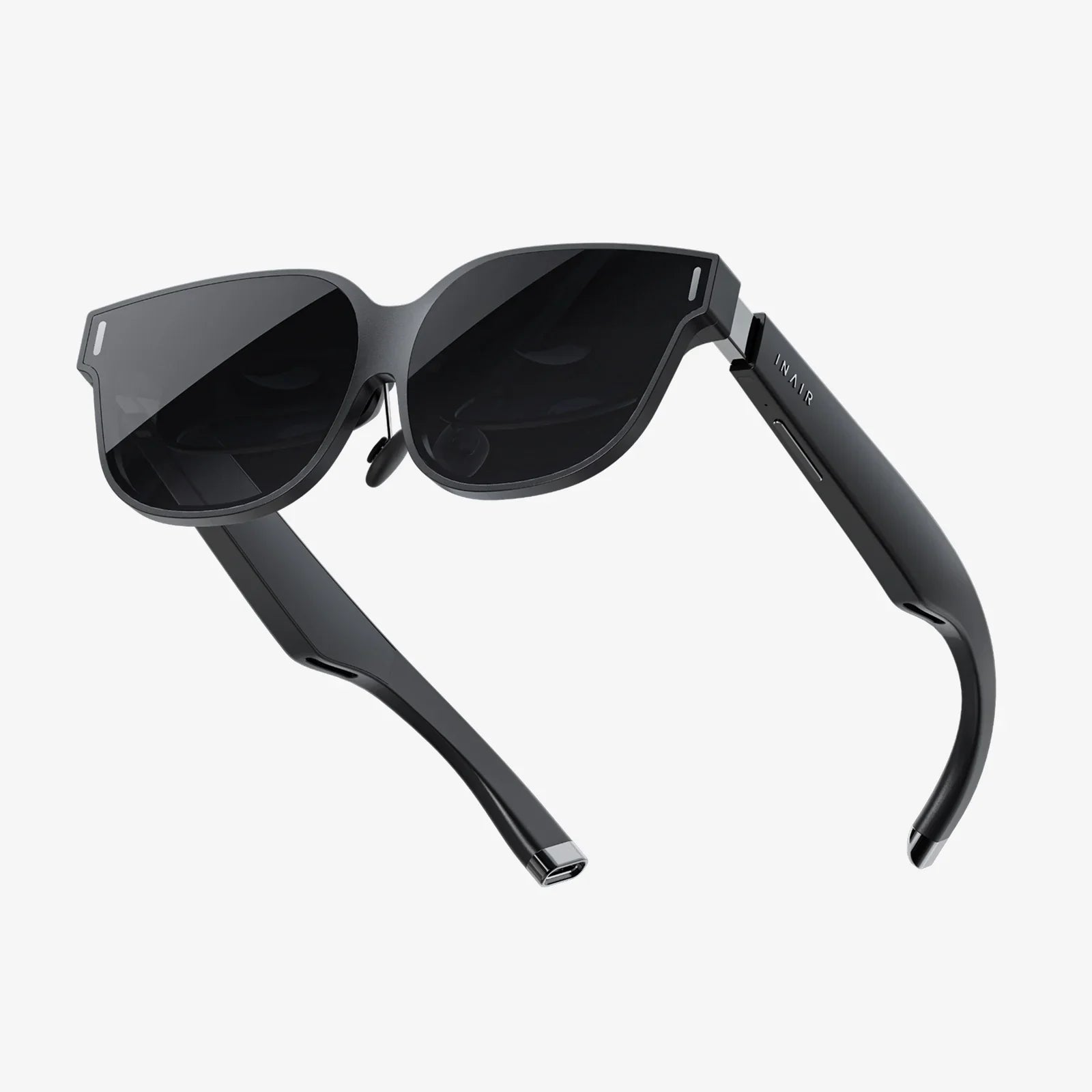
Imagine the lights dimming, the surround sound swelling, and finding yourself not in a row of stadium seating, but in a private, infinite-screen IMAX theater, on the moonbase observation deck, or even nestled comfortably in your favorite fictional universe. This isn't a scene from a sci-fi novel; it’s the reality offered by today's virtual reality technology for cinephiles. The quest for the best VR glasses for movies is about more than just gadgetry; it's about fundamentally redefining the very concept of home cinema, transforming a passive viewing activity into an active, immersive event. The potential is staggering, promising a personal theater experience that rivals, and in some ways surpasses, any commercial multiplex. But with a growing market of devices, navigating the specs and features to find your perfect cinematic portal requires a clear guide. This deep dive will illuminate the path, exploring the critical factors that separate a mediocre movie session from a truly transcendent one.
The Allure of the Virtual Cinema: Why Watch Movies in VR?
Before dissecting the hardware, it's essential to understand the compelling reasons to strap a screen to your face in the first place. The advantages extend far beyond mere novelty.
The Ultimate Big Screen Experience: The most obvious benefit is sheer scale. Even the most massive 85-inch 8K television is constrained by the physical walls of your room. A high-quality virtual reality headset can project a screen that feels 100, 200, or even 300 feet wide, all without requiring a dedicated media room. You control the environment, the size, and the perceived distance, creating a perfectly calibrated image that fills your entire field of view.
Complete Immersion and Focus: In our daily lives, distractions are constant: a phone notification, a passing car, a family member asking a question. A VR headset acts as a sensory deprivation chamber for visual and auditory stimuli. When you're inside a movie, you are truly inside it. There's nothing to pull your attention away from the director's vision, allowing you to appreciate subtle details, nuanced performances, and intricate sound design in a way that's nearly impossible in a typical living room setup.
Revolutionized 3D Experiences: Remember the brief resurgence of 3D televisions and movies? For many, the experience was underwhelming—dark pictures, cheap glasses, and minimal depth. VR completely changes the game. Since each eye has its own dedicated high-resolution display, 3D effects are incredibly sharp, bright, and profound. The depth feels natural and integrated, pulling you into the world rather than just having objects occasionally pop out at you. It is, without exaggeration, the best way to watch 3D content at home, bar none.
Customizable Environments: Bored of your living room? Change it. Many VR cinema applications allow you to choose your viewing environment. Watch a horror film in a gothic castle, a comedy in a sunny virtual beach house, or a sci-fi epic from the bridge of a starship. This ambient setting adds a unique layer of thematic resonance to your viewing session.
Deconstructing the Experience: Key Features to Prioritize
Not all headsets are created equal, especially when the primary use case is consuming high-quality video content. Several technical specifications move from being mere numbers on a spec sheet to the very foundation of your enjoyment.
Display and Visual Fidelity: The Window to Your Virtual World
This is arguably the most critical category. A poor display will ruin the experience faster than anything else.
- Resolution and Pixels Per Degree (PPD): While manufacturers tout their "per-eye" resolution (e.g., 1832x1920), a more important metric is Pixels Per Degree (PPD). This measures how many pixels are packed into one degree of your field of view, directly determining sharpness and clarity. A higher PPD means you won't see the "screen door effect" (the visible gaps between pixels), and text will be crisp. For movies, aim for a headset with a high aggregate resolution and a PPD of over 20 as a minimum; higher is dramatically better.
- Lens Quality: The lenses are what focus the display panels for your eyes. Cheap fresnel lenses can cause god rays (blurry glare around high-contrast elements) and have a small "sweet spot" where the image is clear, requiring constant adjustment. Premium pancake lenses offer edge-to-edge clarity, drastically reduce glare, and provide a much more consistent and comfortable image, which is crucial for long viewing sessions.
- Refresh Rate: A higher refresh rate (90Hz and above) ensures smooth motion, preventing judder during panning shots or fast action sequences. This contributes significantly to visual comfort, reducing eye strain.
- Color Gamut and Contrast: For rich, vibrant, and true-to-life colors, look for displays that support a wide color gamut like DCI-P3. Contrast ratio, often delivered best by OLED-based displays, is vital for deep, inky blacks. In a space movie or a darkly lit thriller, good black levels prevent the image from looking washed out and grey, preserving the intended mood and detail in shadows.
Comfort and Form Factor: The Forgotten Hero
You can have the best display in the world, but if the headset is too heavy, poorly balanced, or gets hot after 20 minutes, you'll never use it to finish a two-hour film.
- Weight Distribution: A well-designed headset uses a counter-balancing battery pack at the back (if standalone) or a rigid strap system to evenly distribute weight across your head, not just on your face. This prevents pressure on your cheeks and nose.
- Facial Interface: The material that touches your face should be soft, breathable, and easily replaceable or cleanable. PU leather is common but can cause sweating; many prefer a cloth or silicone interface.
- IPD Adjustment: Inter-Pupillary Distance is the space between your pupils. A physical IPD adjustment (sliding the lenses) is superior to a software adjustment, as it mechanically aligns the lenses with your eyes, maximizing the sweet spot, improving clarity, and reducing eye strain.
Audio: Half of the Experience
Sound is just as important as picture. Most headsets take one of two approaches:
- Integrated High-Quality Speakers: Some modern headsets feature directional speakers that hover just off the ear. They provide excellent spatial audio and situational awareness (you can still hear your doorbell) while offering a rich, shared sound experience. The quality of these has improved dramatically.
- 3.5mm Headphone Jack: The gold standard for audiophiles. This allows you to use your own high-end wired headphones for the absolute best in personal audio fidelity and noise isolation, fully immersing you in the film's soundtrack.
Built-in microphones are generally irrelevant for movie watching but are a key feature for social viewing and gaming.
Content and Media Player Ecosystem
Your hardware is useless without great software to drive it. The availability of media player apps and content platforms is paramount.
- Dedicated VR Media Players: Apps like Bigscreen, Skybox VR Player, and others are essential. They don't just play video files; they provide the virtual environments, social features, and crucially, the ability to play a wide range of formats including 3D, 180°, and 360° videos with correct distortion profiles.
- Streaming Services: Native apps for major streaming platforms are a huge convenience. The ability to launch a service directly within the headset simplifies the process immensely.
- Codec Support: Ensure the platform can handle high-bitrate files, including h.265/HEVC, which is common for 4K HDR content, without stuttering.
Convenience and Usability
- Standalone vs. Tethered: Standalone headsets offer incredible convenience—pick up and play anywhere with no wires. This freedom is fantastic for movie watching, allowing you to sit in any chair or even lie in bed without worrying about cables. Tethered headsets, connected to a powerful computer, can sometimes deliver the absolute peak in visual fidelity for those with high-end PCs, but at the cost of being anchored to one spot.
- Passthrough Mode: A good color passthrough camera allows you to see your real-world environment without removing the headset. This is invaluable for grabbing a drink or snack, adjusting your position, or checking your phone without interrupting your movie.
Navigating the Trade-Offs: Finding Your Perfect Match
There is no single "best" headset for everyone; it's a series of trade-offs based on your priorities and budget.
The Budget-Conscious Cinephile: Options exist that prioritize core media consumption features—a decent screen, basic comfort, and a strong app ecosystem—while cutting back on high-end gaming performance and premium materials. These are fantastic entry points to experience VR cinema.
The Practical User: This user values convenience above all. A lightweight, wireless standalone headset with a long battery life (long enough to finish the longest director's cut) and simple, intuitive controls wins here. Easy access to streaming services is a major plus.
Setting Up Your Virtual Theater for Success
Owning the hardware is only step one. Optimizing your setup is step two.
- Content Source: For the best quality, watch high-bitrate files. A 4K HDR file will look significantly better than a heavily compressed 1080p stream. Consider setting up a media server.
- Lighting: Even in VR, controlling your real-world lighting can help. A dimly lit room prevents light bleed around the nose guard and improves the perceived contrast of the headset's display.
- Seating: Use a swivel chair without arms for maximum flexibility to look around your virtual environment, or a comfortable recliner for a more traditional "lean back" experience.
- Wi-Fi: If streaming, a strong 5GHz Wi-Fi connection is essential for smooth playback of high-resolution content without buffering.
The Future of Cinematic VR
The technology is already incredible, but it's still evolving. We can expect future iterations to become even lighter, with resolutions approaching retinal clarity, and even more sophisticated HDR support for breathtaking dynamic range. Haptic feedback vests and accessories may one day let you feel the rumble of a spaceship's engine or the tension in a dramatic score. The line between viewer and participant will continue to blur.
The journey to find the best VR glasses for movies is a personal one, a balance of technical prowess and subjective comfort. It asks you to weigh the raw numbers of resolution against the feel of the headstrap, the brilliance of the display against the simplicity of the interface. But the reward for navigating these choices is immense: a limitless, personal, and profoundly immersive cinema that fits on your head. It unlocks a new way to not just watch stories, but to experience them, to be surrounded by them, and to connect with them on a deeper level than ever before. Your favorite film is waiting for you, and it has never looked—or felt—quite like this.
Share:
Augmented Reality (AR) Definition: The Ultimate Guide to the Digital Overlay Reshaping Our World
Prescription Gaming Glasses: The Ultimate Tool for Enhanced Performance and Eye Comfort