


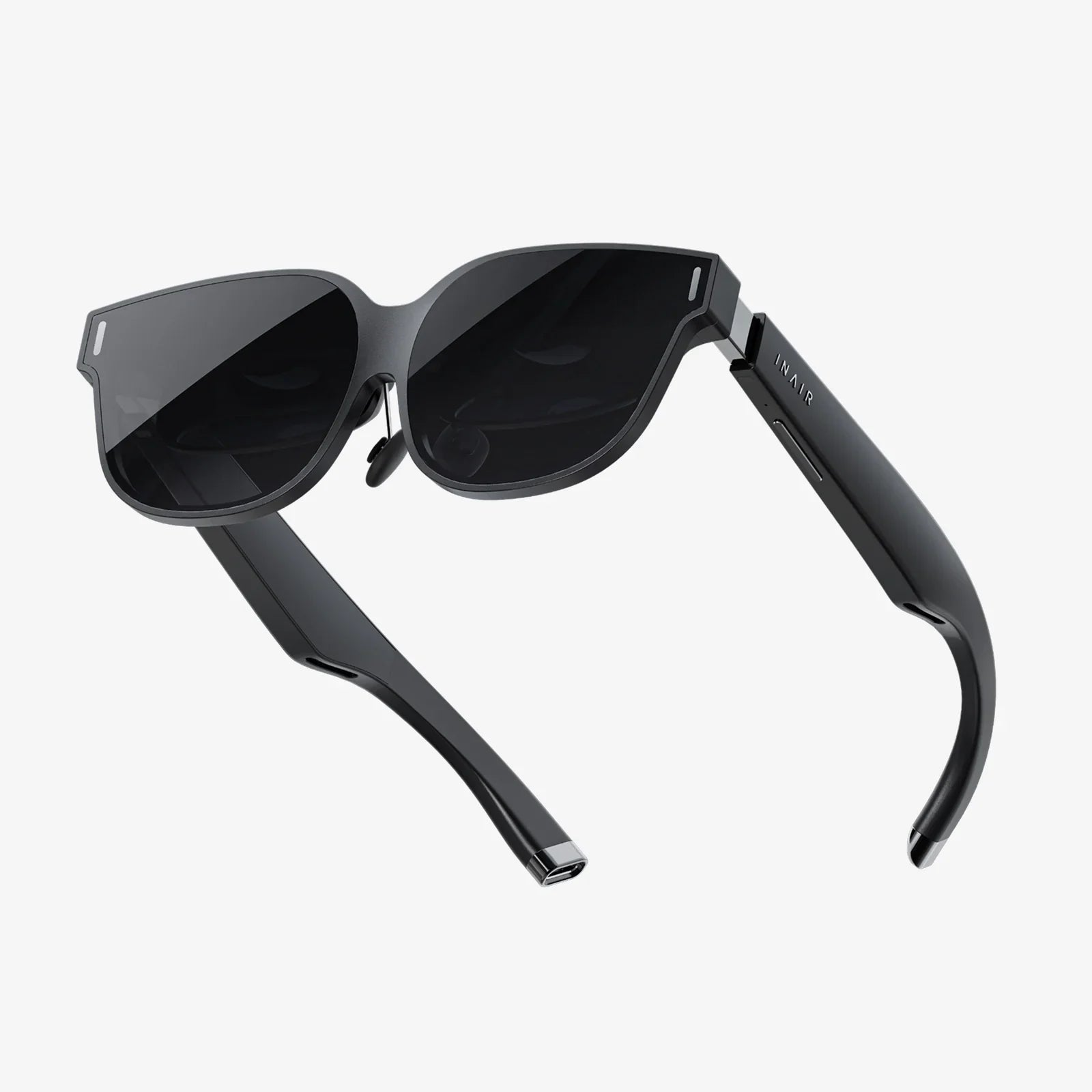
You've seen the ads, the thrilling videos, and the promise of another world waiting just beyond your smartphone screen—all for less than the price of a decent dinner for two. The search for the best VR headset in India under 1000 is a quest undertaken by countless curious tech enthusiasts, eager students, and families looking for a novel entertainment option. It's a tantalizing prospect: high-tech immersion on a hyper-low budget. But is it too good to be true? Can you actually find a functional, enjoyable virtual reality experience without breaking the bank? Buckle up as we dive deep into the realistic, exciting, and sometimes murky waters of budget VR, arming you with everything you need to know to make a smart purchase and set your expectations for the journey ahead.
Demystifying the "Under ₹1000" VR Landscape
First, it's crucial to understand what you are—and more importantly, are not—shopping for in this price segment. The phrase "VR headset" encompasses a vast spectrum of technology, from basic Google Cardboard derivatives to all-in-one systems and powerful PC-tethered devices costing tens of thousands of rupees. The realm under ₹1000 sits firmly at the most accessible end of this spectrum.
These devices are not standalone headsets. They lack their own internal processors, screens, or sophisticated tracking systems. Instead, they are officially known as mobile-based VR headsets or viewers. Their primary function is to act as a housing unit, a pair of lenses, and a control interface for your smartphone, which does all the heavy lifting. Your phone's screen becomes the display, its gyroscope and accelerometer enable head tracking, and its processor powers the entire experience. The headset itself is a sophisticated accessory that transforms your phone into a VR portal.
What Can You Realistically Expect?
Setting realistic expectations is the key to satisfaction with a budget VR headset. You will not be getting the graphically intense, room-scale, six-degrees-of-freedom experience of high-end systems. Instead, your experience will be defined by 3-Degrees-of-Freedom (3DoF). This means you can look around (pitch, yaw, roll) within a virtual environment, but you cannot physically walk around or lean into that space—your position is fixed.
The visual quality is directly tied to your smartphone. You will likely encounter a "screen door effect" (a faint mesh-like appearance between pixels) and a lower field of view compared to premium headsets. However, for the price, the sensation of immersion, especially for first-time users, can still be genuinely impressive and incredibly fun.
Types of Mobile VR Headsets in This Range
Not all budget headsets are created equal. They generally fall into a few distinct categories, each with pros and cons.
The Basic Plastic Shell (₹300 - ₹600)
These are the most common and cheapest options. They typically feature:
- A simple plastic or foam body.
- Basic adjustable lenses (often just for IPD—Interpupillary Distance).
- A front cover that holds the phone in place.
- No integrated controls; navigation relies on a magnetic slider on the side or, more commonly, a touch-based button on the headset that presses your phone's screen, or a Bluetooth remote sold separately.
They are lightweight and get the job done but often lack comfort for extended sessions and have very minimal features.
The Enhanced Comfort Design (₹600 - ₹1000)
As you approach the upper limit of the ₹1000 budget, designs improve significantly. You can expect:
- Superior build quality with better plastics and more padding.
- Improved head straps with better weight distribution (often a T-strap or over-the-head strap).
- Better ventilation to reduce lens fogging.
- More precise IPD and focus adjustments.
- A higher likelihood of including a basic Bluetooth remote in the package.
This category offers a much more comfortable and user-friendly experience, making it the sweet spot for the budget-conscious buyer.
Key Features to Look For
When sifting through dozens of options on online marketplaces, keep an eye out for these critical features that will define your experience.
1. Lens Quality and Adjustment
This is the heart of the device. Look for:
- Adjustable IPD (Interpupillary Distance): The ability to move the lenses closer or farther apart to match the distance between your eyes. This is essential for a clear, non-blurry image and preventing eye strain.
- Focus Dials: Separate dials for each eye allow you to compensate for mild nearsightedness or farsightedness, meaning you might not need to wear your glasses inside the headset.
- Large Lenses: Larger lenses generally provide a wider, more immersive field of view.
2. Comfort and Fit
A headset you can't wear for more than five minutes is useless. Prioritize:
- Padded Forehead Rest and Face Plate: Soft, hygienic, and breathable foam is a must.
- Secure Head Straps: A three-point strap system (over the head and around the sides) is vastly superior to a simple elastic band, as it properly distributes the weight of your phone.
- Adjustability: Multiple points of adjustment ensure a snug, comfortable fit for different head sizes.
3. Phone Compatibility and Size
This is non-negotiable. Check the maximum phone size the headset can accommodate! Most modern headsets under ₹1000 will fit phones with screens up to 6 inches, but some might struggle with larger "phablets" or phones in bulky cases. Always measure your phone and compare it to the product specifications.
4. Input Method: How Will You Control It?
This is one of the biggest differentiators. How do you interact with the VR environment?
- Magnetic Slider: An old method that uses a magnet to interact with your phone's magnetometer. Inconsistent and largely outdated.
- Screen-Tap Button: A physical button on the headset that extends a plastic nub to tap your screen. Functional but imprecise.
- Bluetooth Remote (Highly Recommended): Many bundles include a simple Bluetooth remote. This is a game-changer, offering a much more reliable and intuitive way to interact with menus and games. If your chosen headset doesn't include one, factor in the cost of purchasing a compatible one separately.
Setting Up Your Budget VR Headset
Once your headset arrives, the real fun begins. Setup is straightforward:
- Clean Your Smartphone Screen: Any smudges will be magnified immensely in VR.
-
Install VR Apps: Head to the Google Play Store or Apple App Store. Essential apps include:
- YouTube VR: For experiencing 360-degree videos.
- Google Cardboard: (If your headset is compatible) The original app with demos.
- Fulldive VR, VR Cinema, etc.: All-in-one apps for videos, games, and experiences.
- Specific games like Lamper VR: First Flight or Vanguard V (check if they support your input method). - Pair Your Remote: If you have a Bluetooth remote, pair it with your phone in the Bluetooth settings.
- Insert Your Phone: Secure it firmly in the headset's tray.
- Adjust the Headset: Put it on, adjust the straps for comfort, and then fine-tune the IPD and focus dials until the image is sharp and clear.
The Best VR Experiences for Your New Headset
Your headset is a gateway. Here’s what to explore once you're set up:
1. 360-Degree Videos and Tourism
This is where mobile VR shines. Platforms like YouTube VR offer thousands of free 360-degree videos. You can visit the International Space Station, stand in the middle of a bustling foreign market, or watch a concert from the front row. It's a phenomenal tool for education and armchair travel.
2. VR Cinema
Apps like VR Cinema or Fulldive allow you to watch your own movies or streaming services on a giant virtual screen in environments like a theater, on the moon, or by a peaceful lake. It's a surprisingly effective and immersive personal cinema experience.
3. Simple yet Addictive Games
While you won't be playing graphically intensive titles, there are plenty of fun, well-designed games built for 3DoF and simple input. Look for games where you look at targets to shoot, fly through courses, or solve simple puzzles. They are perfect for short, engaging sessions.
4. Virtual Experiences and Demos
Many apps offer short, interactive experiences like roller coaster simulators, tours of famous landmarks, or educational explorations of the human body. These are perfect for showing off VR to friends and family.
Important Limitations and Considerations
To avoid disappointment, be aware of the inherent limitations:
- Phone Drain: VR is a battery-intensive activity. Expect your phone's battery to deplete rapidly. Keep a charger handy.
- Potential for Motion Sickness: If the virtual image moves but your body feels still, it can cause discomfort for some users. Start with stationary experiences (like videos) and gradually work your way up to more active games. Take frequent breaks.
- Content Quality Varies: The quality of free VR content on app stores is wildly inconsistent. There's a lot of mediocre content, but the gems are worth finding.
- Not for Extended Use: These are not designed for multi-hour gaming marathons. Use them for 15-30 minute sessions to prevent eye strain and discomfort.
Making Your Final Choice: A Buyer's Checklist
Before you click "Add to Cart," run through this checklist:
- Does it fit my phone? (Check the max phone dimensions)
- Does it have adjustable IPD and focus? (A must-have feature)
- What is the input method? (A bundle with a Bluetooth remote is ideal)
- Do the reviews mention comfort? (Look for mentions of foam, straps, and weight)
- Is the seller reputable? (Check seller ratings and return policies on major e-commerce platforms)
The journey to find the best VR headset in India under 1000 is less about finding a single "best" product and more about managing expectations and identifying the model with the right combination of essential features—adjustable lenses, a comfortable strap, and a decent control scheme—that will unlock the potential already sitting in your pocket. It's an affordable ticket to dip your toes into the vast ocean of virtual reality, a first step that has ignited a passion for tech in countless individuals. Your smartphone is your spaceship; you just need the right window.
Share:
How Much Does a VR Headset Cost on Black Friday: Your Ultimate Price Guide
Android AR Example: A Deep Dive into Building Immersive Mobile Experiences