


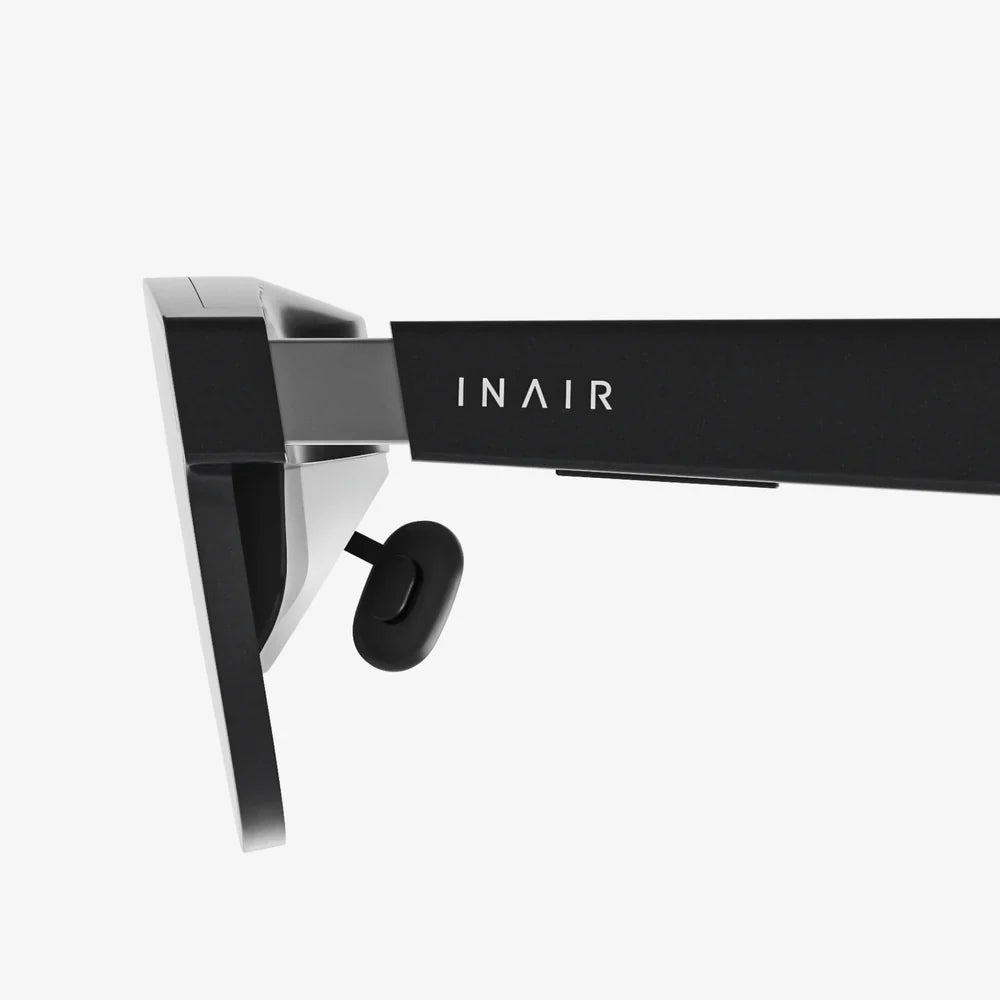
Imagine a world where the line between the digital and the physical isn't just blurred—it's erased. A world where your workspace spans galaxies, your classroom is a reconstruction of ancient Rome, and your social gatherings happen on virtual beaches under alien sunsets. This isn't a distant sci-fi fantasy; it's the promise of 2025's best XR headsets, and the future is knocking on your perception. The race to dominate your field of view has reached a fever pitch, delivering hardware so advanced, so intuitive, and so powerful that it will fundamentally alter how you connect, create, and play. Strap in, because we're diving deep into the technologies and experiences that define the pinnacle of immersive computing this year.
The New Gold Standard: Defining "Best" in 2025
Just a few years ago, evaluating a headset meant choosing between high-fidelity graphics tethered to a powerful computer or the untethered freedom of a mobile processor. In 2025, that compromise is a relic of the past. The conversation has evolved. The "best" XR headset is no longer about a single killer feature but a harmonious blend of several cutting-edge technologies working in concert. We now judge these devices on a holistic set of criteria that includes visual fidelity, auditory immersion, intuitive interaction, processing power, and, crucially, comfort for extended use. The bar has been raised astronomically, and manufacturers are leaping over it.
The Heart of the Experience: Display and Visual Technologies
If the processor is the brain, the display is the soul of any XR headset. This is where the magic happens, and in 2025, the magic is clearer than ever.
Resolution and Clarity: Beyond the "Screen Door"
The dreaded "screen door effect"—that faint grid of lines between pixels that reminded users they were looking at a screen—has been completely vanquished. The best XR headsets of 2025 feature micro-OLED and advanced mini-LED displays pushing pixel densities that exceed 35 pixels per degree (PPD), a figure that begins to match the resolving power of 20/20 human vision. Text is razor-sharp, making these devices legitimate productivity powerhouses. You can read documents, code, and browse the web for hours without the eye strain that plagued earlier generations.
Field of View: Expanding the Immersive Canvas
A high-resolution display means little if it feels like you're looking through a pair of binoculars. This year's top contenders boast field of view (FoV) measurements that exceed 120 degrees horizontally, significantly widening the immersive window to the virtual world. This expanded FoV is achieved through complex, multi-element pancake lenses that fold light, allowing for a much slimmer headset profile while providing a edge-to-edge clarity that deeper, older Fresnel lenses could never achieve.
Passthrough AR: The World in High Fidelity
Perhaps the most significant leap forward is in video passthrough technology. Early attempts were grainy, laggy, and disorienting. The best XR headset 2025 offers full-color, high-resolution, low-latency passthrough that feels genuinely seamless. It's no longer just about avoiding tripping over your coffee table; it's about anchoring high-fidelity holograms to your physical environment with stunning accuracy. This is powered by a suite of high-speed cameras and dedicated co-processors that handle the immense data load of reconstructing your surroundings in real time, enabling truly convincing mixed reality experiences.
The Sound of Silence: Advanced Audio Solutions
Immersion is not solely a visual affair. Spatial audio has become a non-negotiable feature. Instead of traditional headphones, the leading headsets utilize sophisticated phased array speakers that beam sound directly into your ears without any direct contact. This not enhances comfort during long sessions but also preserves awareness of your real-world environment. The sound is spatially mapped, meaning a virtual bee will buzz convincingly around your head, and a voice chat from a teammate will sound like it's coming from their avatar's position in your virtual space. The precision is uncanny and critical for both gaming and collaborative work.
Speaking to the Digital World: Intuitive Control Schemes
How you interact with a digital environment is just as important as how you see and hear it. The controllers of 2025 are smarter, lighter, and more precise than ever, featuring haptic feedback that can simulate the texture of virtual objects, from the rough grain of wood to the soft click of a button. However, the bigger story is the refinement of hand tracking. The need to hold controllers is fading fast. Advanced inside-out tracking cameras now capture finger movements with sub-millimeter accuracy, allowing for natural pinching, grabbing, and gesturing. This enables a level of intuitive interaction that feels like magic—reaching out and turning a virtual knob with your actual fingers is now a standard, reliable input method.
Untethered Power: The Standalone Revolution is Complete
The dream of a powerful, fully untethered headset is now a reality. Thanks to custom-built chipsets designed specifically for the parallel processing demands of XR, standalone devices now possess staggering computational power. These chips are not just about raw CPU/GPU performance; they include dedicated engines for computer vision, spatial mapping, and AI inference tasks. This means the headset can understand its environment, track your hands, and run demanding applications all simultaneously without ever needing to be plugged into an external device. Wireless streaming from a PC is still an option for the absolute highest-end gaming, but for the vast majority of productivity and social applications, the onboard power is more than sufficient.
All-Day Comfort: The Ergonomics of Extended Reality
A technological marvel is useless if it's too uncomfortable to wear. Manufacturers have finally embraced the fact that weight distribution is more important than absolute weight. The best designs use a balanced "halo" strap or a rigid top strap that pulls the weight onto your forehead and the crown of your head, rather than squeezing your face. Lightweight, breathable materials and easily swappable facial interfaces cater to different head shapes and preferences, making multi-hour work sessions or epic gaming adventures a genuine pleasure, not a pain.
The Ecosystem is the Experience
Hardware is nothing without software. The top platforms in 2025 are defined by their vibrant ecosystems. This includes robust app stores filled with professional-grade creative and CAD tools, immersive fitness applications that use passthrough to transform your living room into a gym, and social platforms that feel genuinely present. Furthermore, open standards are becoming increasingly important, allowing assets and experiences to be more easily ported across devices, preventing platform lock-in and fostering a healthier, more innovative ecosystem for developers and users alike.
Navigating the Landscape: Finding Your Perfect Match
With all these advancements, how do you choose? The market has elegantly segmented itself. There are devices laser-focused on enterprise and professional designers, offering the absolute highest resolution and color accuracy for CAD and 3D modeling. There are headsets built for consumers and creators, striking a perfect balance between performance, comfort, and price, excelling at social interaction, media consumption, and indie game development. And there are ultra-performance models for hardcore gamers and developers who demand every last bit of graphical fidelity, often supporting optional PC tethering. Your choice ultimately hinges on your primary use case, but the fantastic news is that no matter your budget or need, there has never been a better time to dive in.
The dream of a seamless blended reality is no longer on the horizon—it's here, sitting on the shelf, waiting to redefine your reality. The best XR headsets of 2025 are not merely incremental upgrades; they are paradigm shifts packed into sleek, wearable form factors. They are your passport to new ways of working, learning, creating, and connecting. This is the year the virtual world finally earns its place in your everyday life, not as a novelty, but as an indispensable tool for human expression and connection. Your new reality awaits.
Share:
Web AR vs App AR: The Ultimate Showdown for the Future of Augmented Reality
HCI Stands For Human-Computer Interaction: The Invisible Art Shaping Our Digital World