


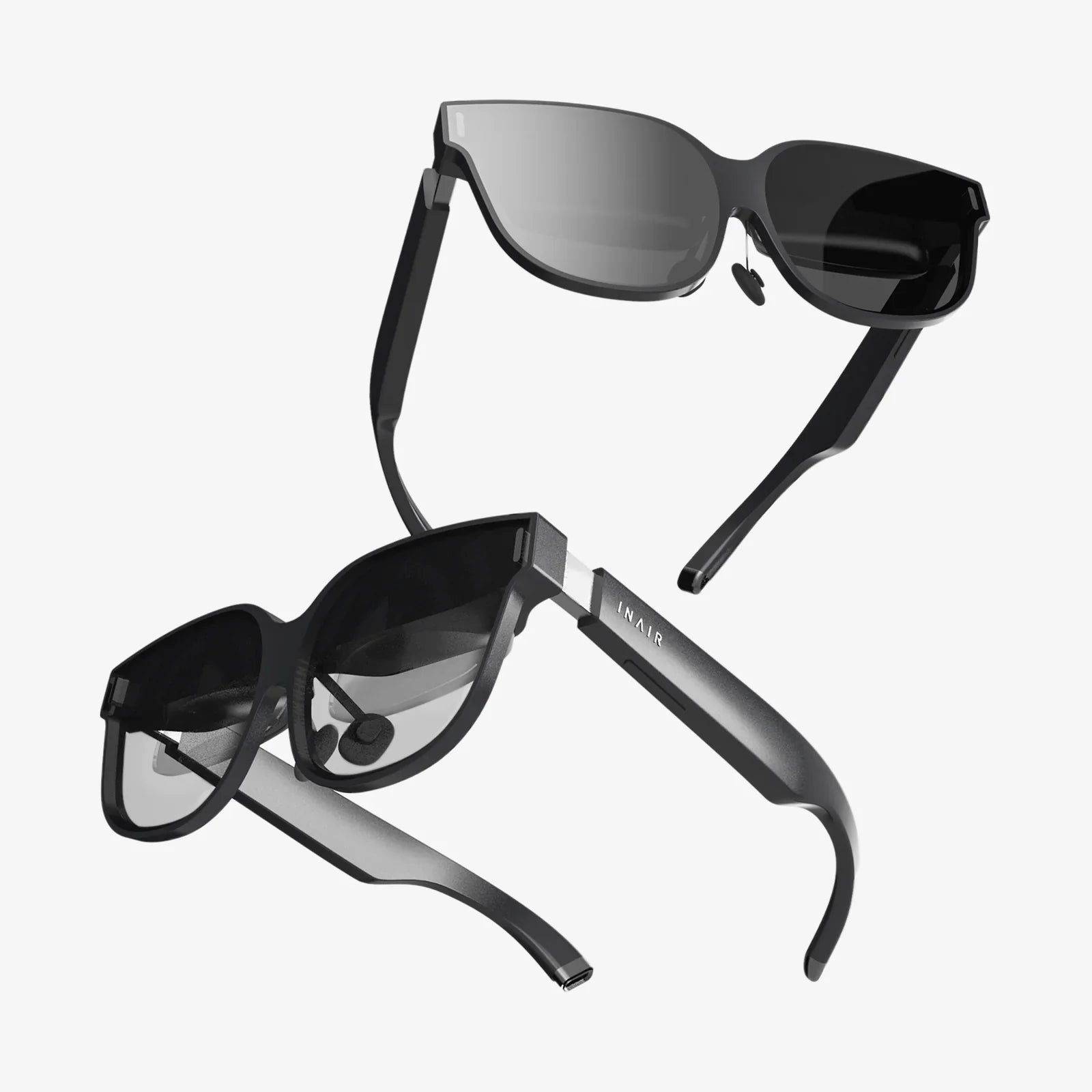
Imagine slipping on a device that doesn’t just show you another world, but seamlessly erases the line between the digital and the physical, a portal so clear, so comfortable, and so intuitive that forgetting you’re wearing it becomes the point. This isn’t a distant sci-fi fantasy; it’s the driving force behind the relentless pursuit of a better VR headset. The journey beyond clunky screens and tangled cables is here, and it’s redefining everything we thought possible in virtual reality.
The Pillars of Progress: What Defines a Better VR Headset?
The quest for improvement is no longer just about incremental boosts in resolution. Today, a better VR headset is a holistic engineering marvel, a symphony of advancements across several critical domains. It’s about creating a cohesive, compelling, and ultimately human experience.
Visual Fidelity: The Pursuit of Pixel-Perfect Reality
The most immediate and obvious differentiator is what you see. Early VR was often criticized for its "screen door effect"—the visible grid of pixels that shattered immersion. A better VR headset attacks this problem on multiple fronts.
Resolution and PPI (Pixels Per Inch): Pushing resolutions ever higher is a given. We’re moving past 4K-per-eye standards into territories that make individual pixels indistinguishable to the human eye. This hyper-dense packing, measured in PPI, is crucial for reading text, discerning distant objects, and feeling truly present.
Lens Technology: Resolution is useless if the lenses distort it. Fresnel lenses, common in earlier hardware, offered a good field of view but introduced god rays and glare. The next generation employs pancake lenses. These complex, multi-element designs fold the light path, allowing for a dramatically slimmer headset profile while simultaneously providing edge-to-edge clarity, a larger "sweet spot," and drastically reduced visual artifacts.
Display Type and Refresh Rate: Fast-switching LCDs have been the workhorse, but self-emissive technologies are on the rise. These promise perfect blacks, infinite contrast ratios, and faster pixel response times, eliminating motion blur and "ghosting." Coupled with refresh rates now regularly hitting 120Hz and progressing toward 144Hz and beyond, the result is buttery-smooth motion that is essential for both high-speed gaming and avoiding simulator sickness.
Form Factor and Comfort: The Invisible Headset
A better VR headset must be a device you can forget you’re wearing. This means a radical departure from the front-heavy "ski goggle" design.
Weight Distribution: Engineering focus has shifted from the front to the sides and back. By using rigid, adjustable straps that cradle the occipital lobe at the back of the head, the weight is balanced evenly across the skull, not compressing the cheeks and brow. This allows for multi-hour sessions without fatigue.
Materials and Ergonomics: We’re seeing a move away from generic foam to bespoke facial interfaces made from hypoallergenic, easy-to-clean materials like silicone or leatherette. Modular systems allow users to swap out different interface sizes for a perfect light-seal. The goal is a personalized, hygienic, and comfortable fit for a diverse range of faces.
The Shift to Standalone and Wireless Freedom: True comfort is freedom from external constraints. The industry has decisively moved toward standalone processing, with all the necessary compute power built directly into the headset. This eliminates the tether to a powerful external computer, granting users the physical liberty to turn, crouch, and spin without a second thought. For headsets that do leverage external power, robust wireless streaming solutions have become a mandatory feature, offering high-fidelity, low-latency video over dedicated Wi-Fi 6E bands.
Interaction and Control: Your Hands in the Virtual World
How we interact with the digital realm is just as important as how we see it. A better VR headset understands that our hands are our primary tools.
Inside-Out Tracking: The era of external external sensors or base stations is fading. Advanced inside-out tracking, using multiple wide-angle cameras on the headset itself, maps the room and tracks the controllers with stunning sub-millimeter accuracy. It simplifies setup, increases portability, and is remarkably resilient.
Hand Tracking and Haptics: The ultimate goal is to ditch controllers altogether for many experiences. Advanced computer vision algorithms now allow the headset to see, model, and track your individual fingers and hands in real-time, enabling natural gestures, pinching, and grasping. This is complemented by sophisticated haptic feedback in controllers—and even in future headset straps—that can simulate the feel of a bowstring tensing, the texture of a virtual object, or the light tap of a raindrop.
Audio and Ambiance: Sound as Spatial Storytelling
Immersion is a multi-sensory experience. 3D spatial audio is no longer a bonus feature; it’s a baseline requirement. A better VR headset integrates audio directly into the strap, using near-ear or off-ear speakers. This technology projects sound directly into your ears while leaving them uncovered, preserving awareness of your real-world environment when desired and providing a rich, directional soundscape that sells the illusion. Hearing an enemy creep up behind you or the whisper of wind from your left completes the visceral feeling of "being there."
The Brain Behind the Beauty: Processing Power and Artificial Intelligence
All these features demand immense computational power. The system-on-a-chip (SoC) designs in modern standalone headsets are feats of mobile engineering, rivaling console-level performance. More importantly, they are increasingly augmented by dedicated AI co-processors.
This AI is the silent workhorse enabling many next-gen features. It powers the advanced hand and eye-tracking algorithms, manages dynamic resolution scaling to maintain performance, and drives inside-out tracking. It can also be used for foveated rendering, a revolutionary technique that uses eye-tracking to determine exactly where you are looking. The headset then renders only that pinpoint area in full resolution, while subtly reducing the detail in your peripheral vision—a area where the human eye cannot perceive the difference. This massively reduces the GPU load, allowing for incredibly complex visuals without requiring exponentially more processing power.
Beyond the Hardware: The Ecosystem of Experience
A headset, no matter how advanced, is a portal to nothing without a world to explore. A better VR headset is defined by the richness of its ecosystem.
Content Library: A robust and diverse library is essential. This includes not only blockbuster games and fitness applications but also professional tools for design, architecture, and medicine, social platforms for connection, and immersive media for storytelling and live events.
Social and Productivity Platforms: The future of VR is fundamentally social and utilitarian. The value of a headset increases exponentially when you can use it to collaborate with colleagues in a virtual boardroom, attend a concert with friends from across the globe, or manipulate 3D models with the ease of physical objects.
Passthrough and Mixed Reality (MR): The ultimate evolution may not be a purely virtual space. High-resolution, color passthrough cameras are turning headsets into windows into blended realities. This Mixed Reality (MR) allows digital objects to be anchored convincingly in your physical living room, enabling new genres of gaming, revolutionary workflow tools, and seamless integration of our digital and physical lives. A better VR headset is, increasingly, a powerful MR headset.
The Human Factor: Accessibility and the Future
True technological maturity is measured by accessibility. The next generation of headsets must consider a wider audience.
Accessibility Features:
Software features like customizable control schemes, visual aids for color blindness, and comfort options for those prone to motion sickness are becoming standard. This ensures the profound experiences of VR are available to as many people as possible.
The Path Ahead:
We are already glimpsing the frontiers beyond today’s best consumer tech. Varifocal displays that dynamically adjust to the user’s eye focus, eliminating the vergence-accommodation conflict that can cause eye strain. Haptic suits and gloves that provide full-body feedback. Brain-computer interfaces that could one day allow for control by thought. Each of these advancements promises to further dissolve the barriers between ourselves and the experiences we wish to have.
The destination is a device that feels less like a piece of technology and more like a pair of magical glasses—always ready, always intuitive, and always empowering. We are on the cusp of that reality. The age of compromise is over; the era of true immersion has begun, and it’s waiting for you to take the first step through the looking glass.
Share:
What To Do With VR Headset - Unlocking a Universe of Possibilities
VR Headset: The Ultimate Portal to New Realities and Human Connection