


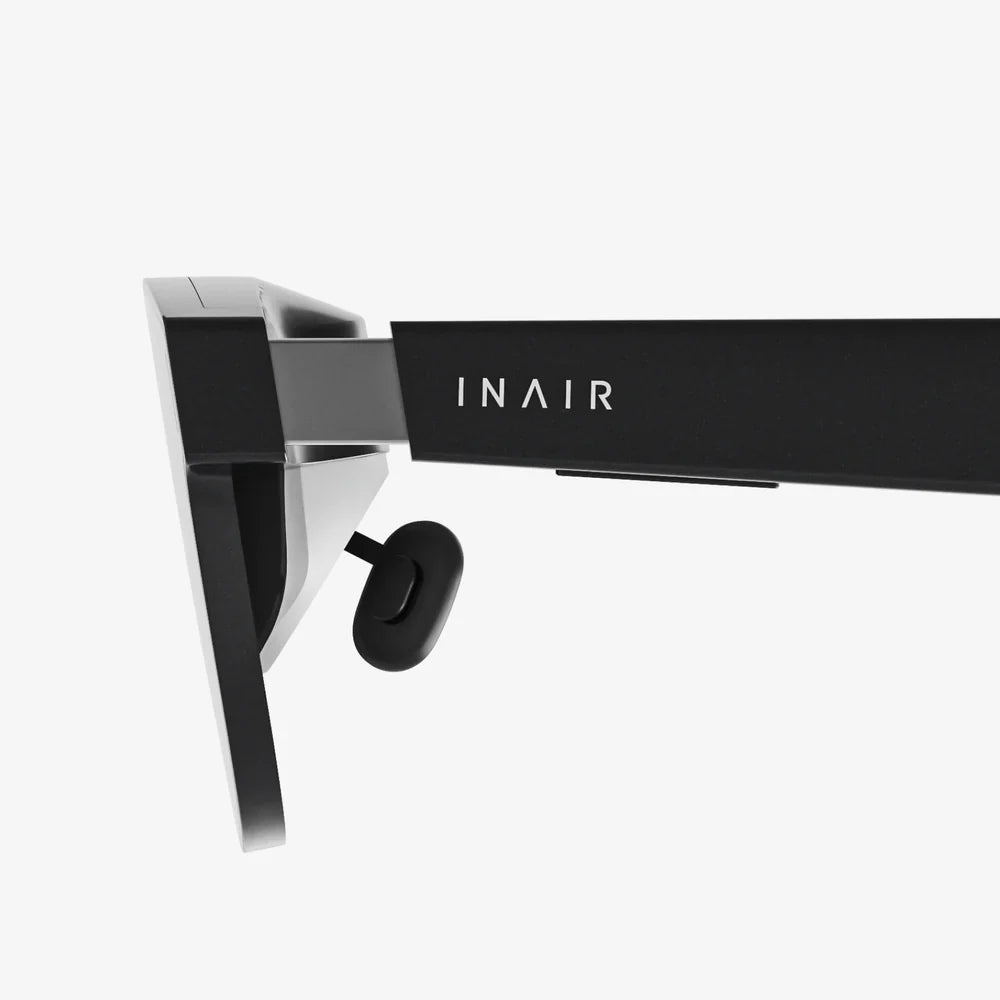
Imagine this: you sink into your favorite chair, but instead of staring at a fixed rectangle on the wall, you’re sitting in a plush virtual cinema with a screen the size of a building. Or perhaps you’re on a serene beach at sunset, your favorite show playing against the backdrop of gently rolling waves. This isn’t a scene from a sci-fi novel; it’s the reality of watching television today through a virtual reality headset. The question isn't just can you watch TV on a VR headset, but rather, why would you ever want to go back to a traditional screen once you've experienced the immersive possibilities? The journey from curious speculation to a fully-fledged entertainment paradigm is here, and it’s more accessible and breathtaking than you might think.
The Virtual Living Room: How VR Transforms the Viewing Experience
At its core, a modern VR headset is a powerful media consumption device. It functions by using two high-resolution displays (one for each eye) and lenses to create a stereoscopic, 360-degree environment. This technology effectively places you inside a digital space, which can be anything from a simulated home theater to an abstract, futuristic void. The act of "watching TV" in VR is less about the physical television set and more about the content itself, presented on a virtual screen within these environments.
The primary method for viewing is through dedicated video player applications. These apps are the gateways to your virtual cinemas and immersive worlds. They allow you to play your personal media library—movies, TV shows, and home videos—or connect to major streaming services. The magic lies in their ability to create customizable environments. You are no longer constrained by the size of your physical television or the dimensions of your room. You can resize the virtual screen to be a modest 50 inches or an overwhelming 100-foot behemoth, adjusting it to your perfect viewing angle and distance.
Beyond the Big Screen: A Universe of Content at Your Fingertips
The content available for VR viewing is vast and continually expanding. It broadly falls into three categories, each offering a unique way to experience television and film.
1. Traditional 2D and 3D Flat Content
This is the direct answer to the question. You can watch all your standard, flat movies and TV shows from services like Netflix, Disney+, and Amazon Prime Video through dedicated apps within the VR platform or via a built-in web browser. The experience is akin to having a private theater. The benefits are significant: zero glare, no distractions from others in the room, and a perfectly calibrated screen regardless of your physical surroundings. Furthermore, VR headsets breathe new life into 3D Blu-rays and 3D streaming content. With a VR headset, 3D movies achieve a depth and pop that often surpasses what was possible in commercial theaters, without the dimness or need for uncomfortable glasses.
2. 180-Degree and 360-Degree Video
This is where VR truly diverges from traditional TV. This format places you inside the video. You can turn your head to look around in every direction, becoming an active participant in the scene. The applications are profound:
- Live Events: Feel the electric energy of a front-row concert seat or the sideline intensity of a sporting event.
- Documentaries: Stand alongside wildlife on the African savanna or explore the depths of the ocean in a way a standard documentary can never replicate.
- Travel and Exploration: Visit the ruins of Machu Picchu or walk the streets of Tokyo from your home.
This is television that isn’t watched; it’s experienced.
3. Social Viewing and Virtual Cinemas
One of the most surprising and delightful aspects of VR is its ability to make media consumption a social activity, even when people are physically apart. Several platforms allow you to join a virtual theater with friends or strangers from around the world. You appear as an avatar, can sit together, chat with voice audio, and react to the movie in real-time. It replicates the shared experience of going to the movies, complete with the collective laughter and gasps, erasing geographical barriers and creating a new form of digital togetherness.
Setting the Stage: A Practical Guide to Getting Started
Ready to dive in? The process is straightforward. First, you’ll need a compatible VR headset. Most modern devices support robust media playback. The next step is to explore your device’s application store. You’ll find a wealth of video player apps, many of which are free. These apps will be your portal. For streaming services, you can either download their official VR apps (if available) or use the headset’s built-in web browser to navigate to their website and log in, just as you would on a computer.
For your personal media collection, the process is equally simple. Many video player apps can connect to media servers like Plex or Jellyfin, or access files directly from a USB drive connected to the headset or a computer on the same network. This allows for a seamless transition from your local library to your grand virtual cinema.
Weighing the Experience: The Stunning Advantages and Honest Drawbacks
Like any technology, watching TV in VR comes with a set of trade-offs. The advantages are transformative, but the limitations are important to consider for a balanced expectation.
The Pros: Why You'll Be Blown Away
- The Ultimate Personal Theater: The sheer scale of the virtual screen is unparalleled in a consumer setting. The immersion is total, pulling you into the narrative like never before.
- Complete Immersion and Zero Distractions: With the headset on, the outside world disappears. There are no phone notifications, no passing headlights, and no noisy neighbors. It’s just you and the content.
- Revival of 3D: As mentioned, VR is the best way to experience 3D media at home, offering a crisp, bright, and deeply engaging presentation.
- Unlimited Environments: Your viewing room can change with your mood. Cinemas, space stations, cozy log cabins—the choice is yours.
- Accessibility: For those in small living spaces, dorm rooms, or while traveling, a VR headset offers a massive screen experience without the physical footprint or cost of a large television.
The Cons: The Realities to Consider
- Visual Fidelity and Resolution: While rapidly improving, the perceived resolution of a virtual screen is still not on par with a high-end 4K OLED television. You may notice a slight "screen door effect" or softness, especially on older hardware.
- Comfort and Weight: Headsets have weight. Wearing one for a three-hour movie requires finding a comfortable seating position. It’s not as effortless as lounging on a couch and glancing at a TV.
- Battery Life: Standalone headsets are powered by an internal battery. Long viewing sessions might require being plugged in or planning around a charge.
- Social Isolation (in the real world): While you can be social in virtual spaces, you are isolated from the people physically in the room with you. It’s not a great solution for family movie night unless everyone has their own headset.
- Potential for Eye Strain: As with any prolonged screen time, some users may experience eye strain or fatigue. Taking regular breaks is recommended.
The Future of Viewing: Where Do We Go From Here?
The trajectory of VR technology points toward a future where these current limitations will fade. Lighter, more comfortable headsets with pancake lenses are already arriving. Resolution is increasing with every new generation, quickly approaching and aiming to surpass human visual acuity. The line between virtual and physical reality will continue to blur, potentially with the advent of advanced augmented reality glasses that can overlay perfect virtual screens onto our real-world environments seamlessly.
The very definition of "watching TV" is evolving. It will become less about the device you own and more about the digital environment you choose to inhabit. Content will become increasingly interactive and spatial. The passive viewer will become an active participant in narratives that unfold all around them.
So, can you watch TV on a VR headset? The answer is a resounding and exciting yes. It is not just a novelty or a stopgap solution; it is a legitimate, and for many, a superior way to consume visual media. It offers a level of immersion, customization, and scale that traditional televisions simply cannot match. While it may not completely replace the communal living room TV for everyone just yet, it represents the next logical step in personal home entertainment. The virtual cinema is open, the previews are over, and the main feature of your viewing future is about to begin. All you have to do is put on the headset and press play.
Share:
Most Popular Android VR Headset - Your Ultimate Portal to Virtual Worlds
Most Popular Android VR Headset - Your Ultimate Portal to Virtual Worlds