


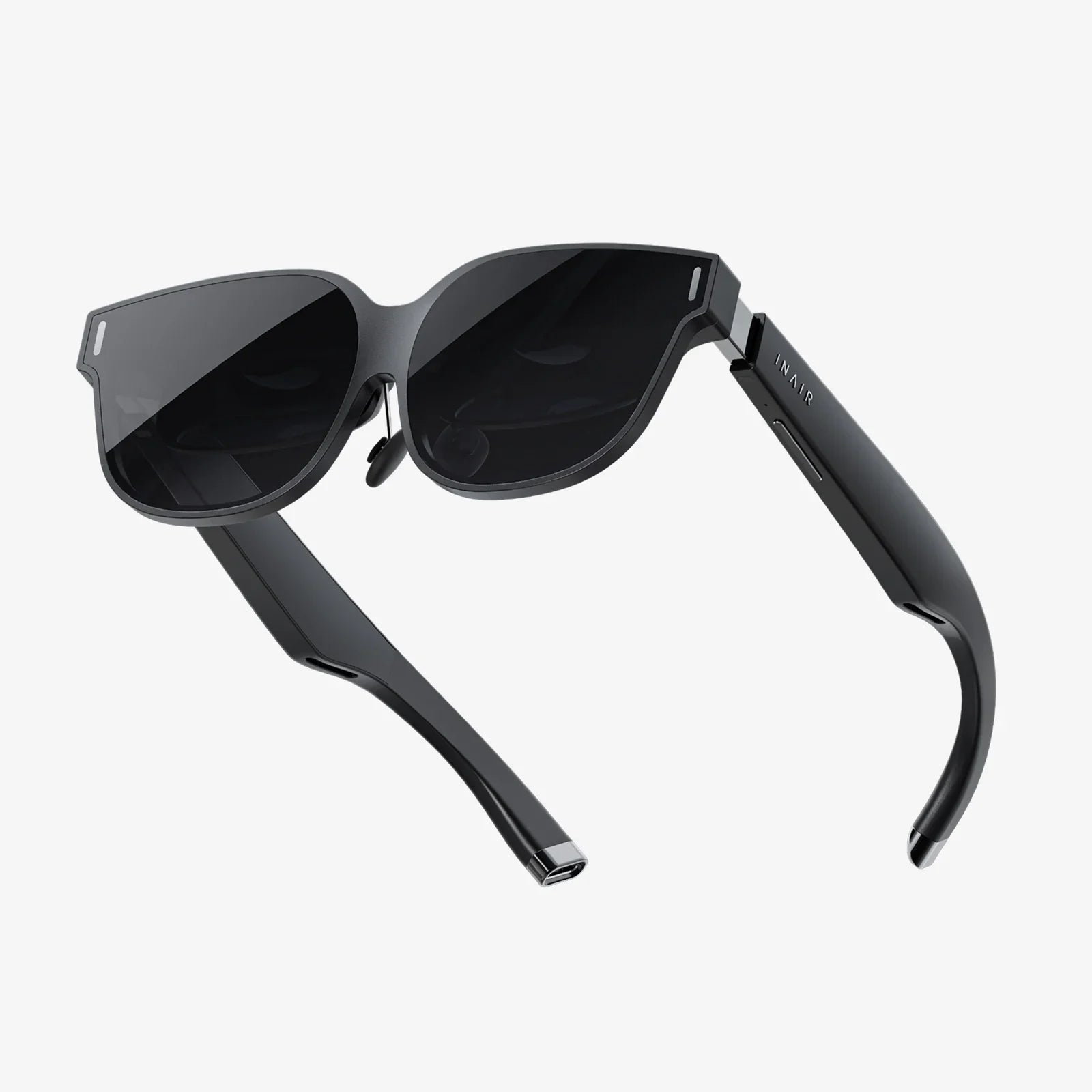
Computer sunglasses are quietly becoming the secret weapon of people who spend hours in front of screens, and the difference they can make to your comfort, focus, and sleep might surprise you. If you have ever ended a workday with burning eyes, a dull headache, or the feeling that your vision is slightly out of focus, the problem may not be your workload but the light coming from your devices. Understanding how computer sunglasses work and how to choose the right pair can turn your daily screen time from something that drains you into something that feels far more manageable.
Most of us now live in a world where screens are almost impossible to avoid. Laptops, phones, tablets, televisions, and even smart appliances emit light that can affect how our eyes feel and how our brains function. Computer sunglasses are designed to filter specific wavelengths of this light, reduce glare, and make digital viewing more comfortable. Before you decide whether you need them, it helps to understand what exactly they are protecting you from and how they fit into the broader picture of eye health and modern life.
What Are Computer Sunglasses?
Computer sunglasses are specialized eyewear designed to make viewing digital screens more comfortable and potentially less harmful over long periods of time. Unlike regular sunglasses that are mainly built to protect against bright sunlight and ultraviolet radiation outdoors, computer sunglasses focus on managing the light emitted by digital screens, especially in indoor or office environments.
They typically feature a combination of the following characteristics:
- Blue light filtration: Lenses that reduce a portion of high-energy visible light emitted by screens.
- Anti-reflective coatings: Surface treatments that cut down on distracting reflections from overhead lights and screens.
- Tint adjustments: Subtle or more noticeable lens tints that enhance contrast and reduce glare.
- Comfort-focused designs: Lightweight frames and lens shapes optimized for extended wear during work or gaming sessions.
Some computer sunglasses are clear with only a slight tint, making them suitable for offices and professional environments, while others are more heavily tinted and look more like traditional sunglasses. The best choice for you depends on when and where you use screens most.
Understanding Blue Light And Why It Matters
To understand why computer sunglasses exist, it is important to know what blue light is. Light is made up of different wavelengths, each corresponding to a color. Blue light is part of the visible spectrum and has a relatively short wavelength and high energy compared with colors like red or yellow.
There are two main sources of blue light in your daily life:
- Natural blue light from the sun: This is the strongest source of blue light and plays a role in regulating your sleep-wake cycle, mood, and alertness.
- Artificial blue light from digital screens and LEDs: Phones, laptops, tablets, televisions, and many modern light bulbs emit blue light, though at lower intensity than the sun.
Blue light itself is not inherently bad. During the daytime, exposure to natural blue light helps keep you awake and focused. The concern arises when exposure is prolonged, very close to the eyes, or occurs late at night, which can disrupt sleep patterns and contribute to visual discomfort.
How Computer Sunglasses Work
Computer sunglasses use a combination of optical principles and coatings to modify the light that reaches your eyes. Their effectiveness comes from several key features working together:
Blue Light Filtering
Many computer sunglasses include lenses that selectively filter part of the blue light spectrum. This can be done through:
- Tinted lenses: Amber, yellow, or orange tints absorb more blue wavelengths, changing the color balance of what you see but significantly reducing perceived harshness.
- Clear lenses with special coatings: These maintain a more natural color perception while still reducing some blue light, often enough for daytime office use.
The goal is not to block all blue light, but to reduce the intensity that reaches your eyes during prolonged screen use, especially in the evening.
Anti-Reflective And Anti-Glare Properties
Reflections from overhead lights, windows, and the screen itself can create glare, which forces your eyes to work harder to maintain clear vision. Computer sunglasses often include anti-reflective coatings on one or both sides of the lens to minimize these reflections.
By reducing glare, these coatings can make text appear sharper and images more comfortable to look at for long periods. This is particularly important in offices with bright lighting or in home setups where light sources cannot be easily adjusted.
Contrast Enhancement
Certain tints used in computer sunglasses can improve contrast, making it easier to distinguish text from the background or to see details in images and videos. Enhanced contrast can reduce squinting and the subtle eye movements that contribute to fatigue.
Optimized For Screen Distance
Some computer sunglasses are designed with lens shapes and focal properties that match typical screen-viewing distances. This can be especially useful for people who use progressive lenses or bifocals and find it difficult to maintain a comfortable head position while working at a computer.
Benefits Of Using Computer Sunglasses
While individual experiences vary, many people report several noticeable benefits after consistently using computer sunglasses during screen-heavy activities.
Reduced Eye Strain
Eye strain, sometimes called digital eye strain or computer vision syndrome, is a common complaint among people who spend long hours at a computer. Symptoms can include:
- Tired or heavy-feeling eyes
- Burning or stinging sensations
- Difficulties focusing between near and far objects
- Blurred or double vision
By cutting down on glare and filtering portions of blue light, computer sunglasses can make it easier for your eyes to maintain focus on the screen. This can translate into less discomfort over the course of a workday or gaming session.
Fewer Headaches
Some people find that bright screens and harsh lighting trigger headaches or worsen existing tension. When your eyes struggle to focus or deal with excessive glare, the muscles around them can become strained, contributing to head pain.
Computer sunglasses can reduce the intensity of light reaching your eyes and minimize visual noise, potentially lowering the risk of screen-related headaches for some users.
Improved Sleep Quality
Blue light, especially in the evening, can interfere with your body’s natural production of melatonin, a hormone that helps regulate sleep. Exposure to bright screens late at night can delay the onset of sleep or reduce its quality.
Computer sunglasses that filter more blue light, particularly those with warmer tints, can help reduce the impact of evening screen use on your sleep cycle. Combined with other good sleep habits, such as dimming room lights and avoiding screens right before bed, they can support a more consistent and restful night’s sleep.
Greater Comfort During Long Screen Sessions
Whether you are working, gaming, editing photos, or binge-watching a series, long stretches in front of a screen can be tiring. Computer sunglasses are designed to make these sessions more comfortable by:
- Softening the harshness of bright displays
- Reducing the need to squint or lean forward
- Helping maintain visual clarity over time
This can be especially helpful for people who have demanding digital workloads, such as programmers, designers, writers, analysts, and competitive gamers.
Support For Sensitive Eyes
People with light sensitivity or certain eye conditions may find that even normal indoor lighting and screens feel overly bright. Computer sunglasses with appropriate tints and coatings can help soften visual input and make daily tasks more manageable.
Who Should Consider Computer Sunglasses?
Not everyone needs computer sunglasses, but many people can benefit from them. You may want to consider them if you:
- Spend more than a few hours each day on a computer, tablet, or phone
- Experience eye strain, dryness, or headaches after screen use
- Work in an environment with bright overhead lighting or strong reflections
- Use screens late into the evening and struggle with sleep
- Have light sensitivity or feel that screens are uncomfortably bright
Students, office workers, remote professionals, content creators, and gamers are among the groups most likely to benefit from computer sunglasses. However, even casual users who find screens uncomfortable may notice a difference.
Types Of Computer Sunglasses
Computer sunglasses are not all the same. Different designs suit different environments and preferences. It helps to understand the main categories before making a choice.
Clear Or Nearly Clear Lenses
These are designed for daytime use in offices, classrooms, or home workspaces where you want protection without dramatically altering how colors appear. They usually offer:
- Subtle blue light reduction
- Anti-reflective coatings
- A natural look suitable for professional settings
Clear computer sunglasses are ideal if you need to maintain accurate color perception for tasks like design or editing, or if you simply prefer a more understated style.
Lightly Tinted Lenses
These lenses often have a soft yellow, amber, or rose tint. They provide more noticeable filtering of blue light while still being usable in most indoor environments. Typical benefits include:
- Enhanced contrast for text and graphics
- Reduced perceived harshness of white backgrounds
- A balance between protection and natural color perception
Lightly tinted computer sunglasses are popular with people who spend long hours on screens and want a visible comfort boost without making everything look dramatically different.
Darker Tinted Or Nighttime Lenses
Some computer sunglasses feature deeper amber, orange, or red tints designed to filter a larger portion of blue light. These are often recommended for evening or nighttime use, particularly if you use screens close to bedtime.
They can significantly alter color perception but provide strong blue light reduction, which may be helpful for people who are highly sensitive to light or who have serious trouble falling asleep after screen use.
Prescription Computer Sunglasses
If you already wear glasses for distance, reading, or both, you can often have your prescription combined with computer-focused features. Prescription computer sunglasses can include:
- Single-vision lenses optimized for screen distance
- Progressive lenses with a dedicated zone for computer work
- Blue light filtration and anti-reflective coatings
Having both vision correction and digital comfort features in one pair can make it easier to maintain healthy habits during long workdays.
How To Choose The Right Computer Sunglasses
Selecting the right pair of computer sunglasses requires considering your environment, habits, and personal preferences. Here are key factors to think about.
Consider Your Main Screen Environment
Ask yourself where you use screens most:
- Office or classroom: Clear or lightly tinted lenses with strong anti-reflective coatings are usually best, especially if you need to maintain a professional appearance.
- Home office or gaming setup: You might prefer a slightly stronger tint, especially if you can control room lighting and do not mind a warmer color cast.
- Evening and bedtime use: Darker, warmer tints that filter more blue light can be helpful if you frequently use screens at night.
Think About Color Accuracy
If your work involves tasks where accurate color representation is important, such as photo editing, graphic design, or video production, you may want a more subtle tint that maintains natural color balance. For general office work, browsing, or gaming, a stronger tint may be acceptable and even preferable for comfort.
Check For Blue Light Filtration Details
Different lenses filter different percentages of blue light, and often different parts of the blue spectrum. While numbers can be helpful, they do not tell the whole story. A moderate level of filtration is usually sufficient for daytime use, while higher filtration may be more appropriate for nighttime.
Do not assume that more filtration is always better. Excessive filtering during the day can alter your perception of the environment and may not be necessary for everyone. Aim for a balance that matches your usage patterns.
Look For Quality Coatings
Effective computer sunglasses often include multiple coatings, such as:
- Anti-reflective coating to reduce glare from screens and lights
- Scratch-resistant coating to protect the lenses from daily wear
- Smudge-resistant or hydrophobic coatings to make cleaning easier
Quality coatings can significantly improve both comfort and durability, making your investment more worthwhile over time.
Pay Attention To Fit And Comfort
Since computer sunglasses are often worn for hours at a time, comfort is essential. Consider:
- Frame weight and balance on your nose and ears
- Frame size relative to your face and field of view
- Nose pad design, especially if you have sensitive skin or wear headphones
A comfortable, well-fitting pair will be much easier to wear consistently, which matters more than any single technical specification.
Using Computer Sunglasses Effectively
Owning computer sunglasses is only part of the solution. How you use them can influence how much benefit you get.
Wear Them Consistently During Screen Time
To experience noticeable changes in comfort and sleep patterns, it helps to wear your computer sunglasses regularly whenever you are engaged in screen-heavy tasks. Keeping them near your computer or workspace makes it easier to build the habit.
Combine Them With Good Screen Habits
Computer sunglasses work best as part of a broader approach to digital wellness. Consider pairing them with:
- The 20-20-20 rule: Every 20 minutes, look at something 20 feet away for at least 20 seconds.
- Proper screen positioning: Keep the top of your screen at or slightly below eye level and about an arm’s length away.
- Adjusted brightness: Set your screen brightness to match the ambient lighting in the room.
- Regular blinking: Make a conscious effort to blink to reduce dryness.
These habits can further reduce eye strain and complement the effects of your computer sunglasses.
Use Different Pairs For Different Times Of Day
Some people find it useful to have one pair of computer sunglasses for daytime work and another for evening screen use. For example:
- A clear or lightly tinted pair for daytime office work
- A deeper amber or orange-tinted pair for late-night reading or entertainment
This approach lets you maintain color accuracy and a natural appearance during the day while prioritizing sleep-friendly light in the evening.
Common Myths About Computer Sunglasses
Computer sunglasses have become popular enough that a number of myths and misunderstandings surround them. It is helpful to separate realistic expectations from exaggerated claims.
Myth: Computer Sunglasses Completely Eliminate Eye Problems
Computer sunglasses can significantly improve comfort for many people, but they are not a cure-all for every eye issue. Underlying vision problems, uncorrected prescriptions, and certain medical conditions may still require professional attention from an eye care provider.
Think of computer sunglasses as one part of a broader toolkit that includes regular eye exams, healthy screen habits, and appropriate lighting.
Myth: All Blue Light Is Harmful
Blue light plays an important role in regulating circadian rhythms and maintaining alertness during the day. The goal is not to eliminate blue light entirely, but to manage your exposure, especially in the evening and during prolonged screen sessions.
Moderate exposure to natural blue light from the sun is generally beneficial when balanced with protection from excessive brightness and ultraviolet radiation.
Myth: Darker Lenses Are Always Better
Darker lenses may filter more blue light, but they also change color perception more dramatically and may not be necessary for daytime office use. The best lens for you depends on your environment, sensitivity, and personal preferences, not simply on how dark it appears.
Myth: Only Gamers Need Computer Sunglasses
While gamers often use computer sunglasses to stay comfortable during long sessions, anyone who spends extended time on screens can benefit. Office workers, students, remote professionals, and even casual users who enjoy reading or streaming on tablets may all find value in them.
Maintaining And Caring For Computer Sunglasses
Proper care helps your computer sunglasses stay effective and comfortable for as long as possible.
Clean Lenses Correctly
To preserve coatings and clarity:
- Use a soft microfiber cloth rather than paper towels or clothing, which can scratch lenses.
- Clean with lens-safe solutions or mild soap and water, avoiding harsh chemicals.
- Rinse off dust or debris before wiping to prevent scratching.
Store Them Safely
When not in use, keep your computer sunglasses in a protective case. This reduces the risk of scratches, bending, or accidental damage, especially if you carry them in a bag or backpack.
Check For Fit Over Time
Frames can loosen or shift with regular use. If you notice your computer sunglasses sliding down your nose or feeling uneven, adjust them carefully or have them adjusted by a professional so they remain comfortable for long wear.
Integrating Computer Sunglasses Into Your Daily Routine
Because computer sunglasses are most effective when used consistently, it helps to weave them into your daily routine rather than treating them as an occasional accessory. You might:
- Keep them beside your main computer so you put them on as soon as you start work.
- Use them during long video calls or meetings to reduce fatigue.
- Wear a nighttime pair in the hour or two before bed if you use screens late.
- Carry them in your bag if you frequently work on a laptop in different locations.
Over time, using computer sunglasses can become as automatic as reaching for your laptop or phone, turning them into a simple habit that supports your long-term comfort and productivity.
Computer sunglasses are more than a trend; they are a practical response to the reality that screens have become a central part of everyday life. By understanding how they work, what benefits they provide, and how to choose and use them wisely, you can take control of your digital environment instead of letting it control you. If your eyes are tired of fighting harsh light and endless glare, giving computer sunglasses a serious look could be the small change that makes a big difference in how you feel every single day.
Share:
Rayneo Air 3s Guide: Everything You Need To Know Before You Buy
Rayneo Air 3s Guide: Everything You Need To Know Before You Buy