


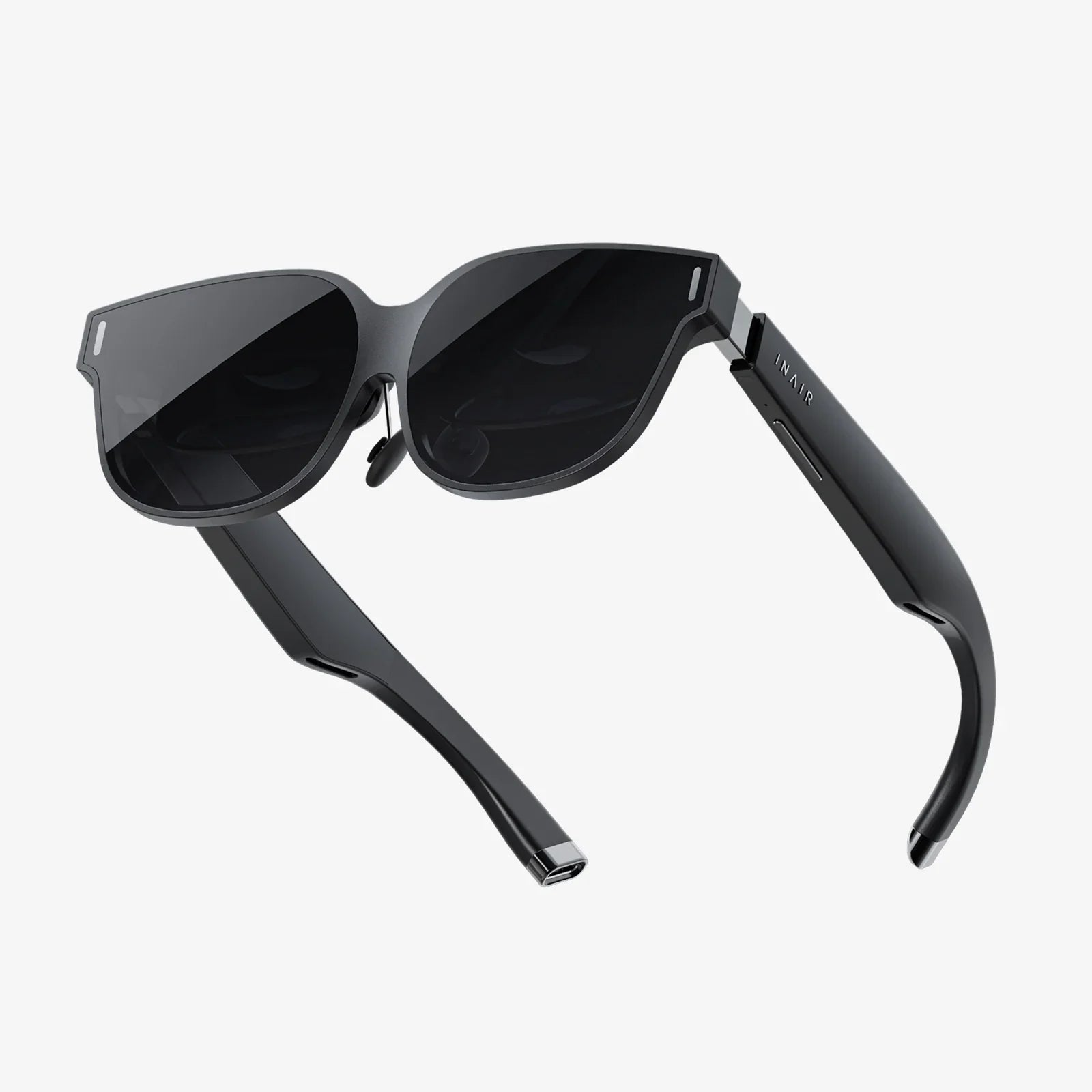
Imagine strapping on a headset and being instantly transported to another world—a virtual concert, a distant planet, the cockpit of a fighter jet, or a relaxing meditation retreat. For years, this futuristic experience seemed locked behind a prohibitively expensive paywall, a luxury for hardcore gamers and tech enthusiasts with deep pockets. But the landscape of virtual reality has shifted dramatically. The quest for a computer VR headset cheap enough for the average consumer is no longer a fantasy; it's a vibrant and accessible reality. The market is now brimming with options that promise to deliver the magic of VR without demanding a king's ransom. This guide will demystify the world of budget-friendly PC-powered virtual reality, showing you exactly how to find a gateway to these incredible digital realms without breaking the bank.
Defining "Cheap" in the VR Landscape
Before we dive in, it's crucial to set realistic expectations. The term "cheap" is relative, especially in the tech world. A cheap computer VR headset doesn't mean the same as a cheap pair of headphones. In the context of VR, we're typically discussing headsets that offer a full, immersive six-degrees-of-freedom (6DoF) experience—meaning you can move around in the virtual space—at a price point significantly lower than the flagship models. While prices fluctuate, this generally means headsets ranging from under two hundred to around four hundred dollars. This is a far cry from the thousand-dollar launches of just a few years ago, representing a massive leap towards mainstream adoption.
The Technology Behind the Price Tag
So, how do manufacturers create a computer VR headset cheap enough for the masses? It's a combination of evolutionary engineering, economies of scale, and strategic design choices.
Inside-Out Tracking: The Game Changer
The single biggest innovation that drove down costs was the move away from external sensors or base stations. Early high-end headsets required you to set up multiple lasers or sensors around your room to track your movement, adding complexity and expense. Modern budget-friendly headsets almost universally use inside-out tracking. This means the headset itself has several wide-angle cameras embedded on its exterior. These cameras constantly observe your surroundings, tracking the position of the controllers and the headset itself relative to your room. This eliminates the need for separate hardware, drastically simplifying setup and reducing the overall cost of the ecosystem.
Display and Lens Compromises
Flagship headsets boast the highest-resolution displays, the widest field of view, and advanced lens technology like eye-tracking. To hit a lower price point, manufacturers often use slightly older display panels or a single screen split for both eyes instead of two dedicated screens. The resolution might be lower, or the refresh rate might cap at 90Hz instead of 120Hz or higher. Lenses might be standard Fresnel lenses, which can have a smaller "sweet spot" for clarity compared to newer pancake or aspherical lens designs. These are the compromises that make a cheap computer VR headset possible, but for most users, the experience remains incredibly immersive.
The Role of the Computer
It's vital to remember that a computer VR headset cheap or not, still relies on your PC's processing power. The headset is primarily a display and input device. This means the graphical fidelity and performance of your VR experience are heavily dependent on your computer's GPU (graphics card) and CPU. A budget headset paired with a powerful gaming rig can often look better than a premium headset paired with a mediocre computer. The cost savings on the headset can sometimes be re-invested into building a more robust PC, creating a fantastic overall experience.
What to Expect from a Budget VR Experience
Managing expectations is key to being satisfied with your purchase. A cheap computer VR headset will not deliver the same pixel-perfect clarity, expansive field of view, or premium comfort materials as its high-end counterparts. You might notice something called the "screen door effect" (where you can faintly see the lines between pixels) more readily, especially in static, bright scenes. The controllers might feel a bit more plasticky and less ergonomic.
However, what you do get is the core, breathtaking VR experience. You will still have full, room-scale immersion. You can still duck, dodge, lean, and interact with virtual environments with stunning realism. The vast library of VR games and applications, from the intense action of Half-Life: Alyx to the social worlds of VRChat, will be fully accessible. The magic of presence—the feeling of actually being somewhere else—is absolutely intact. For many, these minor technical trade-offs are completely worthwhile for the hundreds of dollars saved.
Key Features to Look For
When hunting for your ideal computer VR headset cheap, don't just look at the price. Pay close attention to these specifications and features to ensure you get the best value.
- Resolution: Aim for a combined resolution of at least 2160 x 2160 pixels per eye or higher. This will provide a clear image that minimizes the screen door effect.
- Refresh Rate: A 90Hz refresh rate is the sweet spot for a smooth experience that avoids nausea for most users. Some headsets offer 72Hz or 80Hz modes, which can be acceptable but may not feel as fluid.
- Field of View (FoV): Around 100 degrees is standard for budget headsets. A higher FoV is more immersive but also more expensive to produce.
- Tracking: Ensure it uses inside-out tracking with at least two cameras. This is now standard and works remarkably well.
- Comfort: This is surprisingly important. Look for headsets with adjustable straps (preferably a rigid halo design or flexible straps), removable facial interfaces, and good weight distribution. You'll want to wear it for more than just a few minutes at a time.
- IPD Adjustment: The distance between your pupils (Inter-Pupillary Distance) varies from person to person. A headset with physical IPD adjustment allows you to mechanically shift the lenses to match your eyes, which is crucial for visual clarity and comfort. Software-based IPD adjustment is less ideal but better than nothing.
The Hidden Costs of "Cheap" VR
While the headset itself might be affordable, it's important to consider the total cost of entry into PC VR.
- The PC Itself: You will need a reasonably powerful gaming computer with a capable graphics card, a modern CPU, and enough USB ports (often a specific USB-C or USB 3.0 port). This is the single largest potential expense if you don't already own one.
- Software and Games: VR games are not free. While there are free experiences and demos, the major titles typically cost between twenty and sixty dollars.
- Accessories: You might want to purchase additional accessories like a replacement facial interface foam for hygiene, a dedicated VR cover, prescription lens inserts if you wear glasses, or even a pulley system for your cable to avoid tripping.
Is a Used Headset a Viable Option?
Absolutely. The second-hand market is an excellent place to find a computer VR headset cheap. Many early adopters frequently upgrade to the latest model, leaving a trail of perfectly functional previous-generation headsets in their wake. You can often find fantastic deals on headsets that were top-of-the-line just two or three years ago. When buying used, carefully inspect the lenses for scratches (which are permanent and ruin the experience), check that all the controllers and sensors are functional, and ensure all cables are included and undamaged. Buying from a reputable marketplace that offers buyer protection is highly recommended.
The Future of Affordable VR
The trend towards more accessible virtual reality is only accelerating. As display technology becomes cheaper and inside-out tracking becomes even more sophisticated, the performance gap between budget and premium headsets will continue to narrow. We are already seeing features once considered premium, like higher-resolution displays and better lenses, trickle down to lower price brackets. The pursuit of a high-quality computer VR headset cheap is driving incredible innovation and competition, which ultimately benefits everyone. The future of VR is not just about higher fidelity for the few, but about broader accessibility for the many.
The door to virtual worlds is now wide open, and the ticket price has never been lower. With a bit of research and a clear understanding of the trade-offs, you can find a cheap computer VR headset that unlocks endless possibilities for play, creation, social connection, and exploration. The question is no longer if you can afford to step into the metaverse, but which incredible adventure you'll choose to embark on first.
Share:
Best VR Headset for Beginners 2025: Your Ultimate Guide to Starting Your Virtual Journey
Best Low Budget VR Headset: Your Ultimate Guide to Affordable Immersion