


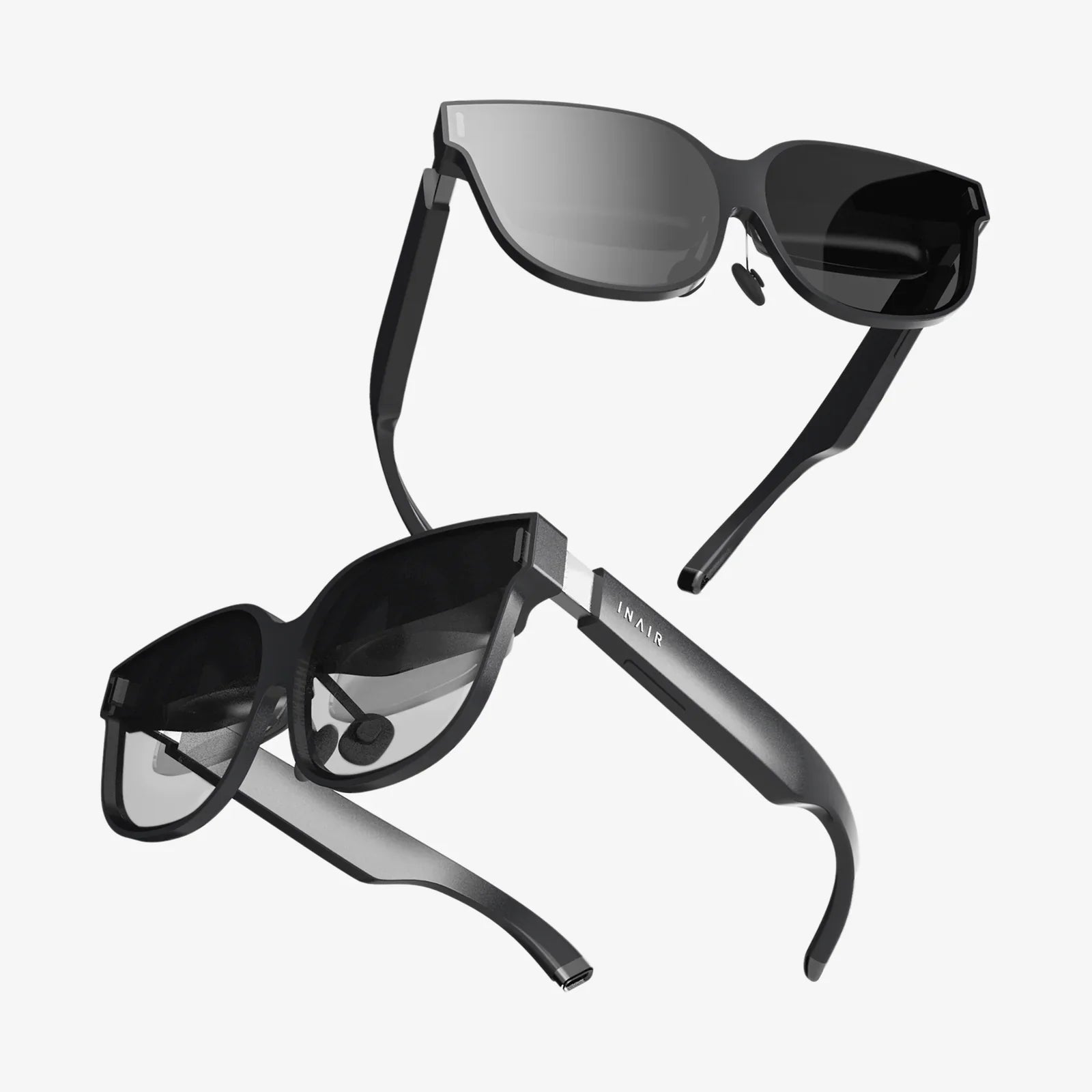
Imagine a world where your digital toolkit is not just a collection of assets, but a dynamic, intelligent partner in creation. The landscape of digital commerce is shifting beneath our feet, and by 2025, the best-selling products on creative marketplaces will be those that don't just solve problems, but anticipate them, evolve with them, and transform the very nature of creative work. This isn't a distant fantasy; it's the imminent future being forged by the convergence of artificial intelligence, immersive technology, and a global community of creators demanding more powerful, more intuitive, and more sustainable tools. The race to the top of the digital bestsellers list is no longer about who has the prettiest font or the most detailed texture pack; it's about who can offer a gateway to the next dimension of creativity.
The New Currency of Creation: Beyond Static Assets
For years, the backbone of digital marketplaces has been static assets: fonts, Photoshop brushes, vector illustrations, and WordPress themes. While these will remain foundational, their form and function are undergoing a radical transformation. The best-selling digital products of 2025 will be characterized by their dynamism, intelligence, and interoperability.
Think of a font that doesn't just offer ligatures and alternates, but an entire AI-powered typography system. It could analyze your design layout, suggest optimal font pairings from your existing library, and dynamically adjust letter spacing and weight based on the surrounding negative space and overall composition. This moves the product from a one-time purchase to an ongoing creative collaborator.
Similarly, illustration packs are evolving from folders of PNG files into vast, searchable databases of vector elements that are fully customizable through integrated web apps. A creator could purchase a "Nordic Landscape Kit" and use a simple interface to change seasons, adjust color palettes to match their brand, and export only the specific elements they need in their desired format. The value is no longer in the number of files, but in the depth of customization and flexibility offered.
The AI Co-Pilot: Embedded Intelligence in Every Asset
Artificial intelligence is the single greatest force reshaping the creative market. By 2025, it will be an expected feature, not a novel premium. Best-selling products will seamlessly integrate AI to augment human creativity, not replace it.
- Smart Template Systems: Gone are the days of rigid templates. Future bestsellers will be adaptive template systems for social media, presentations, and websites. Users will input their content—text and images—and the AI will analyze it to suggest the most impactful layouts, automatically adjusting hierarchy, contrast, and balance. It will generate multiple options in seconds, learning from user preferences with each interaction.
- Predictive Design Assets: Brushes and texture packs will come with AI that learns a user's painting style. After a few strokes, it can suggest complementary brushes, predict the next element the artist might want to add, or even generate unique texture variations on the fly that match the established aesthetic.
- Context-Aware Content: Copywriting kits and content templates will leverage natural language processing. A user could input their target audience and key message, and the system would generate not just one headline, but a suite of context-aware options tailored for different platforms (e.g., a punchy version for Twitter, a more descriptive one for a blog header).
The successful creator in this new market isn't just a designer; they are a curator of intelligence, training and packaging AI models to serve specific creative niches.
The Immersive Frontier: Assets for the 3D and Metaverse Economy
The screen is no longer the limit. As augmented reality (AR), virtual reality (VR), and the broader concept of the metaverse continue to mature, a massive new product category is emerging. The best-selling digital products of 2025 will include assets built for these immersive spaces.
This goes far beyond selling 3D models. It encompasses:
- AR Filter & Effect Kits: Comprehensive packs for social media AR and VR environments, including customizable 3D objects, interactive effects, and easy-to-implement scripts for popular platforms. These will be huge for brands and influencers looking to create unique digital experiences.
- Virtual Environment Packs: Pre-fabricated, stylized 3D environments for use in virtual meetings, VR showrooms, or game development. Think "Minimalist Japanese Garden" or "Cyberpunk Lounge" complete with ambient sounds and interactive elements.
- Digital Fashion & Wearables: As our identities extend into digital avatars, there will be a booming market for designer digital clothing, accessories, and hairstyles. These are not physical goods, but high-end, limited-edition assets for avatars in social VR platforms and games.
- Spatial UI Kits: User interface elements designed for 3D spaces—holographic buttons, floating menus, and data visualization tools that exist in AR, all built with intuitive controls for developers and designers.
The creators who thrive will be those who understand spatial design, user interaction in three dimensions, and the unique aesthetic demands of immersive technology.
Hyper-Nicheization: The Long Tail Gets Longer
The global reach of creative marketplaces means that even the most specific niche can support a successful business. In 2025, best-selling status won't be reserved for products with mass appeal. Instead, we'll see a proliferation of hyper-niche products that serve incredibly specific audiences with unparalleled expertise.
Imagine a complete branding kit not just for "coffee shops," but for "specialty pour-over coffee carts operating in the Pacific Northwest." It would include a logo suite, color palettes inspired by the region, iconography featuring specific brewing equipment, social media templates with moody, natural photography placeholders, and even suggested copywriting that uses industry-specific jargon.
Other examples could include:
- UI sound effect packs designed exclusively for meditation and wellness apps.
- Pattern collections based on the artistic motifs of a specific historical period or cultural tradition, developed in collaboration with cultural experts.
- Coding script bundles for solving very particular problems in emerging web frameworks.
Success in this arena comes from deep domain knowledge and building a reputation as the absolute go-to source for a dedicated community.
The Subscription Evolution: Access Over Ownership
The model of perpetual ownership for a one-time fee is being challenged. While it will never disappear, the best-selling lists in 2025 will be increasingly populated by products offering subscription-based access. This isn't just about recurring revenue for creators; it's about delivering continuous value that a static download cannot provide.
A subscription could grant access to:
- Evergreen Asset Libraries: A constantly updated library of fonts, graphics, or templates. New items are added monthly, and the library is curated to always reflect current trends.
- Software-Like Products: A powerful design tool or asset manager that lives as a web application or plugin, receiving regular feature updates, performance enhancements, and new AI model training based on aggregate user data.
- Creator Ecosystems: Access to a product plus a private community, regular live workshops, and personalized support. The product is the entry point to a ongoing learning and collaboration ecosystem.
This model aligns the success of the creator with the success of the customer, fostering long-term relationships and building a stable business less dependent on the unpredictable hit-driven nature of single sales.
Sustainability and Ethical Creation: The Value-Add That Sells
By 2025, consumers will be more discerning than ever. They will seek out creators and products that align with their values. Digital products are inherently sustainable in a physical sense, but the ethos behind them will become a significant purchasing factor.
Best-selling products will be able to tout:
- Carbon-Conscious Design: Assets optimized for efficient loading and performance, reducing the energy footprint of the websites and applications they are used in. This could even become a searchable filter on marketplaces.
- Ethical Sourcing & Representation: Illustration packs that feature diverse, authentically represented characters, created by artists from those communities. Photography collections that compensate models and photographers fairly and transparently.
- Open Source & Accessibility Focus: Coding frameworks and UI kits that prioritize web accessibility standards (WCAG) from the ground up, or that offer open-source licenses for non-profit use.
- Contributor Models: Products where a portion of proceeds is donated to a relevant cause, such as an environmental fund or an organization supporting digital literacy.
In a crowded market, a strong ethical stance can be a powerful differentiator, building immense trust and loyalty with a customer base that cares about more than just the bottom line.
The Creator's Toolkit: What You Need to Compete in 2025
This evolving landscape demands a new skillset from digital product creators. Technical prowess in design software is now the baseline. The future top sellers will be built by those who are also proficient in:
- Basic AI Literacy: Understanding how to train, implement, and ethically use AI models within their products.
- Light Coding & Scripting: Especially for web-based applications and interactive assets, knowledge of JavaScript, Python, or other common languages will be invaluable.
- 3D Modeling & Animation: Skills in tools for creating real-time 3D assets will be in extremely high demand.
- Community Building: The ability to cultivate and engage a dedicated audience around a niche or a style, turning customers into advocates.
- Storytelling: The product's story—its inspiration, its creation process, its ethical commitments—will be a key part of its marketing and its perceived value.
The barrier to entry might be higher, but the opportunities for those who adapt are far greater and more sustainable.
The digital storefronts of 2025 will be unrecognizable from those of today, brimming with living, intelligent, and immersive assets that empower creators in ways we are only beginning to imagine. The best-selling products won't just be tools; they will be keys to unlocking new realms of possibility, built by visionary creators for a world hungry for the next evolution of digital experience. Your future favorite creative asset is already being designed, not in a static file, but as a dynamic system waiting to revolutionize your workflow and ignite your imagination.
Share:
Artificial Intelligence Introduction: A Beginner's Guide to the Future
Best New Wearable Devices: The Ultimate Guide to the Tech on Your Wrist and Beyond