


Imagine a world where your digital devices don't just respond to your commands but anticipate your needs, where marketing feels less like an interruption and more like a seamless, valuable service. This is not a distant sci-fi fantasy; it is the imminent reality of digital product marketing in 2025, a landscape being reshaped by powerful, converging technological forces. The strategies that dominate today will be obsolete tomorrow, replaced by a new paradigm built on artificial intelligence, immersive experiences, and a fundamental rethinking of the relationship between brands and consumers. The race to adapt is already on, and the winners will be those who understand that the future isn't about shouting the loudest, but about listening the most intently and delivering the most genuine value.
The Rise of the Hyper-Personalized, Predictive Ecosystem
Personalization will evolve beyond its current form in 2025. We are moving from segmentation and basic dynamic content into the realm of predictive, AI-driven hyper-personalization. Marketing platforms will leverage vast datasets and sophisticated machine learning models to forecast individual user behavior, preferences, and future needs with startling accuracy.
This will manifest in several key ways. Marketing outreach will become truly one-to-one, with AI generating unique creative assets, ad copy, and product recommendations for each individual in real-time. The concept of a "customer journey" will transform from a linear, mapped-out path into a dynamic, adaptive flow. Marketing automation will intelligently route users through experiences based on their real-time interactions, emotional signals (detected through advanced sentiment analysis), and predicted intent.
Furthermore, this hyper-personalization will extend into product development itself. Marketing data will no longer just fuel promotional campaigns; it will directly inform product roadmaps. AI will identify unmet needs and feature requests buried in user behavior data, allowing companies to develop and market products that are virtually guaranteed to find a market fit upon launch.
The Immersive Experience: Blurring the Lines Between Digital and Physical
By 2025, the early experiments with augmented reality (AR), virtual reality (VR), and the broader metaverse will have matured into core marketing channels. The goal will shift from novelty to utility, creating immersive experiences that provide tangible value and deepen emotional connections.
Digital product marketers will use AR to allow customers to "try before they buy" in their own space, visualizing how a new piece of software integrates with their physical workflow or how a digital service enhances their real-world environment. Virtual showrooms and interactive product demos in VR will become standard for high-consideration products, offering a depth of understanding that 2D videos and images cannot match.
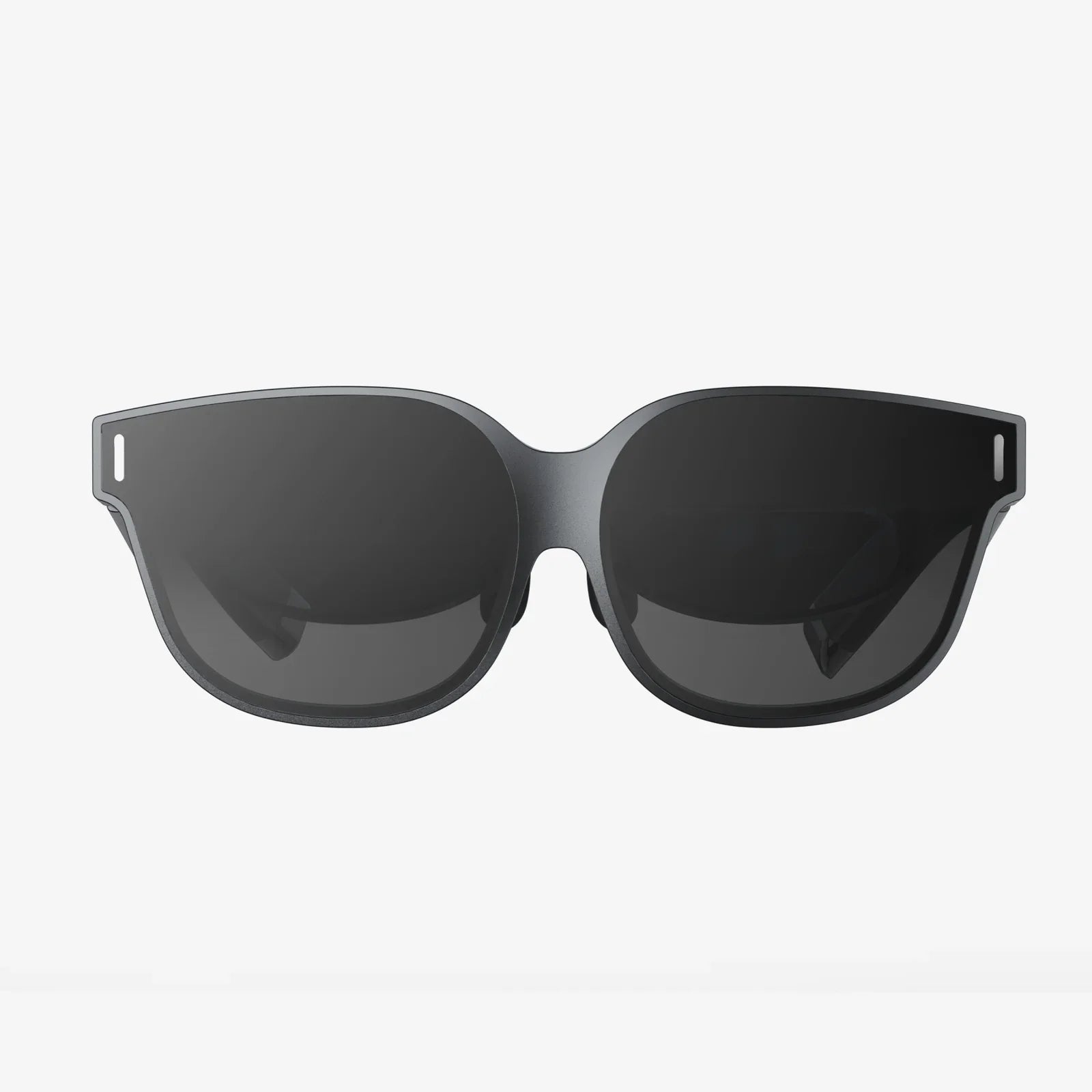
This trend is underpinned by the concept of phygital convergence—the seamless merging of physical and digital realities. Marketing will not exist solely on a screen but will be layered onto the physical world through wearables and smart devices. A user walking through a city might receive a context-aware notification about a digital product that solves a problem they are currently facing, all powered by location data and AI-driven inference.
Voice and Conversational AI: The Interface Revolution
The way users interact with technology is fundamentally changing, and by 2025, voice-first and conversational interfaces will be a dominant force. Search engine optimization (SEO) will be revolutionized by the rise of voice search and conversational queries. Users will no longer type fragmented keywords but will ask complex, natural language questions. Content marketing strategies must adapt to answer these questions directly and authoritatively to capture this traffic.
Beyond search, AI-powered chatbots and virtual assistants will handle the entire marketing and sales funnel, from initial discovery and qualification to post-purchase support. These won't be the frustrating, rule-based bots of the past but sophisticated conversational agents capable of nuanced dialogue, lead nurturing, and even closing micro-transactions. They will serve as 24/7 brand ambassadors, providing instant, personalized service that builds trust and loyalty.
This trend signifies a broader shift: the website or app as the central hub of a brand is diminishing. Instead, marketing will happen across a fragmented landscape of conversational platforms, messaging apps, and voice assistants. Marketers must ensure their digital products are discoverable and marketable within these constrained, audio-first environments.
Privacy-Centric Marketing and the Cookieless World
The third-party cookie is already crumbling, and by 2025, it will be a relic of the past. This, coupled with stringent global privacy regulations and growing consumer demand for data control, forces a complete overhaul of digital advertising and tracking. The brands that thrive will be those that build trust through transparency and value exchange.
The new model is first-party data. Success will depend on a brand's ability to incentivize users to willingly share their data in exchange for a superior, personalized experience. This requires building direct relationships through owned channels like email lists, branded communities, and loyalty programs. Zero-party data—information a customer intentionally and proactively shares with a brand—will become the most valuable currency.
Technologies like AI-powered predictive modeling and contextual advertising will fill the gap left by behavioral tracking. Instead of stalking users across the web, marketers will use AI to find new audiences that resemble their best customers and serve ads based on the content of the webpage itself, not the user's past behavior. This shift, while challenging, presents an opportunity to build more sustainable and ethical marketing practices rooted in genuine consent.
Sustainability and Ethical Branding as a Core Strategy
In 2025, consumers, particularly younger generations, will increasingly align their purchases with their values. Marketing a digital product is no longer just about features and benefits; it's about the company's ethos. Sustainability, ethical data use, diversity, and social responsibility are moving from nice-to-have PR points to central marketing messages and operational necessities.
For digital products, this can manifest in several ways. Companies will market the energy efficiency of their software and data centers, their commitment to ethical AI that avoids bias, and their corporate practices. "Green by design" will become a powerful selling point. Transparency reports detailing data usage, algorithmic fairness, and carbon footprints will become common marketing tools to build credibility and trust.
This trend forces authenticity. Greenwashing or virtue signaling will be quickly exposed by a savvy and connected audience. Marketing must be backed by genuine action, making ethical considerations a foundational element of product development and corporate strategy, not just a communications afterthought.
The Content Renaissance: Value, Depth, and Interactive Formats
The era of thin, SEO-bait blog posts is ending. In 2025, content marketing will experience a renaissance focused on delivering monumental value and building expert authority. As AI handles more generic content creation, human-driven content will need to be deeper, more research-backed, and more insightful to stand out.
Interactive content will become a primary tool for engagement and lead generation. This includes interactive calculators, configurators, assessments, and immersive web experiences. These tools provide personalized value to the user while simultaneously generating high-quality lead data for the business. A user experimenting with a financial planning calculator, for example, reveals their goals and circumstances far more accurately than any form could capture.
Furthermore, content will be increasingly atomized and distributed across emerging platforms. A single core piece of research, like a white paper, will be broken down into a webinar, a series of short-form videos, an interactive infographic, a podcast episode, and snippets for social media, each tailored to the specific platform and audience.
Agile and Data-Informed Experimentation
The pace of change will only accelerate, making rigid, annual marketing plans obsolete. The winning mindset for 2025 is one of agile experimentation. Marketing teams will function more like product teams, running continuous A/B tests on everything from audience targeting and ad creative to email subject lines and landing page layouts.
This is powered by the democratization of data analytics. AI tools will provide marketers with intuitive dashboards and actionable insights, automatically highlighting winning variations and suggesting new experiments. The focus will shift from reporting on past performance to predicting future outcomes and prescribing the next best action.
This culture of testing allows brands to stay nimble, quickly capitalizing on new trends and consumer shifts. Failure is not a setback but a necessary data point that informs the next iteration. In a landscape defined by constant change, the ability to learn and adapt quickly becomes the ultimate competitive advantage.
The digital noise is reaching a fever pitch, but a new signal is emerging—one of intuitive value, respectful engagement, and experiences so seamless they feel like magic. The brands that will capture attention and loyalty in 2025 won't just be selling a product; they will be offering a key to a smarter, more efficient, and more connected way of living. They will understand that the future of marketing isn't about campaigns; it's about building a responsive, intelligent ecosystem that earns its place in the customer's life every single day. The question is no longer if you will adapt, but how quickly you can embrace this new reality and start building tomorrow's relationship with your customer today.
Share:
Is AR, VR, and AI the Future of Human Experience?
Is AR a Part of AI? Exploring the Symbiotic Relationship Between Two Tech Titans