


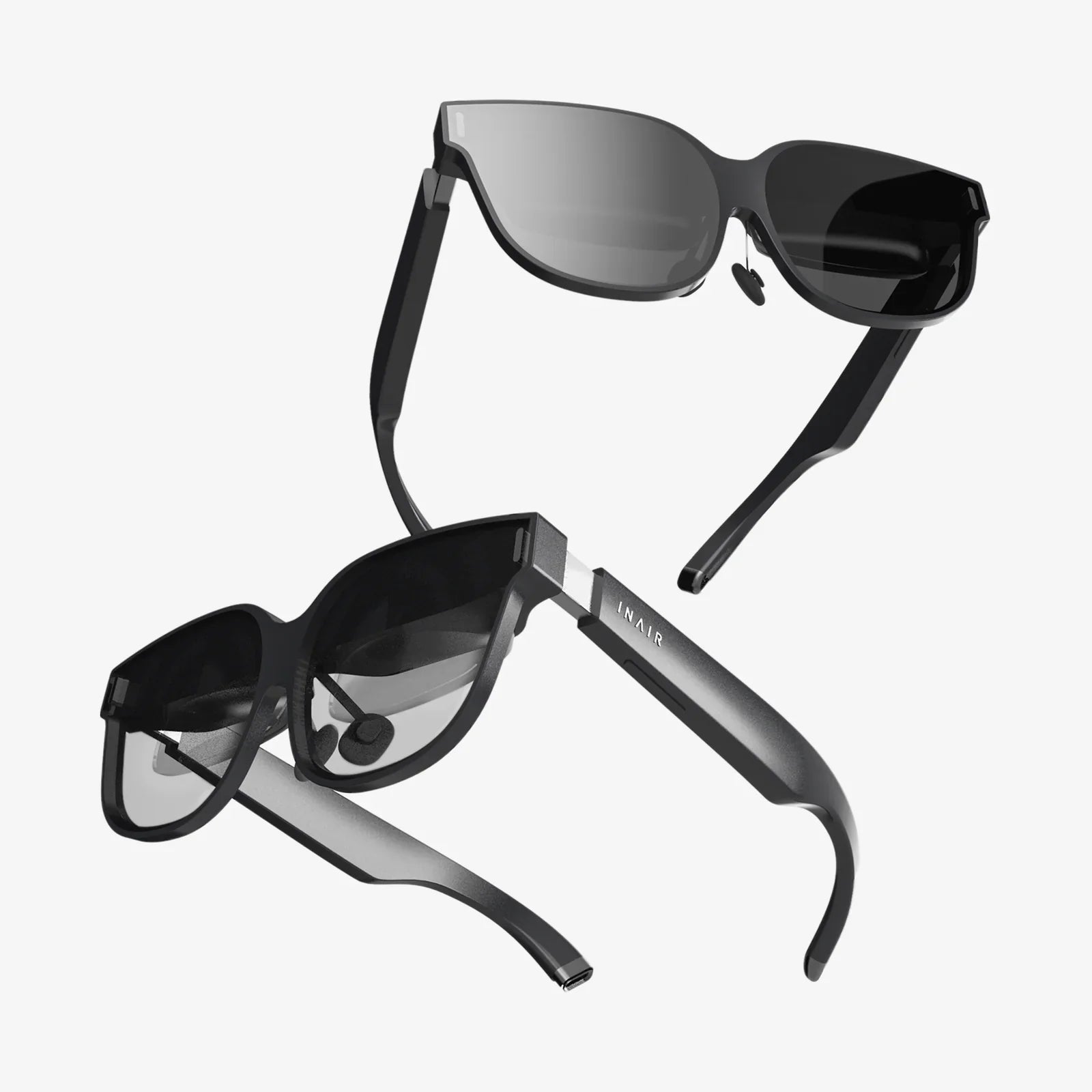
Imagine slipping on a headset and instantly transporting yourself to a digital realm where anything is possible—climbing mountains, performing surgery, or walking on distant planets. This is the dazzling promise of virtual reality, a technology that has captured our collective imagination. Yet behind this shimmering curtain of potential lies a less-discussed reality: a landscape fraught with tangible drawbacks that extend far beyond mere technical glitches. As we stand on the precipice of widespread VR adoption, it becomes critically important to examine the hidden costs and significant disadvantages that could shape our relationship with this transformative technology.
The Physical Toll: More Than Just Motion Sickness
The most immediate and widely reported disadvantage of virtual reality manifests in physical discomfort, often referred to as VR sickness or cybersickness. This phenomenon shares similarities with motion sickness but presents unique challenges in digital environments. When your visual system perceives movement within the virtual world—whether you're flying through space or riding a rollercoaster—your inner ear and proprioceptive systems (which sense body position and movement) report the contradictory information that your body remains stationary. This sensory conflict triggers a physiological response that can include dizziness, nausea, sweating, and headaches.
While developers have made progress in reducing these effects through improved frame rates, reduced latency, and better movement mechanics, a significant portion of users continue to experience discomfort. The severity varies between individuals, with some unable to use VR for more than a few minutes without feeling ill. This limitation not only restricts accessibility but also poses practical challenges for applications requiring extended use, such as educational programs or workplace training simulations.
Beyond nausea, VR presents other physical concerns. Prolonged use of heavy headsets can cause neck strain and discomfort, particularly with earlier, bulkier models. The confined space between the screen and eyes creates potential issues for vision, especially among younger users whose visual systems are still developing. While research remains ongoing, some optometrists have expressed concerns about the long-term impact of forcing eyes to focus on pixels displayed at fixed distances, potentially contributing to eye strain, blurred vision, and headaches.
The Psychological Impact: Blurring Reality and Virtuality
Perhaps more concerning than the physical effects are the potential psychological consequences of immersive virtual experiences. VR's fundamental power lies in its ability to trick the brain into accepting digital experiences as real, which raises important questions about how these experiences might affect our minds, particularly with repeated exposure.
Researchers have identified a phenomenon known as "reality blurring," where users experience difficulty distinguishing between virtual events and actual memories after extended VR sessions. While typically temporary, this effect raises ethical questions about the technology's impact on memory formation and our general perception of reality. For vulnerable populations, including children and those with pre-existing mental health conditions, this blurring could potentially be more pronounced or problematic.
The intense immersion that makes VR so compelling also creates potential for heightened psychological trauma. Experiences that would be frightening in the real world—such as standing on a narrow ledge atop a skyscraper or encountering a virtual predator—can trigger genuine fear responses that linger after the headset is removed. Unlike traditional media where viewers maintain awareness of their physical surroundings, VR's all-encompassing nature can make these experiences feel overwhelmingly real, potentially exacerbating anxiety or post-traumatic stress in susceptible individuals.
There's also concern about desensitization, particularly regarding violent content. While debates about violence in video games have persisted for decades, the visceral, first-person nature of violent VR experiences represents a significant intensification. When users not only watch violence but physically perform violent actions through motion controls, the potential for normalizing aggressive behavior requires careful study and consideration.
The Social Cost: Isolation in an Interconnected World
Paradoxically, a technology designed to create connection through shared virtual spaces may ultimately foster social isolation in the physical world. The very design of VR—a headset that blocks out your actual environment and replaces it with a digital one—is inherently isolating. While users can interact with others in virtual spaces, these interactions lack the nuance and richness of face-to-face human connection.
Non-verbal communication constitutes a significant portion of human interaction, including subtle facial expressions, body language, and eye contact. Current VR technology struggles to fully replicate these nuances, creating interactions that feel somehow "less than human" despite their technological sophistication. This limitation could potentially impact social development, particularly for younger users who are still learning to navigate complex social cues.
As VR experiences become increasingly compelling, there exists a genuine risk that some individuals may begin to prefer their virtual lives to their actual ones—a dynamic explored in numerous science fiction narratives but now entering the realm of possibility. When virtual worlds offer more excitement, better visuals, and seemingly more fulfilling social connections than reality, the temptation to retreat into these spaces could have profound implications for personal relationships, community engagement, and mental wellbeing.
This isolation extends beyond personal choice to structural concerns. As businesses and educational institutions explore VR implementations, we risk creating a society where economic and educational participation requires immersion in virtual spaces, potentially excluding those who cannot afford the technology or who experience physical discomfort using it.
Economic and Practical Barriers
The significant cost of high-quality VR systems presents a substantial barrier to widespread adoption, potentially creating a new digital divide. While prices have decreased since the technology's introduction, a truly immersive setup—including a powerful computer or console capable of running demanding VR applications, the headset itself, and optional accessories like specialized controllers or haptic feedback vests—still represents a considerable investment for the average consumer.
This economic barrier has implications beyond entertainment. As industries from healthcare to architecture increasingly integrate VR into professional workflows, the cost of entry could prevent smaller firms from adopting these tools, potentially creating competitive disadvantages. Similarly, educational institutions serving lower-income communities may struggle to provide access to VR learning experiences, potentially widening existing achievement gaps.
Beyond initial purchase costs, VR systems present practical challenges that limit their utility. Most systems require significant physical space for safe operation, particularly those encouraging movement and physical interaction. This presents obvious problems for users in smaller homes or apartments where clearing adequate space proves difficult. The setup process itself can be daunting for less technically-inclined users, involving multiple sensors, cables, and software configurations that create friction between purchase and first use.
There's also the question of content. While the VR library has expanded considerably, it still pales in comparison to traditional gaming platforms or streaming services. High-quality experiences often remain relatively short, and the market has yet to produce the kind of system-selling "killer apps" that drive mass adoption of new platforms, though several contenders have emerged in recent years.
Privacy and Data Security in Immersive Environments
VR systems collect unprecedented amounts of personal data, raising serious privacy concerns that extend far beyond those associated with traditional digital platforms. A typical VR setup doesn't just track what content you consume—it monitors how you move through virtual spaces, where you look, how you physically respond to stimuli, and in some cases, even records your immediate environment through built-in cameras.
This biometric data represents particularly sensitive information. Eye-tracking technology can reveal not just what captures your attention, but how your pupils respond—potentially indicating emotional reactions, interest levels, or even physiological states. Motion data essentially creates a digital map of your body and its movements, information that could be exploited for everything from targeted advertising to more nefarious purposes if not properly secured.
The always-on microphones included in many VR systems create additional privacy vulnerabilities, potentially recording private conversations occurring in the physical space around the user. Meanwhile, cameras used for tracking movement and mapping environments could capture detailed images of users' homes, raising concerns about corporate access to our most private spaces.
As VR platforms increasingly become social spaces where users interact with strangers, additional security concerns emerge. The immersive nature of these interactions can lower guards more than traditional online forums, potentially making users vulnerable to social engineering, harassment, or manipulation in environments that feel disconcertingly real. The phenomenon of "virtual groping" and other forms of harassment in social VR platforms has already demonstrated how behavioral norms struggle to adapt to these new digital contexts.
Health Concerns Beyond Immediate Discomfort
While motion sickness represents the most immediate physical reaction to VR, longer-term health implications remain less understood and require further study. The close proximity of screens to users' eyes has raised questions about potential impacts on vision development, particularly in children. Most headset manufacturers recommend their products for users aged 13 and older, but enforcement remains difficult, and the effects of regular VR use on developing visual systems are not yet fully documented.
There are concerns about VR's potential to trigger seizures in individuals with photosensitive epilepsy, similar to warnings associated with traditional video games but potentially amplified by the technology's immersive qualities. The disorientation caused by VR could also increase accident risks immediately after use, as users readjust to physical reality—particularly concerning if using VR in spaces with potential hazards.
Perhaps most intriguing are the potential effects on brain plasticity—the nervous system's ability to reorganize itself by forming new neural connections. The brain adapts to consistent stimuli, and regular immersion in artificial environments might potentially influence cognitive processes, spatial reasoning, or even balance and coordination over extended periods. While not necessarily negative, these potential neuroplastic adaptations warrant careful scientific investigation as usage becomes more widespread.
Ethical and Societal Implications
The disadvantages of virtual reality extend beyond individual users to broader ethical and societal concerns. As with many emerging technologies, the development of VR often outpaces the establishment of ethical guidelines and regulatory frameworks, creating potential for misuse or unintended consequences.
The potential for addiction represents a significant concern, particularly as developers employ psychological principles to maximize engagement. The compelling nature of virtual experiences—especially those offering escape from unpleasant realities or providing powerful social validation—could prove particularly problematic for individuals predisposed to addictive behaviors. Unlike smartphone or internet addiction, VR addiction would represent a more complete withdrawal from physical reality, with potentially more severe consequences for personal and professional functioning.
There are also concerns about how VR might be used for manipulation, particularly in advertising, political messaging, or propaganda. The immersive qualities that make VR powerful for education and empathy-building could similarly make it powerful for indoctrination, as users may be less critical of experiences that feel real than those viewed on a traditional screen. The ability to create completely controlled environments where every sensory detail can be manipulated raises questions about informed consent and user autonomy in these spaces.
From a societal perspective, widespread VR adoption could potentially exacerbate existing inequalities. If high-quality education, healthcare consultations, or employment opportunities increasingly move into virtual spaces, those without access to the technology or the skills to use it effectively could be left further behind. The potential for creating entirely parallel virtual economies raises additional questions about regulation, taxation, and legal jurisdiction that society has yet to fully address.
Virtual reality unquestionably represents a technological marvel with extraordinary potential across countless domains—from medicine and education to entertainment and social connection. Yet its very power demands our thoughtful scrutiny. The disadvantages spanning physical discomfort, psychological impact, social isolation, economic barriers, privacy concerns, and ethical questions collectively suggest that we should approach this technology not with rejection, but with careful consideration, ongoing research, and appropriate safeguards. The future of VR shouldn't be about whether we embrace immersion, but how we do so wisely, preserving our humanity while expanding our reality.
As the boundary between physical and digital continues to dissolve, these unanswered questions about virtual reality's drawbacks become increasingly urgent—not as reasons to abandon the technology, but as essential guideposts for building a future where immersive tech enhances rather than diminishes our human experience. The ultimate test won't be how real virtual reality feels, but how well it helps us return to, and improve upon, our shared reality.
Share:
Virtual Reality Meaning: More Than Just a Headset, It's a Portal to New Worlds
Virtual Reality Meaning: More Than Just a Headset, It's a Portal to New Worlds