


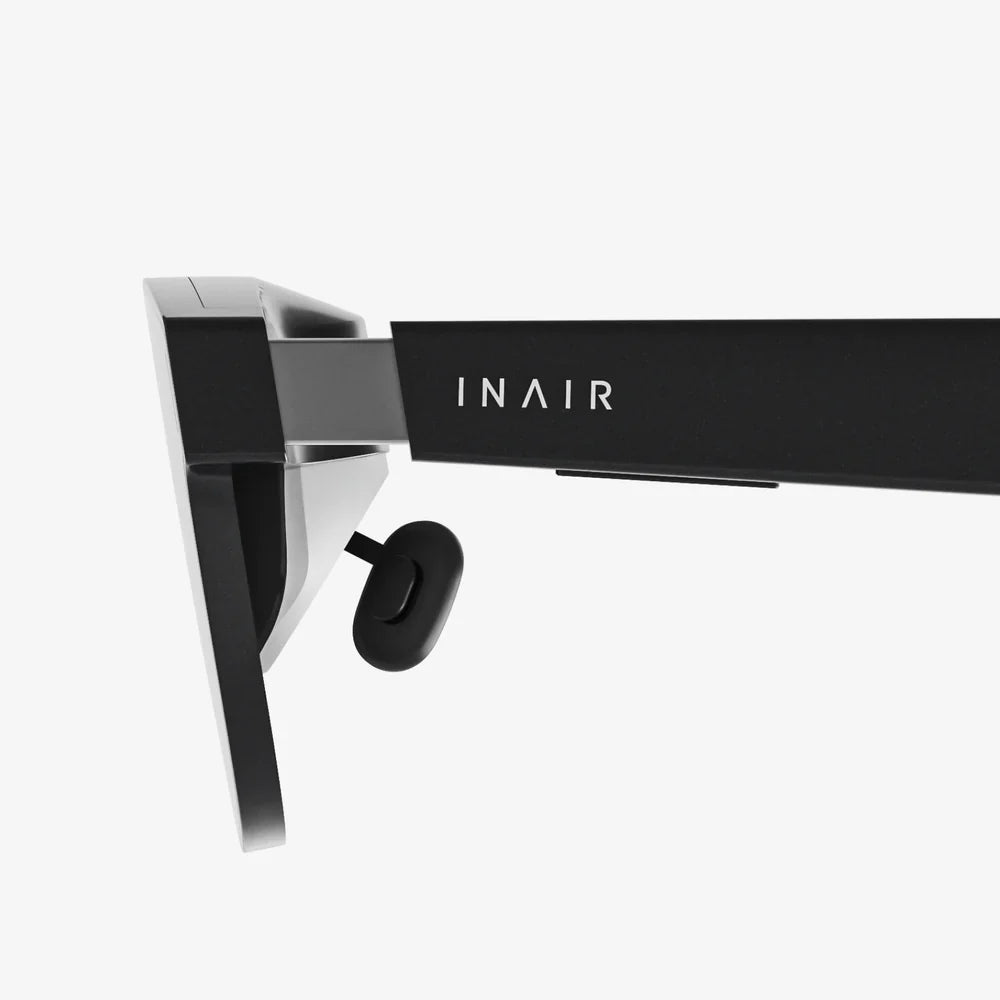
Imagine settling into your favorite chair, the house buzzing with the usual activity, but instead of fighting over the remote or struggling to hear dialogue over the ambient noise, you simply slip on a pair of sleek, unassuming glasses. Instantly, a crystal-clear, massive screen—yours and yours alone—materializes in your field of vision. The world of entertainment hasn't just come to you; it has enveloped you, offering a private cinematic experience that exists nowhere else but in your own eyes. This is the promise and the profound reality of glasses that you can watch TV on, a technology poised to shatter our traditional notions of home viewing and usher in a new, deeply personal media age.
The Technology Behind the Magic: More Than Meets the Eye
At first glance, the concept seems like pure science fiction. How can a pair of spectacles replace a physical television screen? The answer lies in a sophisticated convergence of optics, micro-electronics, and display technology. Unlike standard eyeglasses that correct vision or sunglasses that dim light, these devices are essentially wearable displays.
The core technology typically involves miniature micro-displays, often based on OLED or similar technologies, which are incredibly small yet capable of producing high-resolution, vibrant images. These micro-displays are positioned near the temples of the glasses. Then, using a system of advanced optics and waveguides, the image from these tiny screens is reflected and magnified, projecting a virtual image that appears to float in space several feet in front of the wearer.
This virtual image can be calibrated to simulate a massive screen size, often described as the equivalent of watching an 80-inch, 100-inch, or even larger television from a comfortable distance. The effect is not like looking at a small screen crammed into the corner of your lens; it is an immersive, wide-angle view that feels expansive and natural. Furthermore, many modern models offer focus adjustments, ensuring a sharp picture for users regardless of their individual prescription, making them accessible to a wide audience.
A Symphony of Benefits: Why Personal Viewing Glasses Are a Game-Changer
The advantages of adopting this personal viewing technology extend far beyond the simple novelty of having a screen on your face. They address numerous common frustrations associated with traditional television setups, offering a compelling alternative for many households.
Unparalleled Privacy and Immersion
In an open-plan living space or a busy household, finding true immersion in a film or show can be a challenge. With personal viewing glasses, external visual distractions are eliminated. The virtual screen dominates your vision, pulling you into the narrative without the competing stimuli of a flickering light, a moving pet, or other people. This creates a level of focus and immersion that is difficult to achieve with even the most advanced traditional home theater, short of sitting alone in a pitch-black room.
Harmonious Coexistence in Shared Spaces
This is perhaps the most transformative benefit for family life. One person can be fully immersed in a high-octane action movie with full, booming audio directly in their ears via integrated speakers or a Bluetooth connection, while another reads a book in silence right next to them. A partner can sleep peacefully while you catch up on a late-night game. The constant negotiation over what to watch or how loud to play it becomes a relic of the past, replaced by a new era of peaceful, parallel entertainment.
Portability and Space Efficiency
For those living in smaller apartments, dorm rooms, or who simply prefer a minimalist aesthetic, a large black rectangle dominating a wall is not always desirable. Personal viewing glasses eliminate the need for a physical television altogether. Your entire entertainment system condenses into a pair of glasses and a connected media player, often a small streaming stick or your smartphone. This setup travels effortlessly, turning any room—a bedroom, a kitchen, a hotel room—into an instant private theater. The dream of a big-screen experience is no longer tethered to a specific piece of furniture or a dedicated room.
Superior Audio-Visual Quality on Demand
Because the screen is virtual and generated so close to the eye, the perceived image can be exceptionally sharp and free from the common issues of physical screens. There are no concerns about off-angle viewing degrading color or contrast. The image you see is always perfectly calibrated for your eyes alone. Coupled with high-quality, private audio delivered through bone conduction or personal headphones, the experience guarantees you hear every whisper and every note of the soundtrack exactly as the sound engineer intended, without external interference.
Navigating the Considerations and Current Limitations
While the technology is revolutionary, it is not without its considerations. Potential users should be aware of the current landscape to set realistic expectations.
Social Isolation vs. Connection: A valid concern is that donning a pair of glasses and retreating into a private world could be an isolating experience, cutting individuals off from shared moments. The technology is best viewed not as a complete replacement for communal viewing but as a powerful tool for specific scenarios. Movie nights with the family can still happen on the big screen, while these glasses serve as the perfect solution for times when individual preferences or schedules diverge.
Physical Comfort and Fit: Early models of head-mounted displays were often criticized for being heavy and uncomfortable for extended wear. While modern iterations are significantly lighter and more ergonomically designed, finding a comfortable fit for multi-hour binge-watching sessions remains a key focus for manufacturers. The weight distribution and pressure on the nose and ears are important factors to consider.
Eye Strain and Visual Fatigue: Staring at a screen projected very near the eye is a new visual experience for most. While the virtual image is focused at a distance to mimic a natural viewing experience, some users may experience eye strain or headaches during initial use as their eyes adjust. Taking regular breaks, as one should with any screen time, is highly recommended.
The Cost of Entry: As with any nascent technology, the initial cost for a high-quality pair of personal viewing glasses can be significant, often comparable to or exceeding the price of a premium television. However, proponents argue that the value lies not in replicating a TV, but in providing a unique and versatile experience that a traditional screen cannot offer.
The Future is Clear: What's Next for Wearable Displays?
The development of glasses for watching TV is not happening in a vacuum; it is a key stepping stone in the broader evolution of augmented reality (AR) and wearable computing. The future of this technology is incredibly bright and points toward even greater integration into our daily lives.
We can anticipate future generations of these devices that seamlessly blend digital content with the real world. Imagine watching a cooking show where the recipe instructions and ingredient lists hover conveniently next to your mixing bowls. Envision a live sports game where real-time stats and player information are overlaid on your view of the field during a backyard party. The line between watching content and interacting with it will blur dramatically.
Advancements in field of view, resolution, and battery life will continue to push the boundaries of what's possible, making the virtual screens larger, brighter, and longer-lasting. Furthermore, integration with other smart home ecosystems and productivity platforms could see these glasses becoming a central hub for not just entertainment, but for work, communication, and information access.
The journey is just beginning. From solving simple household disputes over the remote to fundamentally changing our relationship with digital information, glasses that you can watch TV on represent far more than a niche gadget. They are a profound glimpse into a future where our digital lives are not confined to rectangles on our walls or in our hands, but are instead woven seamlessly into the very fabric of our perception, offering freedom, immersion, and a truly personal window to endless content.
This isn't just about changing the channel without a remote; it's about fundamentally rewiring our relationship with entertainment, offering a portal to other worlds that fits in your pocket and rests comfortably on your nose. The age of the communal living room screen isn't over, but it now has a powerful, personal, and utterly revolutionary competitor vying for your attention—one that promises a front-row seat to the future, available whenever you're ready to put it on.
Share:
Virtual Reality VR and Augmented Reality AR Will Become Mainstream: The Next Digital Revolution
Smartphone Head Mounted Display: The Portal in Your Pocket Revolutionizing Reality