


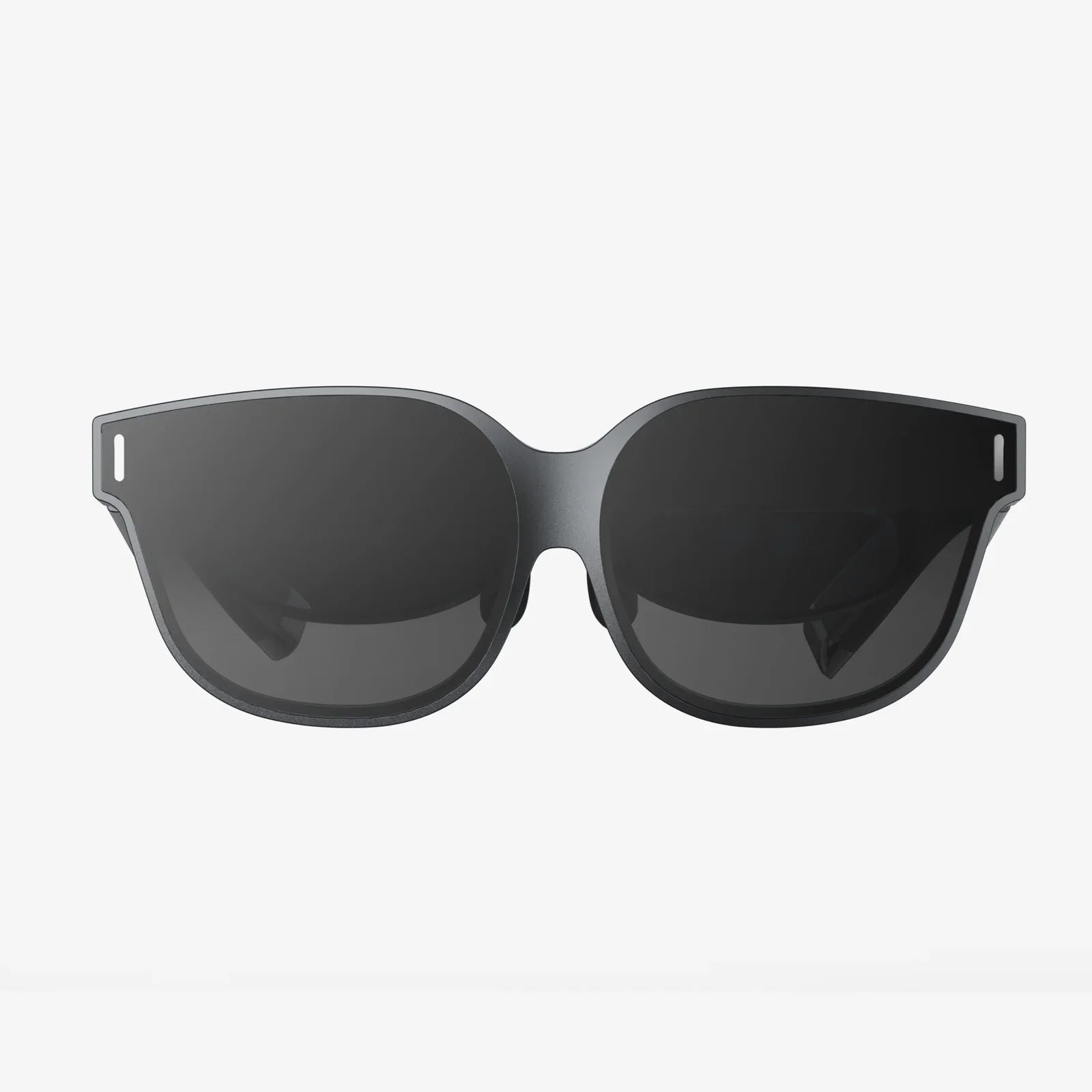
Imagine a world where your most natural conversations—with people, with your devices, with your environment—flow effortlessly through the very frames perched on your nose. This isn't a scene from a science fiction film; it's the rapidly emerging reality of glasses with microphone technology. This innovative fusion of essential vision correction and advanced audio capture is quietly dismantling the barriers between us and our digital lives, promising a future of seamless, intuitive, and discreet interaction. This article delves deep into the technology, applications, benefits, and profound implications of integrating sophisticated microphones into one of humanity's most enduring and personal accessories: eyeglasses.
The Convergence of Sight and Sound
The journey of the humble eyeglass frame from a purely corrective device to a sophisticated computational platform is a fascinating one. For centuries, their primary function was singular: to improve vision. The modern era, however, has seen them evolve into a statement of fashion, a protective layer against blue light, and now, a hub for personal audio technology. The integration of a microphone represents a logical and powerful next step in this evolution.
This convergence is driven by a simple yet powerful idea: the face is an ideal command center. Our eyes take in information, and our mouth communicates it. Placing technology directly in this line of sight and sound minimizes the physical and cognitive distance between intention and action. Instead of fumbling for a phone or adjusting a headset, the technology fades into the background, becoming an almost invisible extension of the self.
How Do Microphones in Glasses Work?
The magic of these devices lies in their sophisticated engineering, which must balance performance with the severe spatial and power constraints of an eyeglass frame. Unlike a traditional microphone on a desk or a headset, a microphone embedded in glasses faces unique challenges, primarily concerning audio quality and noise suppression.
Beamforming Technology
This is the cornerstone of effective audio capture in glasses. Rather than relying on a single microphone, these devices typically employ an array of multiple tiny microphones strategically placed on the frames, often along the arms or the bridge. Beamforming technology uses algorithms to process the signals from each microphone. It can electronically "steer" a sensitive pick-up zone towards the user's mouth while simultaneously suppressing unwanted noise from the sides and rear. This is crucial for isolating the speaker's voice in a noisy environment like a city street or a busy office.
Bone Conduction Sensors
Some designs incorporate bone conduction sensors that pick up vibrations directly from the wearer's skull near the temple. When you speak, your vocal cords generate vibrations that travel through your bones. These sensors capture those vibrations, translating them into clear audio signals. The major advantage is near-total immunity to ambient air noise; the microphone effectively hears only your voice, not the wind or the crowd around you. However, it can sometimes struggle with certain frequencies and may feel slightly different to the user.
Advanced Noise Cancellation Algorithms
Raw audio data is just the beginning. Powerful onboard processors or connected devices run complex software algorithms designed to strip away background noise. This includes constant, predictable sounds like air conditioning hum (using acoustic echo cancellation) and sudden, transient noises like keyboard clicks or passing traffic (using adaptive filtering). The result is a crystal-clear audio stream that seems to defy the chaotic environment it was captured in.
A Multitude of Applications: Beyond Basic Calls
The initial use case for many is clear: making phone calls without holding a phone. But the potential applications extend far beyond this, touching nearly every aspect of modern life.
Enhanced Productivity and the Modern Professional
For the knowledge worker, audio eyewear is a productivity powerhouse. Imagine walking between meetings while dictating emails or memos, your hands free to carry a coffee or open a door. Conference calls become more natural; you can participate fully, make eye contact, and even reference physical documents without being tethered to a laptop microphone or a clunky headset. Integration with voice assistants allows for setting reminders, scheduling appointments, and controlling smart office equipment without ever breaking your flow.
Accessibility and Inclusivity
The impact on accessibility is profound. For individuals with mobility or dexterity challenges, voice control via a always-available microphone can be life-changing. It offers a new level of independence for tasks like controlling smart home devices, communicating with others, or accessing information. Furthermore, real-time transcription services powered by these microphones can provide immediate captions for conversations, greatly assisting those who are hard of hearing.
Content Creation and Social Interaction
Vloggers, journalists, and everyday users can capture high-quality audio for their videos hands-free. The first-person perspective becomes more immersive and authentic when the audio is captured from the point of view of the creator, not from a separate, visible microphone. For social media users, sharing moments with clear audio, even in challenging environments, becomes effortless.
Fitness and an Active Lifestyle
For runners, cyclists, and gym-goers, traditional headphones can be cumbersome and isolating. Glasses with microphones offer a perfect solution. They allow users to listen to music or take calls while remaining aware of their surroundings. The wind-resistant microphones ensure that calls remain clear even at speed, making them ideal for outdoor activities.
The Unmatched Benefits of an Always-Available Microphone
Why choose glasses over a dedicated Bluetooth headset or a smartphone's built-in mic? The advantages are compelling.
- Ultimate Convenience and Hands-Free Operation: The microphone is always there, right on your face. There's no need to remember to charge, pack, or put on another device. This "always-on" accessibility makes voice interaction the default, not a conscious choice.
- Superior Social Acceptability and Discretion: Unlike bulkier headsets, smart glasses are socially normalized. You're just wearing glasses. This makes using them in public or in meetings far less intrusive and more socially acceptable than speaking into a headset or holding a phone to your ear.
- Consistently Optimal Microphone Placement: The microphone is permanently fixed near your mouth, ensuring consistent audio quality. You don't have to worry about a lapel mic getting bumped or a headset mic being out of position.
- Reduced Cognitive Load: By integrating technology into a familiar object, the mental effort required to use it disappears. The technology serves you on your terms, seamlessly blending into your daily routine.
Navigating the Challenges: Privacy, Battery, and Design
Despite the exciting potential, the path forward is not without its significant hurdles. Manufacturers and users must thoughtfully address several critical issues.
The Paramount Issue of Privacy and Security
A device that sits on your face and can constantly listen is a legitimate privacy concern. The key questions are: When is it listening? What is it recording? Where is that data processed and stored? Reputable manufacturers address this with clear physical indicators (like LED lights) that show when the microphone is active, robust software controls that require explicit user activation (e.g., a tap or voice command), and a commitment to on-device processing where possible. Transparency and user control are non-negotiable for widespread adoption.
Battery Life and Performance Trade-offs
The laws of physics are a constant challenge. Fitting a battery powerful enough to sustain constant microphone use, audio processing, and sometimes speakers into the slim arms of glasses is difficult. Battery life often becomes a trade-off between size, weight, and performance. Most current solutions offer a full day of typical use, but intensive tasks like continuous recording or transcription can drain power quickly.
Design and Personalization
Eyeglasses are a deeply personal fashion item. A one-size-fits-all approach won't work. The market must offer a wide variety of styles, shapes, sizes, and materials to cater to diverse tastes and face shapes. Furthermore, for those who do not need vision correction, non-prescription lens options must be readily available. The technology must complement the user's style, not compromise it.
The Future is Clear: What Lies Ahead for Audio Eyewear?
The current iteration of glasses with microphones is just the beginning. We are standing at the precipice of a much larger transformation.
Future generations will likely see even more miniaturized components, enabling more powerful processors and longer battery life without sacrificing style. Deeper integration with Artificial Intelligence will move beyond simple commands to proactive assistance—an AI that can summarize your meeting in real-time, translate a foreign language conversation as it happens, or remind you of someone's name as you greet them based on the audio it hears.
We are moving towards a paradigm of "ambient computing," where technology recedes into the background of our lives. Glasses, as a wearable that we are already accustomed to, are poised to be a central vessel for this ambient intelligence. The microphone is the critical gateway, allowing our most natural form of communication—our voice—to become the primary interface.
The ultimate success of this technology won't be measured by its technical specifications, but by its invisibility. The goal is to create a tool so intuitive, so reliable, and so seamlessly integrated that we forget it's even there, allowing us to be more present, more productive, and more connected to the world around us, all through the simple, powerful act of speaking.
This silent revolution on the bridge of your nose is poised to redefine not just how we make phone calls, but how we interact with the entire digital universe, turning every whispered idea and spoken command into immediate action without ever needing to reach for a device.
Share:
Other VR Headsets: The Unsung Heroes of the Virtual Revolution
Portable Monitor Glasses: The Future of Personal Computing is on Your Face